
Deciding to explore hearing aids is a big, positive step toward reconnecting with the sounds and people you love. But once you start looking, the sheer number of options can feel overwhelming. With different styles, features, and costs, there’s a lot to consider.
This guide will walk you through the key things you need to know to confidently choose the right hearing aid for your life.
Start with a Professional Hearing Test
Before you even think about models or brands, the most important first step is getting a professional hearing evaluation. While online tests can give you a rough idea, they can’t replace a comprehensive assessment from an audiologist or a hearing instrument specialist. These professionals can pinpoint the specific type and degree of your hearing loss, which is important information for picking the right device.
They’ll test your ability to hear different frequencies and understand speech in noisy places. This detailed diagnosis ensures you get a solution tailored to your unique needs. Finding the right professionals to guide you through this process is key to a successful outcome, so it’s smart to look for qualified providers of hearing aids near you.
Exploring Different Hearing Aid Styles
Hearing aids aren’t one-size-fits-all. They come in several styles, each with its own benefits regarding how visible they are, battery life, and how easy they are to handle. Understanding these options will help you narrow down your choices.
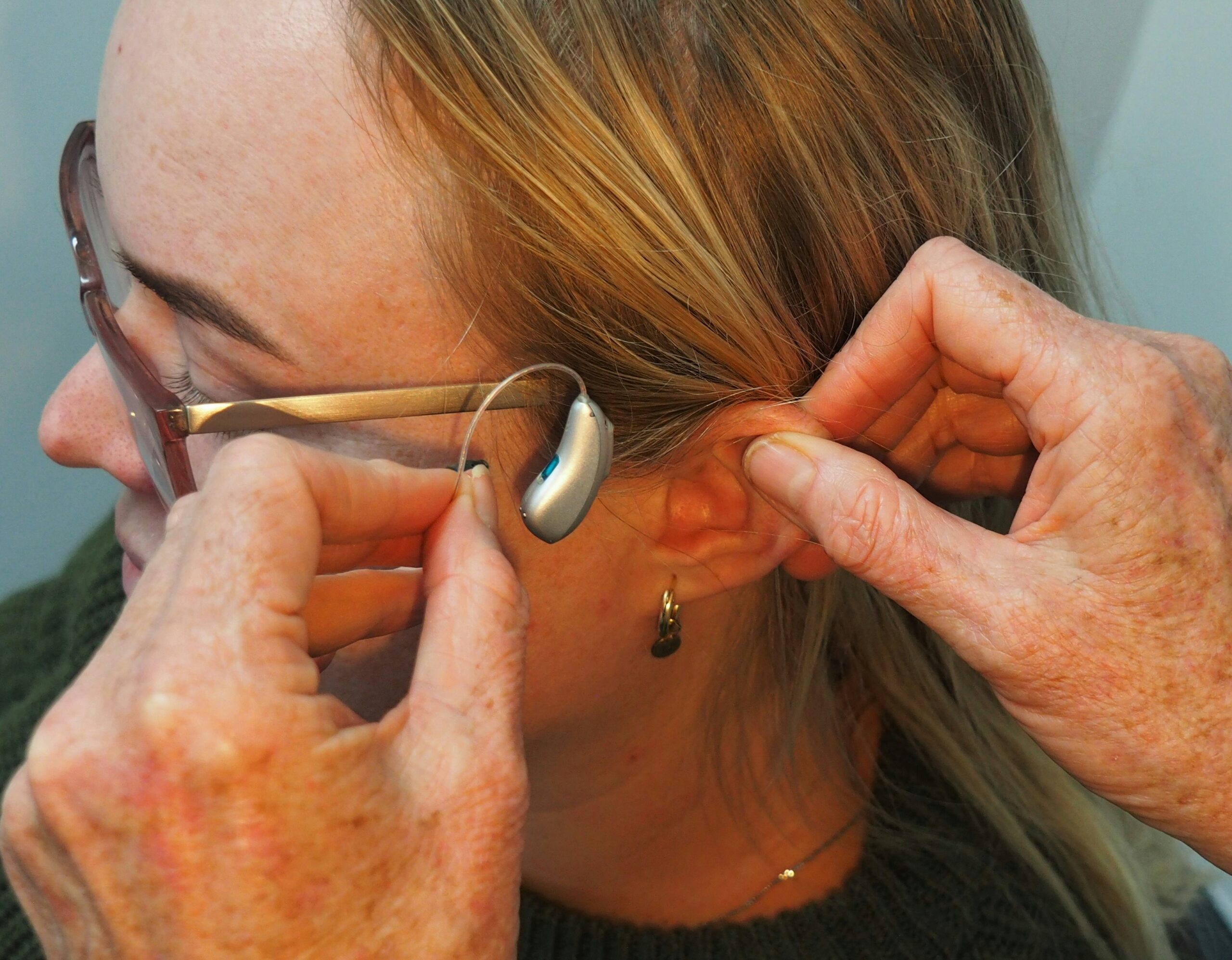
- Behind-the-Ear (BTE): These are the most common type. The main part of the device sits behind your ear, with a small tube connecting to an earpiece that fits inside your ear canal. They’re powerful, easy to handle, and work for a wide range of hearing loss.
- In-the-Ear (ITE): These devices are custom-molded to fit entirely inside your outer ear. They’re less visible than BTE models and can be easier for some people to manage.
- In-the-Canal (ITC) and Completely-in-Canal (CIC): These are the smallest and most discreet options, fitting partially or completely inside the ear canal. While they look great, their small size can mean shorter battery life and fewer advanced features.
There are many types of hearing aids, and the best one for you depends on your level of hearing loss, how well you can use your hands, and what you prefer for appearance.
Consider Key Features for Your Lifestyle
Today’s hearing aids are packed with technology designed to improve your listening experience in various situations. When choosing a device, think about your daily activities and which features would help you most. For instance, if you spend a lot of time on the phone or enjoy streaming music, Bluetooth connectivity is a must-have. This feature lets you stream audio directly from your smartphone to your hearing aids, providing clear, crisp sound.
Another popular feature is rechargeable batteries. Instead of fumbling with tiny disposable batteries, you can just place your hearing aids in a charger overnight. For those who frequent public places like theaters or churches, a telecoil (or T-coil) can be incredibly helpful. It lets you pick up sound directly from a venue’s public address system, cutting out background noise.
Understanding the Costs and What’s Included
The price of hearing aids can be a major consideration, and it’s important to understand what you’re paying for. The cost usually covers more than just the devices themselves. It often includes the initial hearing test, the professional fitting, follow-up appointments for adjustments, and a warranty for repairs or loss. When you see a price, ask for a detailed breakdown of what services are included.
While the initial investment can seem high, think of it as an investment in your quality of life. Some insurance plans offer partial coverage, and flexible spending accounts (FSAs) or health savings accounts (HSAs) can also be used to pay for them. A good hearing aid buying guide can provide additional context on pricing and value. Don’t let cost be the only factor; the right support and technology are just as important.
Finding the right hearing aid is a personal process that can profoundly improve your connection to the world around you. Working with a professional and considering your unique lifestyle helps you find a solution that helps you hear your best.