
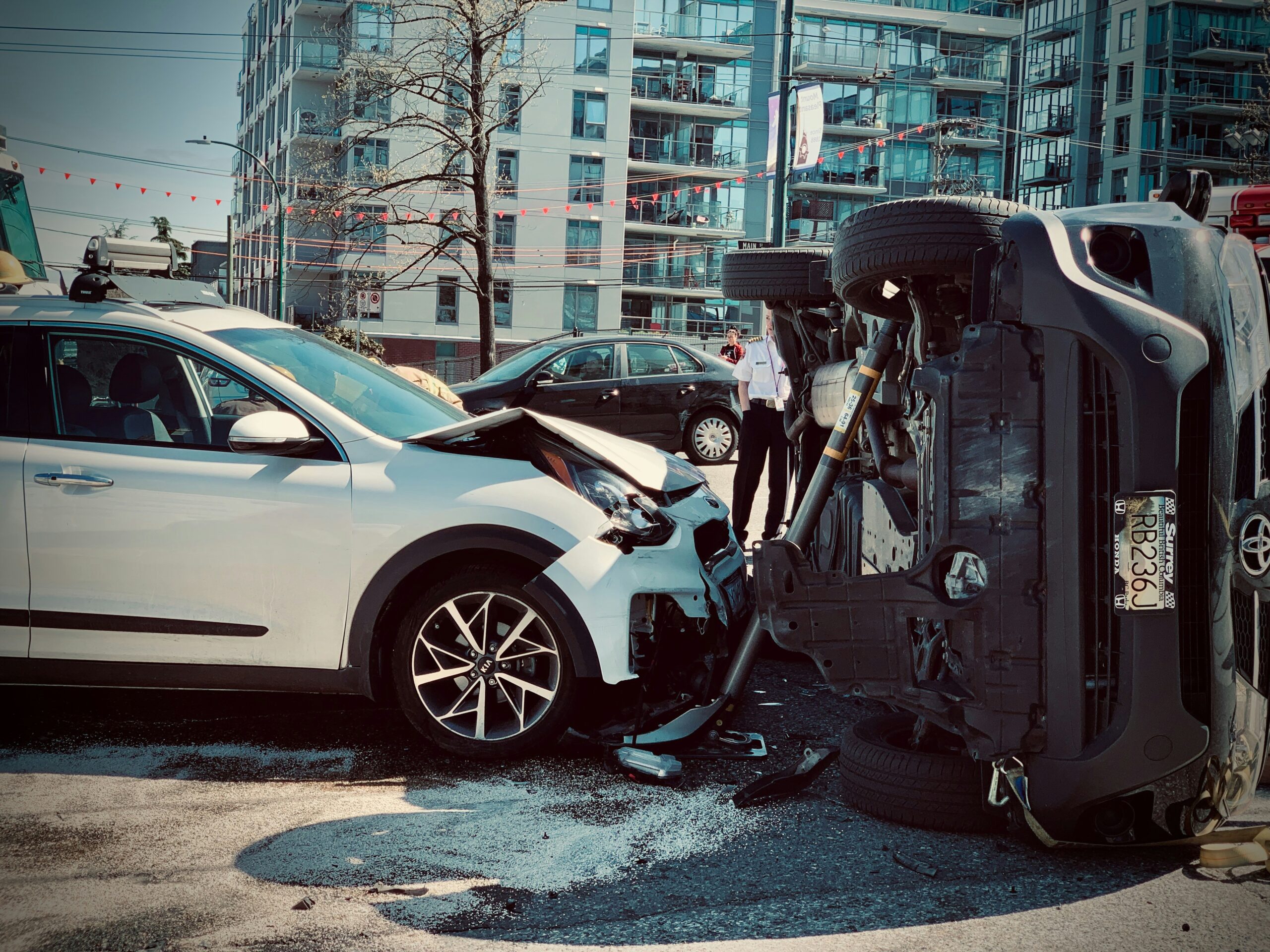
When a traffic signal malfunction causes a car accident, fault may fall on a driver, a government agency, a private contractor, or a combination of them. The answer depends on what went wrong with the signal, who was responsible, and how each driver reacted.
These cases are more complex than typical crashes because a broken signal does not remove a driver’s duty to drive carefully. At the same time, the people who maintain the signal may share the blame if they ignored a known problem.
Signal failures are especially risky at the most dangerous road intersections, where heavy traffic and multiple turning lanes leave little room for error.
Understanding how fault is divided helps injured drivers know where a claim may lead.
Common Types of Signal Malfunctions
The type of malfunction often shapes how fault is assigned.
Typical problems include:
- Dark signals during a power outage
- Lights stuck on red or green in one direction
- Conflicting green lights shown to crossing traffic
- Timing errors that shorten yellow lights
- Damaged or turned signal heads that face the wrong lane
A conflicting green point strongly points to equipment failure, while a dark signal puts more responsibility on drivers.
Drivers Still Have Legal Duties
A broken light does not give anyone the right of way. Most states require drivers to treat a dark signal like an all-way stop.
For example, California Vehicle Code § 21800(d) requires drivers to stop at an intersection with an inoperative signal and proceed with caution only when safe. When two vehicles arrive at the same time, the driver on the left must generally yield to the driver on the right.
A driver who speeds through a dark intersection may be found partly or fully at fault, even though the signal created the risk.
Who Else Can Be Held Responsible?
Several other parties may share liability, and each faces different legal rules.
Government Agencies
Cities, counties, and states usually own and maintain traffic signals. An agency may be liable if it knew or should have known about a malfunction and failed to fix it or warn drivers within a reasonable time.
Private Contractors
Many agencies hire private companies to install, program, or repair signals. A contractor that made a wiring or timing error can face a standard negligence claim.
Equipment Manufacturers
If a controller or other part was defective, the manufacturer may face a product liability claim. These cases often require expert analysis of the equipment.
Special Rules for Claims Against the Government
Suing a public agency is different from suing a private driver. Government immunity laws limit when and how these claims can be filed.
Many states require a formal notice of claim within a short period after the crash, sometimes only a few months. Missing it can end the claim entirely. Some states also cap the damages that a public agency must pay.
Evidence Challenges in Signal Cases
Proving a malfunction can be difficult, because signals are often repaired soon after a crash. Maintenance logs, citizen complaints, and controller data can show how long the problem existed.
One federal law adds another hurdle. Under 23 U.S.C. § 407, formerly § 409, certain safety reports and data gathered for federal highway safety programs cannot be used as evidence in damage lawsuits. Injured drivers may need other records to prove the agency knew about the problem.
What to Do After a Crash at a Broken Signal
Early action can protect evidence that may disappear once the signal is fixed. These steps focus on the malfunction itself:
- Record video of the signal showing exactly how it was behaving.
- Note the time, location, and direction each driver was traveling.
- Ask witnesses what the signal showed before the crash.
- Request the police report and confirm the malfunction is listed.
- Check the deadline for filing a notice of claim with the agency.
Takeaways
- Drivers, agencies, contractors, and manufacturers may share fault.
- Most states treat a dark signal like an all-way stop.
- Agencies are often liable only if they knew about the problem.
- Claims against the government have strict notice deadlines.
- Federal law blocks some highway safety data from use in court.
- Video and witness accounts of the signal are key evidence.