
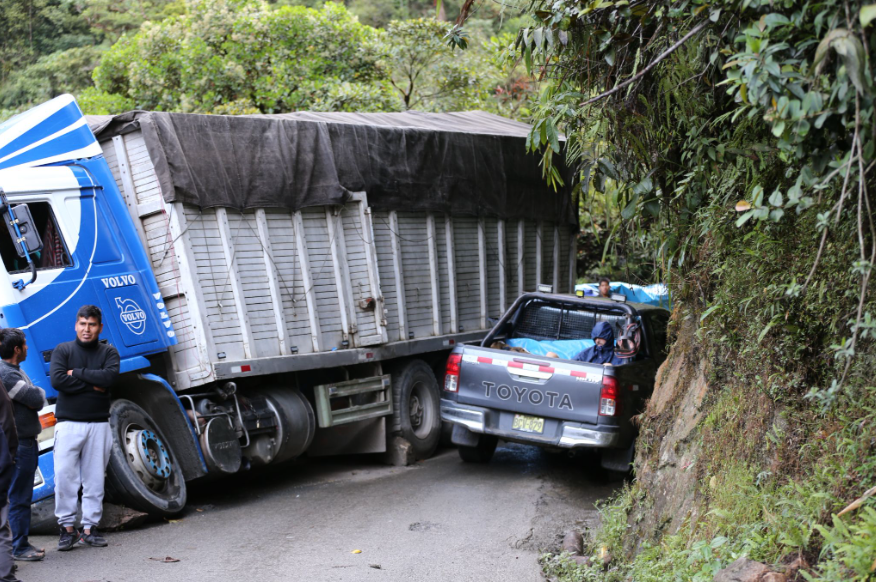
A truck can fill one lane while hiding much of the traffic moving beside it. Those hidden areas create a difficult problem after a crash because the first person blamed may not be the only one involved.
Large trucks have wide blind spots, yet drivers, trucking companies, maintenance crews, and nearby motorists can each affect what happens on the road. Deciding who may be liable for a truck blind spot accident often depends on evidence from several directions.
Looking closely at every possible source of fault can reveal a far more complicated picture than the crash scene may first suggest.
1. The Truck Driver
Truck drivers operate vehicles that are much larger and heavier than ordinary cars. Their mirrors can reduce blind areas, but they cannot remove every hidden space around a truck. Drivers still need to watch surrounding traffic carefully before changing lanes, turning, merging, or moving through crowded roads.
A driver’s actions may become important if the truck moves into another lane without enough care. Investigators may review signals, speed, braking, mirror use, and the position of nearby vehicles. Distraction or tired driving may also matter. Camera footage, witness accounts, electronic records, and physical damage can help show whether the driver’s actions contributed to the collision.
2. The Trucking Company
Responsibility may reach beyond the person sitting behind the wheel. Trucking companies often control driver hiring, training, work schedules, and safety practices. Problems in these areas can become part of an accident investigation.
Records may show whether a driver received suitable training for checking blind areas or using safety equipment. Work schedules may also be reviewed if tiredness appears to have affected driving. Company policies, inspection records, and safety documents can provide useful information. These records help investigators examine whether company practices had any connection to the conditions that led to the crash.
3. Another Driver on the Road
A smaller vehicle can disappear from a truck driver’s view, especially along the sides and close to the rear of a trailer. Still, the presence of a blind spot does not automatically place all responsibility on the truck driver.
The actions of another motorist may also be examined. A car could change lanes suddenly, pass in an unsafe position, follow too closely, or remain beside a truck as traffic conditions change. Evidence may sometimes show that both drivers contributed to the collision. This makes the facts surrounding each driver’s movements especially important when responsibility is being reviewed.
4. The Company Responsible for Truck Maintenance
Modern trucks may use mirrors, cameras, sensors, lights, and warning systems to help drivers notice nearby traffic. These features are useful only when they work as intended.
Maintenance records can become important if a mirror was damaged, a camera stopped working, or another safety feature was left unrepaired. Investigators may review inspection reports, repair records, and earlier complaints about the equipment. A maintenance provider could become part of the wider investigation if poor repair work left an important safety feature unusable. Its role would depend on the specific facts and available records.
5. A Vehicle or Parts Manufacturer
Sometimes a safety problem may begin with the equipment itself rather than poor maintenance. A mirror, camera, sensor, or warning system could fail to perform as expected because of a possible product problem.
Technical inspections can help determine whether equipment worked properly before the collision. Recalls, service notices, and reports involving similar parts may provide more information. A faulty component does not automatically make its manufacturer responsible for a crash. Specialists may need to examine the part, its condition, vehicle records, and other evidence before reaching a reliable conclusion about its possible role.
How Shared Fault Can Affect an Accident Claim?
Truck blind spot crashes can produce very different accounts of the same event. One driver may report that the truck changed lanes without warning, while another may say the smaller vehicle moved into an unsafe position.
Investigators may compare vehicle damage, road marks, video footage, electronic truck data, driver logs, phone records, and witness statements. Together, these details can show whether several actions contributed to the collision. Because shared fault rules vary by location, legal help may be useful for reviewing the evidence, identifying the parties involved, and understanding how responsibility may affect the claim. Professional analysis can also help ensure the facts are examined in the right legal context.
Looking Beyond One Driver for the Full Picture
Blind spot collisions are rarely explained by vehicle size alone. The truck driver’s choices matter, but company practices, maintenance work, safety equipment, and the actions of surrounding motorists may matter as well. Evidence helps separate quick assumptions from events that records can actually support.
Determining who may be liable for a truck blind spot accident therefore requires looking beyond one driver or one mistake. Each possible party can have a different role, and each record can add another useful detail. A careful review of the available evidence provides a clearer picture of how responsibility may be divided among those connected to the collision.