A large blank wall can make an otherwise finished room feel like a waiting area. The furniture is in place and the rug is down, yet one stretch of plain paint keeps drawing the eye for the wrong reason.
Most attempts to fix it fail in the same way: a few small frames get hung, and the wall looks even bigger. Learning how to decorate a large blank wall with art comes down to three decisions, which are scale, arrangement, and placement.
Why Large Blank Walls Are Hard to Get Right
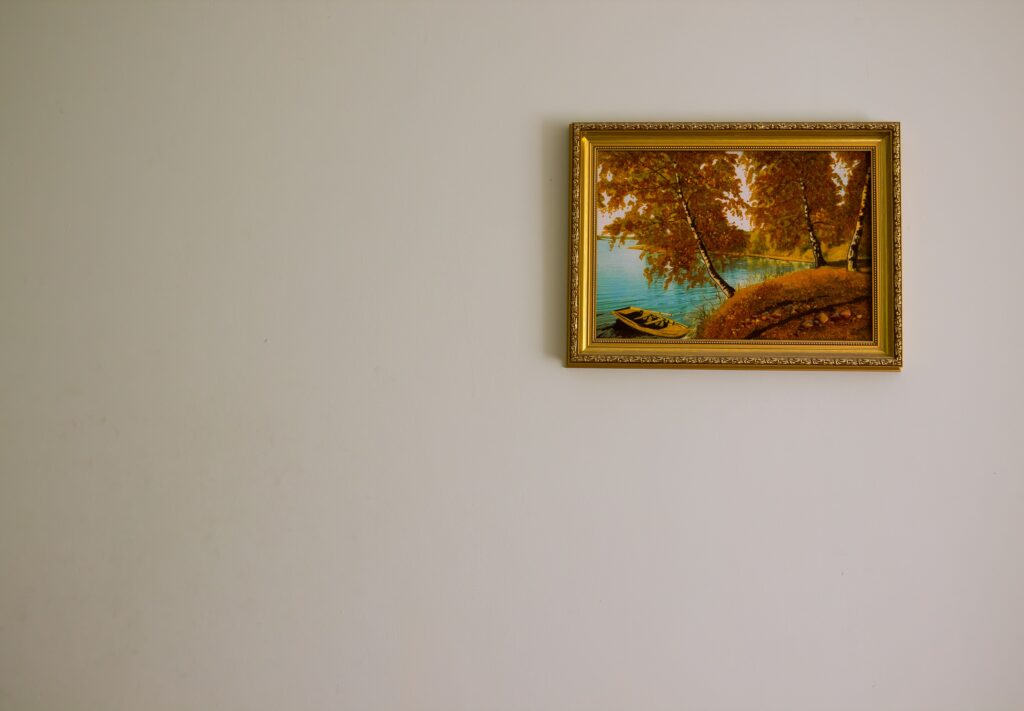 Image: Romka / Pexels
A large wall has no natural anchor. Without a clear focal point, the eye moves across the surface without stopping, and the room feels unbalanced even when everything else is well chosen.
The common response is to hang whatever is already in the house. Artwork sized for a small bedroom wall rarely holds its own across ten or twelve feet of open space, so it reads as an afterthought.
The effort is worth it. In a brain-imaging study published in PLOS ONE, researchers Tomohiro Ishizu and Semir Zeki found that looking at paintings people rated as beautiful was linked to activity in the medial orbitofrontal cortex, an area associated with pleasure and reward.
A large wall is the biggest surface in most rooms, which makes it the best opportunity to show work that actually matters to the people who live there. It is also one of the clearest ways to build a home that tells your own story rather than one that looks like a showroom.
Measure the Wall Before Choosing Any Art
Measuring first prevents the most common large-wall mistake, which is buying art that is too small. A tape measure and a few minutes of arithmetic will narrow the options considerably.
Use the Two-Thirds Rule Above Furniture
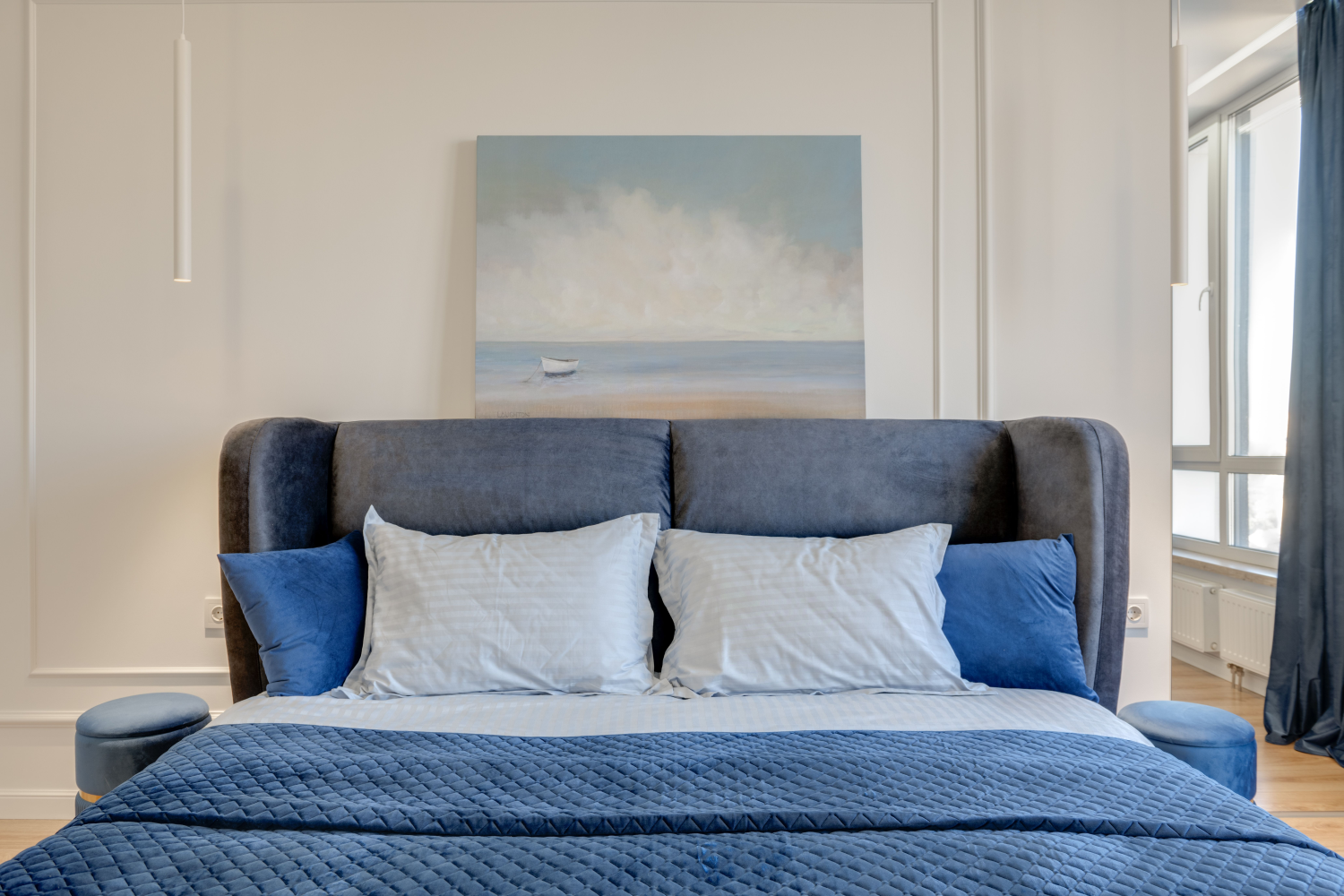
When art hangs above a sofa, bed, console, or sideboard, the furniture sets the scale. The art, or the full arrangement, should span roughly two-thirds to three-quarters of the furniture’s width.
An 84-inch sofa therefore calls for art between about 56 and 63 inches wide. A 60-inch queen headboard suits art between about 40 and 45 inches wide.
Fill 60 to 75 Percent of a Standalone Wall
When nothing sits in front of the wall, measure the usable width instead. Subtract any space taken by doorways, windows, or corners that will stay clear.
The art should then cover about 60 to 75 percent of that width. Less than half tends to look lost, while anything close to edge-to-edge can make the wall feel crowded.
Sizing Examples for Common Wall Widths
The figures below apply the 60 to 75 percent guideline to typical open wall widths. They are starting points, not strict rules.
| Usable wall width | Target art width | Layouts that usually work |
| 8 feet (96 inches) | 58 to 72 inches | One large piece or a diptych |
| 10 feet (120 inches) | 72 to 90 inches | One oversized piece or a triptych |
| 12 feet (144 inches) | 86 to 108 inches | Triptych or a grid gallery wall |
| 14 feet or more (168+ inches) | 100 to 126 inches | Gallery wall or two large pieces side by side |
Height matters as well. On a standard 8-foot ceiling, a piece taller than about 40 inches can start to feel cramped once it is hung at eye level, so wide formats often suit these rooms better than tall ones.
Choose an Arrangement That Suits the Wall
With a target width in hand, the next decision is how to fill it. Most successful large walls use one of four approaches.
One Oversized Statement Piece
A single large artwork is the simplest and calmest option. It works especially well in minimal rooms, rooms with high ceilings, and spaces where several other surfaces already carry pattern.
It also creates a focal point without much effort, a principle that applies to furniture as much as art. The same thinking appears in advice on mixing modern and vintage furniture, where one strong piece leads and the others support it.
Finding art at the right scale used to require custom commissions or expensive gallery pieces. Ready-made oversized canvases are now easier to find, and collections such as Crib of Art’s XL+ paintings include sizes like 48 x 32, 56 x 28, and 60 x 40 inches, which covers most sofa and bed walls in a single piece.
Diptychs and Triptychs
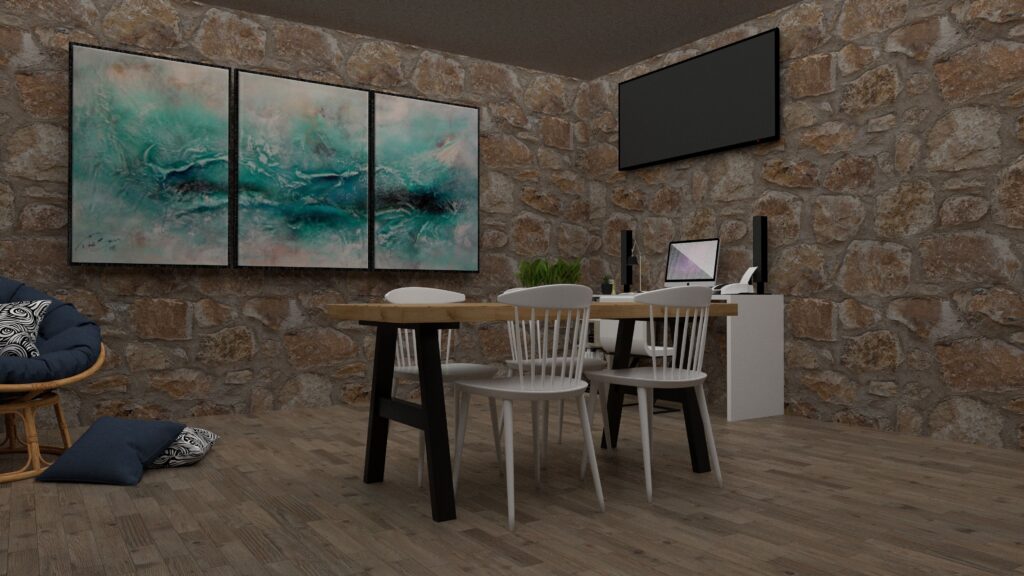 Image: Pușcaș Adryan / Pexels
Two or three panels that form one image spread across a wide wall without the weight of a single huge canvas. They are also easier to carry, ship, and hang.
The gaps between panels matter. Two to four inches usually keeps them reading as one composition, while wider spacing breaks the image into separate pieces.
A Gallery Wall With a Clear System
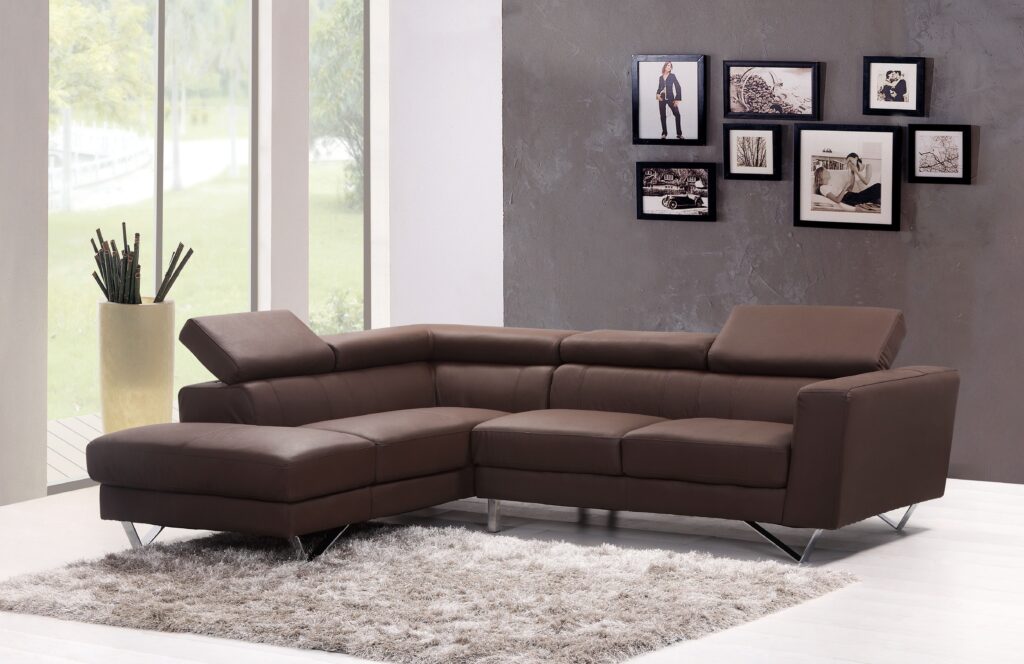 Image: Pixabay / Pexels
A gallery wall can fill a large surface with many smaller works, but it needs rules to avoid looking random. Limiting the arrangement to one or two frame finishes and keeping the spacing consistent, often about two inches, holds the group together.
A grid of identical frames suits modern rooms and long walls above dining tables. A centre-anchor cluster, with one larger piece in the middle and smaller ones balanced around it, feels more relaxed and suits living rooms and stairways.
Cutting paper templates to the size of each frame and taping them to the wall first shows how the arrangement will look before any holes are drilled.
Mirrors, Textiles, and Ledges
Art does not have to carry the wall alone. A large mirror can anchor one side of an arrangement and reflect light back into a dim room, while a woven wall hanging adds texture that framed work cannot.
Picture ledges allow frames to be layered and swapped without new holes. They also suit people who make their own work, since pieces from projects such as DIY mixed media art can rotate onto the wall as they are finished.
Match the Art to How the Wall Is Seen
Most guides size art only to the wall itself. The distance from which people usually see that wall matters just as much.
Long Sightlines Favour Bold Images
Walls seen from across an open-plan room, from a doorway, or from the far end of a hallway are viewed from 15 feet or more. Fine detail disappears at that distance.
Bold shapes, strong colour contrast, and simple compositions read clearly from far away. Large abstracts, graphic prints, and landscapes with a clear horizon line tend to work well here.
Close-Range Walls Reward Detail
A dining room wall seen from a chair a few feet away, or a narrow hallway walked past at arm’s length, is a different situation. Visitors will notice brushwork, texture, and small elements.
These walls suit detailed paintings, photography, and gallery walls that invite a closer look. A bold, simple piece can still work, but detailed work will hold attention longer.
Tie the Art to the Room’s Colour and Style
Large art covers enough area to change how a room’s colours feel. Pulling two or three colours from the existing furniture, rug, or textiles into the artwork connects the wall to everything around it.
Contrast also helps. Dark art on a pale wall, or light art on a deep wall colour, gives the piece a clear edge, while art that closely matches the wall tends to fade into it.
Wall colour itself is part of the decision. Many of the same principles behind interior painting choices for small rooms, such as balance and cohesion, apply when choosing a backdrop for large artwork.
Large Wall Ideas Room by Room
The function of a room should influence the art as much as the size of the wall.
Living Room
The living room wall behind the sofa is the most common large blank wall. A single oversized piece or a triptych sized with the two-thirds rule usually works best, since this wall is often seen from across the room.
For anyone planning bigger changes, the art can be chosen alongside layout and furniture decisions as part of redesigning a whole living room, rather than added at the end.
Bedroom
Bedroom walls benefit from calm, restful images. A wide landscape or soft abstract above the headboard suits the space, and the bottom edge should sit high enough that it is not bumped when sitting up in bed.
Dining Room
Dining walls are viewed from a seated position at close range, so they suit detailed work or a tidy grid of matching frames. Art should also sit clear of any sideboard items, such as lamps or serving pieces.
Entryways, Stairwells, and Double-Height Walls
Stairwell art should follow the angle of the stairs, keeping a consistent height above each step rather than a single horizontal line. A diagonal gallery wall works well here.
Double-height walls are the hardest to fill. A tall vertical piece, a stacked pair of large works, or a gallery wall that climbs toward the ceiling can all work, as long as the lowest piece still sits near eye level.
Hang Oversized Art Safely and at the Right Height
Oversized art can be heavy and awkward. Hanging it correctly protects both the artwork and the people below it.
Get the Height Right
The usual guideline is to place the centre of the artwork, or the centre of the whole arrangement, about 57 to 60 inches from the floor. Many galleries use this figure because it matches average standing eye level.
Above furniture, the bottom edge of the art should sit about 8 to 10 inches above the top of the sofa back or headboard. This keeps the art and furniture connected visually.
Support the Weight
Large canvases and framed pieces can weigh far more than they appear. Wall studs, which in most North American homes sit 16 inches apart, provide the most secure anchor point.
When studs are not in the right place, wall anchors rated well above the weight of the artwork are necessary. A French cleat, made of two interlocking strips cut at an angle, spreads the load and keeps wide pieces level. Two hooks rather than one also prevents tilting.
Plan for Light, Heat, and Vents
Placement affects how long artwork lasts. The Library of Congress advises keeping works on paper away from direct or intense light and at a distance from radiators and vents, which is sensible guidance for prints and paintings as well.
A wall that gets strong afternoon sun may be better suited to a mirror or a textile than to a valuable print. Artificial lighting can then do the job of showing the art off, whether that is a picture light, a pair of sconces, or LED strip lights for decorative applications mounted above a ledge.
Common Mistakes on Large Blank Walls
Several errors appear again and again on large walls, and most are easy to avoid.
Choosing art that is too small is the most frequent. A piece that looked large in a shop or online often looks modest once it is on a 12-foot wall.
Hanging art too high is a close second. Art placed near the ceiling disconnects from the furniture and the people in the room.
Other common problems include mixing too many frame styles, using uneven spacing in gallery walls, and filling every inch of wall. Leaving some space around the arrangement allows it to stand out.
Finally, ignoring the furniture below the wall leads to art that feels unrelated to the room. The art and the furniture should look like they were chosen together.
Frequently Asked Questions
How do you fill a large blank wall?
Fill a large blank wall with one oversized artwork, a diptych or triptych, or a gallery wall that covers about 60 to 75 percent of the usable wall width. Measure first so the art suits the space. Mirrors, wall hangings, and picture ledges can supplement the art where needed.
What size art should go on a large wall?
Art on a large wall should cover roughly 60 to 75 percent of the open wall width. Above furniture, aim for about two-thirds to three-quarters of the furniture’s width instead. On a 10-foot wall, that means art or an arrangement about 72 to 90 inches wide.
Is one large piece better than several small ones on a big wall?
One large piece is usually better for minimal rooms, high ceilings, and walls seen from a distance. Several smaller pieces in a gallery wall suit rooms where people view the wall up close, or where the goal is to display a collection. Both work when the overall arrangement is sized correctly.
How high should art be hung on a large wall?
Hang art so its centre sits about 57 to 60 inches from the floor. For a gallery wall, apply the same measurement to the centre of the whole arrangement. This keeps the art at standing eye level even on tall walls.
How far above a sofa should art be hung?
Art should be hung so its bottom edge sits about 8 to 10 inches above the top of the sofa back. Any higher and the art can look disconnected from the furniture. Any lower and it may get bumped by people sitting down.
How much space should be left between frames on a gallery wall?
Leave about 2 to 3 inches between frames on most gallery walls. Panels of a diptych or triptych usually look best with 2 to 4 inches between them. Keeping the spacing consistent matters more than the exact figure.
What can go on a large wall besides art?
Large mirrors, woven wall hangings, picture ledges, shelving, and wall-mounted planters can all fill a large wall. Paint techniques, wallpaper, and wall panelling are other options. Many of these work best combined with at least one piece of art.
How can a large wall be decorated on a budget?
A large wall can be decorated affordably with poster-size prints in simple frames, thrifted frames painted one colour, or a single large canvas instead of many framed pieces. Fabric hung from a wooden dowel also covers a lot of space for little money. Buying one quality focal piece and adding to it over time spreads the cost.
Can renters decorate a large wall without damaging it?
Renters can decorate large walls with adhesive hanging strips rated for the artwork’s weight, leaning art on a long console or floor, and lightweight textiles on removable hooks. Picture ledges need only a few screw holes but hold many pieces. Checking the lease before drilling is always wise.
How do you hang heavy oversized art safely?
Heavy oversized art should be hung on wall studs where possible, or on anchors rated well above its weight. A French cleat or two hooks spread the load and keep the piece level. For very heavy pieces, a second person makes the job safer.
Conclusion
A large blank wall mostly needs the right scale. Measuring the wall, choosing an arrangement that suits how the room is used, and hanging the art at the right height and with proper support will turn the emptiest wall in the house into the one people notice first. Starting with one well-sized piece is often enough, and the rest of the wall can grow from there.