Mixing Modern and Vintage Furniture: Creating a Balanced Interior With Character and Style

by | Oct 13, 2026 | How To | 0 comments

A home feels more personal when its furnishings reflect different influences, memories, and design preferences. Combining modern and vintage furniture allows homeowners to create interiors that feel collected rather than purchased all at once. However, mixing styles successfully requires attention to proportion, materials, and visual balance.

Modern furniture often features streamlined shapes, simple finishes, and understated details. Vintage pieces may introduce decorative craftsmanship, distinctive silhouettes, and materials associated with earlier design periods. Bringing these elements together can create an appealing contrast, provided each piece contributes to the room’s overall character.

A thoughtful Furniture Store visit can help homeowners identify contemporary pieces that complement existing vintage furnishings. Whats New Furniture offers shoppers an opportunity to compare different silhouettes, finishes, and furniture proportions. Understanding how contrasting styles interact makes it easier to create cohesive interiors without sacrificing individuality.

Understanding the Relationship Between Modern and Vintage Design

Modern and vintage furniture can complement each other because their differences create visual interest. The objective is establishing meaningful connections rather than forcing every piece into one decorative category.

Recognizing Distinctive Design Features

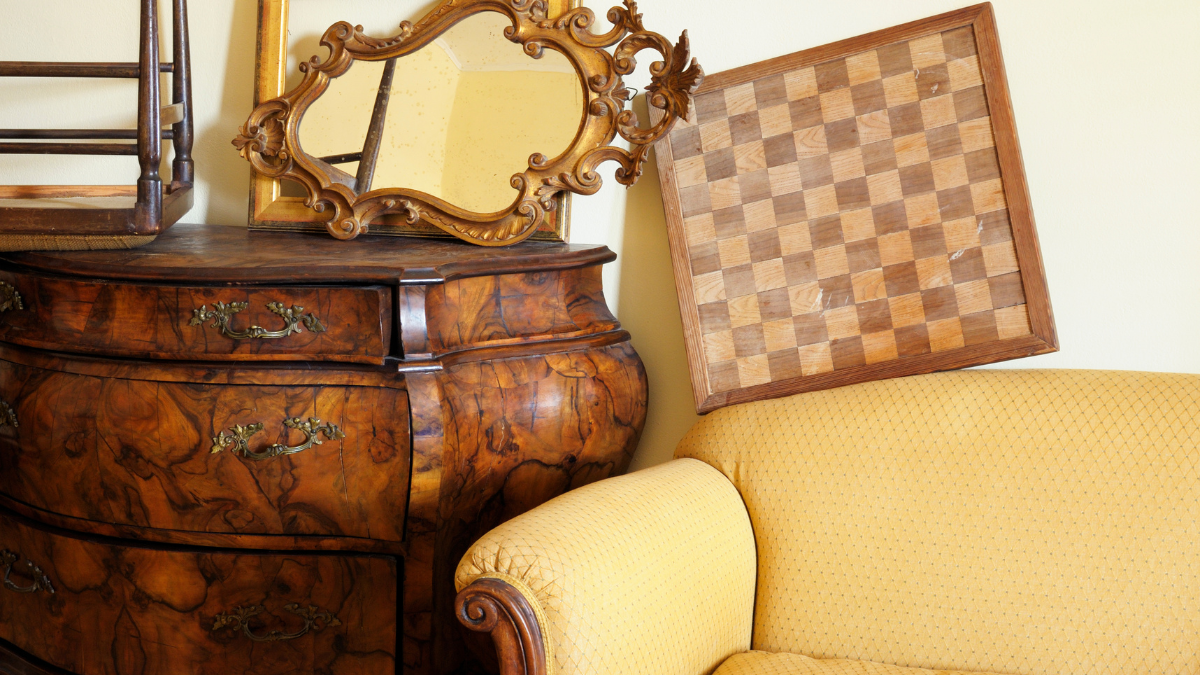
Modern furniture commonly emphasizes clean lines, practical forms, and restrained ornamentation. Vintage furniture may feature carved details, curved profiles, decorative hardware, or recognizable historical influences.

These characteristics create opportunities for contrast. A contemporary sofa, for example, may look appealing beside an antique wooden side table.

The combination works best when the pieces share compatible proportions or complementary materials.

Finding Common Design Elements

Furniture does not need matching construction periods to appear coordinated. Similar wood tones, repeated shapes, or related upholstery colors can establish visual continuity.

Homeowners should identify these connections before introducing additional furnishings.

A shared design element can make contrasting pieces feel intentional rather than unrelated.

Start With a Clear Interior Design Direction

Combining furniture styles becomes easier when homeowners establish the atmosphere they want to create. A room can feel relaxed, sophisticated, traditional, or contemporary while incorporating pieces from different periods.

Choose a Dominant Style

Selecting one dominant design direction provides a foundation for furniture decisions. A mostly modern living room might feature a vintage cabinet as its distinctive accent.

Alternatively, a traditional interior may benefit from contemporary seating that introduces simpler shapes.

Neither approach requires rigid rules. The dominant style simply provides consistency while allowing selected pieces to stand apart.

Avoid Competing Statement Pieces

Distinctive furniture can attract attention through size, color, shape, or decorative detailing. Introducing several dramatic pieces without considering their relationship may overwhelm a room.

Homeowners should identify which furnishing deserves the strongest visual emphasis.

Supporting furniture can then complement that feature without competing for attention.

Balance Furniture Proportions and Visual Weight

Furniture proportions influence whether mixed styles appear harmonious. Pieces from different periods may have noticeably different dimensions and structural profiles.

Compare Height and Scale

A substantial antique cabinet can appear imposing beside extremely delicate contemporary furniture. Similarly, an oversized modern sectional may overwhelm smaller vintage chairs.

Homeowners should compare overall dimensions before purchasing additional pieces.

The goal is not identical sizing but a comfortable relationship between furnishings.

Distribute Visual Weight Carefully

Dark finishes, substantial frames, and intricate details often create a stronger visual presence. Lighter colors and open silhouettes may appear less dominant.

Balancing these characteristics across the room helps prevent one area from feeling crowded.

Whats New Furniture can be considered when comparing contemporary furniture dimensions with vintage pieces already owned.

Connect Different Styles Through Color

Color provides a practical way to coordinate furniture from different design periods. A consistent palette can make contrasting silhouettes feel connected.

Establish a Simple Color Foundation

Neutral walls and major furnishings can provide flexibility when introducing distinctive vintage pieces. However, neutral interiors are not necessary for successful combinations.

Homeowners may instead repeat selected colors across upholstery, accessories, and decorative details.

A limited palette creates relationships without requiring identical furniture finishes.

Use Accent Colors With Purpose

Vintage furniture sometimes features unusual upholstery colors or decorative finishes. Repeating a related shade elsewhere can help integrate the piece.

The repetition should remain subtle rather than becoming excessive.

Small connections often provide enough continuity to make the arrangement feel deliberate.

Combine Wood, Metal, and Upholstery Thoughtfully

Materials contribute texture and character to mixed-style interiors. Different finishes can coexist successfully when their relationships are considered.

Mixing Different Wood Finishes

Matching every wooden surface is unnecessary. Contrasting wood tones can add depth when their overall warmth and intensity feel compatible.

Homeowners should compare samples under the room’s actual lighting conditions.

Strong contrasts may work well, but numerous unrelated finishes can create visual confusion.

Introducing Contemporary Materials

Metal, glass, and streamlined upholstery can provide contrast beside older wooden furnishings. A modern glass table may create visual lightness near substantial vintage seating.

Material combinations should still support everyday function.

Durability, cleaning requirements, and household routines remain relevant alongside appearance.

Give Vintage Furniture a Meaningful Role

Vintage furniture often carries distinctive craftsmanship or personal history. Its placement should reflect both its character and practical usefulness.

Create a Focal Point

An antique dresser, carved cabinet, or distinctive chair can become a room’s focal point. Surrounding it with simpler furniture allows its details to remain visible.

Homeowners should avoid placing statement pieces where they interrupt circulation.

An effective focal point contributes character without dominating the entire interior.

Repurpose Furniture Carefully

Some vintage pieces can serve functions different from their original purposes. A small cabinet might provide entryway storage, while an older table could become a decorative display surface.

However, modifications should consider structural condition and potential historical value.

Significant alterations may be inappropriate for valuable or fragile antiques.

Prevent Mixed Styles From Looking Disconnected

An eclectic interior should feel collected, not accidental. Coordination depends on thoughtful placement and consistent design decisions.

Repeat Shapes and Textures

Curved vintage chair backs may complement a modern table with rounded edges. Similarly, repeated upholstery textures can connect furnishings with different silhouettes.

These relationships do not need to be immediately obvious.

Subtle repetition creates visual continuity while preserving individuality.

Leave Space Around Distinctive Pieces

Crowding furniture together can make contrasting styles appear chaotic. Open space allows individual pieces to be appreciated without excessive visual competition.

Homeowners should evaluate pathways and surrounding furniture before adding another accent.

A Furniture Store comparison can help identify appropriately scaled additions instead of unnecessary decorative purchases.

Make Practical Comfort Part of the Design

An attractive room must also support daily activities. Vintage furniture may have different seating dimensions, cushioning, or maintenance requirements from contemporary alternatives.

Evaluate Function Before Appearance

An antique chair may look beautiful but provide limited comfort for extended sitting. A modern sofa might therefore serve as primary seating while the vintage chair functions as an occasional accent.

Homeowners should assign furniture roles according to realistic use.

Design character should enhance everyday living rather than create avoidable inconvenience.

Consider Maintenance Differences

Older furniture may require specialized cleaning or careful handling. Contemporary materials can have their own care requirements.

Homeowners should understand these differences before combining pieces in heavily used spaces.

Maintenance expectations help determine which furnishings belong in particular rooms.

Create a Home That Reflects Personal Style

Successful interiors do not depend on purchasing furniture from a single collection or historical period. Modern and vintage pieces can work together when homeowners consider scale, color, materials, and function.

Whats New Furniture may be explored when selecting contemporary furnishings to complement existing vintage collections. Comparing proportions and finishes helps shoppers make decisions that support a consistent interior direction.

The most appealing combinations feel natural rather than overly coordinated. By allowing contrasting pieces to share thoughtful visual connections, homeowners can create comfortable spaces that express personal character while remaining practical for everyday life.
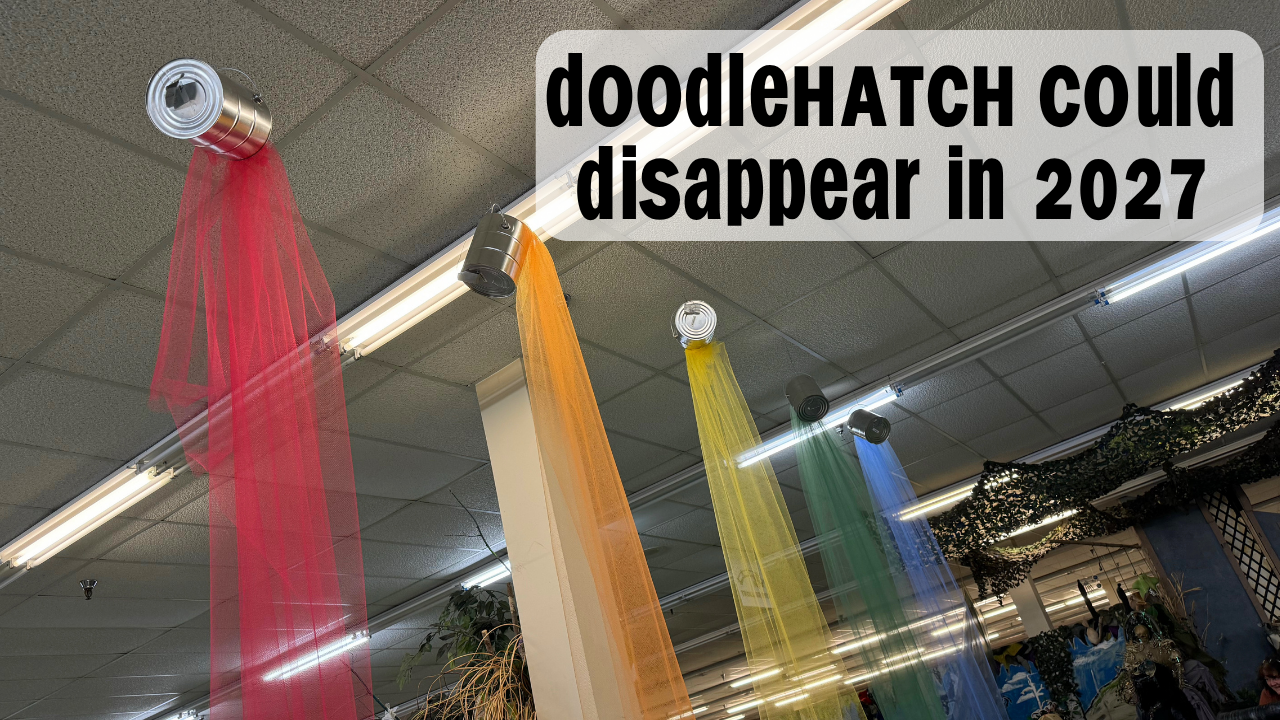
In Columbia, Maryland, there’s a former grocery store that has been transformed into a department store for mythical creatures, time travelers, and intergalactic tourists.

It’s called DoodleHATCH.

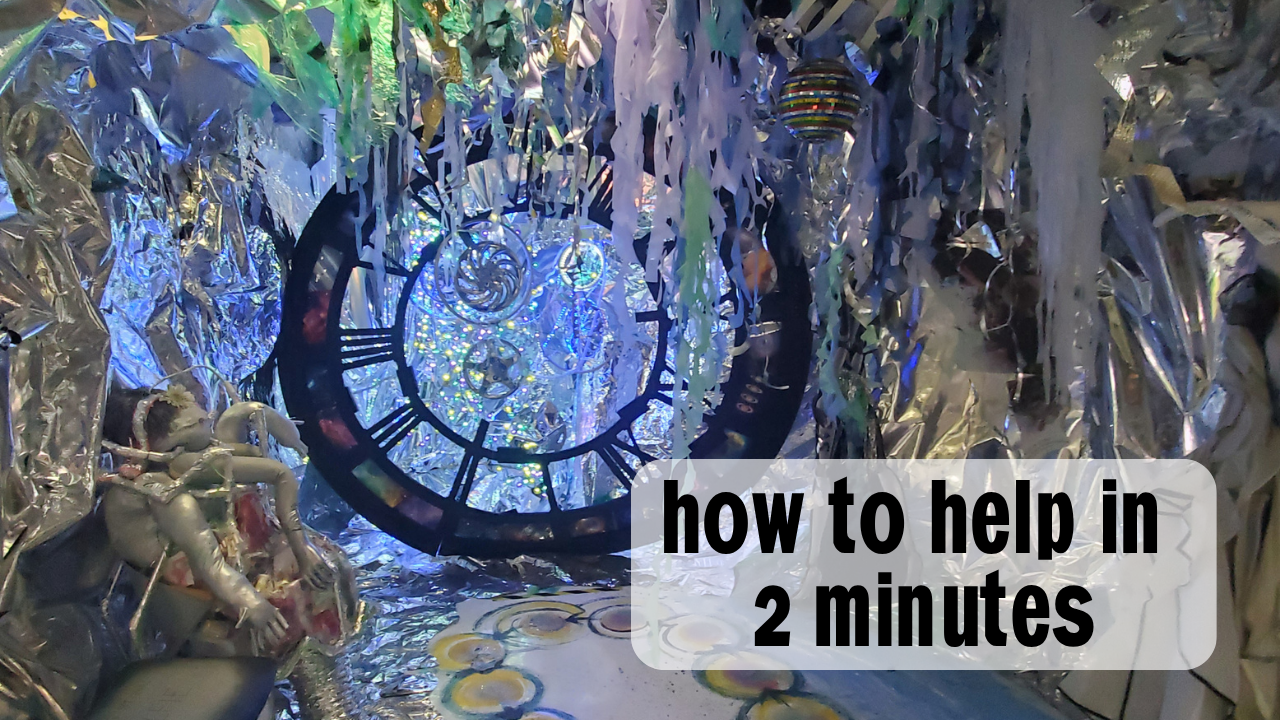
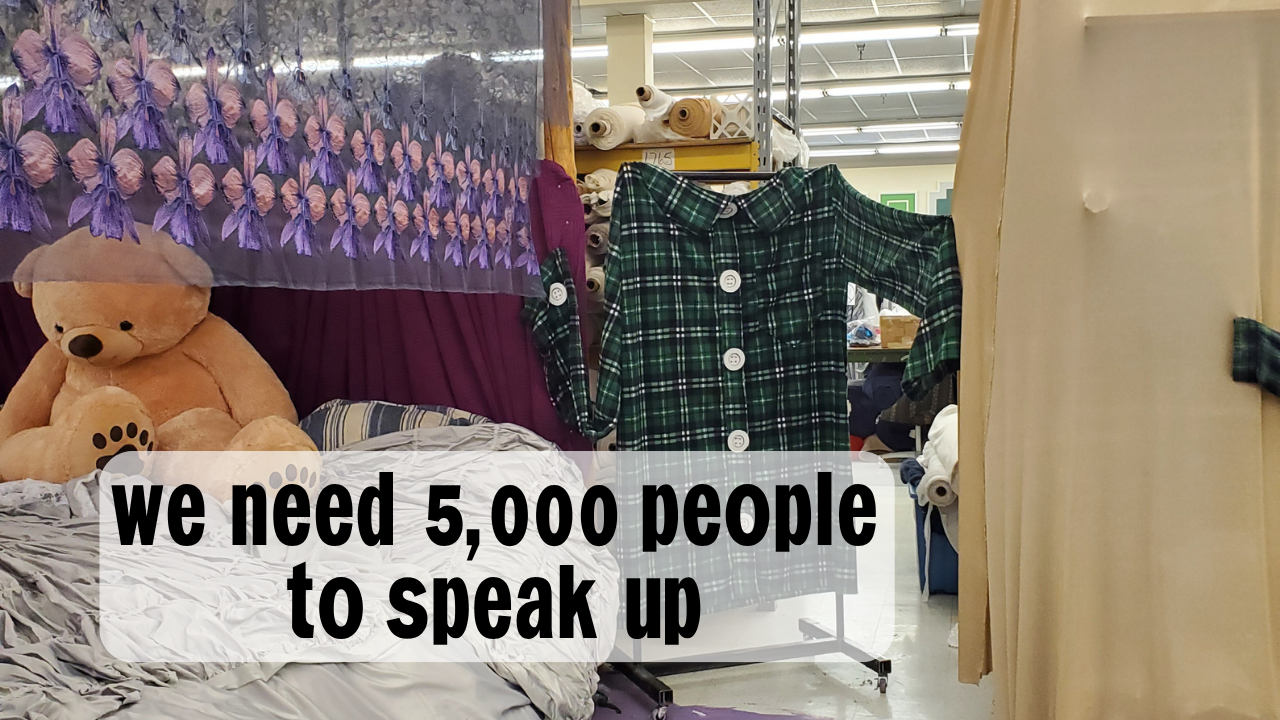
You can groom a unicorn, visit an intergalactic space station, climb onto a giant’s bed, meet guinea pigs, explore an artist’s studio, and discover approximately a million other things that somebody actually sat down and made.

It’s a nonprofit interactive art museum, a community project, an educational resource, and one of my favorite places I’ve ever discovered.

And it could be demolished as part of a proposed redevelopment of the Long Reach Village Center.

But there’s still an opportunity to help.

You don’t need to donate money. You don’t need to live in Maryland. And you don’t need to know anything about zoning laws.

You can start by writing an email.

🚨 Here's what's happening

Developer Columbia Concepts has proposed redeveloping the Long Reach Village Center in Columbia, Maryland.

The proposal would replace existing buildings with new housing, recreational facilities, and other development.

Unfortunately, that puts a whole collection of existing community resources at risk of being demolished, including:

  • DoodleHATCH Interactive Art Museum
  • Maryland Fashion Institute
  • A makerspace used for community education
  • Local restaurants, shops, and service businesses
  • Early childhood education and community programs
  • A 140-foot-long mural created by approximately 100 community members

This isn’t just about losing a fabulous museum. It’s about losing an entire collection of places that people have built, supported, and relied on.

And there’s another possibility!

🌈 Meet The REALM

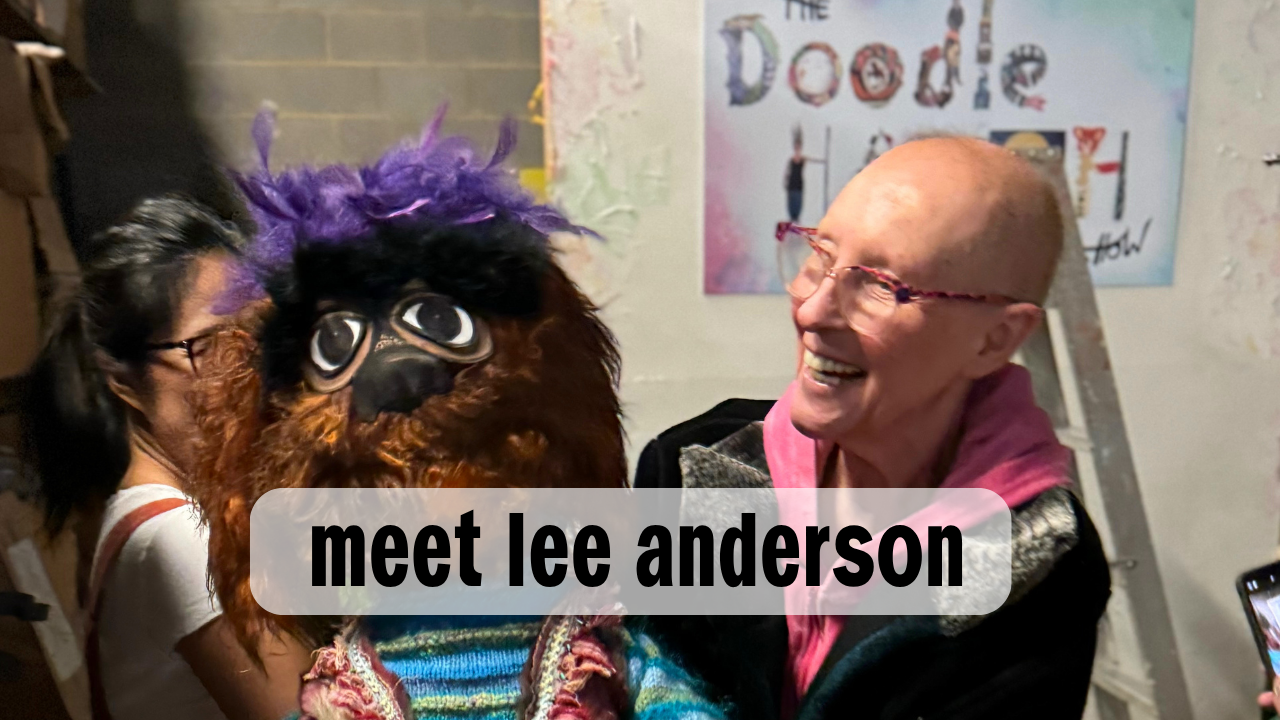
Lee Andersen, the founder of DoodleHATCH, and her nonprofit ManneqART want to preserve the existing community resources and transform the village center into an arts and culture destination called The REALM.

Imagine a place where artists have studios, children have room to explore, students can learn creative skills, people can attend performances, and local businesses continue serving their neighbors.

There are plans for a performing arts space, more opportunities for artists, and a Witches Kitchen that might serve you a horrible-disgusting breakfast.

Which, personally, I think sounds promising.

The people behind DoodleHATCH are gathering support to oppose the developer’s zoning proposal and advocate for The REALM.

And they’d love your help.

💌 How to help in about two minutes

If you live in Howard County, Maryland

If you’re 18 or older, DoodleHATCH is asking eligible county residents to visit the museum and sign their petition in person.

📍DoodleHATCH Interactive Art Museum

8775 Cloudleap Court, Unit 101
Columbia, MD 21045

⏱️ Museum hours: Friday–Sunday, 10 AM–5 PM.

And while you’re there, I highly recommend exploring the museum. Bring someone who needs a reminder that being an adult doesn’t mean you have to stop enjoying ridiculous things.

If you don't live in Howard County

You can still help!

DoodleHATCH is collecting emails from people who oppose the proposed Columbia Concepts redevelopment and support preserving the existing arts and community resources through The REALM.

Send your email to: Lilou@DoodleHATCH.com

Suggested subject: Support The REALM | Oppose Columbia Concepts Zoning Proposal ZB 1132M

You can write your own message or use one of the templates below.

You don’t need to write an essay. A short, genuine message explaining what you support and why is enough to participate in this email campaign.

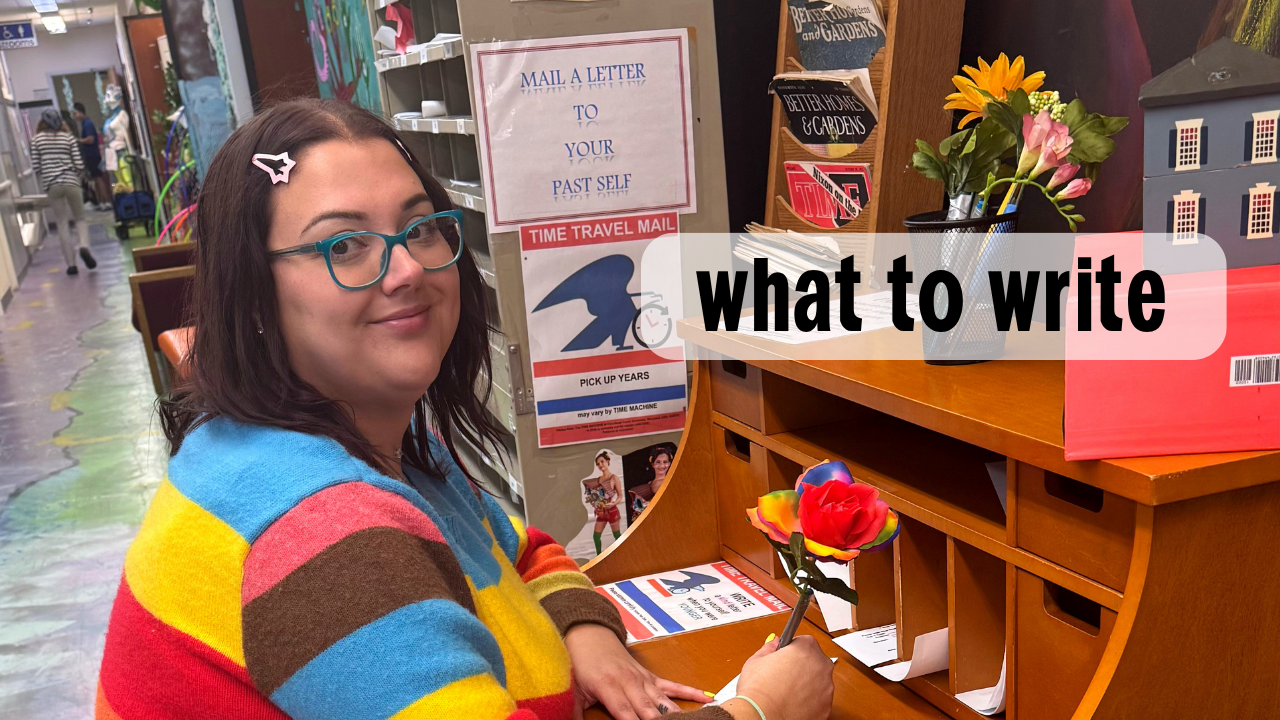
✍️ What should your email say?

To make your position clear, include these three things:

1. Say what you’re opposing.

State that you oppose the proposed Columbia Concepts redevelopment and zoning amendment for the Long Reach Village Center, case ZB 1132M.

2. Say what you’re supporting.

Express your support for preserving DoodleHATCH, the Maryland Fashion Institute, existing community resources, and the proposed arts and culture center called The REALM.

3. Explain why you care.

This is the part that makes your email yours.

Maybe you’ve visited DoodleHATCH. Maybe you’re a parent who wants more creative places for children. Maybe you’re an artist, an educator, or someone who thinks it’s important to protect the few spaces where people can explore and make things without needing to buy something.

Maybe you live across the country and just learned that there’s a department store for mythical creatures in Maryland, and you think the world would be a little less interesting without it.

That’s a perfectly good reason to care.

💌 Email templates you can copy

Option 1: Short, simple, and effective

Subject: Support The REALM | Oppose ZB 1132M

Hello,

I’m writing to express my opposition to the proposed Columbia Concepts zoning amendment and redevelopment of the Long Reach Village Center (ZB 1132M).

I support preserving DoodleHATCH, the Maryland Fashion Institute, and the existing community services and small businesses, as well as the proposal to create The REALM arts and culture center.

Creative and educational spaces like these provide valuable opportunities for families, artists, students, and the wider community. I believe they deserve to be protected.

Please include my email with the messages of support being collected for DoodleHATCH and The REALM.

Thank you,

[Your Name]
[Your City/State]

Option 2: For artists, creatives, and fellow merriment makers

Subject: Please Protect DoodleHATCH and Support The REALM

Hello,

I’m writing in opposition to Columbia Concepts’ proposed redevelopment and zoning amendment for the Long Reach Village Center (ZB 1132M), and in support of The REALM.

I believe communities need places where creativity, imagination, and play are actively encouraged.

DoodleHATCH is an extraordinary example of what can happen when artists and community members are given room to create something that doesn’t fit into an ordinary commercial space.

Places like this are rare. They encourage people of all ages to experiment, learn, explore, and connect with one another.

I support preserving DoodleHATCH, the Maryland Fashion Institute, the existing community resources, and the vision for The REALM.

Thank you for collecting these messages and advocating for the creative community.

[Your Name]
[Your City/State]

Option 3: For people who've visited DoodleHATCH

Subject: Please Save DoodleHATCH | Oppose ZB 1132M

Hello,

I’m writing to express my opposition to the proposed Columbia Concepts redevelopment and zoning amendment for the Long Reach Village Center (ZB 1132M), and my support for The REALM.

I’ve personally visited DoodleHATCH, and I want to share why I believe it’s worth preserving.

[Write two or three sentences about your experience. What did you see? Who did you bring? What surprised you? What made you want to return?]

DoodleHATCH is more than a collection of exhibits. It’s a place where creativity is something people can actively participate in, and I believe losing it would be a tremendous loss to the community.

I support preserving the museum, the Maryland Fashion Institute, and the other existing community resources through the proposed arts and culture center, The REALM.

Please include my email with the messages of support you’re collecting.

Thank you,

[Your Name]
[Your City/State]

A few tips before you hit send

DO:

  • Use your real name.

  • Include your city and state so organizers can understand where support is coming from.

  • Clearly identify the redevelopment proposal you’re opposing.

  • Specifically mention your support for The REALM.

  • Add a personal sentence or two if you can.

  • Be respectful, even if you’re frustrated.

  • Share this page with other people who might want to help.

DON’T:

  • Pretend to be a Howard County resident if you’re not.

  • Claim to have visited DoodleHATCH if you haven’t.

  • Make up experiences or information.

  • Send threatening, insulting, or harassing messages.

  • Assume your email is the same thing as signing the official petition.

  • Worry about making your message sound impressive. Clear and genuine is better than elaborate.

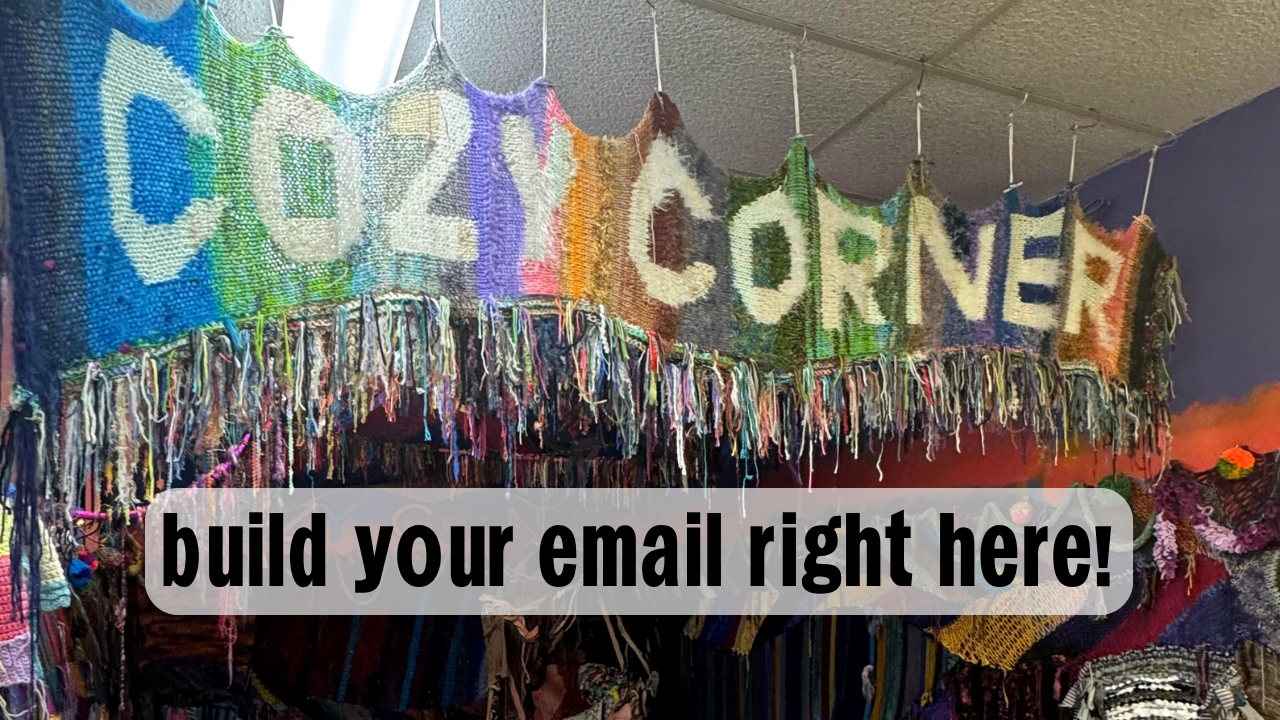
💌 The Save DoodleHATCH Email Machine

A few clicks, a little personality, and an email that helps support DoodleHATCH and The REALM. No account or signup required.

What's your connection to DoodleHATCH?
Why does protecting places like this matter to you?
✨ Your email preview
To: Lilou@DoodleHATCH.com
Subject:

Your information stays in your browser until you choose to copy or open the message. The email does not send automatically. Emails support DoodleHATCH's advocacy campaign; they are not the same as official petition signatures or zoning testimony. Please review the message before sending.

🐹 Wait. What exactly is DoodleHATCH?

I’m so glad you asked.

DoodleHATCH is an interactive art museum in Columbia, Maryland, created by artist, designer, and professional generator of wildly ambitious ideas, Lee Andersen.

The museum is designed as a pretend department store for mythological creatures, time travelers, and galactic tourists.

There are dozens of installations, and unlike most museums, you’re encouraged to touch things, explore, and participate.

There’s also an artist’s studio full of fabric and handmade garments, workshops, special events, birthday parties, free books, and opportunities for local artists to share their work.

The museum welcomes families and children, but adults are absolutely allowed to enjoy themselves, too.

And the woman behind it has spent decades bringing creativity into the community through fashion, festivals, education, and public art.

I discovered DoodleHATCH in 2020 and loved it so much that I started volunteering.

I’ve been back multiple times, and there are still things I haven’t seen.

That’s part of what makes it special. You can keep discovering things because people keep creating them.

You don't have to live near DoodleHATCH to care about it.

There are Merriment Makers everywhere.

People turning empty buildings into art spaces. People organizing parades. People teaching kids how to sew, paint, dance, or build things. People putting enormous amounts of time into projects that make their communities more interesting.

Sometimes they’re running nonprofits. Sometimes they’re working out of their garages. Sometimes they’re making something weird in a strip mall that you might drive past a hundred times without realizing what’s inside.

I hope you’ll help protect DoodleHATCH.

And I hope you’ll look around your own community, too. Visit the strange little museum. Go to the local art show. Find the person who makes giant puppets or organizes an absurd annual festival. Spend your money at the independent shop with the handmade things.

There are people everywhere creating reasons for us to be curious about being alive.

I’d like them to be able to keep doing that.

Help save DoodleHATCH. Help protect The REALM. Help keep the world interesting.

💌 Email: Lilou@DoodleHATCH.com

🌈 Visit: DoodleHATCH.com

🦄 Share: Uncustomary.org/Doodle