
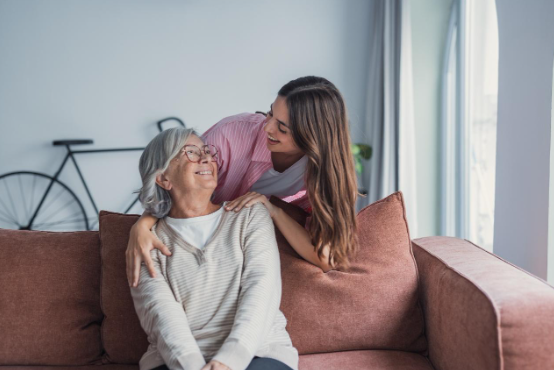
Comfort is not just about soft blankets, favorite chairs, or a cozy room. For older loved ones, comfort can affect how safe, steady, and respected they feel in their own home. A familiar morning routine, good lighting, a warm meal, or being able to choose how the day begins can help someone feel more like themselves, especially when age, illness, mobility changes, or memory issues make daily life feel less predictable.
The point is not to make a home feel clinical or take away independence in the name of protection. It is about noticing the small things that make everyday life easier while still honoring someone’s dignity, personality, and sense of control. When care feels thoughtful rather than overbearing, older loved ones are more likely to feel supported instead of managed.
Keep Familiar Routines at the Center
Routines can be incredibly grounding, especially for older adults whose days may now include more appointments, more help, or more physical limits than before. A favorite breakfast, a chair by the window, the same radio station in the morning, or a well-loved mug for tea might seem ordinary, but these details can bring a real sense of stability.
Before changing anything, pay attention to what already brings comfort. A safer setup does not have to mean starting from scratch. In many cases, the best approach is to keep familiar things in place and simply make them easier to reach or use. Simple habits like shared meals, familiar conversations, and daily rituals to reconnect with your family can help older loved ones feel included instead of managed from the outside.
When care respects someone’s natural rhythm, it feels less like life is being rearranged around their limitations. Familiar routines remind older loved ones that they are still active participants in their own lives, not just people receiving help.
Make Daily Support Feel Natural
Helping someone does not have to feel like taking over. For many older loved ones, the way support is offered matters just as much as the support itself. A small adjustment can feel kind and reassuring when it is made with respect. The same change can feel frustrating if it happens without a conversation.
Instead of rearranging a room or routine all at once, start by asking what would make the day feel easier. Maybe your loved one wants a lamp moved closer to the bed, a favorite cardigan kept near their chair, or kitchen items placed on a lower shelf. Small choices like these help protect your loved one’s independence by keeping them involved in the decision-making process.
Daily support feels more natural when it blends into familiar life. The goal is not to make the home look perfect or remove every challenge. It is to ease unnecessary stress while keeping your loved one’s preferences at the center. When care feels collaborative, it becomes easier to accept help without feeling like control is slipping away.
Notice the Everyday Details That Shape Safety
A comfortable home should feel easy to move through, not full of small obstacles. For older loved ones, things like dim lighting, loose rugs, crowded walkways, or hard-to-reach essentials can make ordinary routines feel more stressful. These details may not seem urgent at first, but they can subtly affect how confident someone feels as they move from room to room.
Good lighting, clear walkways, secure rugs, and small changes that make a home safer and more accessible can help older loved ones move through familiar spaces with more confidence. The goal is not to make the home feel sterile or overly controlled. It is to remove the little sources of friction that make daily tasks harder than they need to be.
Start with the spaces your loved one uses most, such as the bedroom, bathroom, kitchen, and favorite sitting area. A sturdy chair, a clear path to the bathroom, commonly used items within reach, and a lamp that is easy to turn on can all make a real difference. When safety improvements blend naturally into the home, they can protect independence rather than take it away.
When Comfort Needs Extra Awareness
Warmth is often part of what makes a space feel comforting. A cup of tea, a warm bath, a heating pad, a heated blanket, or a sunny spot by the window can all bring a sense of ease to an older loved one’s day. These small comforts matter, especially when someone spends more time at home or depends on others for parts of their routine.
Still, warmth sometimes needs closer attention. Thinner skin, slower reaction times, reduced mobility, memory changes, or difficulty communicating discomfort can make ordinary heat-related situations riskier. A drink that is too hot, bath water that has not been checked, or a heating device left on for too long can shift from soothing to unsafe very quickly.
In everyday care environments, it matters to notice when heat causes serious harm, especially when an older loved one cannot move away quickly or clearly explain that something hurts. The goal is not to remove every cozy ritual. It is to keep those rituals gentle, safe, and genuinely supportive.
Choose Safety Changes That Still Feel Like Love
Safety changes are easier to accept when they feel like care rather than correction. Before moving furniture, replacing items, or changing a familiar setup, begin with a conversation. Asking, “Would this make things easier for you?” lands very differently than announcing that something needs to change.
Small adjustments can still protect comfort and independence. A steadier side table can make a hot drink easier to manage. A brighter lamp can make evening routines feel calmer. A non-slip mat can make the bathroom less stressful. Keeping a blanket, book, phone, or favorite snack within reach can reduce unnecessary movement without making your loved one feel confined.
The most supportive changes are the ones that blend into daily life. They help someone feel more confident, not more watched. When safety is handled with warmth and respect, it becomes part of a loving home rather than a reminder of limitation.
A Home That Feels Safe, Familiar, and Loved
Comfort is one of the quietest ways to show love. It shows up in familiar routines, respected choices, and small changes that make the day feel a little easier. For older loved ones, those details can make the home feel less overwhelming and more supportive.
The best care does not take over someone’s life. It protects the parts of life that still feel joyful, personal, and meaningful. When comfort and safety work together, older loved ones can feel more secure in their space while still feeling seen, valued, and truly at home.