
Faith often takes shape through quiet routines: a morning prayer, a familiar passage or a few still minutes before bed. Yet spiritual life can feel distant when it exists mainly in thoughts or on a screen. A physical object can bring faith into the spaces where daily life unfolds, offering a visible prompt to slow down and reconnect with what matters. Its value comes from the attention, memory and meaning that a person brings to it.
The Rise of Abstract Devotion
Many modern faith practices now happen through digital channels. People read Scripture on phones, join services online and receive daily reflections by email. These tools make spiritual resources easier to access, especially for those who live far from a church community or have limited mobility.
Still, digital devotion can compete with notifications, work messages and social media. A dedicated object creates a clearer boundary. Research into domestic devotional objects shows how material items can reveal the ways people practice faith at home. A prayer card beside the bed or a small piece displayed near a reading chair gives devotion a physical place within an ordinary room.
Why Tactile Reminders Anchor the Spirit
Choose an object that connects to a practice you already want to maintain. You might keep prayer beads near your journal, place a cross beside the front door or carry a small token that reminds you to pause during a demanding day. Touch can interrupt mental noise and direct your attention toward prayer, gratitude or reflection.
The item’s source may add another layer of significance. Melior Mundus connects Christians with faith-inspired items tied to the Holy Land while supporting local Christian communities through a portion of its proceeds. When selecting any devotional piece, learn who made it, what tradition it represents and how its purchase affects others. That context can turn ownership into a more thoughtful relationship with people, place and shared belief.
Connecting Directly to Sacred Heritage
Physical objects can link personal devotion with stories that have been passed down for generations. Materials, symbols and craftsmanship may call to mind a biblical location, a family tradition or the wider Christian community. This connection becomes especially meaningful when you understand the object’s background rather than treating it as decoration.
Scripture also contains accounts of divine power through objects, though Christian traditions interpret these passages in different ways. A balanced approach keeps the focus on God while recognizing that material things can prompt remembrance. Read about an item’s symbolism, discuss it with a trusted faith leader and consider how it fits your own tradition before giving it a place in your devotional life.
Cultivating Personal Moments of Pause
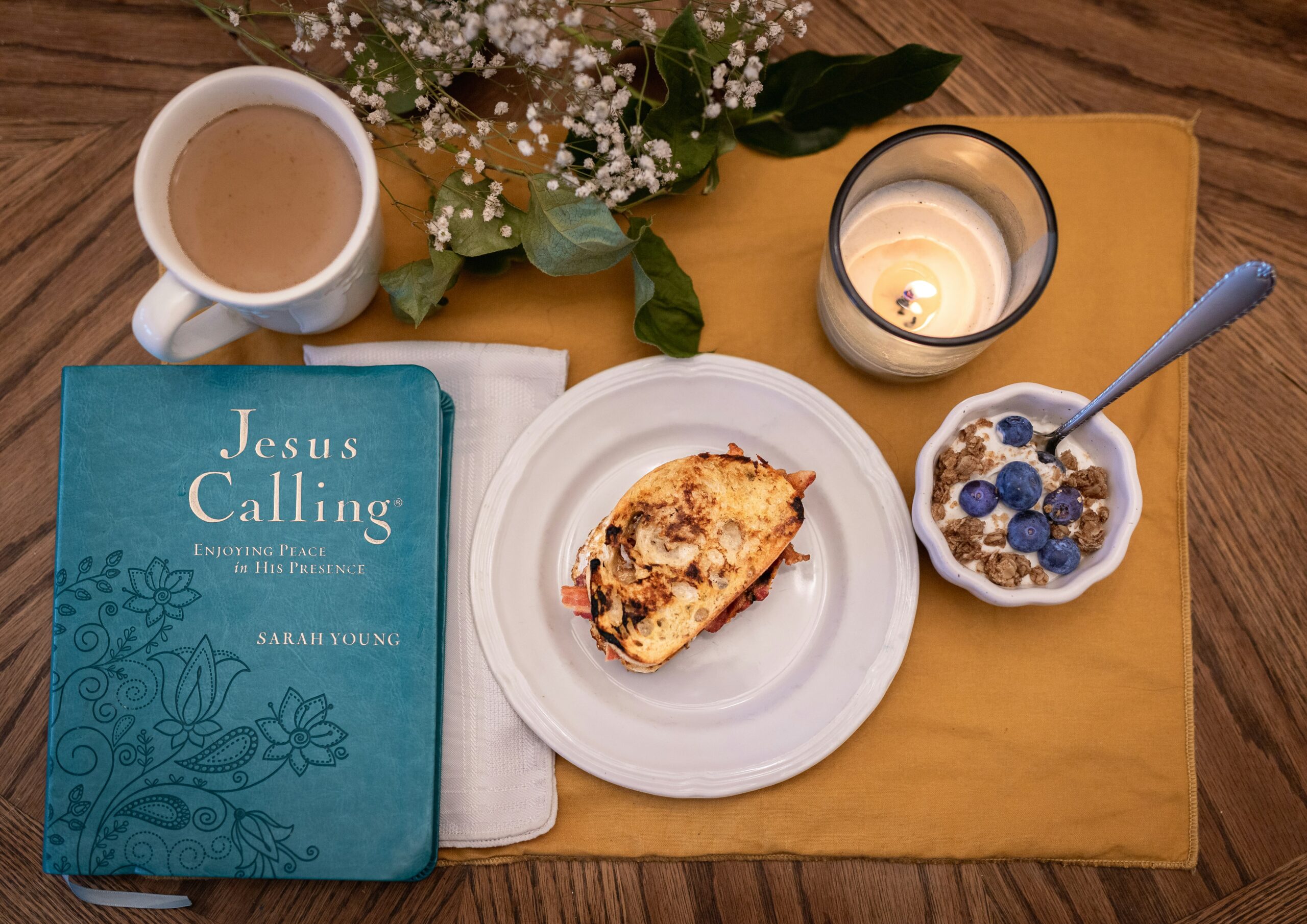
Give the object a specific purpose so it becomes part of a real habit. For example, touch a pendant before beginning your morning prayer, light a candle while reading a short passage or place a meaningful piece near your keys as a reminder to leave home with patience. Linking the cue to an established routine makes it easier to remember.
Keep the practice simple. Two focused minutes can be more sustainable than an ambitious ritual that disappears after a week. You can also rotate objects during different seasons, using one associated with hope during a difficult period and another connected with gratitude during celebrations.
A devotional object gains meaning through repeated attention. When your hand reaches for it during a hurried morning or a heavy evening, let that small contact open enough space for one honest prayer.