Simple Maintenance Habits That Prevent Costly Equipment Breakdowns

by | Aug 19, 2026 | How To | 0 comments

Warehouses run on momentum. Pallets move, orders ship, and one shift hands off to the next without much thought about the machines making it all possible. That quiet dependability holds right up until a forklift stalls in the middle of a busy aisle and the whole rhythm falls apart. Reliability rarely fails all at once. It slips gradually, through small signs that are easy to overlook until they force an expensive stop. Staying ahead of that slide is what separates a steady operation from one that spends its days reacting to the next breakdown.

Staying Ahead of Everyday Wear

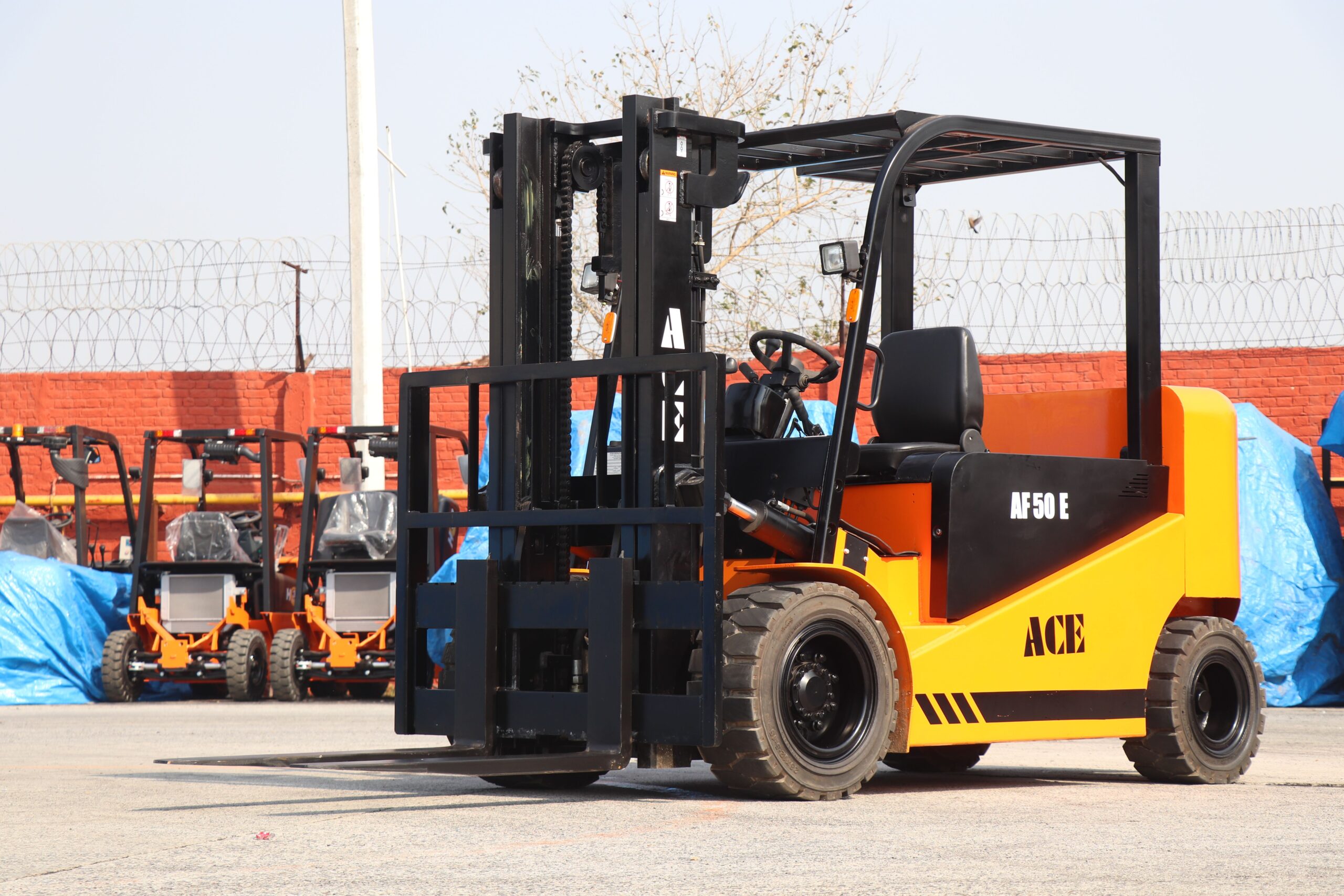
A forklift hauls heavy loads for hours at a stretch, and the parts that make that work possible slowly lose their edge under the constant strain. When one of them gives out in the middle of a shift, the machine sits dead on the floor, and every task behind it stacks up. In most warehouses, Clark forklifts in particular are used due to their reliability, but keeping them running requires a lot of maintenance. 

This is one of the many reasons why keeping a ready supply of quality Clark forklift parts means a worn piece can be swapped out before it grows into a full stoppage. Matching each one to the exact model matters, since a fit built to the right specification handles load and heat the way the original did. That accuracy keeps a machine performing predictably and spares the operation the guesswork that comes with makeshift fixes. Beyond equipment maintenance, investing in well-designed pallet racking solutions can help improve warehouse organization, maintain clear forklift access routes, and reduce unnecessary handling. A shelf stocked with the right items turns a potential day of lost work into a short pause.

Building Inspection Into the Daily Routine

The cheapest safeguard against a surprise is a habit that costs nothing but a few minutes. A quick walk-around at the start of each shift catches trouble while it is still small. An operator who takes the time to look underneath for fresh puddles, listen for sounds that were not there yesterday, and notice a warning light before climbing on will spot most problems long before they escalate. Sluggish steering, a delay in response, or a smell that seems off all point to something worth checking. None of these signals demand expertise to catch. They only require someone paying attention and a culture that treats those few minutes as time well spent rather than a delay to the real work.

Keeping Records That Tell a Story

A single service note means little on its own. A year of them starts to reveal patterns that no one would notice in the moment. When a maintenance log shows the same machine acting up every few weeks, that repetition is a message. Writing down what was done, when it was done, and what prompted it turns scattered fixes into a clear history. That history helps a manager predict what is coming instead of being caught off guard by it. It also settles arguments about whether a machine is worth keeping or has quietly become a money pit. Good records take discipline to maintain, yet they pay for themselves the first time they help you plan around a problem rather than scramble after one. The value grows as the log does, since a longer record makes each new entry easier to read in context. A manager reviewing six months of notes can often see a failure forming weeks before it arrives. That kind of foresight is impossible to buy and simple to build. 

Training Operators to Notice

The person on the machine all day knows it better than anyone with a clipboard ever will. That familiarity is a resource, but only if operators feel free to speak up. Too often a driver senses that something feels wrong and pushes through anyway, either because reporting it feels like a hassle or because a manager treats every stoppage as a failure. Both attitudes let small issues grow in silence. Teaching operators what a healthy machine feels like, and rewarding them for flagging changes early, turns the whole crew into an early warning system. A driver who mentions a strange vibration on Monday can save an entire team from a breakdown on Friday. That kind of communication is built through trust, not memos. The habit spreads once a crew sees that speaking up leads to a fix rather than blame. Newer drivers learn faster when experienced ones share what a problem sounds like before it becomes one. Over time, the whole floor develops an instinct for catching trouble early. 

Budgeting for Reliability Instead of Reacting to It

The costliest surprises are rarely the ones no one saw coming. They are the ones everyone saw and no one planned for. A machine that has been groaning for months finally quits, and suddenly the expense lands all at once, on the worst possible day, at whatever the emergency price happens to be. Setting money aside for steady upkeep changes that math entirely. When a budget already accounts for regular attention, a failing machine becomes a scheduled task instead of a crisis. Planned work almost always costs less than emergency work, and it happens on your timeline rather than at the mercy of a breakdown. Managers who treat reliability as a line item rather than an afterthought spend less over the year, even though it feels like they are spending more up front. The savings show up quietly, in the breakdowns that never happen and the shifts that run start to finish without a hitch.

None of this requires a dramatic overhaul. It asks for small, consistent choices repeated until they become second nature. A walk-around that happens every morning. A log that gets filled in without fail. A driver who feels heard. A budget that expects wear instead of pretending it away. Each of these on its own seems minor, almost too simple to matter. Together they form a system that keeps machines running and keeps the floor moving. The operations that avoid costly surprises are not the ones with newer equipment or bigger budgets. They are the ones that decided reliability was worth a little attention every single day, long before anything went wrong. That steady discipline is what keeps a warehouse dependable through years of hard use.
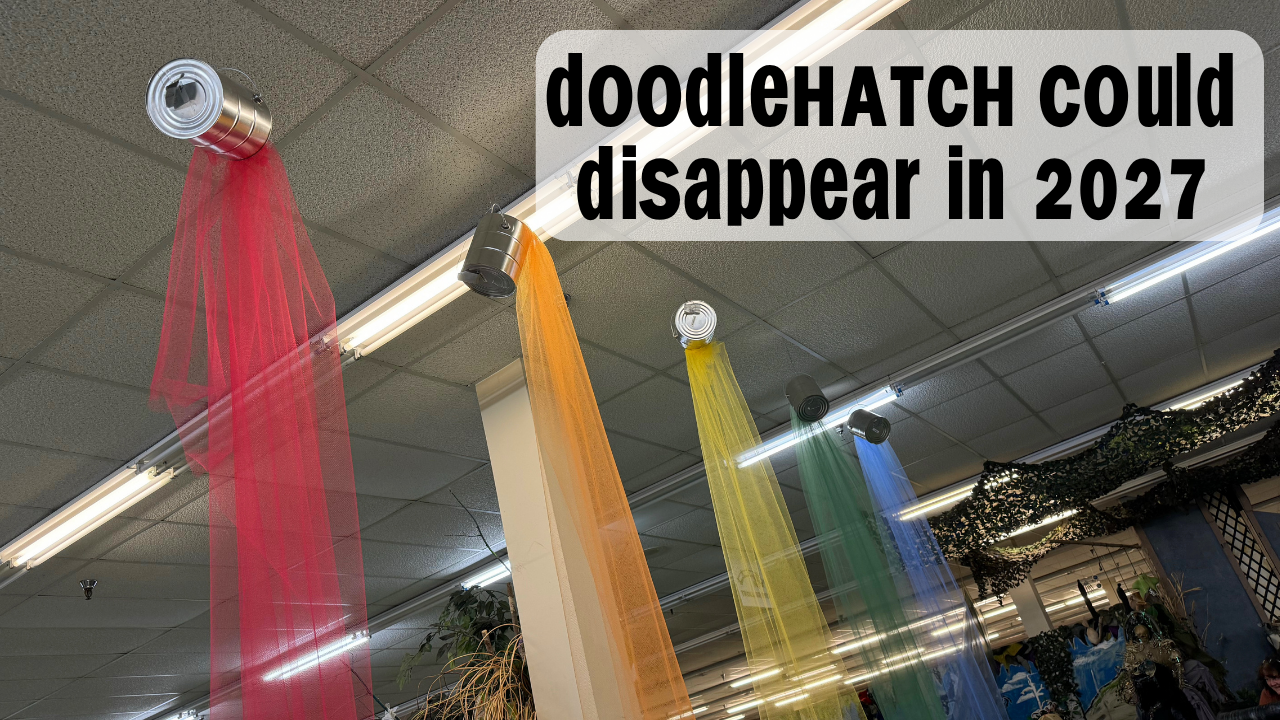
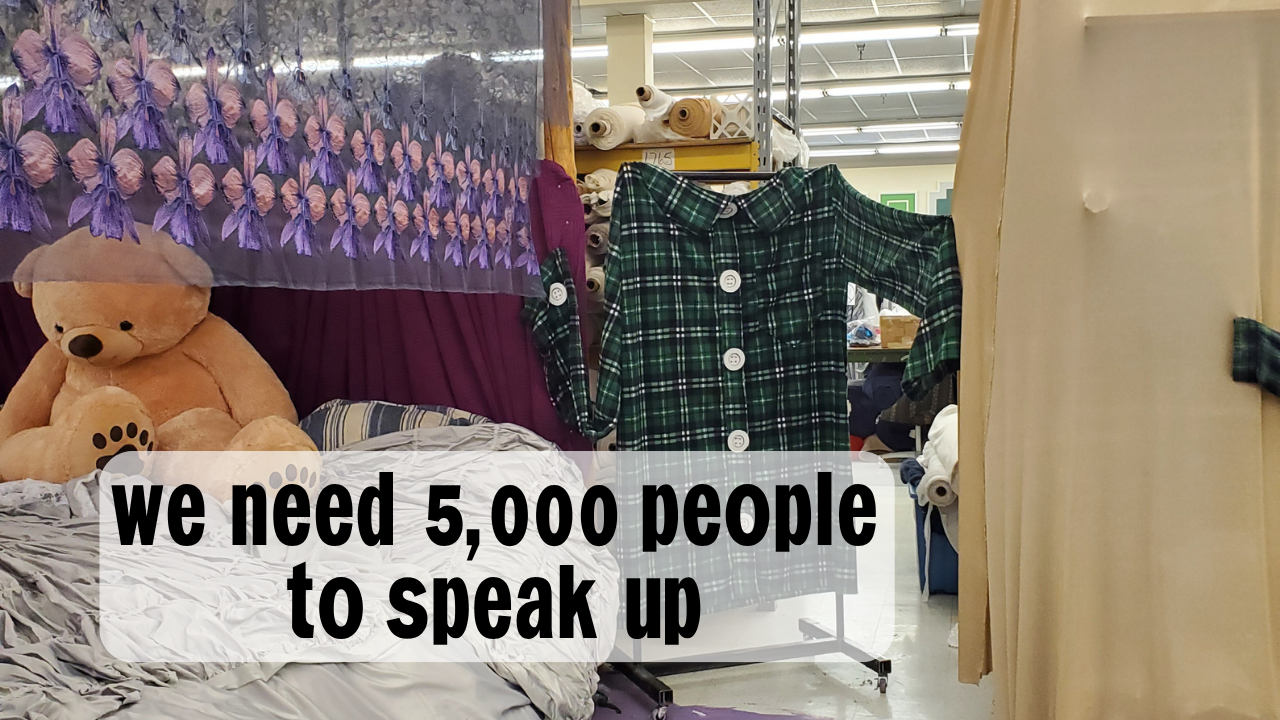
In Columbia, Maryland, there’s a former grocery store that has been transformed into a department store for mythical creatures, time travelers, and intergalactic tourists.

It’s called DoodleHATCH.

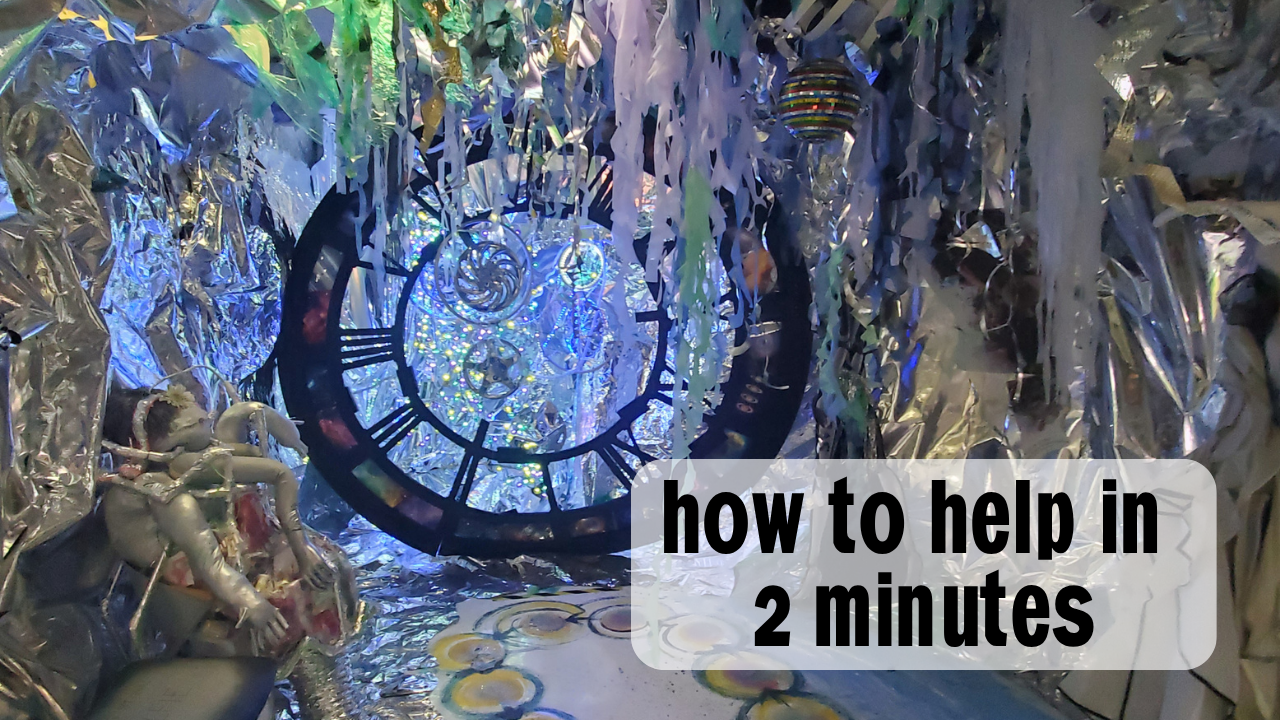
You can groom a unicorn, visit an intergalactic space station, climb onto a giant’s bed, meet guinea pigs, explore an artist’s studio, and discover approximately a million other things that somebody actually sat down and made.

It’s a nonprofit interactive art museum, a community project, an educational resource, and one of my favorite places I’ve ever discovered.

And it could be demolished as part of a proposed redevelopment of the Long Reach Village Center.

But there’s still an opportunity to help.

You don’t need to donate money. You don’t need to live in Maryland. And you don’t need to know anything about zoning laws.

You can start by writing an email.

🚨 Here's what's happening

Developer Columbia Concepts has proposed redeveloping the Long Reach Village Center in Columbia, Maryland.

The proposal would replace existing buildings with new housing, recreational facilities, and other development.

Unfortunately, that puts a whole collection of existing community resources at risk of being demolished, including:

  • DoodleHATCH Interactive Art Museum
  • Maryland Fashion Institute
  • A makerspace used for community education
  • Local restaurants, shops, and service businesses
  • Early childhood education and community programs
  • A 140-foot-long mural created by approximately 100 community members

This isn’t just about losing a fabulous museum. It’s about losing an entire collection of places that people have built, supported, and relied on.

And there’s another possibility!

🌈 Meet The REALM

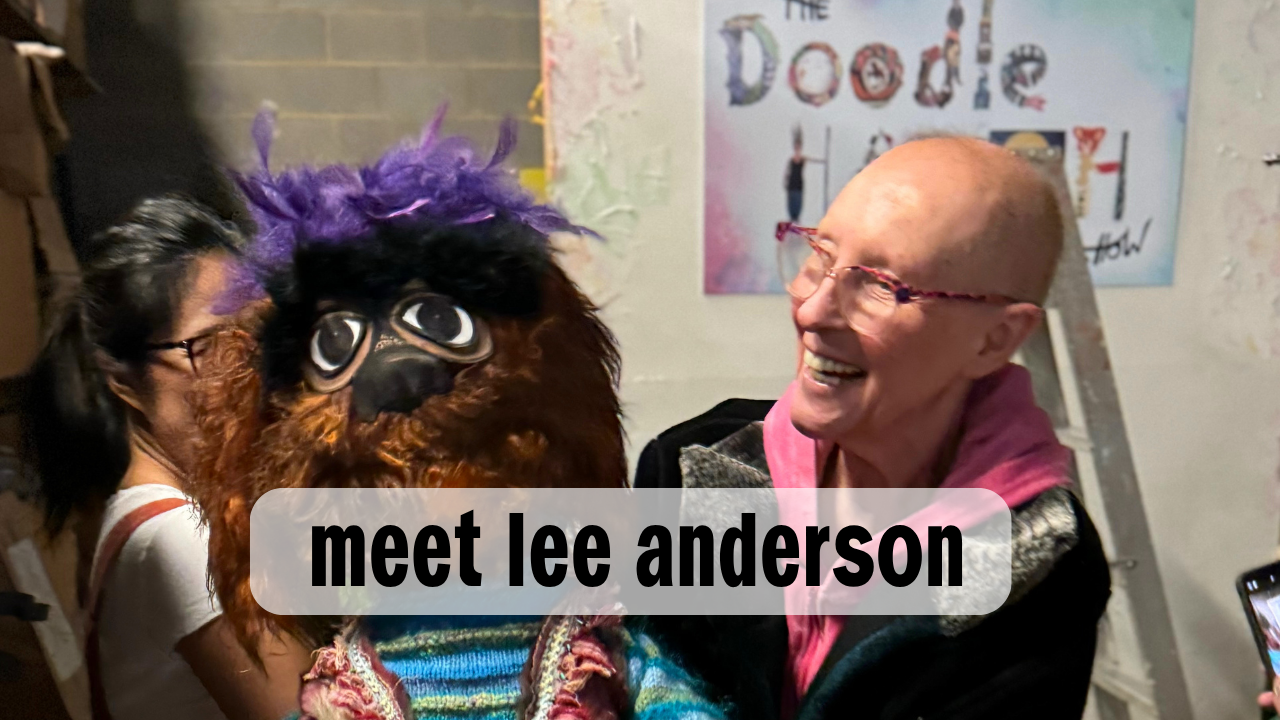
Lee Andersen, the founder of DoodleHATCH, and her nonprofit ManneqART want to preserve the existing community resources and transform the village center into an arts and culture destination called The REALM.

Imagine a place where artists have studios, children have room to explore, students can learn creative skills, people can attend performances, and local businesses continue serving their neighbors.

There are plans for a performing arts space, more opportunities for artists, and a Witches Kitchen that might serve you a horrible-disgusting breakfast.

Which, personally, I think sounds promising.

The people behind DoodleHATCH are gathering support to oppose the developer’s zoning proposal and advocate for The REALM.

And they’d love your help.

💌 How to help in about two minutes

If you live in Howard County, Maryland

If you’re 18 or older, DoodleHATCH is asking eligible county residents to visit the museum and sign their petition in person.

📍DoodleHATCH Interactive Art Museum

8775 Cloudleap Court, Unit 101
Columbia, MD 21045

⏱️ Museum hours: Friday–Sunday, 10 AM–5 PM.

And while you’re there, I highly recommend exploring the museum. Bring someone who needs a reminder that being an adult doesn’t mean you have to stop enjoying ridiculous things.

If you don't live in Howard County

You can still help!

DoodleHATCH is collecting emails from people who oppose the proposed Columbia Concepts redevelopment and support preserving the existing arts and community resources through The REALM.

Send your email to: Lilou@DoodleHATCH.com

Suggested subject: Support The REALM | Oppose Columbia Concepts Zoning Proposal ZB 1132M

You can write your own message or use one of the templates below.

You don’t need to write an essay. A short, genuine message explaining what you support and why is enough to participate in this email campaign.

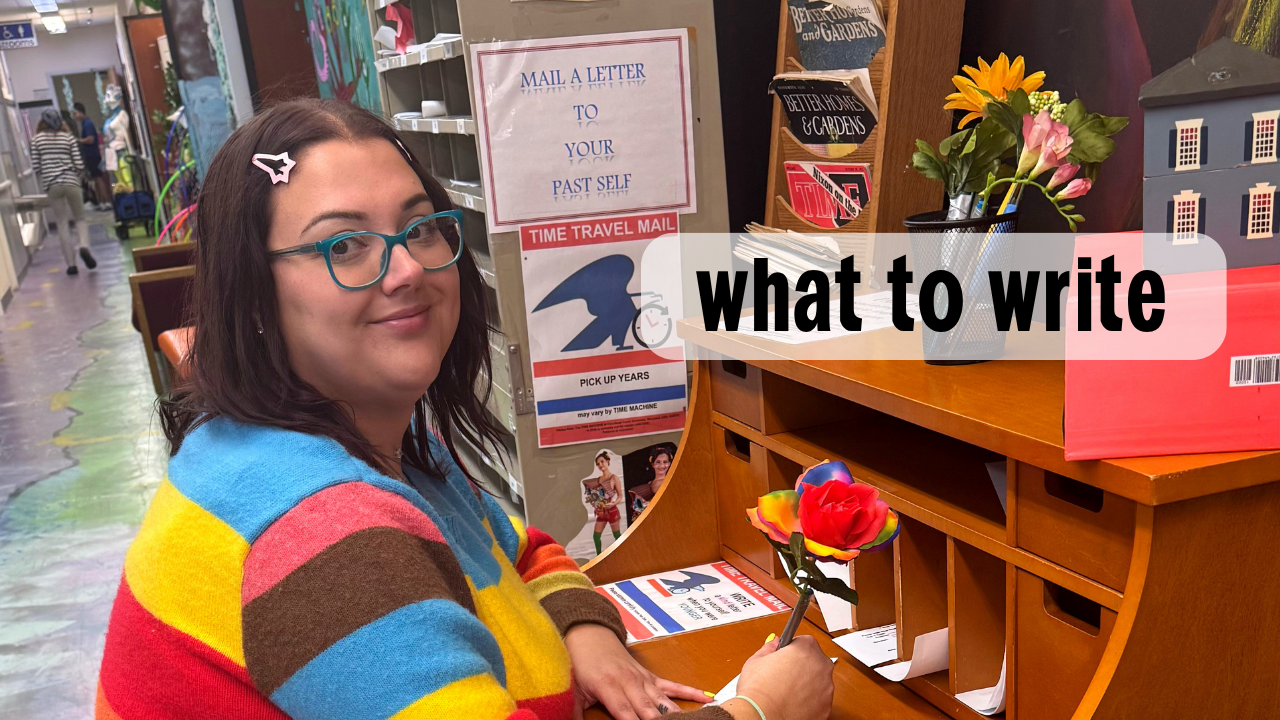
✍️ What should your email say?

To make your position clear, include these three things:

1. Say what you’re opposing.

State that you oppose the proposed Columbia Concepts redevelopment and zoning amendment for the Long Reach Village Center, case ZB 1132M.

2. Say what you’re supporting.

Express your support for preserving DoodleHATCH, the Maryland Fashion Institute, existing community resources, and the proposed arts and culture center called The REALM.

3. Explain why you care.

This is the part that makes your email yours.

Maybe you’ve visited DoodleHATCH. Maybe you’re a parent who wants more creative places for children. Maybe you’re an artist, an educator, or someone who thinks it’s important to protect the few spaces where people can explore and make things without needing to buy something.

Maybe you live across the country and just learned that there’s a department store for mythical creatures in Maryland, and you think the world would be a little less interesting without it.

That’s a perfectly good reason to care.

💌 Email templates you can copy

Option 1: Short, simple, and effective

Subject: Support The REALM | Oppose ZB 1132M

Hello,

I’m writing to express my opposition to the proposed Columbia Concepts zoning amendment and redevelopment of the Long Reach Village Center (ZB 1132M).

I support preserving DoodleHATCH, the Maryland Fashion Institute, and the existing community services and small businesses, as well as the proposal to create The REALM arts and culture center.

Creative and educational spaces like these provide valuable opportunities for families, artists, students, and the wider community. I believe they deserve to be protected.

Please include my email with the messages of support being collected for DoodleHATCH and The REALM.

Thank you,

[Your Name]
[Your City/State]

Option 2: For artists, creatives, and fellow merriment makers

Subject: Please Protect DoodleHATCH and Support The REALM

Hello,

I’m writing in opposition to Columbia Concepts’ proposed redevelopment and zoning amendment for the Long Reach Village Center (ZB 1132M), and in support of The REALM.

I believe communities need places where creativity, imagination, and play are actively encouraged.

DoodleHATCH is an extraordinary example of what can happen when artists and community members are given room to create something that doesn’t fit into an ordinary commercial space.

Places like this are rare. They encourage people of all ages to experiment, learn, explore, and connect with one another.

I support preserving DoodleHATCH, the Maryland Fashion Institute, the existing community resources, and the vision for The REALM.

Thank you for collecting these messages and advocating for the creative community.

[Your Name]
[Your City/State]

Option 3: For people who've visited DoodleHATCH

Subject: Please Save DoodleHATCH | Oppose ZB 1132M

Hello,

I’m writing to express my opposition to the proposed Columbia Concepts redevelopment and zoning amendment for the Long Reach Village Center (ZB 1132M), and my support for The REALM.

I’ve personally visited DoodleHATCH, and I want to share why I believe it’s worth preserving.

[Write two or three sentences about your experience. What did you see? Who did you bring? What surprised you? What made you want to return?]

DoodleHATCH is more than a collection of exhibits. It’s a place where creativity is something people can actively participate in, and I believe losing it would be a tremendous loss to the community.

I support preserving the museum, the Maryland Fashion Institute, and the other existing community resources through the proposed arts and culture center, The REALM.

Please include my email with the messages of support you’re collecting.

Thank you,

[Your Name]
[Your City/State]

A few tips before you hit send

DO:

  • Use your real name.

  • Include your city and state so organizers can understand where support is coming from.

  • Clearly identify the redevelopment proposal you’re opposing.

  • Specifically mention your support for The REALM.

  • Add a personal sentence or two if you can.

  • Be respectful, even if you’re frustrated.

  • Share this page with other people who might want to help.

DON’T:

  • Pretend to be a Howard County resident if you’re not.

  • Claim to have visited DoodleHATCH if you haven’t.

  • Make up experiences or information.

  • Send threatening, insulting, or harassing messages.

  • Assume your email is the same thing as signing the official petition.

  • Worry about making your message sound impressive. Clear and genuine is better than elaborate.

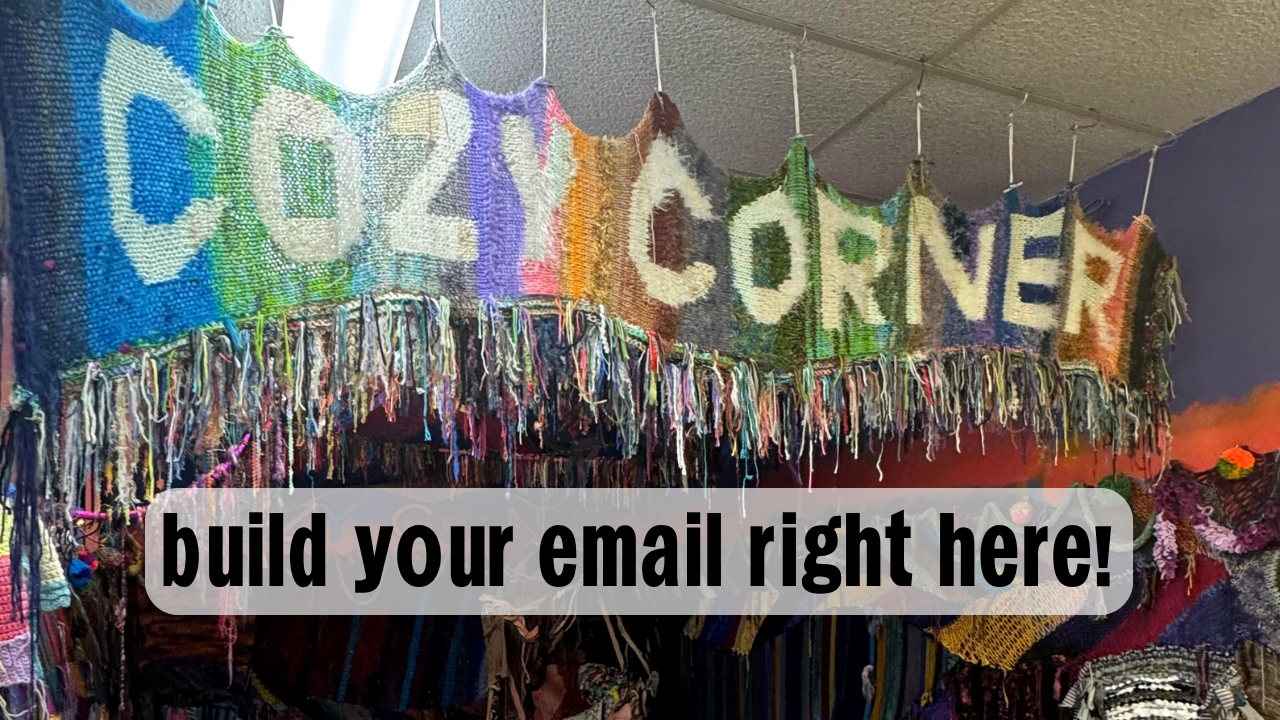
💌 The Save DoodleHATCH Email Machine

A few clicks, a little personality, and an email that helps support DoodleHATCH and The REALM. No account or signup required.

What's your connection to DoodleHATCH?
Why does protecting places like this matter to you?
✨ Your email preview
To: Lilou@DoodleHATCH.com
Subject:

Your information stays in your browser until you choose to copy or open the message. The email does not send automatically. Emails support DoodleHATCH's advocacy campaign; they are not the same as official petition signatures or zoning testimony. Please review the message before sending.

🐹 Wait. What exactly is DoodleHATCH?

I’m so glad you asked.

DoodleHATCH is an interactive art museum in Columbia, Maryland, created by artist, designer, and professional generator of wildly ambitious ideas, Lee Andersen.

The museum is designed as a pretend department store for mythological creatures, time travelers, and galactic tourists.

There are dozens of installations, and unlike most museums, you’re encouraged to touch things, explore, and participate.

There’s also an artist’s studio full of fabric and handmade garments, workshops, special events, birthday parties, free books, and opportunities for local artists to share their work.

The museum welcomes families and children, but adults are absolutely allowed to enjoy themselves, too.

And the woman behind it has spent decades bringing creativity into the community through fashion, festivals, education, and public art.

I discovered DoodleHATCH in 2020 and loved it so much that I started volunteering.

I’ve been back multiple times, and there are still things I haven’t seen.

That’s part of what makes it special. You can keep discovering things because people keep creating them.

You don't have to live near DoodleHATCH to care about it.

There are Merriment Makers everywhere.

People turning empty buildings into art spaces. People organizing parades. People teaching kids how to sew, paint, dance, or build things. People putting enormous amounts of time into projects that make their communities more interesting.

Sometimes they’re running nonprofits. Sometimes they’re working out of their garages. Sometimes they’re making something weird in a strip mall that you might drive past a hundred times without realizing what’s inside.

I hope you’ll help protect DoodleHATCH.

And I hope you’ll look around your own community, too. Visit the strange little museum. Go to the local art show. Find the person who makes giant puppets or organizes an absurd annual festival. Spend your money at the independent shop with the handmade things.

There are people everywhere creating reasons for us to be curious about being alive.

I’d like them to be able to keep doing that.

Help save DoodleHATCH. Help protect The REALM. Help keep the world interesting.

💌 Email: Lilou@DoodleHATCH.com

🌈 Visit: DoodleHATCH.com

🦄 Share: Uncustomary.org/Doodle