
Most people spend time researching shampoos, conditioners and serums — but grab whatever brush happens to be in the bathroom drawer. That is a mistake. The wrong brush can cause breakage, frizz, scalp irritation and split ends, no matter how good the rest of your routine is. The right one can genuinely transform how your hair looks and feels every day.
If you have ever wondered why your blowout never looks salon-quality, or why your hair seems to break no matter what products you use, the answer might be sitting on your dresser. Here is what actually matters when choosing a hair brush — and how to match one to your specific hair type.
Not All Brushes Are Created Equal
Walk into any beauty store and you will see dozens of brushes that all look vaguely similar. But the differences in design are not cosmetic — they are functional. A paddle brush and a round brush serve completely different purposes. Using a round brush to detangle wet hair is a recipe for breakage. Using a paddle brush during a blowout means you are missing out on volume and shape.
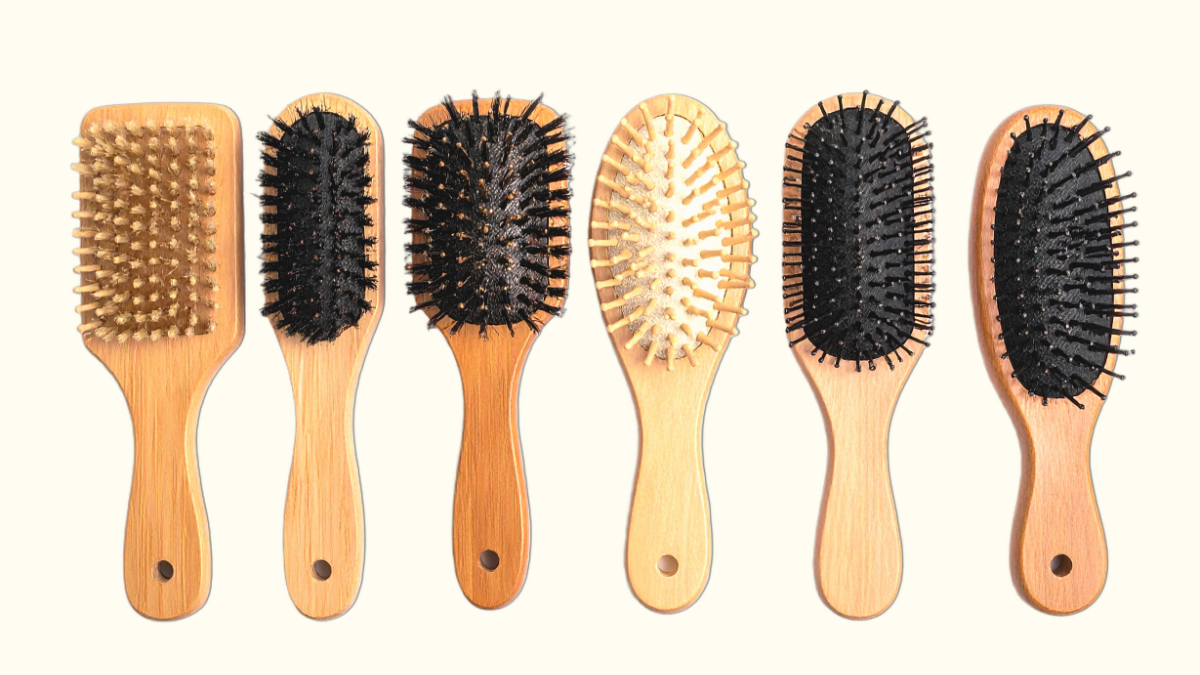
The core brush types each solve a different problem. Paddle brushes have a broad, flat head designed for smoothing and detangling long, straight hair. Round brushes wrap hair around a heated barrel to create curl, wave and volume during blow-drying. Cushion brushes use a flexible air-filled pad that conforms to your scalp, reducing tension and pulling. Detangling brushes feature flexible bristles that bend around knots instead of ripping through them. And vented brushes have openings in the base that let hot air pass through, cutting drying time significantly.
Understanding these differences is the first step toward a brush that actually works for you. For a deeper breakdown of each type — including specialty brushes like teasing brushes and thermal brushes — this complete guide to hair brush types covers the full range with visual comparisons.
The Bristle Question: Natural, Synthetic or Both?
The bristle material might be the single most important factor in brush performance, yet most people never think about it.
Boar bristle brushes use natural animal hair that contains keratin — the same protein found in human hair. This allows the bristles to grip and redistribute your scalp’s natural oils along the hair shaft, producing a smooth, polished finish without adding any product. They work best on fine to normal hair and are a staple in the “no-heat styling” movement. The trade-off is that boar bristles lack the stiffness to penetrate thick or curly hair effectively.
Nylon bristle brushes are synthetic, manufactured to precise specifications for diameter, flexibility and tip shape. They provide firm detangling action, resist heat well during blow-drying and cause less static than many natural alternatives. Ball-tipped nylon bristles are the standard in mass-market brushes because they add comfort and prevent scalp scratching. These are the workhorses for thick, coarse or curly hair types.
Mixed bristle brushes combine shorter boar bristles with longer nylon pins. The boar bristles handle smoothing and oil distribution while the nylon bristles manage detangling and reach. This combination targets the widest range of hair types and is often the safest choice if you are unsure what to buy.
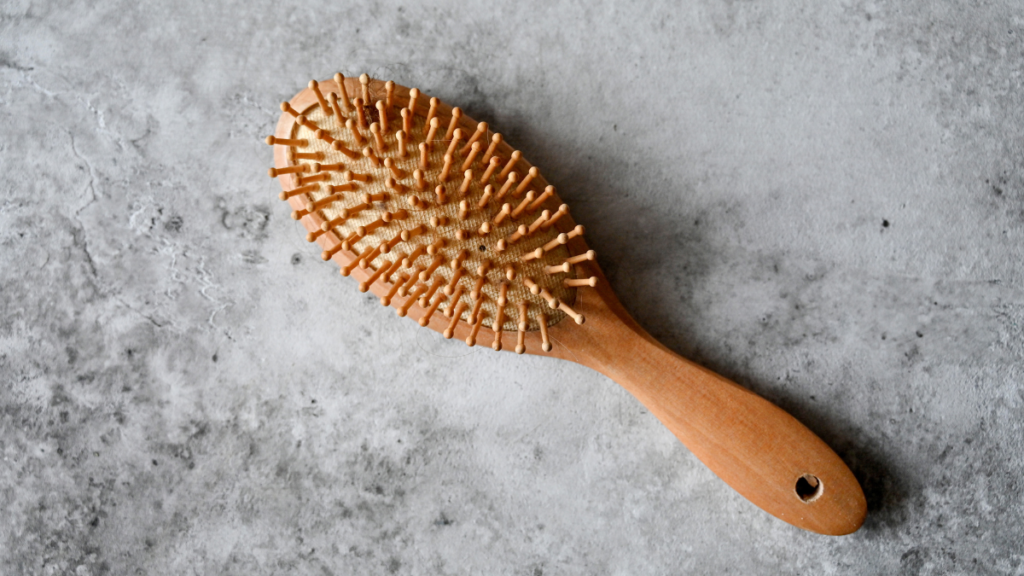
There is also a growing category of wooden-pin brushes, which have gained popularity among people who prioritise sustainability and natural materials. Wooden pins generate minimal static and feel gentle on sensitive scalps, though they require more careful maintenance to prevent cracking.
How to Match a Brush to Your Hair Type
This is where most people go wrong. They pick a brush based on what looks nice or what was on sale, rather than what their hair actually needs.
Fine or thin hair does best with soft boar bristle brushes or cushion brushes with gentle pins. The goal is to smooth without pulling out fragile strands. Avoid stiff nylon bristles — they can be too aggressive for delicate hair and cause unnecessary breakage over time.
Thick or coarse hair needs structure. A paddle brush with sturdy nylon bristles will detangle effectively without requiring you to pull and drag. Mixed-bristle brushes also work well here, combining penetration with smoothing in a single pass.
Curly or coily hair requires the most care. Flexible detangling brushes used on wet, conditioned hair are the safest option. Wide-set bristles or pins that bend around curls — rather than forcing through them — preserve curl pattern and minimise breakage. Many people with curly hair avoid brushing altogether when dry, and that is a perfectly valid choice.
Wavy hair benefits from round brushes during blow-drying (to enhance or smooth the wave pattern) and paddle brushes for daily maintenance. Vented brushes are another solid option for wavy types because they speed up drying without disrupting the natural texture.
What to Look for When Buying
A few details separate a brush that lasts from one that ends up in a drawer after a month.
Check the cushion. On cushion brushes, press the pad with your thumb. It should flex and bounce back. A stiff or non-responsive pad means either poor quality or a design that will tug at your scalp rather than conforming to it.
Inspect the bristle tips. Run your finger across the bristles. Ball-tipped pins should feel smooth and rounded, not sharp or uneven. Rough tips scratch the scalp and catch on hair strands, leading to breakage.
Consider the handle. This sounds minor, but an uncomfortable handle means you will rush through brushing — applying too much pressure and causing damage. A well-balanced brush with a natural grip makes a noticeable difference during longer styling sessions.
Think about what it is made from. Cheap plastic handles and bases are fine for a travel brush, but for daily use, look for reinforced ABS, rubberised grips or wooden handles that can withstand years of use without cracking.
For anyone interested in the manufacturing side — whether you are a hairstylist evaluating tools, a brand founder developing a product line, or simply curious about what goes into a well-made brush — a comparison of custom hair brush manufacturers offers a detailed look at how professional-grade brushes are produced, from bristle setting to handle finishing.
The Bottom Line
Your hair brush is not an afterthought — it is the tool you use most often, every single day. A shampoo sits on your hair for two minutes. A brush makes physical contact with every strand, every session. Getting this choice right has a bigger impact on hair health than most people realise.
Start by identifying your hair type, then match the bristle material and brush shape to what your hair actually needs. Skip the impulse buys and invest in one brush that does its job properly. Your hair will tell you the difference within a week.