
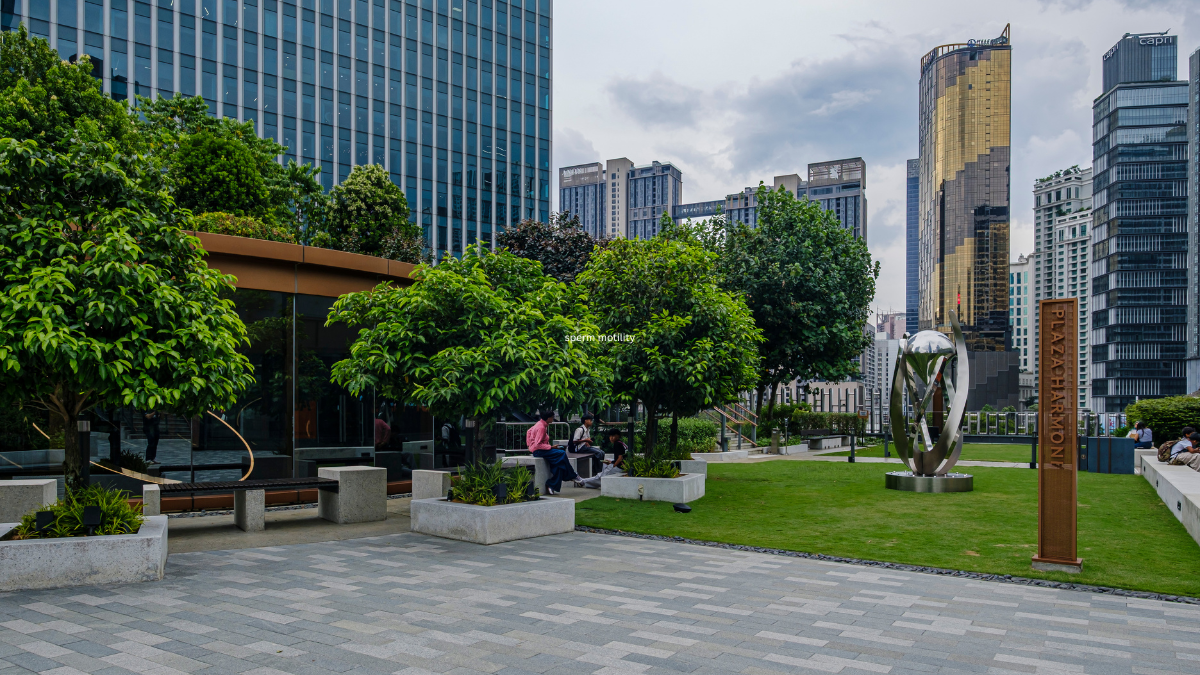
Cities across North America are increasingly recognizing that the green infrastructure growing along their streets and parks is not a luxury but a necessity. Urban trees provide measurable economic, environmental, and public health benefits that few other municipal investments can match. From reducing energy costs to improving mental well-being, the case for prioritizing urban forestry has never been stronger. Understanding why trees matter so deeply to city life is the first step toward appreciating the professionals who care for them and the communities that champion their growth.
The Environmental Powerhouse Growing in Your Neighborhood
Trees are among the most efficient natural systems on the planet. A single mature tree can absorb hundreds of pounds of carbon dioxide annually while releasing oxygen, filtering particulate matter, and intercepting stormwater that would otherwise overwhelm drainage systems. In dense urban environments, this work becomes even more critical. Impervious surfaces like roads, parking lots, and rooftops prevent rainwater from soaking into the ground, leading to runoff that carries pollutants into local waterways. A well-placed tree canopy softens that impact significantly, holding water in its leaves and root systems before releasing it slowly back into the soil and atmosphere.
Beyond stormwater management, urban trees actively combat the heat island effect. Cities tend to run several degrees warmer than surrounding rural areas because of the heat absorbed and re-radiated by concrete and asphalt. Tree canopy coverage reduces surface temperatures by providing shade and releasing water vapor through a process called transpiration. Neighborhoods with robust tree coverage are measurably cooler during summer months, reducing the strain on air conditioning systems and lowering energy consumption citywide. According to the U.S. Environmental Protection Agency, urban heat islands contribute to increased energy demand, elevated air pollution levels, and greater heat-related health risks for vulnerable populations, making tree canopy one of the most effective mitigation strategies available to city planners.
The Economic Returns of a Healthy Tree Canopy
The financial benefits of urban trees are often underestimated, but the data tells a compelling story. Properties with mature trees consistently command higher sale prices and rental rates than comparable properties without them. Studies in multiple cities have found that street trees alone can increase residential property values by anywhere from three to fifteen percent. For homeowners and municipalities alike, that represents a meaningful return on a relatively modest investment in planting and maintenance.
Trees also reduce costs that cities would otherwise bear directly. Energy savings are among the most immediate. Shade from strategically placed trees can reduce cooling costs for nearby buildings by fifteen to thirty-five percent, depending on climate and building orientation. Stormwater infrastructure savings are equally significant, as cities spend billions managing runoff, and a healthy tree canopy reduces the volume of water that must be processed through storm drains and treatment facilities. When urban foresters calculate the full range of ecosystem services a tree provides over its lifetime, the return on investment frequently exceeds the cost of planting and maintenance by a factor of two to five.
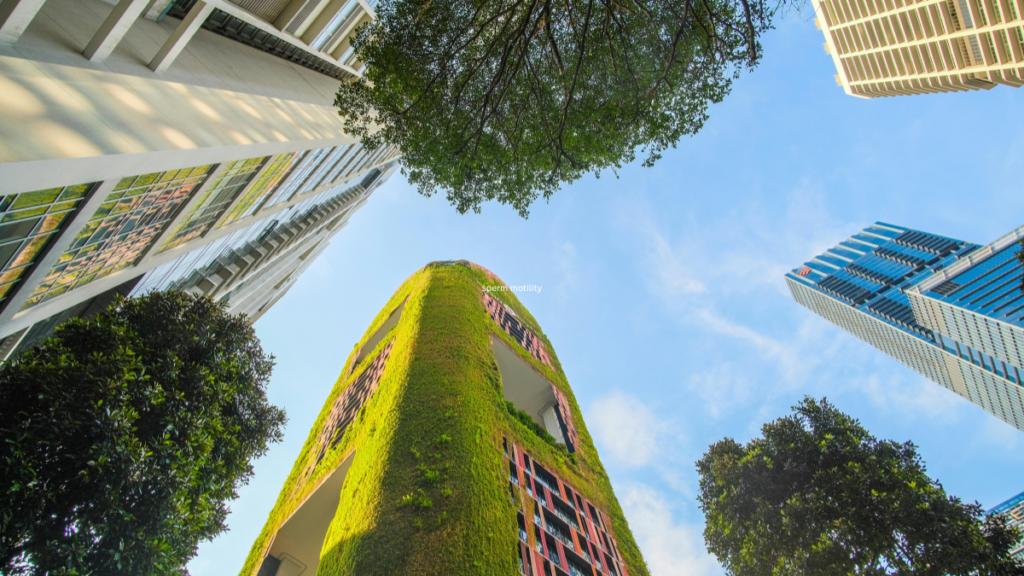
Public Health and the Human Connection to Green Space
The relationship between trees and human health extends well beyond air quality. Research consistently shows that access to green space reduces stress, lowers blood pressure, and improves overall mental health outcomes. Hospital patients with views of trees recover more quickly than those without. Neighborhoods with higher tree coverage show lower rates of anxiety and depression among residents. Children who spend time in natural settings demonstrate improved attention and cognitive function. These are not anecdotal claims but findings supported by decades of peer-reviewed research across multiple disciplines.
Urban trees also encourage physical activity by making outdoor spaces more comfortable and inviting. A shaded park or tree-lined walking path draws people outside in ways that an exposed concrete plaza simply does not. Communities with accessible, well-maintained green infrastructure tend to have more active residents, which translates into lower rates of obesity, cardiovascular disease, and other chronic conditions. The public health dividend of a thriving urban forest is difficult to quantify precisely, but its direction is unmistakably positive.
The Role of Professional Tree Care in Urban Forestry
Planting trees is only the beginning. Maintaining a healthy urban canopy requires skilled, ongoing care from certified arborists who understand the unique stresses trees face in city environments. Urban trees contend with compacted soil, limited root space, air pollution, physical damage from vehicles and pedestrians, and pest pressures that their forest counterparts rarely encounter. Without proper pruning, disease management, and soil care, even a well-established tree can decline rapidly and become a liability rather than an asset.
Professional tree care services play an indispensable role in protecting the investments cities and homeowners make in their green infrastructure. In the Pacific Northwest, where towering conifers and broad-leafed maples define the landscape, this expertise is particularly vital. Residents seeking quality tree service in seattle understand that certified arborists bring not just technical skill but a genuine commitment to the long-term health of the urban forest. Proper care extends the life of valuable trees, prevents storm damage, and ensures that the canopy continues to deliver its full range of environmental and economic benefits for decades to come.
How Communities Can Champion Their Urban Forests
Building a thriving urban forest is a shared responsibility that extends beyond municipal governments and professional arborists. Residents, neighborhood associations, schools, and businesses all have meaningful roles to play. Community tree planting events build social cohesion while expanding canopy coverage in underserved areas. Advocacy for tree-friendly zoning policies ensures that development does not come at the expense of mature trees that took generations to grow. Educating homeowners about proper watering, mulching, and the dangers of improper pruning helps protect the trees already in place.
Cities that have made sustained investments in urban forestry programs consistently report measurable improvements in livability, environmental quality, and resident satisfaction. The most successful programs combine municipal leadership with community engagement, creating a culture in which trees are understood as shared assets worthy of protection and care. When residents see themselves as stewards of the urban forest, the results are transformative.
Urban trees are not decoration. They are infrastructure, medicine, economic engines, and community anchors all at once. The cities that recognize this and invest accordingly are building more resilient, healthier, and more equitable places for everyone who calls them home. Whether you live in a dense urban core or a quieter residential neighborhood, the trees around you are working quietly on your behalf every single day, and they deserve the attention and care that reflects their true value.