
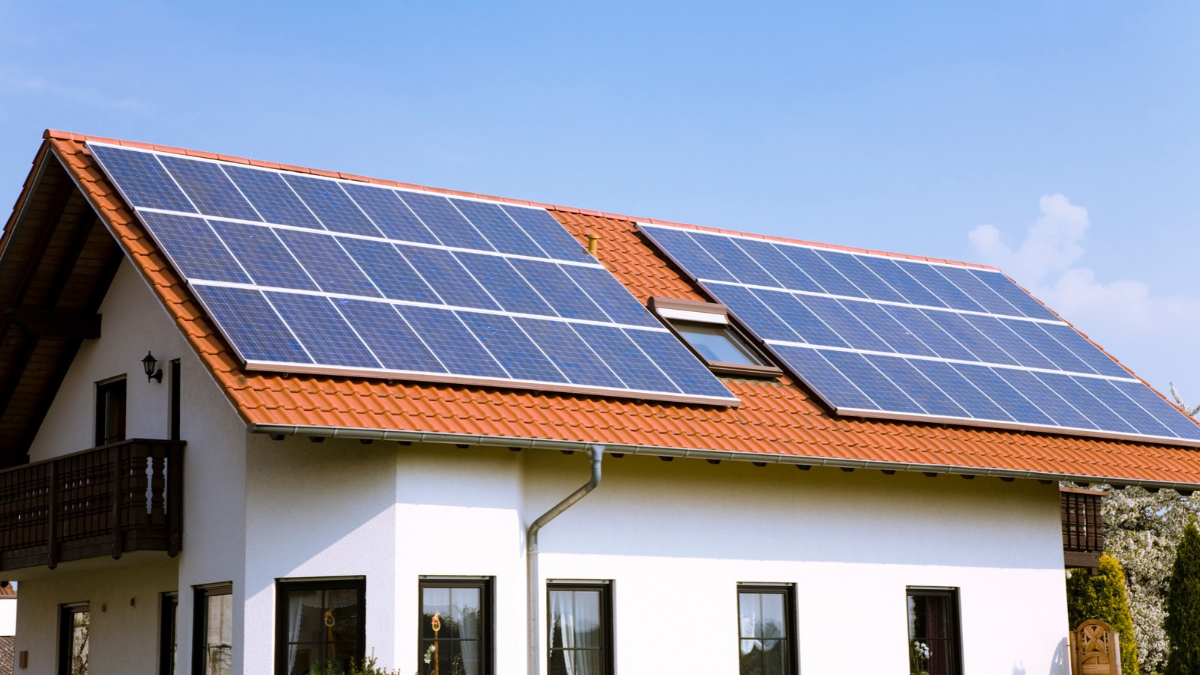
My neighbor Dan got quoted for a 5.1 kW system. I got quoted 9.4 kW. Same street, same utility, roofs that look identical from the sidewalk. He called me convinced one of us was being scammed.
Neither of us was. I spent three weekends digging into why, and the answer turned out to be less about the solar company and more about four things you’d never notice standing in your driveway.
Here’s the part that surprised me most: you can see most of this yourself before you ever call a rep. When I typed my address into solarroofprint.com, it drew panels on my actual roof from overhead imagery, and the layout it produced looked nothing like the one it produced for Dan’s house two doors down. That single comparison explained about 70% of the gap in our quotes.
The gap nobody puts in the brochure
Solar sales decks love the phrase “same sun, same savings.” If you live in a subdivision, that line is doing a lot of quiet lying.
Two roofs can sit 60 feet apart and collect meaningfully different amounts of usable sunlight across a year. The difference isn’t the sun. It’s what’s between your roof and the sun, and how your roof is shaped to catch what gets through.
I’ll admit I went into this assuming the quote difference was pure sales pressure. It wasn’t. Dan’s roof has tucked, awkward planes. Mine has two big clean faces. My installer could lay out panels in neat rows, and rows are cheap. Dan’s crew would have spent a full extra day on flashing and setbacks for a smaller total output. He was paying more per kilowatt because his roof is harder to work on, not because his rep was greedier.
Four things that quietly move your number
1. Shade that only shows up at certain hours
A tree that shades your roof from 4 to 6 pm in July hits you differently than a tree that shades it from 8 to 10 am. Late afternoon shade clips your production. Morning shade can gut it, because that’s when panels are still warming up to peak output.
You can’t judge this from a photo taken at noon. You have to look at the roof across a whole day.
2. Which direction each face actually points
Not every house has a clean south facing roof. Plenty have a front plane facing east and a back plane facing west. That’s still workable, but the panel count changes, and so does the inverter spec.
Dan’s usable area faced southwest. Mine faced a truer south. That shift alone moved both our array sizes.
3. How your utility actually bills you
This one caught me off guard. Some utilities charge you based on your total monthly usage. Others bill around the single highest hour you draw in a month. Those two structures reward completely different system designs.
If your utility uses a peak hour charge, a battery can matter as much as extra panels. If it’s straight usage based, a battery may not pay back for years. The Department of Energy publishes plain language material on how residential rate structures work, and it’s worth a read before you accept any quote that skips this question.
4. Pitch and how much roof you can actually use
Steep roofs produce well but cost more to work on. Flat roofs need tilt hardware. Neither is a dealbreaker, but both change your final number in ways that have nothing to do with the panels themselves.
There’s also a hard limit that gets ignored in most quotes: fire setbacks and access pathways eat usable area. A roof that measures 900 square feet might only take panels on 600 of it.
The Shadow Ledger, and why I’d use it on any roof
I built a simple tracking sheet during my research, and I’ve started calling it the Shadow Ledger. It’s four columns, one per season, listing the hours each roof face sits in shade on a clear day. Filling it out forced me to actually watch my roof instead of guessing.
Here’s what the Shadow Ledger showed me that no quote mentioned: my west face loses usable light earlier in winter than I expected, which is why the calculator capped my panel count lower than I thought my square footage allowed.
Try it for a week. Sit outside with coffee at three different times of day. Note what’s shaded and when. You’ll walk into every installer conversation better armed than most homeowners, and you’ll spot a rep who’s guessing.
Worth knowing too: the physical measurement side of this is well settled. The National Institute of Standards and Technology maintains the reference standards that underpin how irradiance and power output get measured in the first place, so the numbers on a spec sheet trace back to something real rather than a marketing department.
What to do before you call anyone
Four steps, in order. Do them and you’ll cut through a lot of noise.
- Pull twelve months of statements. Solar sizing runs on annual usage, not your worst summer bill.
- Photograph your roof at 9 am, noon, and 5 pm. One trip up a ladder or a drone shot beats any memory.
- Find your utility’s rate structure. Search your provider’s name plus “residential rate schedule.” Confirm whether peak hour charges apply.
- Get a layout, not a lump sum. Any serious quote should show panel placement on your actual roof. If it doesn’t, ask why.
One more thing, and I’ll be blunt about it: neighbor comparisons are a trap. Dan and I landed on different systems because our roofs demand different systems. If you copy a neighbor’s deal, you might buy 40% more panels than your roof can feed, or you might short yourself in winter.
It also helps to know how common your situation is. According to U.S. Census Bureau housing data, most single family homes in this country were built before the 2000s, which means most of them carry roof shapes, additions, and mature tree cover that predate any solar planning. Your house wasn’t designed for panels. That’s a normal starting point, not a red flag.
So which house is “wrong”?
Neither. Dan’s smaller system fits his roof and his shading honestly. Mine fits mine. The mistake would have been either of us accepting a quote that didn’t explain which of these four factors drove the size.
Before your next call, spend one week on the Shadow Ledger, and get a real panel layout drawn on your actual roof. That hour of homework is what separates a quote you understand from a number you just have to trust.