
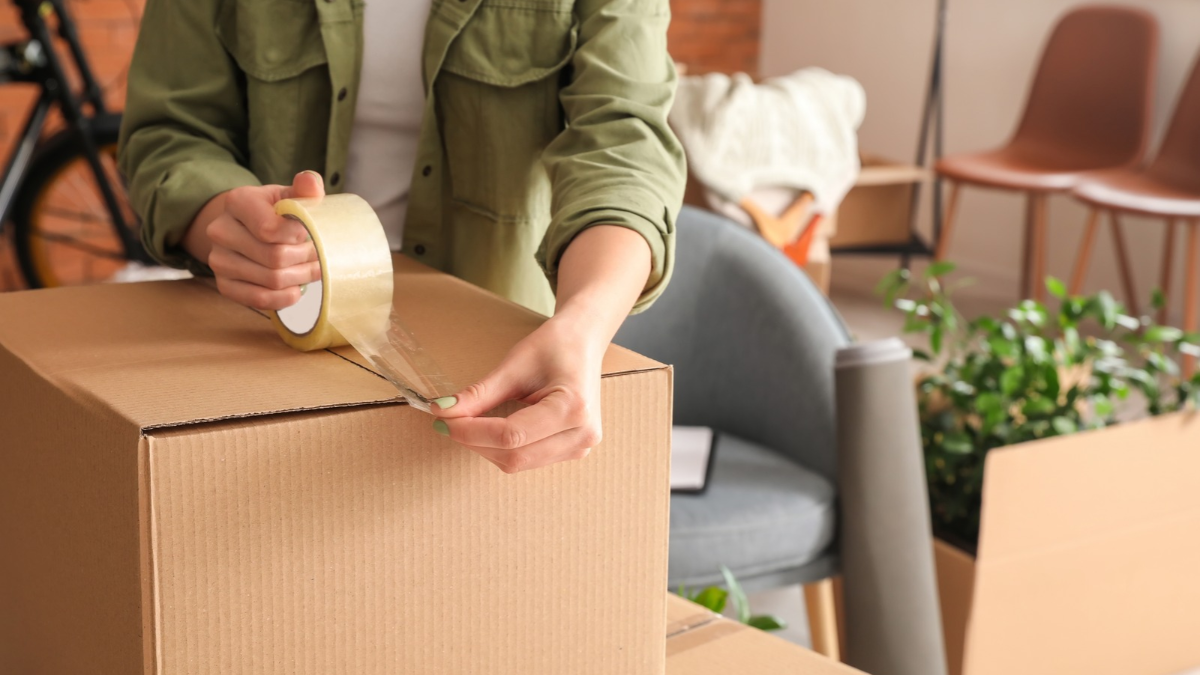
A box can be filled in five minutes and still create an hour of work after a move. Picture a family unpacking on Sunday evening. The dinner plates are wrapped in bath towels, the bottle opener has disappeared into a carton of holiday decorations, and a small but necessary screw from the bed frame is somewhere beneath a pile of kitchen supplies. Everything arrived, but nothing is easy to find.
The problem is not always a lack of effort. People often pack for the moment when belongings leave the old house, rather than for the moment they will be needed again. That is one reason packing and unpacking services come up in conversations about making a move easier. Anyone considering a provider such as Clever Carriers should think about the work on both sides of the journey: preparing items to travel and restoring order once they arrive.
A useful packing system does not require fancy labels or dozens of different containers. It requires choices that make sense when you are tired, standing in an unfamiliar room, and trying to find what you need.
A Full Box Is Not Necessarily a Well-Packed Box
It is tempting to use every available inch of space, especially when boxes and packing materials cost money. But filling gaps with unrelated objects creates problems later. A half-used roll of tape might end up beside dinnerware; loose batteries may find their way into a carton of linens. Neither choice seems serious until somebody has to unpack the whole thing to locate one item.
Choose a single purpose for each box whenever possible. Group everyday glassware separately from seldom-used serving dishes. Keep a set of desk supplies together rather than spreading them through nearby cartons. If a box must contain different categories, write a short contents description on the outside. The aim is not perfect organization; it is making the contents predictable.
Also watch the weight. Large boxes work well for lightweight bedding but become difficult to handle when filled with books or heavy cookware. Smaller boxes are better for dense belongings. A carton that closes neatly but cannot be lifted safely has not saved anyone time.
Think About the First Time You’ll Need Each Item
Before sealing a box, ask when you expect to open it. The answer tells you how carefully it needs to be labeled and where it should go upon arrival. Rarely used decorations can wait. A child’s school uniform, the kettle, or the remote needed to set up an important device probably cannot.
Build a First-Night Kit Around Actual Habits
Generic packing advice often recommends an essentials box, but each household needs something different. A parent may need feeding supplies and pajamas close at hand. Somebody working remotely may require a laptop charger, headset, and reliable access to documents the next morning. A person taking daily medication needs to keep it accessible and stored according to its instructions.
Instead of filling one enormous essentials carton, make manageable personal bags and a small household kit. Include what will be used during the first twenty-four hours, then keep those items separate from the general load. This gives everyone a familiar starting point even if most boxes remain closed.
Let the Destination Decide the Labels
Writing “bedroom” on every clothing carton only helps if the new home has one bedroom. Use labels that identify the owner, room, or specific use, such as “guest room curtains” or “main bedroom winter clothes.” If a room is changing purpose after the move, label for the new arrangement, not the old one.
Clear destination labels make unpacking easier for anyone helping with the move, including family members who have not seen the new floor plan. They also reduce the number of boxes that need to be shifted from one room to another later.
Fragile Belongings Need More Than a Warning Written in Marker
Writing “fragile” on the outside of a carton is useful, but it does not stop glass from striking glass inside. Dishes, decorative objects, and electronics need appropriate protection against movement and pressure. Select sturdy containers, wrap delicate pieces individually where necessary, and fill gaps with suitable cushioning. Follow manufacturers’ packing instructions for electronics or unusual household items.
Be careful with improvised protection. A heavy ceramic bowl surrounded by soft clothing may still move enough to damage something beside it. Newspaper may transfer ink to certain surfaces. And a poorly sealed box can open even if its contents were wrapped properly. A little extra preparation prevents the frustrating experience of discovering an item was damaged when it could have been protected.
This is a useful topic when comparing packing and unpacking services. Ask what materials are included, whether specialty items need separate preparation, and how boxes will be identified at the destination. In a discussion with Clever Carriers, for example, those specifics are more useful than assuming every fragile item will be handled in the same way.
The Kitchen Can Keep You Unpacking for Days
Kitchens contain awkward combinations of objects: heavy pans, delicate glasses, pantry supplies, sharp utensils, and small appliances with removable parts. Packing the room all at once can leave you with many boxes that seem equally urgent. Divide the kitchen by function instead. Put everyday dishes together, keep baking equipment separate, and collect appliance accessories with the machines they belong to.
Clean and dry items before boxing them. Check the handling requirements for appliances, and avoid placing liquids where spills could ruin nearby belongings. Perishable food and certain hazardous materials may be unsuitable for transport; follow the moving provider’s restrictions rather than hiding questionable items inside a sealed carton.
When you arrive, unpack enough equipment to make a simple meal before tackling rarely used gadgets. An organized, usable kitchen is more valuable on the first evening than a perfectly arranged cupboard full of serving trays.
Don’t Start Unpacking Every Room at Once
Once the boxes are inside, opening several cartons simultaneously can make the home feel messier than it did on arrival. Packaging collects on the floor, partially sorted belongings cover furniture, and it becomes difficult to tell what has already been put away. Start with a room that supports daily life, finish its immediate necessities, and then move to the next priority.
You do not have to place every object in its permanent spot immediately. Put frequently used items where they can be reached, and make a separate area for possessions that require a decision. If something no longer fits the new home, set it aside for donation or resale rather than moving it repeatedly from shelf to shelf.
Some households use packing and unpacking services because they have limited time between leaving one property and returning to work or school. Others prefer to pack personal belongings themselves and request assistance with specific rooms. Clever Carriers can be considered as part of that comparison, but the scope of any assistance should be confirmed in advance, including who supplies materials and who decides where items will be placed.
Treat Empty Boxes as Part of the Job
Packing supplies do not disappear when the contents are removed. Flatten empty cartons as you go, collect reusable cushioning, and keep walkways clear. Broken-down boxes can be stored for reuse or recycled where accepted. This small routine prevents an unpacking session from turning into a room full of debris.
Before discarding a carton, check its bottom and packing materials for loose hardware, small accessories, or paperwork. Tiny items are surprisingly easy to miss when crumpled paper is thrown away in a hurry. If multiple people are unpacking, agree on one place to put anything that cannot immediately be identified.
Pack for the Life That Starts After Moving Day
The real purpose of packing is not to produce an impressive stack of sealed cartons. It is to help your belongings arrive in usable condition and make the new space comfortable without unnecessary searching. Think about how each room will function, protect objects according to their needs, and keep the most frequently used possessions accessible.
For families weighing packing and unpacking services, Clever Carriers may be one option to discuss while deciding which tasks they want to manage themselves. Whatever assistance you choose, the biggest improvement comes from packing with the next step in mind. A box that is easy to understand is a box that is easier to put away—and that makes the first week in a new home feel much less chaotic.