
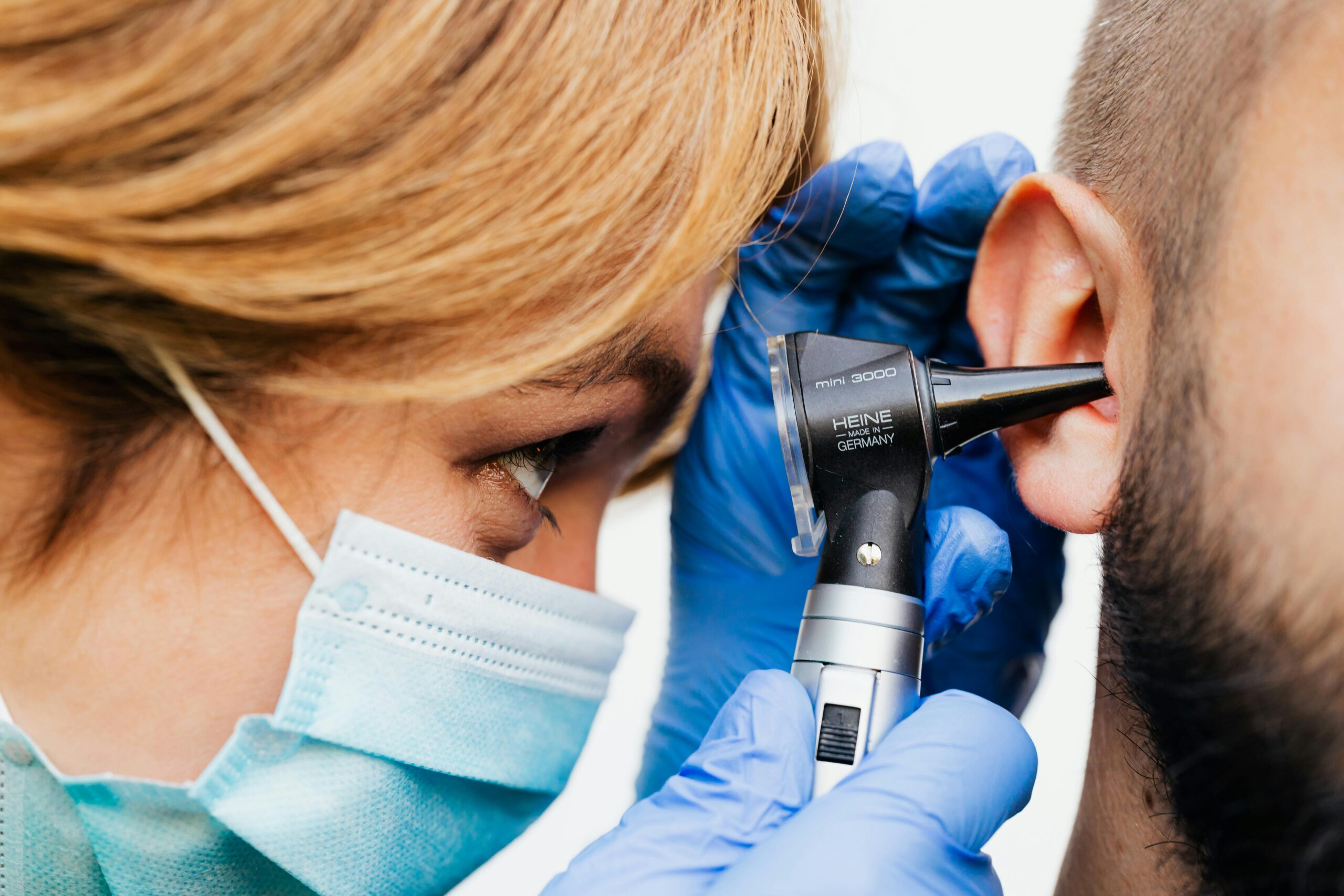
You may not be aware of just how vital it is that you are caring for your hearing, but it really is something that is of central importance. If you are keen to try and do this right, it might be helpful to bear in mind just why it is so important. Looking after your hearing is not only about protecting your ears. It is also about protecting communication, confidence, relationships, mental wellbeing, and even long-term brain health. The more care people take with their hearing throughout life, the easier it often becomes to stay connected to the world around them.
Hearing Shapes Daily Life
Much of everyday life depends on hearing. Conversations with friends, warnings while driving, music, birdsong, laughter, and countless small moments all rely on the brain receiving sound clearly and consistently. When hearing becomes strained, these ordinary experiences can become tiring or frustrating. People with untreated hearing difficulties often find themselves working harder to understand speech. They may need to concentrate intensely during conversations, especially in restaurants, offices, or crowded environments. Over time, this effort can become exhausting. Some people begin withdrawing socially because listening feels stressful or embarrassing, even if they do not consciously realise they are doing it.
Brain Health
One of the most important reasons to protect hearing is the growing understanding of the link between hearing and brain health. Hearing is not simply something the ears do alone. The brain plays a major role in interpreting and organising sound. When hearing becomes reduced, the brain receives less auditory information. It must then work harder to fill in missing gaps during conversations and environmental listening. Researchers have increasingly explored how prolonged hearing loss may place additional strain on cognitive processes such as memory, concentration, and processing speed.
Noise Exposure Matters More Than People Think
Many hearing problems develop because of long-term exposure to loud noise. This does not only apply to concerts or industrial workplaces. Everyday habits can contribute too, including listening to music at high volume through headphones, using loud machinery without protection, or spending extended time in noisy environments. Once hearing damage occurs, it is often permanent. The tiny hair cells within the inner ear do not regenerate in the same way many other cells in the body do. This is why prevention matters so much.
Hearing Affects Emotional Wellbeing
Good hearing supports emotional balance in ways people often overlook. Humans are deeply social creatures, and communication plays a major role in emotional health. When communication becomes difficult, frustration and loneliness can follow. Some people with hearing difficulties report increased anxiety in social settings because they worry about mishearing others. Others may feel embarrassed asking people to repeat themselves frequently. Over time, this can lead to reduced confidence and a sense of disconnection.