
Why High Achieving Women May Struggle With Hypergamous Dating Preferences

by | Aug 30, 2026 | How To | 0 comments

What happens to a preference for a partner who out-earns you once you are the one earning the most? For a growing number of women with graduate degrees and senior titles, that question stopped being hypothetical. The preference was inherited from a period when it described most of the available options. It now describes a shrinking fraction of them, and the women holding onto it are the ones with the least room left at the top of the ladder.

The Preference and Its Pedigree

The pattern is well established in the research literature. David Buss surveyed 10,047 people across 37 cultural samples in 33 countries, and women in 36 of those 37 samples rated good financial prospects higher than men did. Men in the same samples preferred younger partners while women preferred older ones. The result held in Sweden and Norway as firmly as in Iran, which is why it survived decades of arguments that the preference was purely a product of local custom.

That consistency makes the preference a durable statistical tendency, and a tendency is something a person can examine rather than obey. The women most affected are the ones who were raised on the tendency, worked hard enough to invalidate its premise, and never revisited the criterion.

Marriage Outcomes Against Preference

Stated preference and actual pairing diverge in interesting ways here. Between 2019 and 2023, most women in the four lowest income quintiles did marry higher-earning men, which is the expected result. In the highest quintile the figure was 43%, a minority, though a much larger minority than a purely income-blind sorting would produce.

The other half of that finding gets less attention. If 43% of top-quintile women married up, the remaining 57% did not, and those marriages are the ordinary outcome for anyone whose income puts a hard ceiling on how far up the ladder actually goes.

Venues, Criteria and the Search Itself

Criteria come before venues, though most people work in the opposite order. A woman who has not settled what she is weighting will weight income by default, because income is the number easiest to read at a distance.

Women who set out to meet rich guys usually solve the venue problem quickly. The harder part is settling in advance what will actually matter once someone is standing there.

The Arithmetic of a Shrinking Pool

The supply problem is measurable. Pew Research found 47% of American women aged 25 to 34 hold a bachelor’s degree against 37% of men in the same bracket, and women have been outpacing men in college completion in every major racial and ethnic group. Women have outnumbered men among college graduates since 2015.

The pipeline behind those figures is wider still. Women make up close to 60% of undergraduate enrollment, they earned 58.5% of bachelor’s degrees in 2021 and 2022, and their advantage in college enrollment and graduation has widened rather than closed. A woman with a professional degree who requires a partner with equal or greater credentials is drawing from a group that is smaller than her own by a margin of roughly 10 percentage points before any other criterion is applied. Add an age band, a location and a personality requirement, and the remaining set becomes very small.

What the Filter Screens Out

The filter is expensive in a way that is easy to miss, because the men it removes are not obviously deficient. NPR reported that even as women outnumber men in colleges, their later earnings have stayed comparatively flat, which means credentials and income have come apart from each other in both directions. A man in a skilled trade may out-earn a man with a master’s degree, and a man with a master’s degree may earn less than the woman assessing him. Neither fact is legible from a profile or a first conversation.

What the criterion screens out most reliably is men who are steady, present and willing to organize their life around a partner whose career moves first. Those men exist in reasonable numbers. They tend to be filtered at the top of the funnel, before anyone has learned anything about them, on a proxy that was never a very good measure of what makes a household work.

Status Signals Beyond Income

Income is one status signal among several, and it is the one that has become least reliable. Women in the lower income brackets still tend to marry higher earners, though the spousal gap keeps narrowing at every level. The share of opposite-sex American marriages with a breadwinner wife has moved from about 5% in 1972 to roughly 16% today, and a combined 45% of wives now earn the same as or more than their husbands, close to triple the 1972 share.

Competence, social standing, physical presence and the ability to hold a difficult conversation are all status signals, and none of them appears on a pay stub. A partner who is respected in his field, calm under pressure and good with her family is delivering most of what the income proxy was standing in for, and he is doing it in a form that a first meeting can actually assess. A woman who has already secured her own material position is in an unusual spot, because she can afford to weight the signals that predict a workable partnership over the one that predicted material security for her grandmother. Very few people take that option, mostly because the criterion feels like taste, and taste is rarely audited.

A Preference Worth Re-Examining

The uncomfortable part of this is that the preference is not irrational. It tracks a historical condition in which a partner’s resources decided how well a woman’s children fared, and the Buss samples show how widely that tuning still holds. It does not switch off because a woman made partner at 34. What has changed is that the preference now costs the women who hold it most strongly the most, and it costs them in the currency of years. A criterion that reliably eliminates 80% of the men she meets has stopped functioning as a standard and started functioning as a search set to return nothing. Only the person who set it can change the parameters.
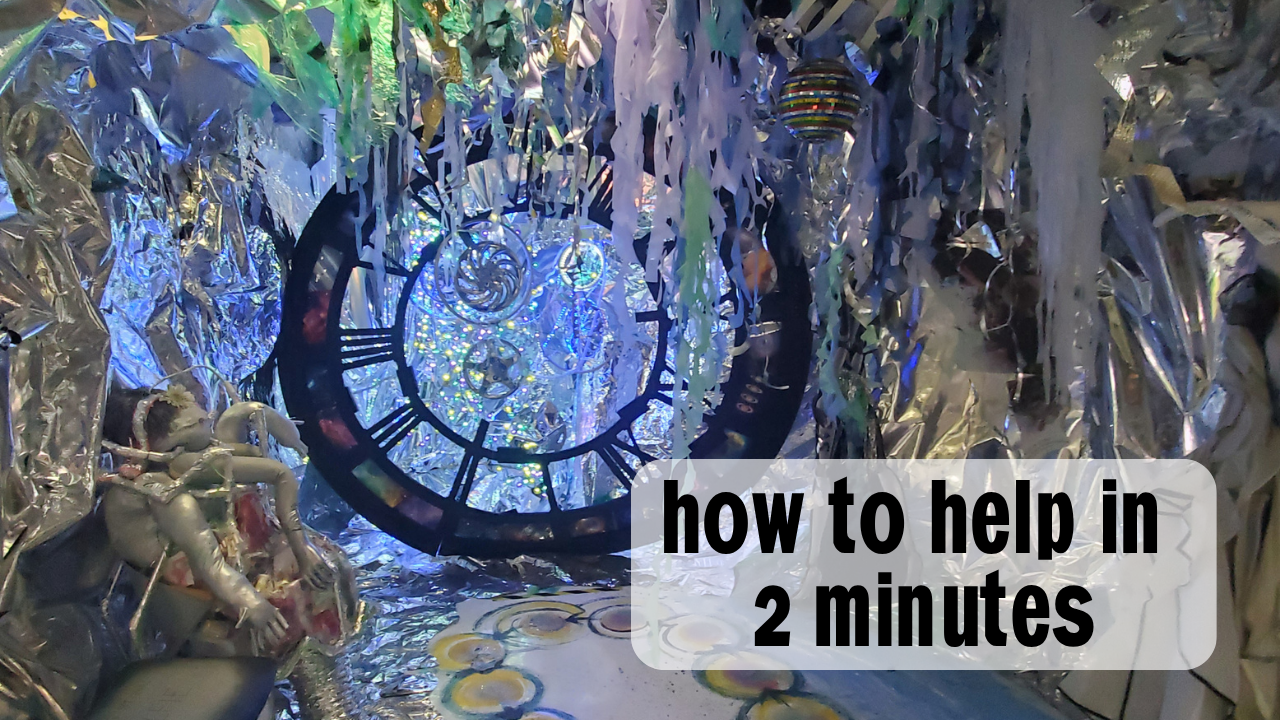
In Columbia, Maryland, there’s a former grocery store that has been transformed into a department store for mythical creatures, time travelers, and intergalactic tourists.

It’s called DoodleHATCH.

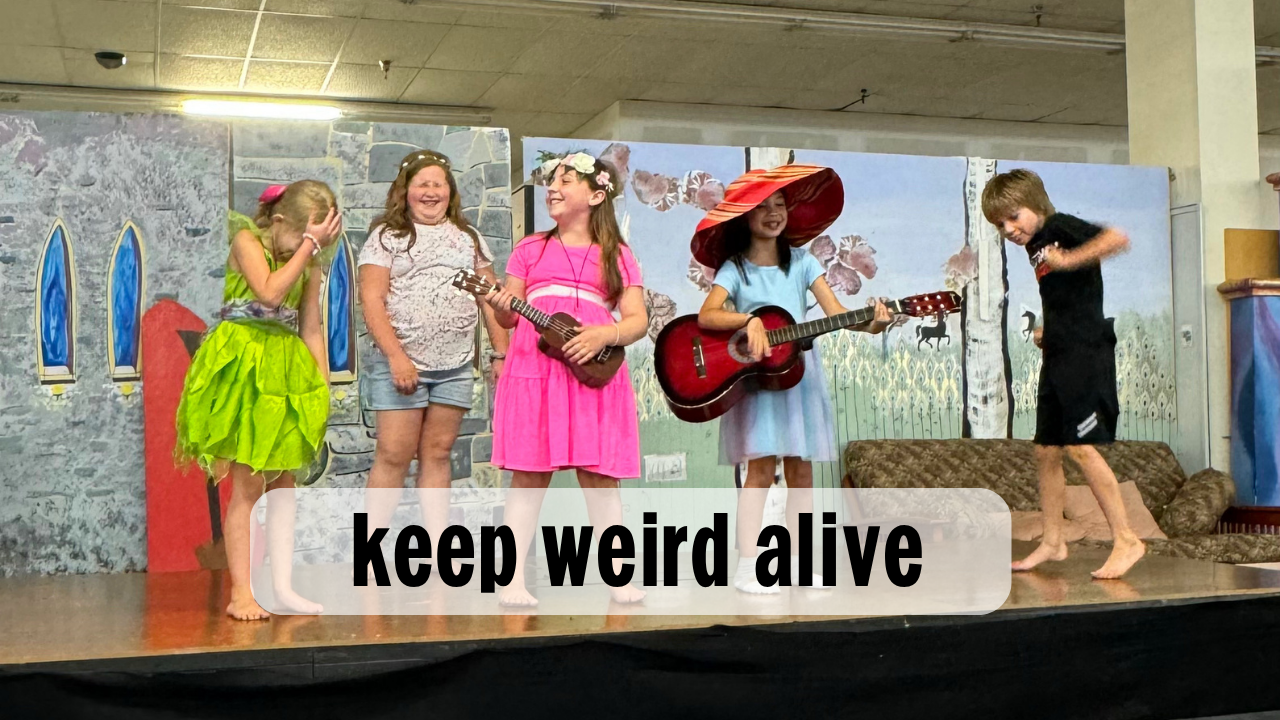
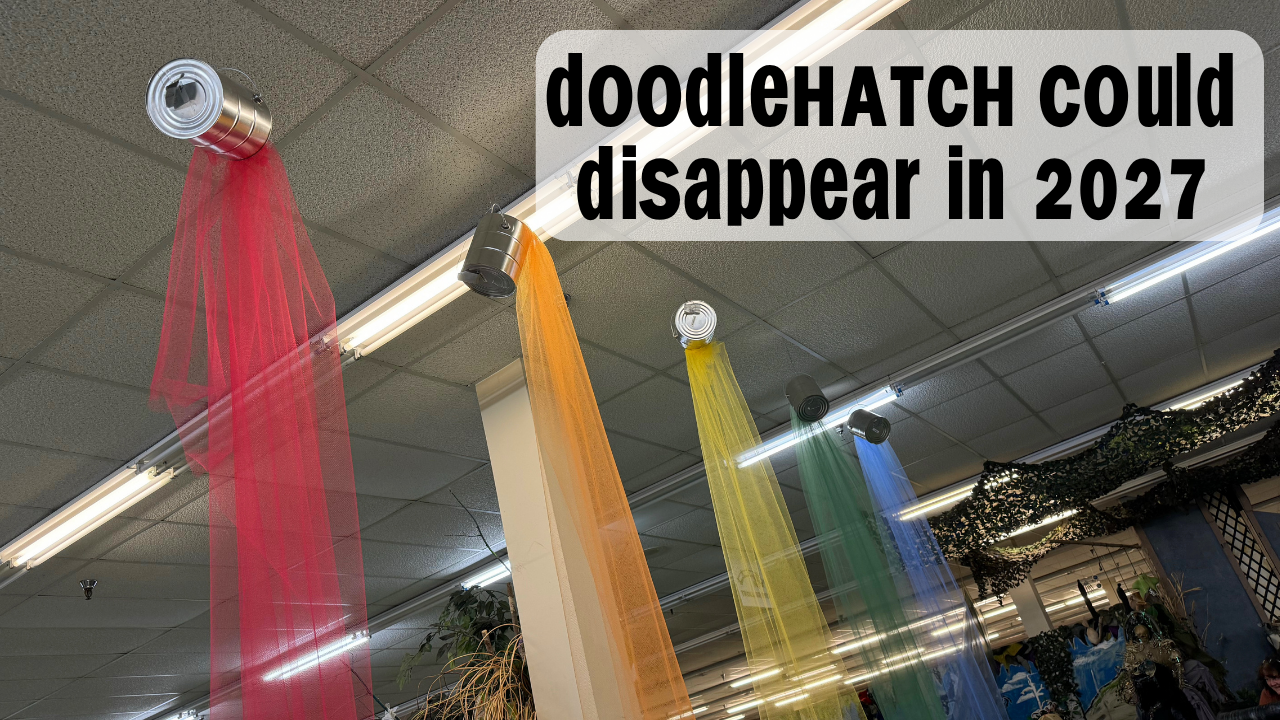
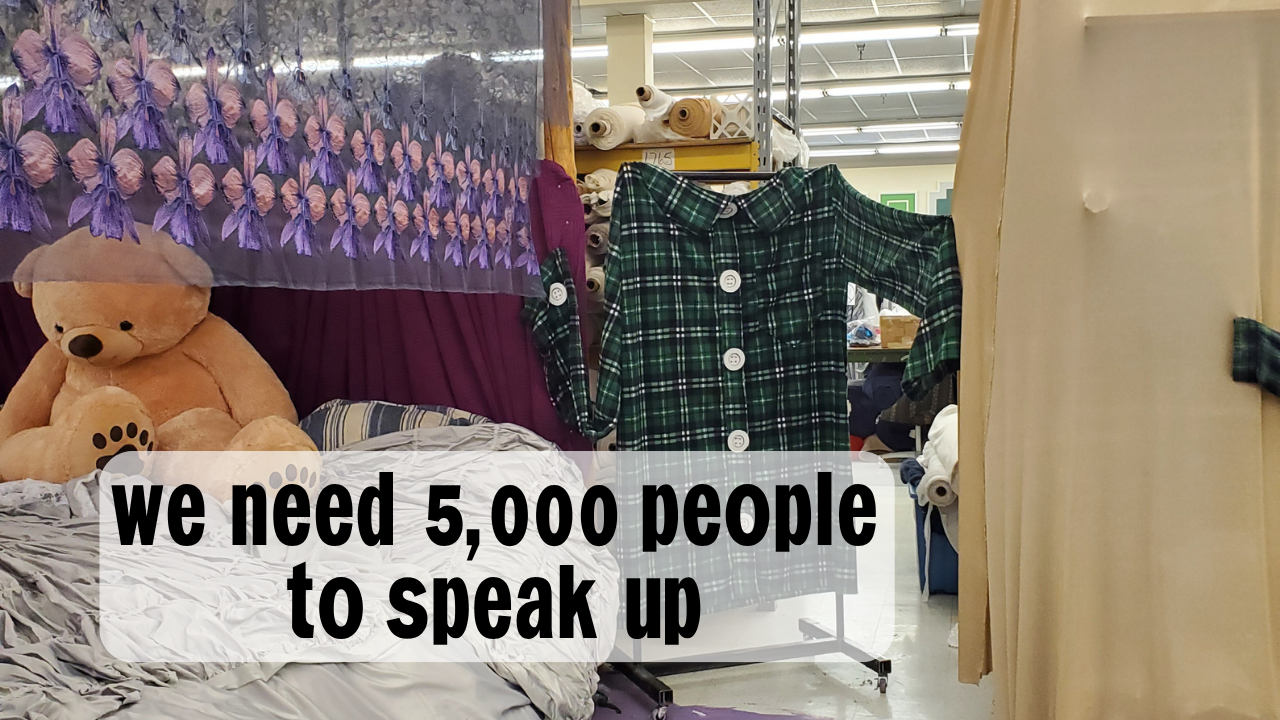
You can groom a unicorn, visit an intergalactic space station, climb onto a giant’s bed, meet guinea pigs, explore an artist’s studio, and discover approximately a million other things that somebody actually sat down and made.

It’s a nonprofit interactive art museum, a community project, an educational resource, and one of my favorite places I’ve ever discovered.

And it could be demolished as part of a proposed redevelopment of the Long Reach Village Center.

But there’s still an opportunity to help.

You don’t need to donate money. You don’t need to live in Maryland. And you don’t need to know anything about zoning laws.

You can start by writing an email.

🚨 Here's what's happening

Developer Columbia Concepts has proposed redeveloping the Long Reach Village Center in Columbia, Maryland.

The proposal would replace existing buildings with new housing, recreational facilities, and other development.

Unfortunately, that puts a whole collection of existing community resources at risk of being demolished, including:

  • DoodleHATCH Interactive Art Museum
  • Maryland Fashion Institute
  • A makerspace used for community education
  • Local restaurants, shops, and service businesses
  • Early childhood education and community programs
  • A 140-foot-long mural created by approximately 100 community members

This isn’t just about losing a fabulous museum. It’s about losing an entire collection of places that people have built, supported, and relied on.

And there’s another possibility!

🌈 Meet The REALM

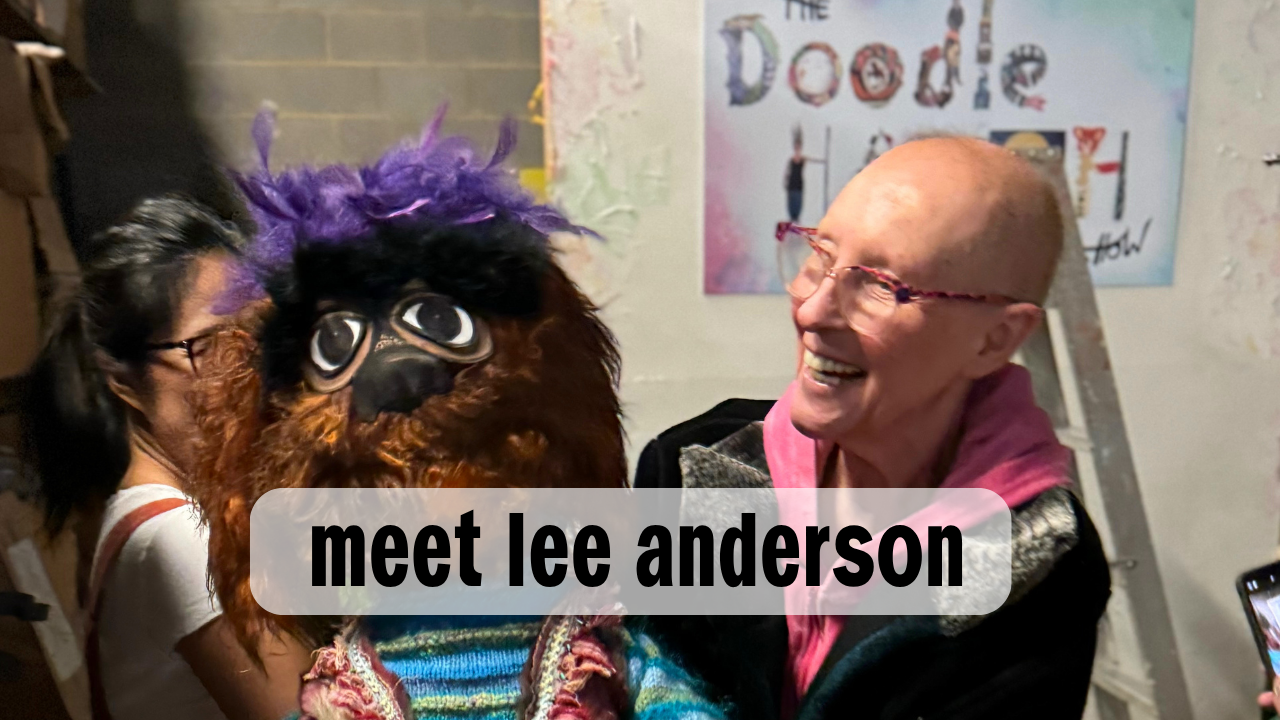
Lee Andersen, the founder of DoodleHATCH, and her nonprofit ManneqART want to preserve the existing community resources and transform the village center into an arts and culture destination called The REALM.

Imagine a place where artists have studios, children have room to explore, students can learn creative skills, people can attend performances, and local businesses continue serving their neighbors.

There are plans for a performing arts space, more opportunities for artists, and a Witches Kitchen that might serve you a horrible-disgusting breakfast.

Which, personally, I think sounds promising.

The people behind DoodleHATCH are gathering support to oppose the developer’s zoning proposal and advocate for The REALM.

And they’d love your help.

💌 How to help in about two minutes

If you live in Howard County, Maryland

If you’re 18 or older, DoodleHATCH is asking eligible county residents to visit the museum and sign their petition in person.

📍DoodleHATCH Interactive Art Museum

8775 Cloudleap Court, Unit 101
Columbia, MD 21045

⏱️ Museum hours: Friday–Sunday, 10 AM–5 PM.

And while you’re there, I highly recommend exploring the museum. Bring someone who needs a reminder that being an adult doesn’t mean you have to stop enjoying ridiculous things.

If you don't live in Howard County

You can still help!

DoodleHATCH is collecting emails from people who oppose the proposed Columbia Concepts redevelopment and support preserving the existing arts and community resources through The REALM.

Send your email to: Lilou@DoodleHATCH.com

Suggested subject: Support The REALM | Oppose Columbia Concepts Zoning Proposal ZB 1132M

You can write your own message or use one of the templates below.

You don’t need to write an essay. A short, genuine message explaining what you support and why is enough to participate in this email campaign.

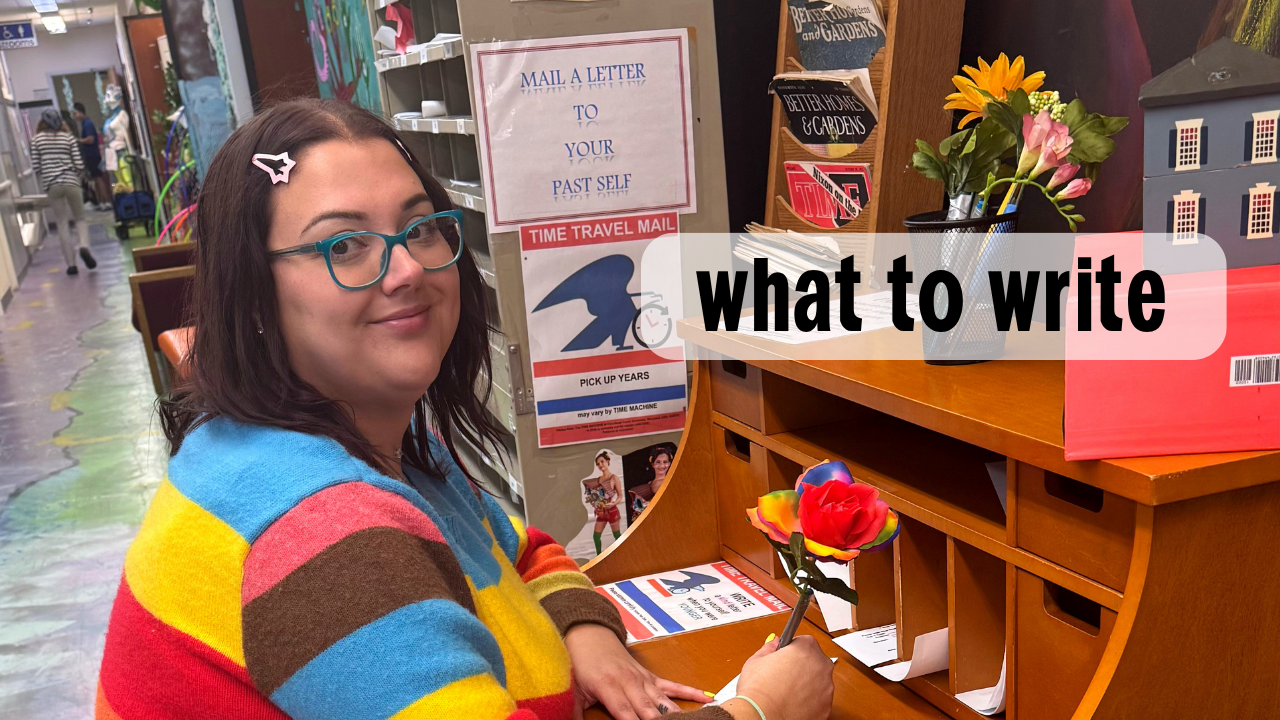
✍️ What should your email say?

To make your position clear, include these three things:

1. Say what you’re opposing.

State that you oppose the proposed Columbia Concepts redevelopment and zoning amendment for the Long Reach Village Center, case ZB 1132M.

2. Say what you’re supporting.

Express your support for preserving DoodleHATCH, the Maryland Fashion Institute, existing community resources, and the proposed arts and culture center called The REALM.

3. Explain why you care.

This is the part that makes your email yours.

Maybe you’ve visited DoodleHATCH. Maybe you’re a parent who wants more creative places for children. Maybe you’re an artist, an educator, or someone who thinks it’s important to protect the few spaces where people can explore and make things without needing to buy something.

Maybe you live across the country and just learned that there’s a department store for mythical creatures in Maryland, and you think the world would be a little less interesting without it.

That’s a perfectly good reason to care.

💌 Email templates you can copy

Option 1: Short, simple, and effective

Subject: Support The REALM | Oppose ZB 1132M

Hello,

I’m writing to express my opposition to the proposed Columbia Concepts zoning amendment and redevelopment of the Long Reach Village Center (ZB 1132M).

I support preserving DoodleHATCH, the Maryland Fashion Institute, and the existing community services and small businesses, as well as the proposal to create The REALM arts and culture center.

Creative and educational spaces like these provide valuable opportunities for families, artists, students, and the wider community. I believe they deserve to be protected.

Please include my email with the messages of support being collected for DoodleHATCH and The REALM.

Thank you,

[Your Name]
[Your City/State]

Option 2: For artists, creatives, and fellow merriment makers

Subject: Please Protect DoodleHATCH and Support The REALM

Hello,

I’m writing in opposition to Columbia Concepts’ proposed redevelopment and zoning amendment for the Long Reach Village Center (ZB 1132M), and in support of The REALM.

I believe communities need places where creativity, imagination, and play are actively encouraged.

DoodleHATCH is an extraordinary example of what can happen when artists and community members are given room to create something that doesn’t fit into an ordinary commercial space.

Places like this are rare. They encourage people of all ages to experiment, learn, explore, and connect with one another.

I support preserving DoodleHATCH, the Maryland Fashion Institute, the existing community resources, and the vision for The REALM.

Thank you for collecting these messages and advocating for the creative community.

[Your Name]
[Your City/State]

Option 3: For people who've visited DoodleHATCH

Subject: Please Save DoodleHATCH | Oppose ZB 1132M

Hello,

I’m writing to express my opposition to the proposed Columbia Concepts redevelopment and zoning amendment for the Long Reach Village Center (ZB 1132M), and my support for The REALM.

I’ve personally visited DoodleHATCH, and I want to share why I believe it’s worth preserving.

[Write two or three sentences about your experience. What did you see? Who did you bring? What surprised you? What made you want to return?]

DoodleHATCH is more than a collection of exhibits. It’s a place where creativity is something people can actively participate in, and I believe losing it would be a tremendous loss to the community.

I support preserving the museum, the Maryland Fashion Institute, and the other existing community resources through the proposed arts and culture center, The REALM.

Please include my email with the messages of support you’re collecting.

Thank you,

[Your Name]
[Your City/State]

A few tips before you hit send

DO:

  • Use your real name.

  • Include your city and state so organizers can understand where support is coming from.

  • Clearly identify the redevelopment proposal you’re opposing.

  • Specifically mention your support for The REALM.

  • Add a personal sentence or two if you can.

  • Be respectful, even if you’re frustrated.

  • Share this page with other people who might want to help.

DON’T:

  • Pretend to be a Howard County resident if you’re not.

  • Claim to have visited DoodleHATCH if you haven’t.

  • Make up experiences or information.

  • Send threatening, insulting, or harassing messages.

  • Assume your email is the same thing as signing the official petition.

  • Worry about making your message sound impressive. Clear and genuine is better than elaborate.

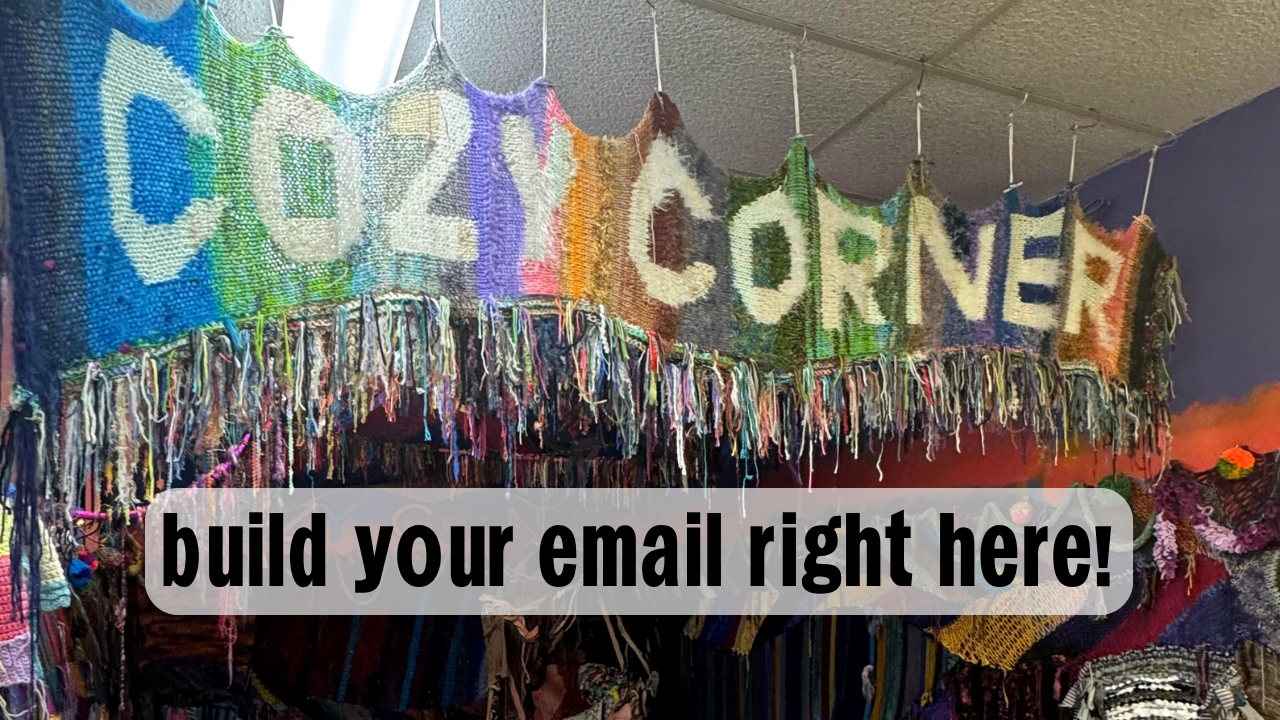
💌 The Save DoodleHATCH Email Machine

A few clicks, a little personality, and an email that helps support DoodleHATCH and The REALM. No account or signup required.

What's your connection to DoodleHATCH?
Why does protecting places like this matter to you?
✨ Your email preview
To: Lilou@DoodleHATCH.com
Subject:

Your information stays in your browser until you choose to copy or open the message. The email does not send automatically. Emails support DoodleHATCH's advocacy campaign; they are not the same as official petition signatures or zoning testimony. Please review the message before sending.

🐹 Wait. What exactly is DoodleHATCH?

I’m so glad you asked.

DoodleHATCH is an interactive art museum in Columbia, Maryland, created by artist, designer, and professional generator of wildly ambitious ideas, Lee Andersen.

The museum is designed as a pretend department store for mythological creatures, time travelers, and galactic tourists.

There are dozens of installations, and unlike most museums, you’re encouraged to touch things, explore, and participate.

There’s also an artist’s studio full of fabric and handmade garments, workshops, special events, birthday parties, free books, and opportunities for local artists to share their work.

The museum welcomes families and children, but adults are absolutely allowed to enjoy themselves, too.

And the woman behind it has spent decades bringing creativity into the community through fashion, festivals, education, and public art.

I discovered DoodleHATCH in 2020 and loved it so much that I started volunteering.

I’ve been back multiple times, and there are still things I haven’t seen.

That’s part of what makes it special. You can keep discovering things because people keep creating them.

You don't have to live near DoodleHATCH to care about it.

There are Merriment Makers everywhere.

People turning empty buildings into art spaces. People organizing parades. People teaching kids how to sew, paint, dance, or build things. People putting enormous amounts of time into projects that make their communities more interesting.

Sometimes they’re running nonprofits. Sometimes they’re working out of their garages. Sometimes they’re making something weird in a strip mall that you might drive past a hundred times without realizing what’s inside.

I hope you’ll help protect DoodleHATCH.

And I hope you’ll look around your own community, too. Visit the strange little museum. Go to the local art show. Find the person who makes giant puppets or organizes an absurd annual festival. Spend your money at the independent shop with the handmade things.

There are people everywhere creating reasons for us to be curious about being alive.

I’d like them to be able to keep doing that.

Help save DoodleHATCH. Help protect The REALM. Help keep the world interesting.

💌 Email: Lilou@DoodleHATCH.com

🌈 Visit: DoodleHATCH.com

🦄 Share: Uncustomary.org/Doodle