
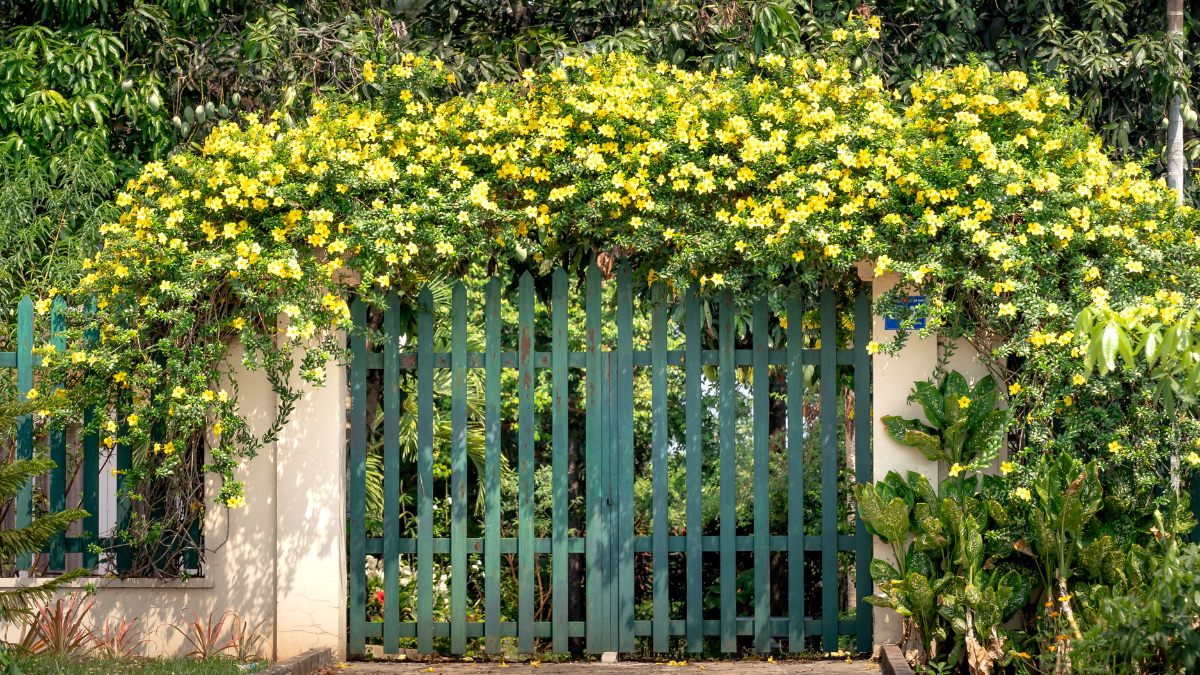
A gate is one of the most frequently used parts of a fence, yet its location can receive less attention than the surrounding panels. An entrance that looks appropriate on a drawing may become inconvenient when residents begin using it daily. Gate placement and opening direction influence movement, accessibility, and the practical relationship between outdoor spaces.
Thoughtful Fence Installation planning considers how people, equipment, and household activities move through the property. A gate serving a garden has different requirements from one connecting a driveway to a backyard. Recognizing these differences before construction helps prevent awkward entrances and unnecessary obstacles.
Hawk Fences can help homeowners evaluate gate locations in relation to walkways, landscaping, buildings, and outdoor activities. The most convenient entrance is not always the shortest opening along a boundary. A successful arrangement should support natural movement while allowing the gate to operate safely and reliably.
Gate Placement Should Follow Everyday Movement
The best gate location usually reflects how residents naturally travel between different parts of their property. Homeowners may regularly move between a driveway and backyard, carry gardening supplies, or access outdoor storage. These activities provide useful clues about where an entrance belongs.
A gate positioned away from common travel routes can create unnecessary walking and inconvenience. Residents may eventually avoid the intended entrance or develop awkward alternative routes.
Observing daily routines before selecting a location helps identify practical access points. This approach gives the gate a clear purpose within the overall fencing design.
Understand the Difference Between Gate Types
Pedestrian gates and wider access gates serve different functions. A pedestrian entrance generally accommodates people moving through the property, while larger openings may support lawn equipment, wheelbarrows, or other bulky items. The intended use should guide dimensions and hardware selection.
A narrow entrance may work comfortably for occasional foot traffic but become frustrating during routine yard maintenance. Conversely, an unnecessarily large gate may introduce additional structural and operational considerations.
Homeowners should identify the largest equipment that will regularly pass through each opening. Planning around actual requirements creates a more practical result.
Opening Direction Affects Available Space
A swinging gate requires unobstructed space throughout its operating path. Its direction can influence whether people can move comfortably through the entrance or encounter nearby obstacles. Landscaping, walkways, steps, and outdoor furniture all deserve consideration.
An inward-opening gate may suit one location, while another entrance might require a different arrangement. The decision should reflect physical conditions and applicable requirements.
Check the Complete Swing Area
Homeowners should visualize the gate moving from fully closed to fully open. Objects that appear distant from the opening may still interfere with its movement. Checking the complete swing path helps identify potential conflicts before construction.
Consider Access From Driveways and Walkways
Gates near driveways often support frequent movement between parking areas and private outdoor spaces. Their placement should allow people to approach naturally without navigating parked vehicles or narrow passages. Nearby walkways can provide useful guidance.
An entrance positioned directly behind a typical parking location may become difficult to use. Similarly, a gate opening across a narrow walkway can interrupt pedestrian movement.
Hawk Fences LLC can evaluate these relationships when discussing suitable entrance locations. Coordinating access with existing circulation patterns makes the finished arrangement more convenient.
Plan Around Lawn Equipment and Garden Tasks
Outdoor maintenance often requires moving equipment between storage areas and different sections of the yard. Lawn mowers, carts, wheelbarrows, and gardening supplies may need more clearance than ordinary pedestrian traffic. Gate planning should account for these activities.
A convenient opening can reduce the need to maneuver equipment through tight spaces. It may also prevent repeated contact with gateposts or nearby landscaping.
Homeowners should consider both equipment width and the space required for turning. A wide opening alone does not guarantee comfortable access when the approach is restricted.
Sloped Ground Creates Additional Challenges
Changes in elevation can influence how a swinging gate operates. A gate installed near sloping ground may encounter clearance problems as it opens. The relationship between the gate’s lower edge and surrounding terrain therefore deserves attention.
Even a modest slope can affect the available swing path. Uneven paving, raised garden borders, and nearby steps may create similar complications.
Evaluate Clearance Throughout the Opening
Ground clearance should be considered across the entire operating area rather than only beneath the closed gate. Seasonal ground conditions and surface irregularities may also influence practical operation. Appropriate planning helps prevent dragging and interference.
Gate Width Influences Structural Requirements
Wider gates create different demands on hinges, posts, and supporting components. Their weight and dimensions influence how the opening should be designed. Material selection and hardware specifications therefore matter alongside convenience.
A single wide gate may not always be the most suitable arrangement. Depending on the application, paired gates or another configuration may provide a practical alternative.
Fence Installation decisions should account for these structural relationships before finalizing the opening. Proper support helps the gate operate consistently under ordinary use.
Latch Placement Should Support Comfortable Access
Gate hardware influences how easily residents can enter and leave an enclosed area. Latches should be positioned appropriately for the intended users and application. Their operation should also suit the gate’s direction and construction.
A latch that is difficult to reach can make an otherwise convenient entrance frustrating. Hardware positioned near obstacles may create similar problems.
Special applications, including pool enclosures, may require particular latch heights or self-closing features. Applicable safety rules should always guide these decisions.
Consider Children and Pets During Planning
Households with children or pets may have additional expectations for gate security and convenience. An entrance should close reliably and support the property’s intended level of enclosure. Hardware selection can influence how consistently the gate remains secured.
A frequently used backyard gate may benefit from appropriate self-closing or self-latching components. However, the correct solution depends on the specific application.
Homeowners should also consider whether an opening creates access to streets, driveways, or other areas requiring greater caution. Gate design should reflect these everyday circumstances.
Multiple Gates Can Improve Property Access
Some properties benefit from more than one entrance along the fence line. Separate access points may connect a driveway, garden, storage area, and outdoor living space. Their usefulness depends on how frequently residents move between these locations.
Additional gates introduce cost, hardware, and maintenance considerations. Installing several openings without a clear purpose can unnecessarily complicate the fencing layout.
Hawk Fences LLC can discuss whether multiple entrances would improve movement around the property. Each gate should serve a recognizable function rather than simply interrupt the boundary.
Coordinate Gates With Existing Outdoor Features
Patios, retaining walls, planting beds, sheds, and utility areas can influence suitable gate positions. These features may restrict the opening path or create narrow approaches. Reviewing their relationship with the proposed entrance helps avoid conflicts.
Future outdoor improvements also deserve consideration. A planned walkway or garden structure could change how an entrance needs to function.
Gate locations should be selected with both current and reasonably foreseeable property uses in mind. This reduces the likelihood of inconvenient adjustments later.
Review Regulations and Safety Requirements
Local rules may influence gate placement, opening direction, and hardware specifications. Requirements can be particularly important around pools, public walkways, and regulated access areas. Homeowners should verify applicable standards before approving a design.
Property boundaries and easements may also affect where entrances can be located. A gate should not interfere with areas where access or construction is restricted.
Reviewing these matters early helps prevent avoidable revisions. Practical convenience must remain consistent with relevant legal and safety requirements.
Thoughtful Gate Planning Improves Everyday Function
A well-positioned gate supports comfortable movement while fitting naturally into the surrounding fence. Opening direction, width, hardware, terrain, and nearby obstacles all influence its usefulness. These details deserve attention before construction rather than after operational problems appear.
Successful Fence Installation treats gates as functional parts of the overall property layout. Each entrance should reflect the activities it supports and the space available for safe operation.
By evaluating daily routines, access requirements, and surrounding conditions, homeowners can make more informed gate decisions. The result is a fencing arrangement that provides dependable boundaries without making ordinary movement around the property unnecessarily difficult.