
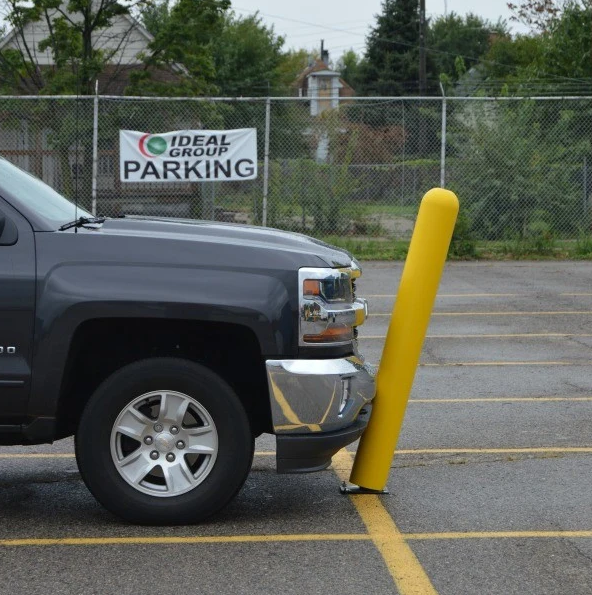
A busy parking area can be difficult to organize without clear boundaries. Vehicles may come too close to a building, cross into a walkway, or enter an area that is supposed to be clear. Painted lines can show where cars should be parked, but they can’t always create a physical barrier.
Parking bollards offer a simple means of separating areas for vehicles from areas that require protection. They are useful near buildings, entrances, walkways, corners, and other places where clear boundaries are important. Moreover, they also help to direct the flow of traffic and make restricted areas easier to spot.
Beyond creating clear boundaries, some bollards can flex when struck, while different sizes and finishes can suit different parking layouts. With the right setup, bollards can help you manage traffic, protect fixed features, and make better use of available parking space.
Wondering how they help you do that?
Here are the main reasons.
1. Define and Protect Vehicle Boundaries
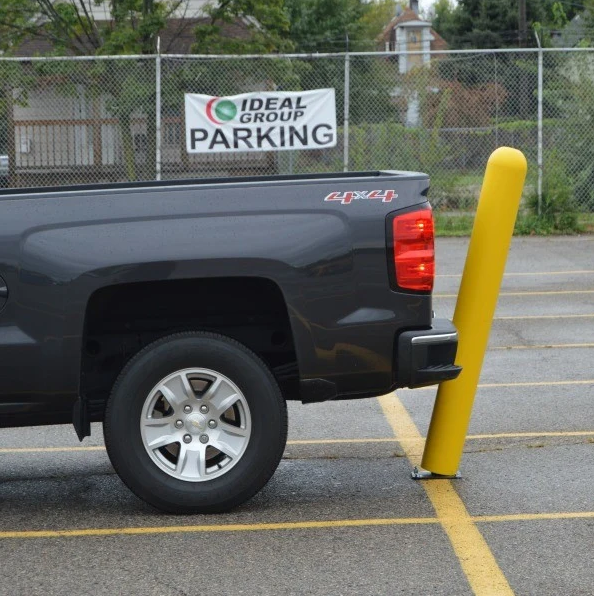
Parking bollards create a clear physical line between vehicle areas and spaces that need protection. You can place them near building fronts, walkways, entrances, corners, and other locations where you need to limit vehicle access.
A physical barrier is more than a painted line. It can help keep cars in designated parking or driving zones, since drivers can see where a vehicle path ends and where another area begins.
Bollards can also create a buffer around places that need the extra space. For example, placing them between parked vehicles and a building entrance can help keep cars from moving too close to the structure. The same approach can separate vehicle lanes from pedestrian paths or equipment areas.
Clear boundaries also make parking layouts easier to understand. When you can see where a vehicle should stop, turn, or change direction, you have a stronger physical guide than pavement markings alone.
2. Manage Vehicle Impact with Flexible Designs
Even in the best planned parking areas, accidental contact can occur. The driver may misjudge a turn, come too close to a boundary, or touch it when entering or leaving a space.
Flexible bollards behave differently to rigid posts. Some designs allow the bollard to move when a vehicle hits it, supporting that movement with a spring-based system.
That flexibility can be handy in places where low-speed contact might take place. Bollard impact performance research further demonstrates how bollard design can impact protection and energy absorption during vehicle impact.
Mobility adds another element to your protection strategy. When deciding if a flexible design is appropriate for your parking area, consider the type of traffic, available space, surrounding structures, and possibility of impact.
A flexible bollard does not remove the need for proper installation. Position the barrier carefully and select a design suited to the location and level of protection required.
3. Guide Vehicle Movement Through Parking Areas
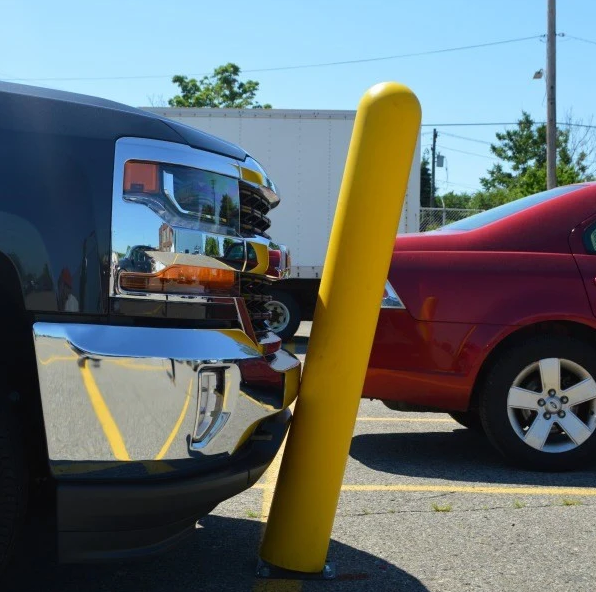
Clear vehicle paths make parking areas easier to navigate. Bollards help guide drivers around corners, entrances, walkways, and sections where vehicles should not pass. Where you position each bollard helps shape the route through the parking area. Markers can also separate driving lanes from spaces that need to remain open.
A well-planned bollard layout supports smoother movement without filling the lot with unnecessary barriers. Fewer physical markers may be needed when you place them where they clearly define the intended path.
Bollards can also help organize areas where vehicles need to follow a particular direction. For example, you can use them to create a clearer route around a building, guide vehicles toward an exit, or separate an entry path from a pedestrian route.
A defined route can make better use of available space. Instead of allowing vehicles to move across open sections without clear direction, you can use physical markers to shape movement and keep key paths open.
The goal is not to place barriers everywhere. A thoughtful layout gives drivers enough room to move while making the intended route easier to follow.
4. Mark Restricted Areas with Better Visibility
A barrier needs to be easy to see if you want drivers to notice it in time. Visible bollards help mark spaces where vehicles should not enter, stop, or park.
Color can make a bollard stand out against pavement, buildings, and parked vehicles. Bright or contrasting finishes may draw attention to boundaries, especially in locations with regular vehicle movement.
A clear visual marker becomes especially useful when a restricted section may not be obvious from a driver’s position. From behind the wheel, a noticeable bollard gives you a clear point to recognize while moving through the lot.
You can also use several bollards to create a continuous boundary around a protected zone. Spacing them appropriately can make the intended limit easier to understand without blocking more of the parking area than necessary.
The bollard should sit where drivers have enough distance and visibility to recognize the boundary and adjust their path.
5. Support Long-Term Space Protection
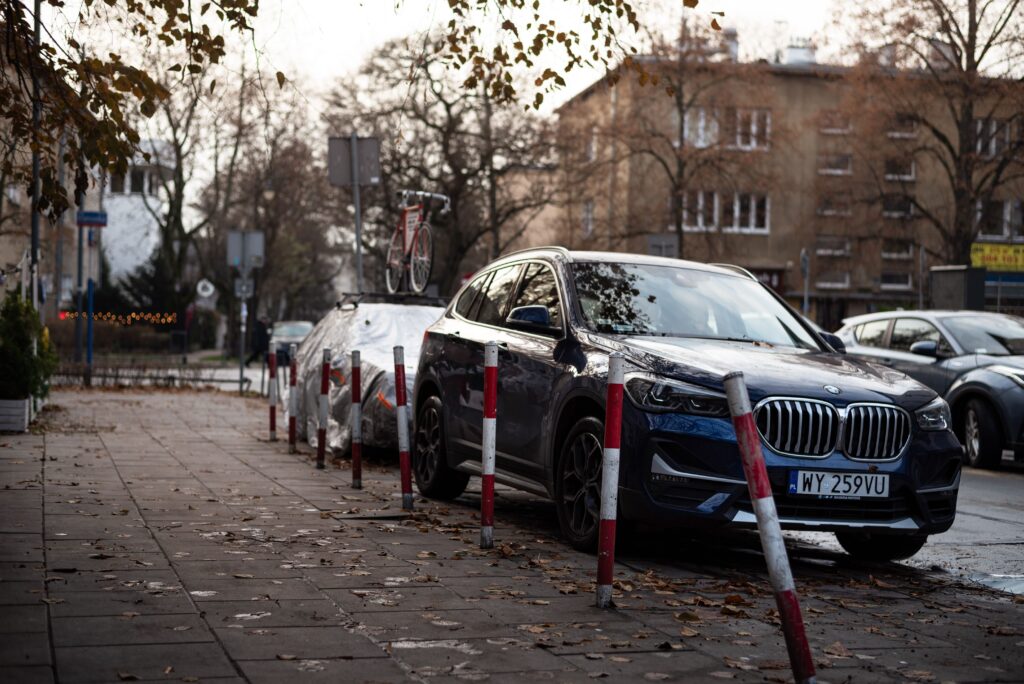
Parking barriers need to stay useful after installation. A design that requires frequent repainting or extensive upkeep may require more attention over time, especially across a large parking area.
Low-maintenance bollards make regular site care simpler. Some designs use durable covers and finishes that do not require frequent repainting, helping you keep boundaries clear without constant cosmetic work.
Installation also matters for long-term use. Bollards can be designed for different surfaces, including concrete and asphalt, so you can select a suitable mounting approach for your parking area.
Even low-maintenance barriers need occasional checks. Inspect the bollard, mounting area, and surrounding surface for visible damage or movement so you can address issues before they affect the parking layout.
6. Adapt to Different Space and Protection Needs
Every parking area has different space, traffic, and protection needs. A barrier near a pedestrian entrance may need a different setup from one placed along a vehicle lane or around a building.
Height is one factor to consider because a taller bollard can create a more noticeable visual boundary. Cover thickness, flexibility, mounting method, and finish can also affect how well a bollard fits a particular location.
The surface where you plan to install the barrier matters, too. Concrete and asphalt may require different mounting approaches, while the available space can affect where you can safely position each bollard.
Think about the purpose before selecting a design. If you need to protect a fixed structure, guide traffic, mark a restricted area, or separate vehicles from pedestrians, the bollard should support that specific goal.
Bottom Line
Parking bollards can do more than mark the edge of a parking space. They help you create clear boundaries, guide vehicle movement, separate vehicles from protected areas, and mark locations where access needs to remain limited. Flexible designs can also provide movement when accidental impacts occur, while visible finishes can make boundaries easier to spot.
Good placement is just as important as the bollard itself. Before installing one, consider vehicle paths, nearby structures, pedestrian areas, surface conditions, visibility, and your main protection goal. A well-planned bollard layout can make your parking area more organized, easier to navigate, and better protected.