
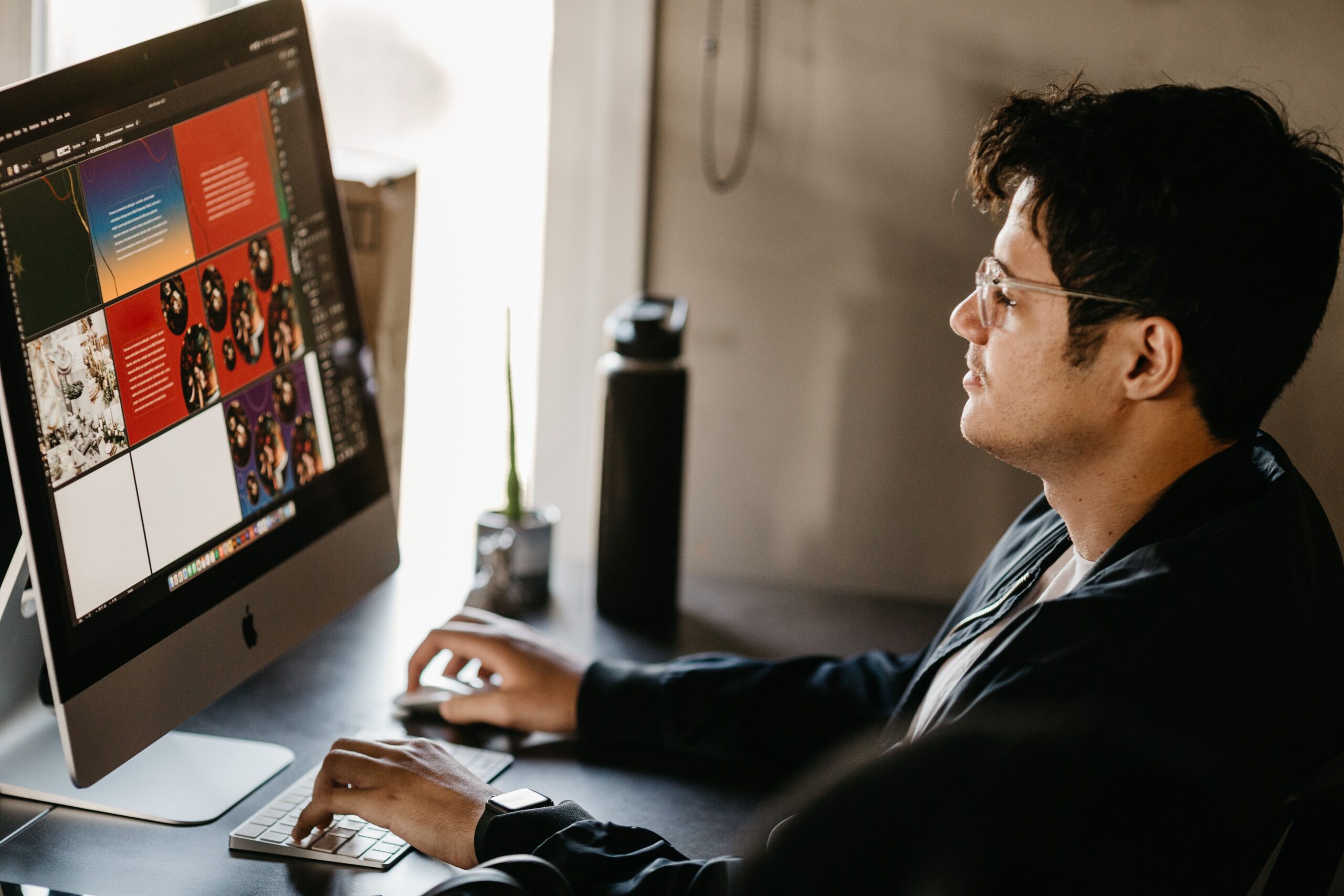
You probably don’t notice how much time you spend sitting until your body starts complaining. A stiff lower back after work. Tingling down your leg during a long drive. Tight hips after watching television. Over time, those small aches can become part of your daily routine.
The good news is that you can interrupt that cycle before discomfort turns into long-term damage. Understanding why your body reacts this way helps you make smarter choices that support movement, comfort, and lasting back pain relief.
Why Sitting Too Long Changes the Way Your Body Feels
When you stay in one position for hours, your muscles and joints absorb the strain. Prolonged sitting slows blood flow, stiffens connective tissue, and places pressure on the lower spine. Even healthy people can develop pain patterns when movement disappears from their routine.
You may feel soreness directly beneath your sit bones after long workdays. The pressure can irritate nearby tissues, including the sacrococcygeal ligament, sacroiliac joints, and pelvic floor muscles. The iliococcygeus muscle, which supports pelvic stability, can tighten from inactivity and contribute to hip joint pain.
It also causes widespread musculoskeletal pain that spreads into surrounding tissues and joints. Tight hip flexor muscles pull your pelvis forward, while inactive core muscles stop supporting the lower back properly. This imbalance often contributes to pain around the hips and spine.
Some 619 million people worldwide suffered from low back pain in 2020, 90% of which was non-specific. This means most doctors can’t pinpoint the cause of the pain. Many people may experience back pain, leg pain, or pelvic pain without a clear injury. The problem often develops gradually through a sedentary lifestyle, repetitive habits, and weak support muscles.
How It Affects The Other Body Parts
In some cases, sitting aggravates existing conditions such as spinal stenosis, diabetic neuropathy, or a herniated disc. Pressure around the sciatic nerve may trigger radicular symptoms like numbness, tingling, or burning sensations in the legs. People with vascular compression syndrome may also notice discomfort from reduced circulation around blood vessels.
Moreover, constant sitting causes muscle loss to develop faster than many people realize. Weak muscles struggle to support the spine, and the body compensates in unhealthy ways. That creates additional strain on the facet joints and surrounding soft tissue.
Poor posture also changes how your spine distributes weight. The intervertebral discs experience extra stress when your shoulders round forward and your hips tilt incorrectly. Over time, this can irritate spinal nerves, compress a nerve root, and contribute to nerve pain that travels into the hips or legs.
Seeking Professional Pain Management
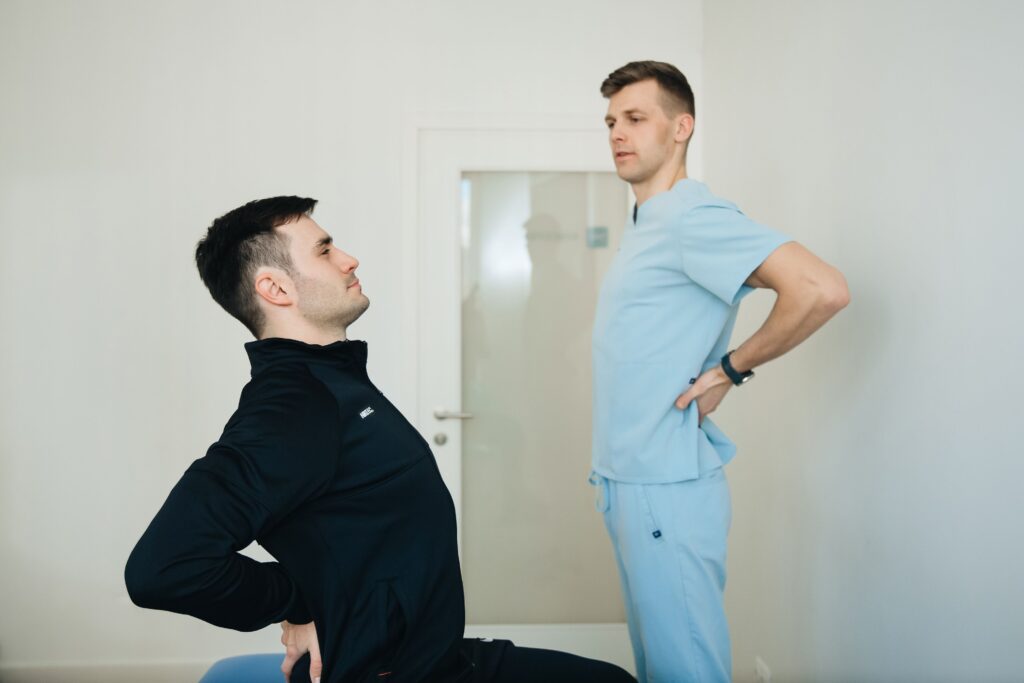
Chronic pain often builds slowly through repetition rather than one dramatic injury. However, persistent symptoms, especially numbness or neurologic changes, deserve attention before they worsen. Many people search for “chiropractors near me” when stiffness and mobility problems begin interfering with work, sleep, or daily movement.
Treatment approaches vary depending on the source of the problem. Many people can stretch briefly, change positions, or take over-the-counter medicine and continue with their day.
Some individuals benefit from physical therapy that strengthens weak muscles and improves mobility. Others respond well to manual manipulation that restores joint movement and reduces nerve tension. Severe cases involving spinal irritation may require epidural steroid injections or even spinal cord stimulation when conservative care fails.
Revamping Your Workspace
Your work setup directly affects how your body handles long hours of sitting. Simple adjustments can make a surprising difference:
- Use an ergonomic chair to maintain a healthier sitting posture.
- Add a lumbar pillow to reduce stress on the spine and discourage poor posture during long work sessions.
- Place supportive cushions to decrease pressure around sensitive joints and muscles.
- Keep your feet flat on the floor to reduce pressure on your hips and spine.
- Position your monitor at eye level to prevent neck and shoulder strain.
- Place a water bottle nearby so you naturally stand and move more often.
- Avoid crossing your legs for long periods because it can increase pelvic imbalance.
These small changes encourage movement instead of locking your body into one position all day. Switching periodically to a standing desk can also help reduce stiffness. Standing encourages gentle muscle activity and improves circulation throughout the day.
Other Ways to Help Your Body Recover
Pain management doesn’t always require aggressive treatment. In many cases, your body responds well to steady movement, recovery habits, and better daily routines.
Regular cardiovascular exercise improves circulation and helps nourish spinal tissues. Walking, swimming, or cycling can ease stiffness without overwhelming sensitive joints. Strength training also supports long-term stability because stronger muscles absorb stress more effectively. A foam roller may reduce muscle tightness around the hips and back, while an exercise band can improve flexibility and support gentle strengthening exercises like the standing side leg lift.
Relief can be had through natural self-care habits, too. You can take a pause and travel to different places. A short beach walk, a quiet park visit, or a weekend road trip encourages movement and helps reduce mental stress that may worsen pain sensitivity.
Other supportive strategies include:
- Following an anti-inflammatory diet rich in vegetables, healthy fats, and lean protein.
- Using ice and heat at different stages of soreness to calm irritation and improve mobility.
- Practicing relaxation techniques that lower physical tension caused by stress.
- Working with pelvic physical therapists if pelvic discomfort or sitting intolerance continues.
These approaches support healing gradually rather than masking symptoms temporarily.
Movement Is What Breaks the Cycle
Pain from sitting often develops quietly, which is why many people accept it as normal. But your body adapts quickly when you start moving consistently again. Better posture, stronger muscles, and healthier routines reduce stress on your spine and joints over time.
You don’t need an extreme fitness program to feel improvement. Small actions repeated daily usually matter more. Stand more often. Stretch during breaks. Walk after meals. Support your workspace properly. Those decisions help your body recover from the strain modern routines place on it every day.
The longer you ignore discomfort, the more deeply those pain patterns settle in. Taking action now gives your body the chance to move, function, and feel better again.