What Your Haircut Says About You Before You Say a Word

by | Aug 30, 2026 | How To | 0 comments

Sixty seconds. That is roughly how long it takes someone to form a first impression of you, and your hair is front and center for most of that window. Before you introduce yourself, before your outfit registers, before you crack a joke, your haircut is already making an argument on your behalf. The question is whether you know what argument it is making.

This is not vanity. It is visual communication, and stylists have understood it for decades. Your cut, your texture, your length, your parting decisions, they all transmit signals about your identity, your energy, and your relationship with convention. Some of those signals are intentional. A lot of them are not. Getting deliberate about it is one of the most underrated style moves you can make.

Why Hair Carries So Much Weight

Hair sits at the intersection of identity and visibility in a way almost nothing else does. You cannot leave it at home. You cannot swap it out for a meeting. Every room you walk into, your hair walks in first.

Researchers in social perception have documented for years that people draw rapid inferences from hairstyle. Unconventional colors, vivid reds, electric blues, shades of violet, tend to communicate creativity and high openness to experience, while natural tones and conservative cuts signal traditionalism and conscientiousness. Neither is better. They are just different broadcasts, and the person receiving that broadcast filters it through their own cultural context.

There is also a structural question underneath the individual one. In 2019, California became the first U.S. state to pass the CROWN Act, prohibiting discrimination based on natural hair texture and protective styles. As of 2024, over 20 states have similar laws. That legislative momentum exists because the conversation around hair is not purely aesthetic. It touches on whose self-expression gets read as professional and whose gets penalized. When you choose your next cut, you are stepping into that bigger conversation, whether you mean to or not.

The Style Signal Stack: A Simple Framework for Reading Your Own Cut

Most people make haircut decisions reactively. They show up, flip through a look book, point at something, and hope. A more useful approach is to run through what I call the Style Signal Stack before your next appointment. It is four questions, and each one surfaces a different layer of what your hair is communicating.

  1. Length. Longer hair tends to read as expressive, romantic, or artistic in most Western cultural contexts. Shorter hair often signals decisiveness, practicality, or confidence. Neither is universal, but both are real patterns in social perception research.
  2. Shape. A blunt cut communicates structure and intention. Layered, textured cuts communicate movement and informality. Buzzed sides with a longer top is almost universally read as contemporary and fashion-aware.
  3. Maintenance visible or invisible? A style that looks effortless is itself a signal. So is one that is clearly high-maintenance. Both are valid, but they broadcast different things about how you spend your time and attention.
  4. Relationship with convention. Does your cut fit neatly inside your industry’s visual norms, or does it push against them? Either choice carries meaning. The interesting question is whether yours is deliberate.

Run through those four layers and you will have a clearer picture of what your current cut is saying, and whether it matches what you actually want to be saying.

Fashion Moments That Made a Haircut Famous

The cultural history of iconic cuts is essentially a history of what people needed to say about themselves at a given moment. The gamine pixie in the early 1960s was a declaration of modernity and departure from postwar femininity. The shag in the 1970s was pure rock-and-roll anti-establishment energy. The Rachel in the mid-1990s, whatever you think of it today, was a masterclass in aspirational relatability broadcast through one character’s highlighted layers.

More recently, the mullet’s return among Gen Z is a near-perfect example of deliberate ironic signaling. It means something very different on a 22-year-old in 2025 than it did in 1985. The cut itself has not changed. The cultural frame around it has, completely. That gap between the cut and the frame is exactly where personal style lives.

The lesson is not to chase nostalgia cuts. It is to pay attention to the frame your community is currently using to decode hair, and then decide whether you want to work with that frame or against it.

How the Salon Experience Fits Into the Equation

Getting a great cut is also a conversation, and who you have that conversation with matters. Cosmetology is a genuinely technical field with a serious professional infrastructure behind it. According to the U.S. Bureau of Labor Statistics, the industry employed 651,200 barbers, hairstylists, and cosmetologists as of 2024, with employment projected to grow 5 percent from 2024 to 2034, faster than the average for all occupations. That growth reflects real, sustained demand for people who know exactly what they are doing with a pair of shears.

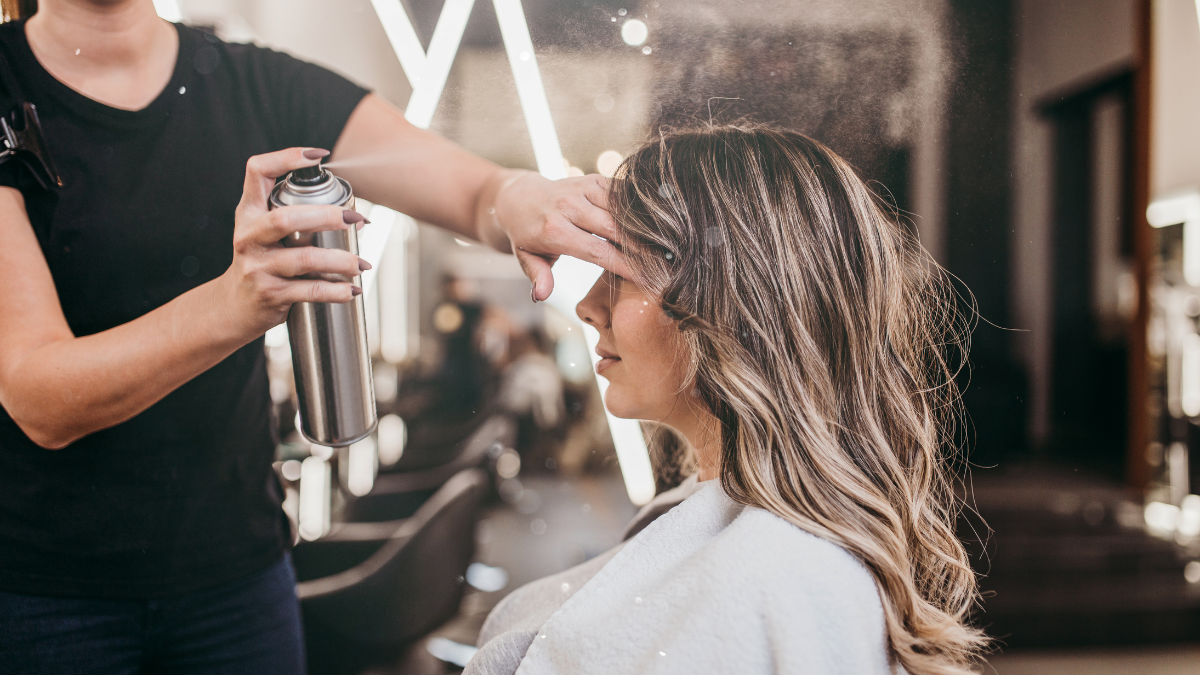
One underrated option for anyone who wants quality work without a premium price tag is a cosmetology school. Students train under licensed instructors and follow supervised curricula, which means you get skilled hands on a deliberate budget. If you are experimenting with a new direction for your style, that low-pressure environment is a genuinely smart testing ground. For example, booking haircuts in sterling heights at a reputable cosmetology school lets you bring in a photo, describe the signal you want to send, and work through the technical execution with someone who is being actively coached on how to deliver it.

“The listening skills of a hairstylist matter as much as their technical training. They must be attentive when clients describe what they want to ensure satisfaction with the result.”

This point is echoed consistently in professional cosmetology training curricula, which emphasize client communication alongside technical execution.

Five Questions to Ask Before Your Next Cut

Here is practical guidance you can use the day before your next appointment. Spend ten minutes on these before you walk through the door and you will get dramatically better results.

  • What three words do you want people to associate with you at first glance? Write them down. Your stylist can work with descriptors far better than “something different.”
  • What does your life actually demand from your hair? A style that requires 20 minutes of daily work is only great if you have 20 minutes every morning. Be honest about your real routine.
  • Are there any cuts you have loved in the past? Bring photos. Not necessarily of the same cut, but of the energy or silhouette that felt right on you.
  • What do you want to move away from? Sometimes knowing what signal you no longer want to send is clearer than knowing what you want to project instead.
  • What is your growth plan? A good stylist thinks in phases. Know whether you are maintaining, transitioning, or dramatically changing so your cut works with the next three months, not just tomorrow.

Answer those five honestly and you will walk into your appointment with more clarity than 90 percent of clients ever do.

The Upshot

Your haircut is already talking. The only real question is whether you are directing the conversation or leaving it to chance. Fashion is intentional self-expression, and hair is the most visible canvas you carry with you every day. Get deliberate about what yours is saying, find a skilled stylist who listens, and treat the whole process as the creative act it actually is. What does your current cut say about you that you never planned for it to say?
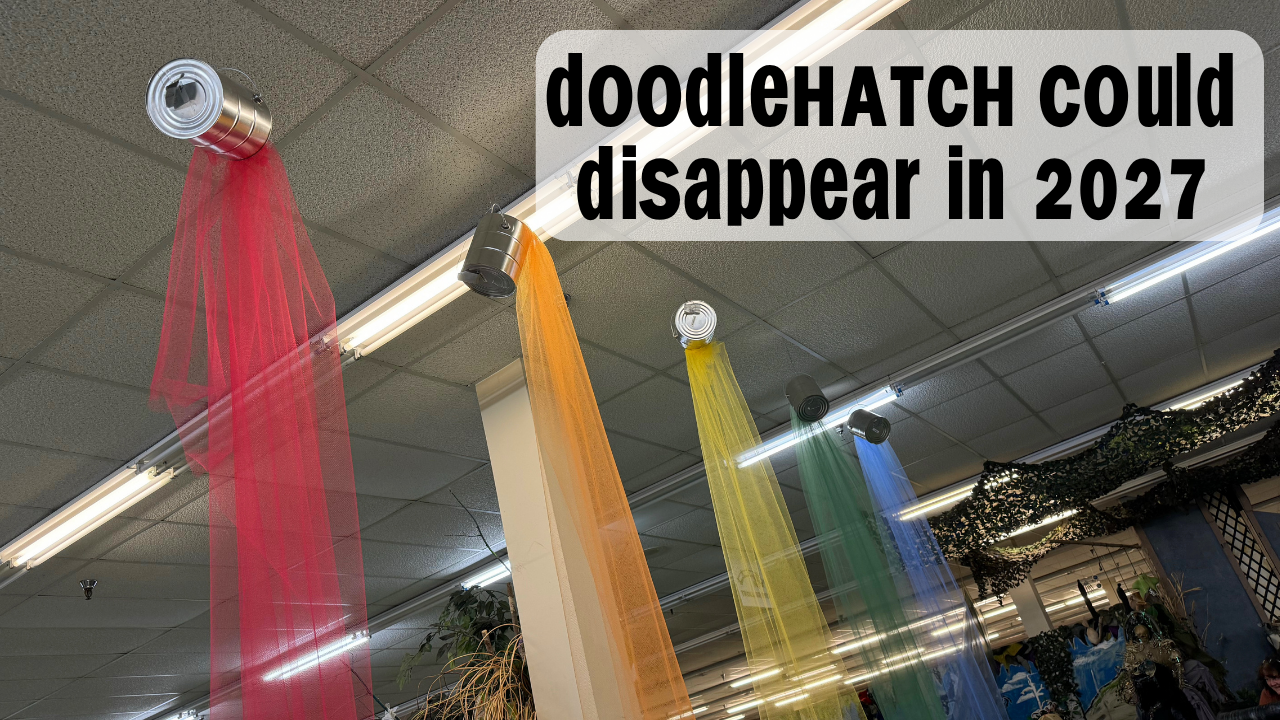
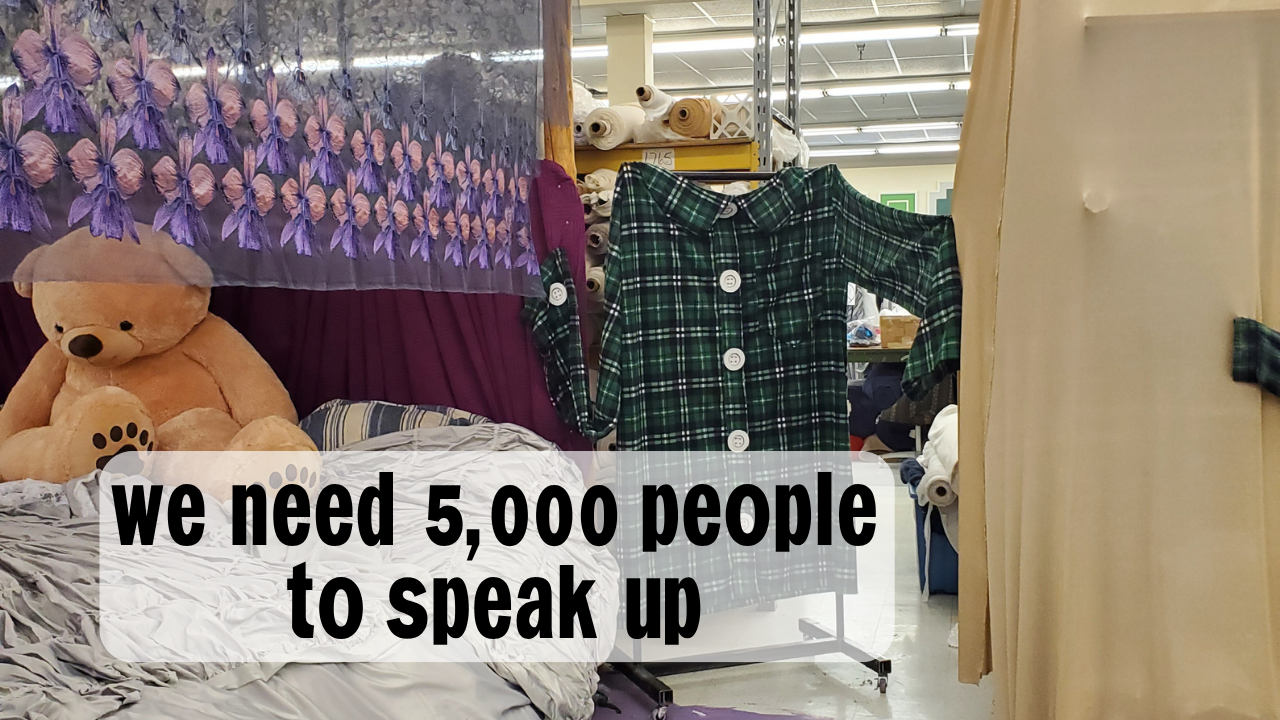
In Columbia, Maryland, there’s a former grocery store that has been transformed into a department store for mythical creatures, time travelers, and intergalactic tourists.

It’s called DoodleHATCH.

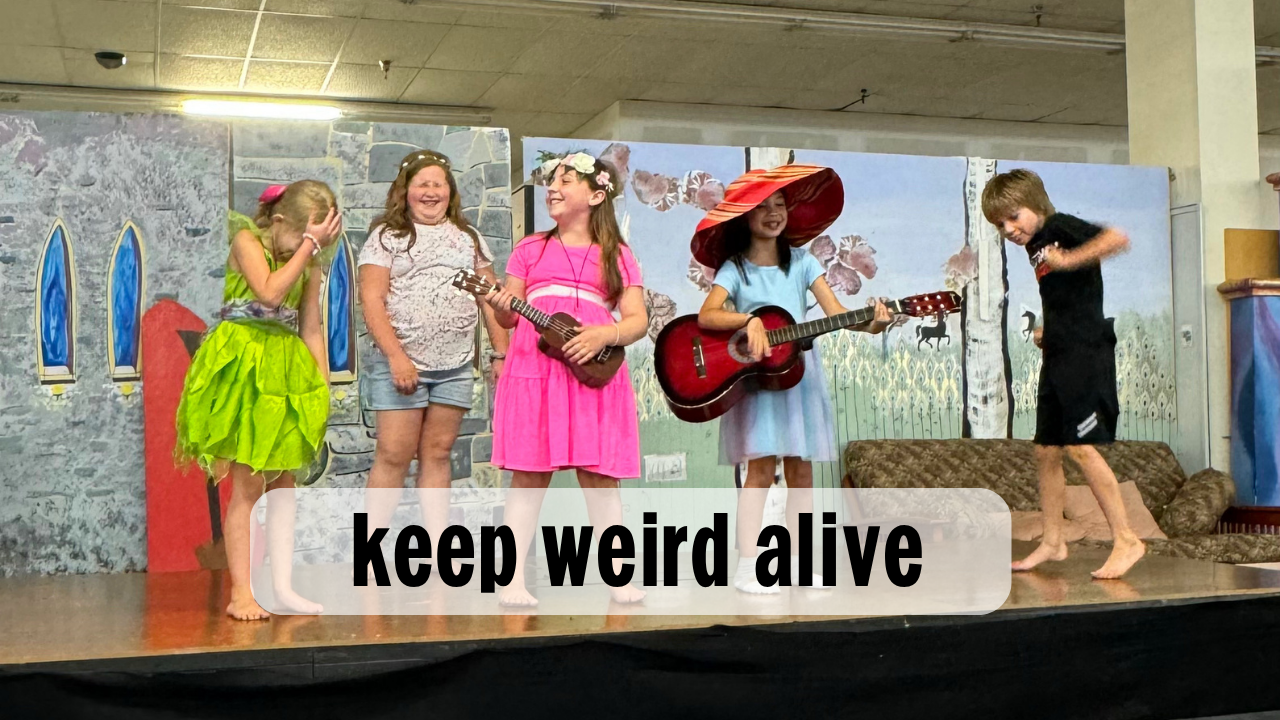
You can groom a unicorn, visit an intergalactic space station, climb onto a giant’s bed, meet guinea pigs, explore an artist’s studio, and discover approximately a million other things that somebody actually sat down and made.

It’s a nonprofit interactive art museum, a community project, an educational resource, and one of my favorite places I’ve ever discovered.

And it could be demolished as part of a proposed redevelopment of the Long Reach Village Center.

But there’s still an opportunity to help.

You don’t need to donate money. You don’t need to live in Maryland. And you don’t need to know anything about zoning laws.

You can start by writing an email.

🚨 Here's what's happening

Developer Columbia Concepts has proposed redeveloping the Long Reach Village Center in Columbia, Maryland.

The proposal would replace existing buildings with new housing, recreational facilities, and other development.

Unfortunately, that puts a whole collection of existing community resources at risk of being demolished, including:

  • DoodleHATCH Interactive Art Museum
  • Maryland Fashion Institute
  • A makerspace used for community education
  • Local restaurants, shops, and service businesses
  • Early childhood education and community programs
  • A 140-foot-long mural created by approximately 100 community members

This isn’t just about losing a fabulous museum. It’s about losing an entire collection of places that people have built, supported, and relied on.

And there’s another possibility!

🌈 Meet The REALM

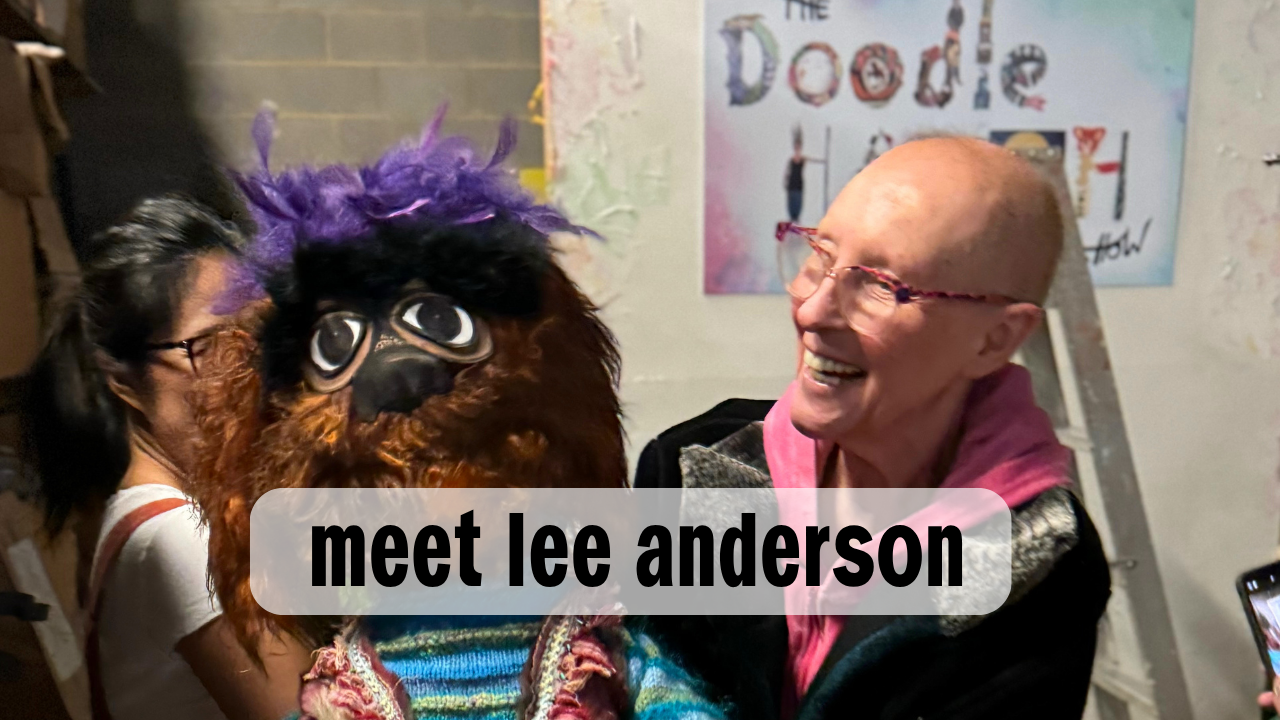
Lee Andersen, the founder of DoodleHATCH, and her nonprofit ManneqART want to preserve the existing community resources and transform the village center into an arts and culture destination called The REALM.

Imagine a place where artists have studios, children have room to explore, students can learn creative skills, people can attend performances, and local businesses continue serving their neighbors.

There are plans for a performing arts space, more opportunities for artists, and a Witches Kitchen that might serve you a horrible-disgusting breakfast.

Which, personally, I think sounds promising.

The people behind DoodleHATCH are gathering support to oppose the developer’s zoning proposal and advocate for The REALM.

And they’d love your help.

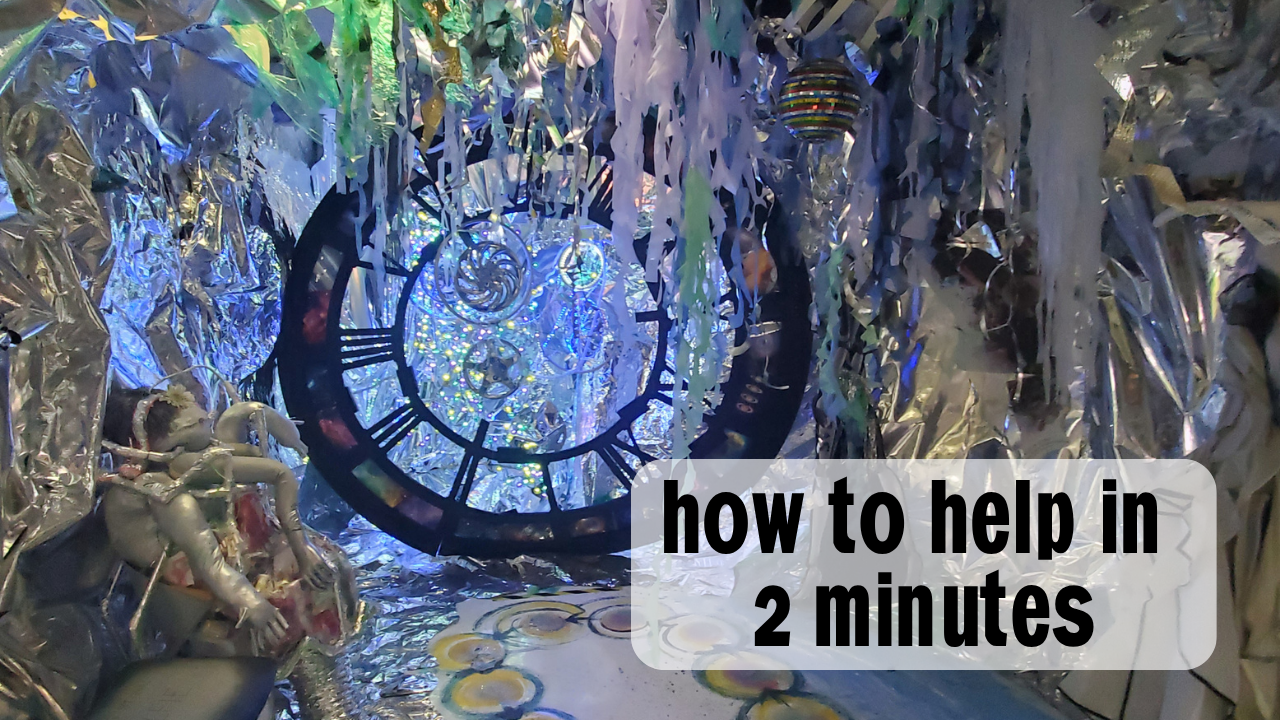
💌 How to help in about two minutes

If you live in Howard County, Maryland

If you’re 18 or older, DoodleHATCH is asking eligible county residents to visit the museum and sign their petition in person.

📍DoodleHATCH Interactive Art Museum

8775 Cloudleap Court, Unit 101
Columbia, MD 21045

⏱️ Museum hours: Friday–Sunday, 10 AM–5 PM.

And while you’re there, I highly recommend exploring the museum. Bring someone who needs a reminder that being an adult doesn’t mean you have to stop enjoying ridiculous things.

If you don't live in Howard County

You can still help!

DoodleHATCH is collecting emails from people who oppose the proposed Columbia Concepts redevelopment and support preserving the existing arts and community resources through The REALM.

Send your email to: Lilou@DoodleHATCH.com

Suggested subject: Support The REALM | Oppose Columbia Concepts Zoning Proposal ZB 1132M

You can write your own message or use one of the templates below.

You don’t need to write an essay. A short, genuine message explaining what you support and why is enough to participate in this email campaign.

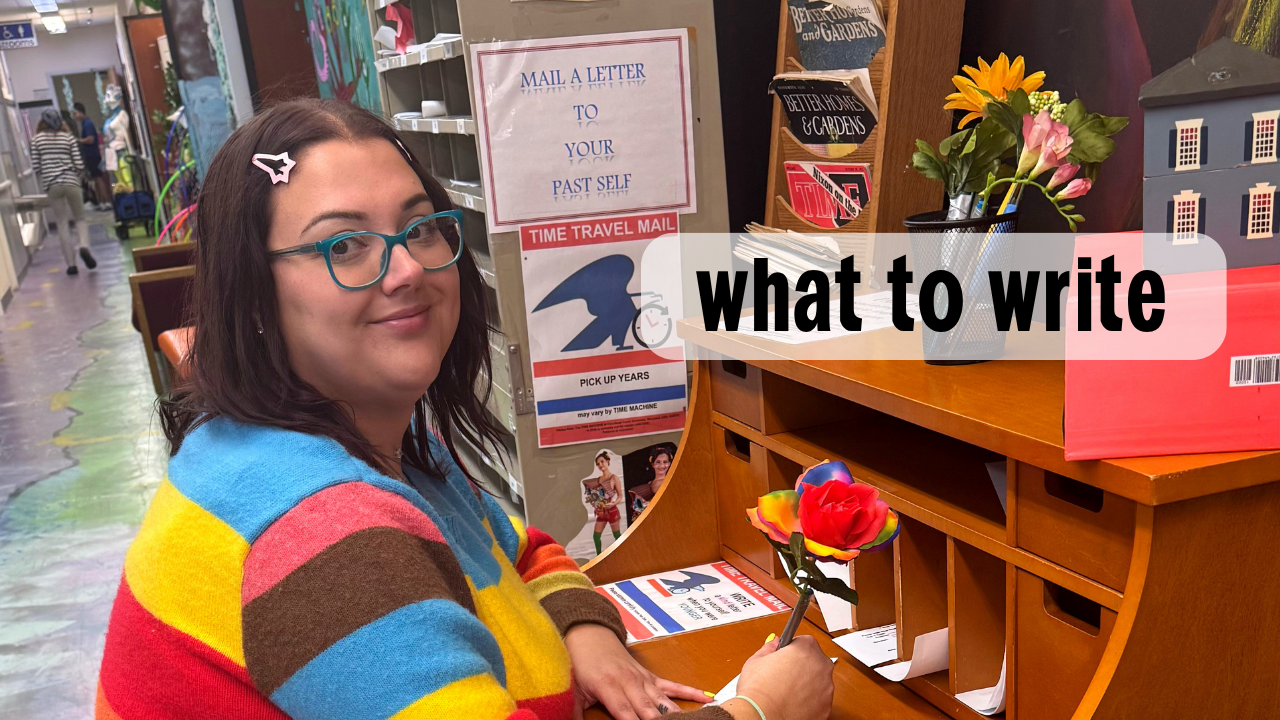
✍️ What should your email say?

To make your position clear, include these three things:

1. Say what you’re opposing.

State that you oppose the proposed Columbia Concepts redevelopment and zoning amendment for the Long Reach Village Center, case ZB 1132M.

2. Say what you’re supporting.

Express your support for preserving DoodleHATCH, the Maryland Fashion Institute, existing community resources, and the proposed arts and culture center called The REALM.

3. Explain why you care.

This is the part that makes your email yours.

Maybe you’ve visited DoodleHATCH. Maybe you’re a parent who wants more creative places for children. Maybe you’re an artist, an educator, or someone who thinks it’s important to protect the few spaces where people can explore and make things without needing to buy something.

Maybe you live across the country and just learned that there’s a department store for mythical creatures in Maryland, and you think the world would be a little less interesting without it.

That’s a perfectly good reason to care.

💌 Email templates you can copy

Option 1: Short, simple, and effective

Subject: Support The REALM | Oppose ZB 1132M

Hello,

I’m writing to express my opposition to the proposed Columbia Concepts zoning amendment and redevelopment of the Long Reach Village Center (ZB 1132M).

I support preserving DoodleHATCH, the Maryland Fashion Institute, and the existing community services and small businesses, as well as the proposal to create The REALM arts and culture center.

Creative and educational spaces like these provide valuable opportunities for families, artists, students, and the wider community. I believe they deserve to be protected.

Please include my email with the messages of support being collected for DoodleHATCH and The REALM.

Thank you,

[Your Name]
[Your City/State]

Option 2: For artists, creatives, and fellow merriment makers

Subject: Please Protect DoodleHATCH and Support The REALM

Hello,

I’m writing in opposition to Columbia Concepts’ proposed redevelopment and zoning amendment for the Long Reach Village Center (ZB 1132M), and in support of The REALM.

I believe communities need places where creativity, imagination, and play are actively encouraged.

DoodleHATCH is an extraordinary example of what can happen when artists and community members are given room to create something that doesn’t fit into an ordinary commercial space.

Places like this are rare. They encourage people of all ages to experiment, learn, explore, and connect with one another.

I support preserving DoodleHATCH, the Maryland Fashion Institute, the existing community resources, and the vision for The REALM.

Thank you for collecting these messages and advocating for the creative community.

[Your Name]
[Your City/State]

Option 3: For people who've visited DoodleHATCH

Subject: Please Save DoodleHATCH | Oppose ZB 1132M

Hello,

I’m writing to express my opposition to the proposed Columbia Concepts redevelopment and zoning amendment for the Long Reach Village Center (ZB 1132M), and my support for The REALM.

I’ve personally visited DoodleHATCH, and I want to share why I believe it’s worth preserving.

[Write two or three sentences about your experience. What did you see? Who did you bring? What surprised you? What made you want to return?]

DoodleHATCH is more than a collection of exhibits. It’s a place where creativity is something people can actively participate in, and I believe losing it would be a tremendous loss to the community.

I support preserving the museum, the Maryland Fashion Institute, and the other existing community resources through the proposed arts and culture center, The REALM.

Please include my email with the messages of support you’re collecting.

Thank you,

[Your Name]
[Your City/State]

A few tips before you hit send

DO:

  • Use your real name.

  • Include your city and state so organizers can understand where support is coming from.

  • Clearly identify the redevelopment proposal you’re opposing.

  • Specifically mention your support for The REALM.

  • Add a personal sentence or two if you can.

  • Be respectful, even if you’re frustrated.

  • Share this page with other people who might want to help.

DON’T:

  • Pretend to be a Howard County resident if you’re not.

  • Claim to have visited DoodleHATCH if you haven’t.

  • Make up experiences or information.

  • Send threatening, insulting, or harassing messages.

  • Assume your email is the same thing as signing the official petition.

  • Worry about making your message sound impressive. Clear and genuine is better than elaborate.

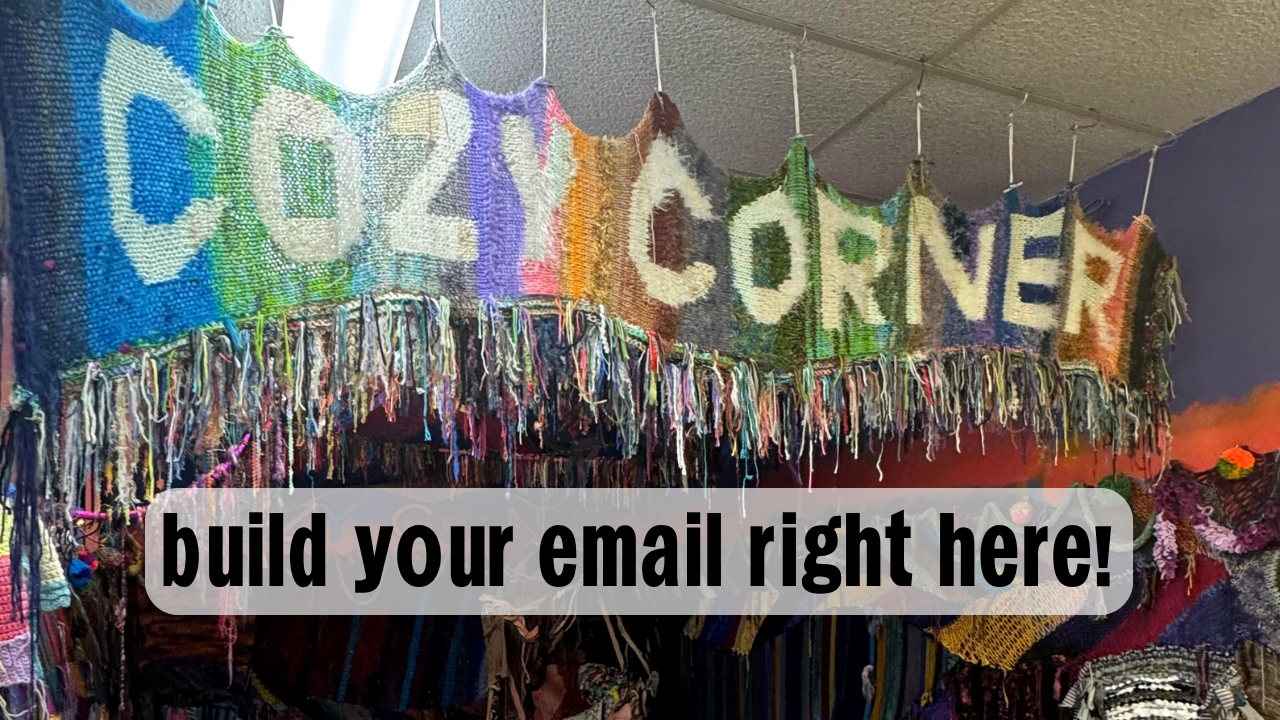
💌 The Save DoodleHATCH Email Machine

A few clicks, a little personality, and an email that helps support DoodleHATCH and The REALM. No account or signup required.

What's your connection to DoodleHATCH?
Why does protecting places like this matter to you?
✨ Your email preview
To: Lilou@DoodleHATCH.com
Subject:

Your information stays in your browser until you choose to copy or open the message. The email does not send automatically. Emails support DoodleHATCH's advocacy campaign; they are not the same as official petition signatures or zoning testimony. Please review the message before sending.

🐹 Wait. What exactly is DoodleHATCH?

I’m so glad you asked.

DoodleHATCH is an interactive art museum in Columbia, Maryland, created by artist, designer, and professional generator of wildly ambitious ideas, Lee Andersen.

The museum is designed as a pretend department store for mythological creatures, time travelers, and galactic tourists.

There are dozens of installations, and unlike most museums, you’re encouraged to touch things, explore, and participate.

There’s also an artist’s studio full of fabric and handmade garments, workshops, special events, birthday parties, free books, and opportunities for local artists to share their work.

The museum welcomes families and children, but adults are absolutely allowed to enjoy themselves, too.

And the woman behind it has spent decades bringing creativity into the community through fashion, festivals, education, and public art.

I discovered DoodleHATCH in 2020 and loved it so much that I started volunteering.

I’ve been back multiple times, and there are still things I haven’t seen.

That’s part of what makes it special. You can keep discovering things because people keep creating them.

You don't have to live near DoodleHATCH to care about it.

There are Merriment Makers everywhere.

People turning empty buildings into art spaces. People organizing parades. People teaching kids how to sew, paint, dance, or build things. People putting enormous amounts of time into projects that make their communities more interesting.

Sometimes they’re running nonprofits. Sometimes they’re working out of their garages. Sometimes they’re making something weird in a strip mall that you might drive past a hundred times without realizing what’s inside.

I hope you’ll help protect DoodleHATCH.

And I hope you’ll look around your own community, too. Visit the strange little museum. Go to the local art show. Find the person who makes giant puppets or organizes an absurd annual festival. Spend your money at the independent shop with the handmade things.

There are people everywhere creating reasons for us to be curious about being alive.

I’d like them to be able to keep doing that.

Help save DoodleHATCH. Help protect The REALM. Help keep the world interesting.

💌 Email: Lilou@DoodleHATCH.com

🌈 Visit: DoodleHATCH.com

🦄 Share: Uncustomary.org/Doodle