What Should You Look For In Dust Extractor For Efficient Dust Control In Workshops?

by | Oct 14, 2026 | How To | 0 comments

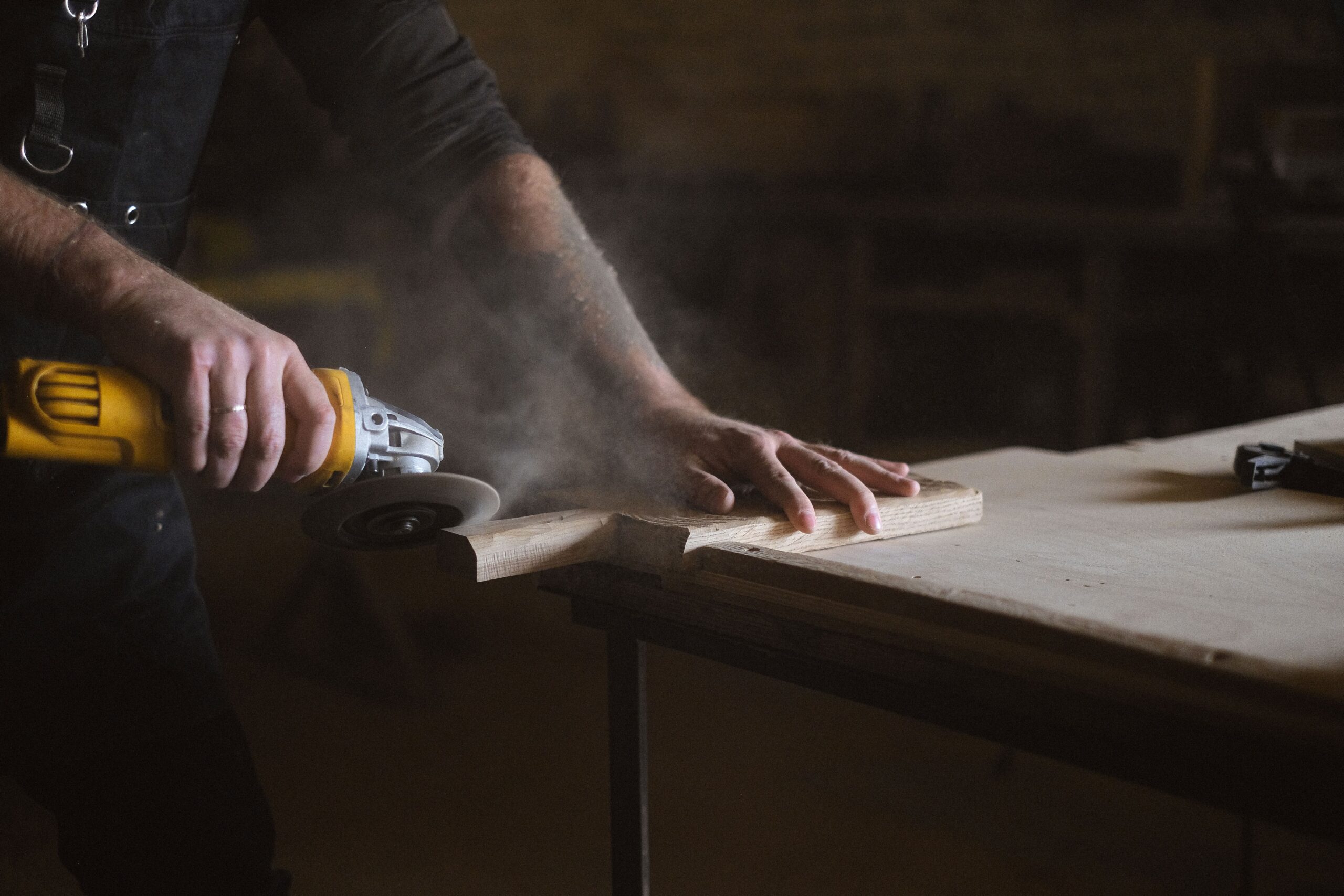
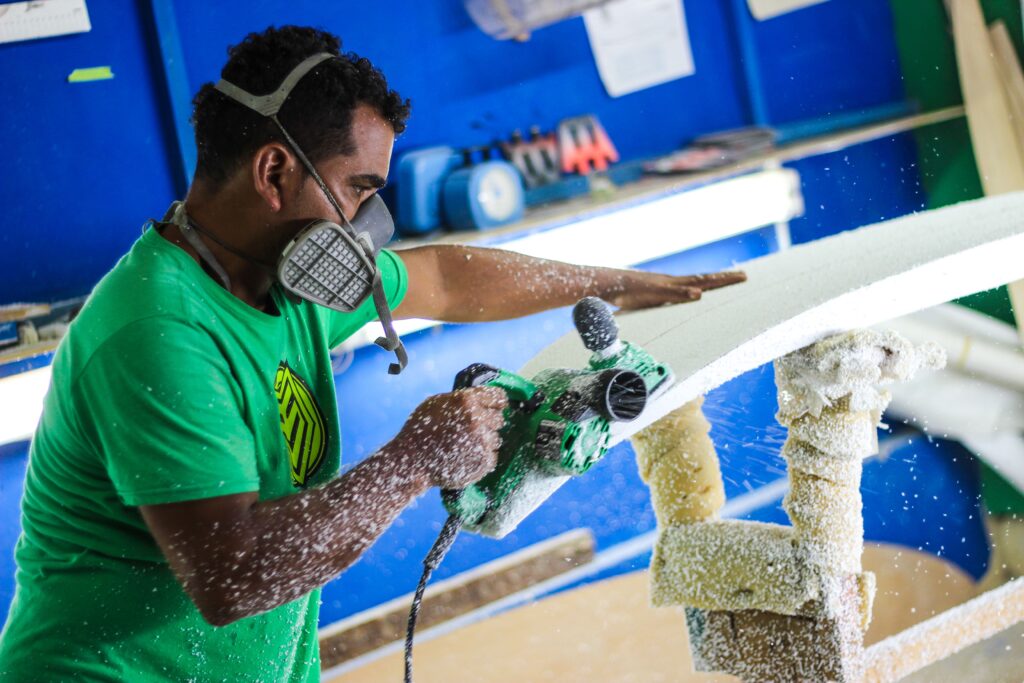
Sanding creates fine dust that can spread through your workshop, settle on fresh finishes, and enter your lungs. A face covering alone cannot keep dust off your work surfaces or control dust across the whole workspace.

Good dust control starts at the tool. OSHA explains that one of the main ways to control wood dust is to remove it near its source. The right dust extractor helps collect dust before it spreads across your workspace.

Every workshop has different needs. You may need a portable unit for one worker or a larger system for a busy shop.

This guide covers six key points to check before you buy. Use them to compare models and find one that fits your workshop.

1. Check HEPA Filter Rating and Self-Cleaning Features

Start by looking at the filter. Find out which type of filter the dust extractor unit uses. Do not assume every model has a HEPA filter.

A HEPA filter is rated to capture at least 99.97% of particles at 0.3 microns under set test conditions. If your work calls for HEPA-level filtration, make sure the model meets that rating.

Next, find out how the unit handles filter care. Some models clean their own filters during use, which can help keep air moving through the system. You still need to inspect and care for the filter as the maker directs.

Depending on the dust and your level of exposure, you may also need a suitable respirator. An extractor can lower dust levels, but it may not catch every particle.

2. Match Tool Compatibility

Look at the tools you use each day. Many workshops use both electric and air-powered sanders, so an extractor that works with both types gives you more options.

Make sure the hose fits your sanders and meets their dust collection needs. For air-powered tools, confirm that the setup allows for both dust collection and the air supply. Cords and air lines should also reach your work area without getting in the way.

Some industrial units can support two sanders at once. Depending on the model, you may be able to run two electric sanders, two air sanders, or one of each. Read the maker’s guide to confirm which setups are supported.

Plan for tools you may add later, too. A unit that works with several types of sanders may save you from buying another extractor.

3. Pick Capacity for Job Size

Choose a unit that fits your workload. A portable dust extractor can suit one worker who moves between work areas. For example, an 8-gallon model is made for on-site work and single-worker setups. Its size can also make it easier to move and store.

A busy production shop may need a larger industrial unit with more collection capacity. The best size depends on how much dust your work creates and how often you can stop to empty the bin.

Bin capacity also affects how often you need to stop and empty the unit. A small bin may fill up fast during heavy work, while a larger bin can hold more dust. Pick a size that fits your daily workload and available space, and follow the maker’s guide for emptying it.

4. Review Hose Length and Static Safety

Hose length can make a big difference in how easily you move around your workshop. A short hose may mean moving the extractor each time you work in a new spot. Check the hose length that comes with the unit and whether you can add an extension when you need more reach.

For example, some portable models come with a 12-foot static-conductive hose, while certain industrial setups use 13-foot combination hoses that carry both suction and air. With optional extensions, the reach may increase to 23 feet.

It is also worth checking how the hose handles static buildup. A static-conductive hose helps manage static as dust moves through the system, but you should make sure it suits your extractor and the materials you work with.

If two workers plan to use the same extractor, check whether it supports two hoses and a compatible splitter. Hose and cord holders can also help keep the floor clear and make it easier to move around the workspace.

5. Confirm Power and Circuit Needs
Before connecting your tools, check their power needs. Extractors and electric sanders use electricity, and their power draw is measured in amps. The circuit must be able to handle the full load of the extractor and any connected tools.

For example, a 12-amp extractor and two 2-amp sanders have a listed total draw of 16 amps. That is more than the rating of a 15-amp circuit, so do not assume the setup is safe. Check the extractor’s power rating and your circuit’s capacity before connecting multiple tools.

Some equipment also draws more current when it starts, so the full setup matters. Check cords and plugs before use, replace damaged parts, and use extension cords rated for the load.

Follow the maker’s safety instructions before connecting your tools.

6. Plan for Bag Supply and Upkeep

Plan for the parts you may need after buying the extractor. Collection bags fill up, so find out how easy it is to get more. Some portable models include five spare bags to help you get started. Confirm which bags fit your unit and whether replacements are easy to find.

Regular maintenance helps your dust extractor work as expected. Check the hoses for cracks, clean or replace filters as directed, and empty the collection bin when needed. Keeping spare bags and filters on hand can also help you avoid interruptions during work.

Inspect hoses for cracks or loose parts. Clean or replace filters as the maker directs, and empty the bin when needed. A simple log can help you keep track of care tasks and spot worn parts early.

Finally, review the warranty before you buy. Check how long the cover lasts, which parts it includes, and how to get help if a covered part fails.

Bottom Line

The right dust extractor helps you control fine dust and keep your workshop cleaner. Before you buy, check the filter rating, tool compatibility, bin capacity, hose length, power needs, and maintenance steps.

Match these features to your tools, daily workload, and available space. A portable model may suit one worker who moves between jobs, while a larger unit may work better for a busy production shop.

Also, check the cost and availability of replacement bags and filters. By comparing these details, you can choose a dust extractor that supports efficient dust control and fits your workshop routine.
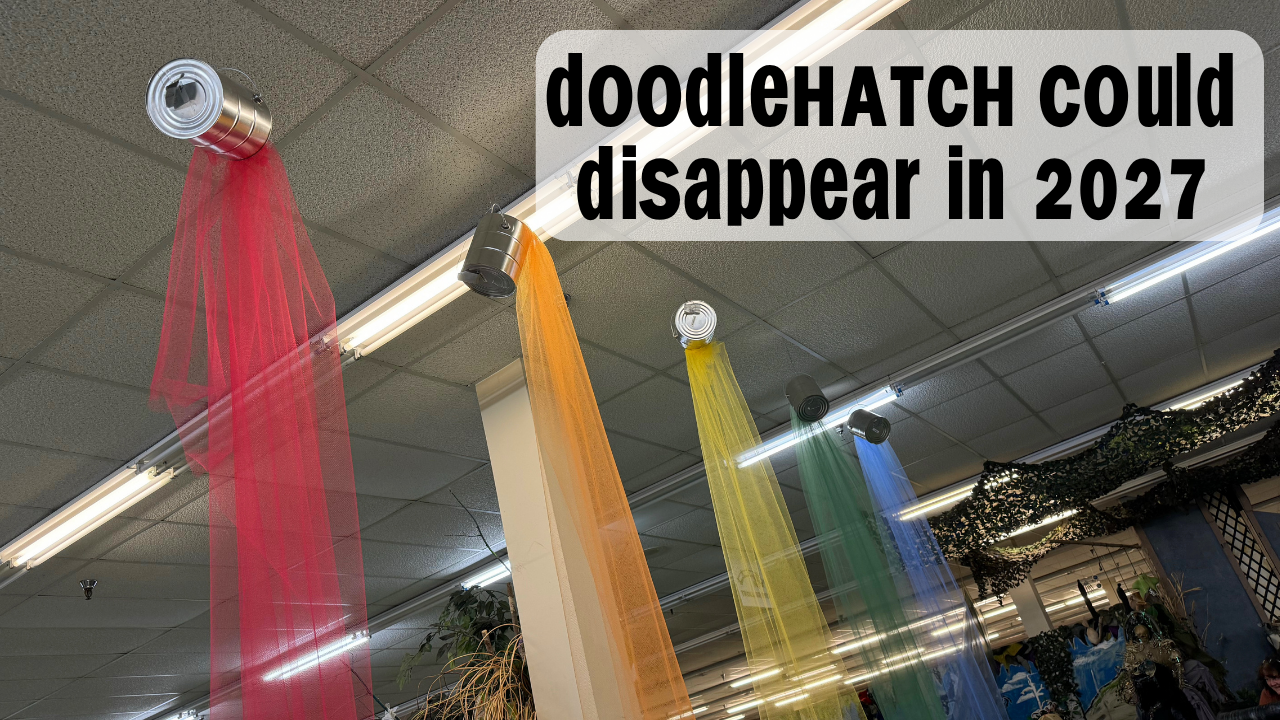
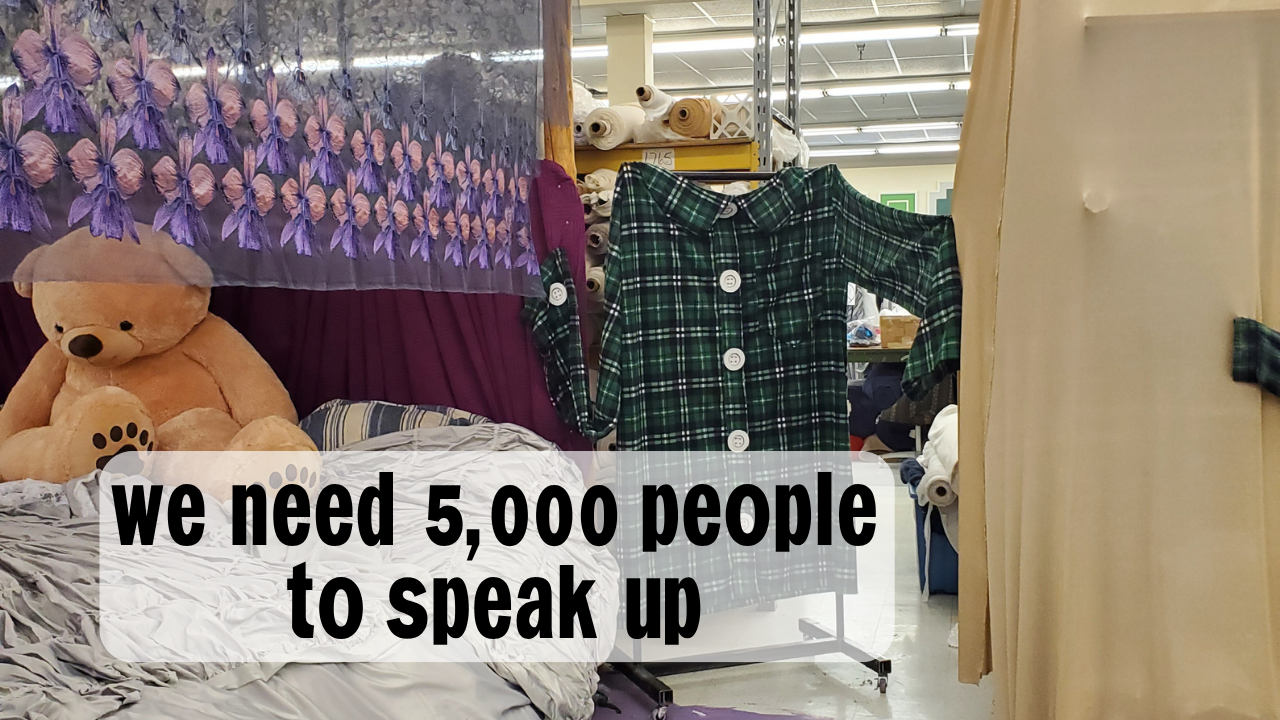
In Columbia, Maryland, there’s a former grocery store that has been transformed into a department store for mythical creatures, time travelers, and intergalactic tourists.

It’s called DoodleHATCH.

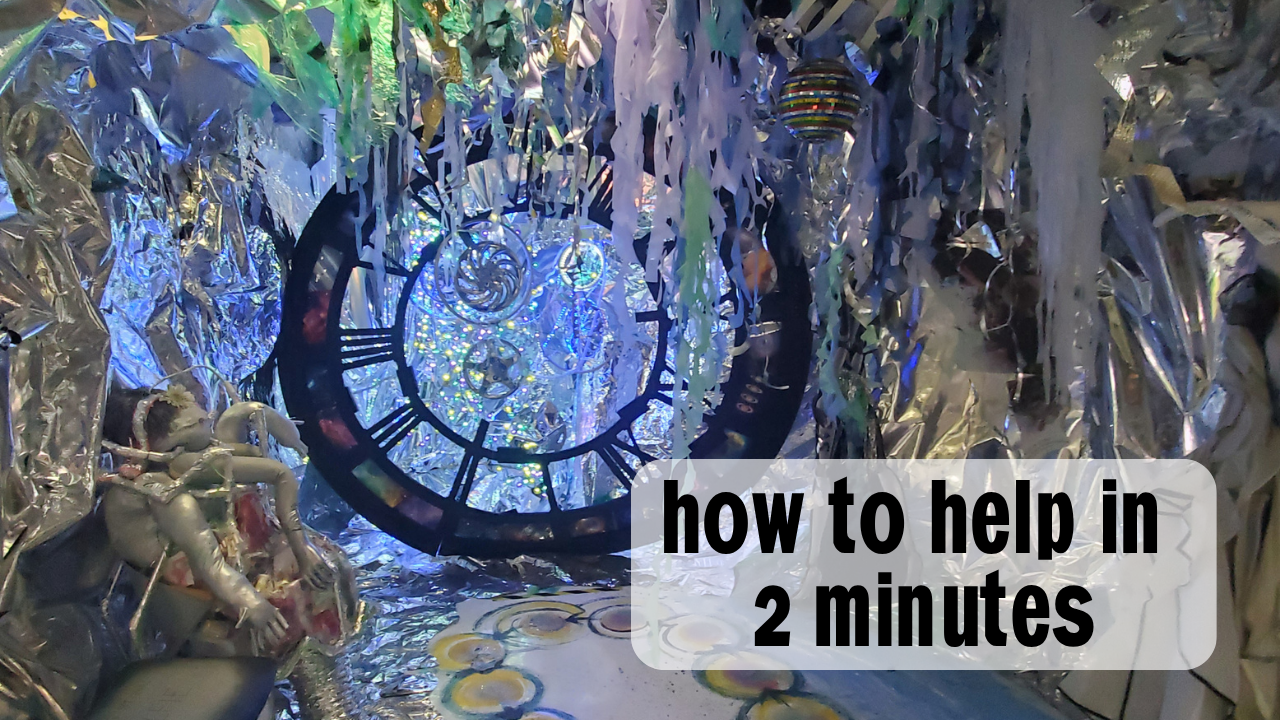
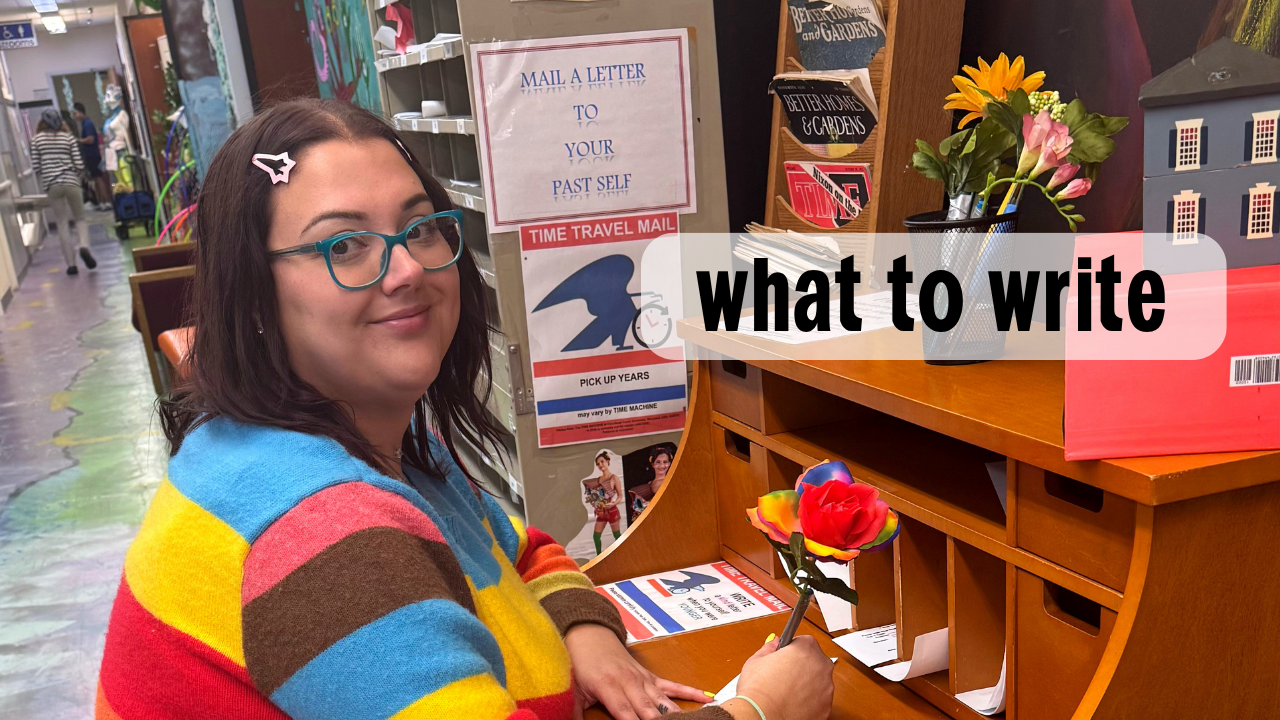
You can groom a unicorn, visit an intergalactic space station, climb onto a giant’s bed, meet guinea pigs, explore an artist’s studio, and discover approximately a million other things that somebody actually sat down and made.

It’s a nonprofit interactive art museum, a community project, an educational resource, and one of my favorite places I’ve ever discovered.

And it could be demolished as part of a proposed redevelopment of the Long Reach Village Center.

But there’s still an opportunity to help.

You don’t need to donate money. You don’t need to live in Maryland. And you don’t need to know anything about zoning laws.

You can start by writing an email.

🚨 Here's what's happening

Developer Columbia Concepts has proposed redeveloping the Long Reach Village Center in Columbia, Maryland.

The proposal would replace existing buildings with new housing, recreational facilities, and other development.

Unfortunately, that puts a whole collection of existing community resources at risk of being demolished, including:

  • DoodleHATCH Interactive Art Museum
  • Maryland Fashion Institute
  • A makerspace used for community education
  • Local restaurants, shops, and service businesses
  • Early childhood education and community programs
  • A 140-foot-long mural created by approximately 100 community members

This isn’t just about losing a fabulous museum. It’s about losing an entire collection of places that people have built, supported, and relied on.

And there’s another possibility!

🌈 Meet The REALM

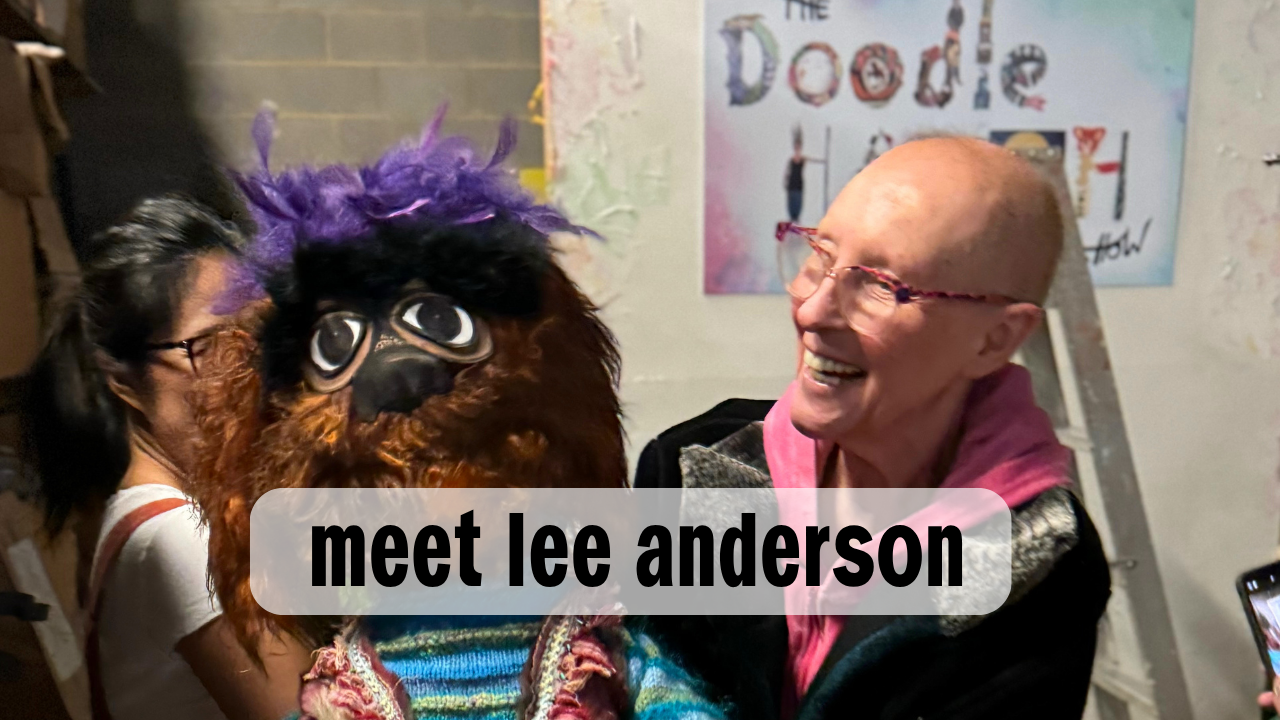
Lee Andersen, the founder of DoodleHATCH, and her nonprofit ManneqART want to preserve the existing community resources and transform the village center into an arts and culture destination called The REALM.

Imagine a place where artists have studios, children have room to explore, students can learn creative skills, people can attend performances, and local businesses continue serving their neighbors.

There are plans for a performing arts space, more opportunities for artists, and a Witches Kitchen that might serve you a horrible-disgusting breakfast.

Which, personally, I think sounds promising.

The people behind DoodleHATCH are gathering support to oppose the developer’s zoning proposal and advocate for The REALM.

And they’d love your help.

💌 How to help in about two minutes

If you live in Howard County, Maryland

If you’re 18 or older, DoodleHATCH is asking eligible county residents to visit the museum and sign their petition in person.

📍DoodleHATCH Interactive Art Museum

8775 Cloudleap Court, Unit 101
Columbia, MD 21045

⏱️ Museum hours: Friday–Sunday, 10 AM–5 PM.

And while you’re there, I highly recommend exploring the museum. Bring someone who needs a reminder that being an adult doesn’t mean you have to stop enjoying ridiculous things.

If you don't live in Howard County

You can still help!

DoodleHATCH is collecting emails from people who oppose the proposed Columbia Concepts redevelopment and support preserving the existing arts and community resources through The REALM.

Send your email to: Lilou@DoodleHATCH.com

Suggested subject: Support The REALM | Oppose Columbia Concepts Zoning Proposal ZB 1132M

You can write your own message or use one of the templates below.

You don’t need to write an essay. A short, genuine message explaining what you support and why is enough to participate in this email campaign.

✍️ What should your email say?

To make your position clear, include these three things:

1. Say what you’re opposing.

State that you oppose the proposed Columbia Concepts redevelopment and zoning amendment for the Long Reach Village Center, case ZB 1132M.

2. Say what you’re supporting.

Express your support for preserving DoodleHATCH, the Maryland Fashion Institute, existing community resources, and the proposed arts and culture center called The REALM.

3. Explain why you care.

This is the part that makes your email yours.

Maybe you’ve visited DoodleHATCH. Maybe you’re a parent who wants more creative places for children. Maybe you’re an artist, an educator, or someone who thinks it’s important to protect the few spaces where people can explore and make things without needing to buy something.

Maybe you live across the country and just learned that there’s a department store for mythical creatures in Maryland, and you think the world would be a little less interesting without it.

That’s a perfectly good reason to care.

💌 Email templates you can copy

Option 1: Short, simple, and effective

Subject: Support The REALM | Oppose ZB 1132M

Hello,

I’m writing to express my opposition to the proposed Columbia Concepts zoning amendment and redevelopment of the Long Reach Village Center (ZB 1132M).

I support preserving DoodleHATCH, the Maryland Fashion Institute, and the existing community services and small businesses, as well as the proposal to create The REALM arts and culture center.

Creative and educational spaces like these provide valuable opportunities for families, artists, students, and the wider community. I believe they deserve to be protected.

Please include my email with the messages of support being collected for DoodleHATCH and The REALM.

Thank you,

[Your Name]
[Your City/State]

Option 2: For artists, creatives, and fellow merriment makers

Subject: Please Protect DoodleHATCH and Support The REALM

Hello,

I’m writing in opposition to Columbia Concepts’ proposed redevelopment and zoning amendment for the Long Reach Village Center (ZB 1132M), and in support of The REALM.

I believe communities need places where creativity, imagination, and play are actively encouraged.

DoodleHATCH is an extraordinary example of what can happen when artists and community members are given room to create something that doesn’t fit into an ordinary commercial space.

Places like this are rare. They encourage people of all ages to experiment, learn, explore, and connect with one another.

I support preserving DoodleHATCH, the Maryland Fashion Institute, the existing community resources, and the vision for The REALM.

Thank you for collecting these messages and advocating for the creative community.

[Your Name]
[Your City/State]

Option 3: For people who've visited DoodleHATCH

Subject: Please Save DoodleHATCH | Oppose ZB 1132M

Hello,

I’m writing to express my opposition to the proposed Columbia Concepts redevelopment and zoning amendment for the Long Reach Village Center (ZB 1132M), and my support for The REALM.

I’ve personally visited DoodleHATCH, and I want to share why I believe it’s worth preserving.

[Write two or three sentences about your experience. What did you see? Who did you bring? What surprised you? What made you want to return?]

DoodleHATCH is more than a collection of exhibits. It’s a place where creativity is something people can actively participate in, and I believe losing it would be a tremendous loss to the community.

I support preserving the museum, the Maryland Fashion Institute, and the other existing community resources through the proposed arts and culture center, The REALM.

Please include my email with the messages of support you’re collecting.

Thank you,

[Your Name]
[Your City/State]

A few tips before you hit send

DO:

  • Use your real name.

  • Include your city and state so organizers can understand where support is coming from.

  • Clearly identify the redevelopment proposal you’re opposing.

  • Specifically mention your support for The REALM.

  • Add a personal sentence or two if you can.

  • Be respectful, even if you’re frustrated.

  • Share this page with other people who might want to help.

DON’T:

  • Pretend to be a Howard County resident if you’re not.

  • Claim to have visited DoodleHATCH if you haven’t.

  • Make up experiences or information.

  • Send threatening, insulting, or harassing messages.

  • Assume your email is the same thing as signing the official petition.

  • Worry about making your message sound impressive. Clear and genuine is better than elaborate.

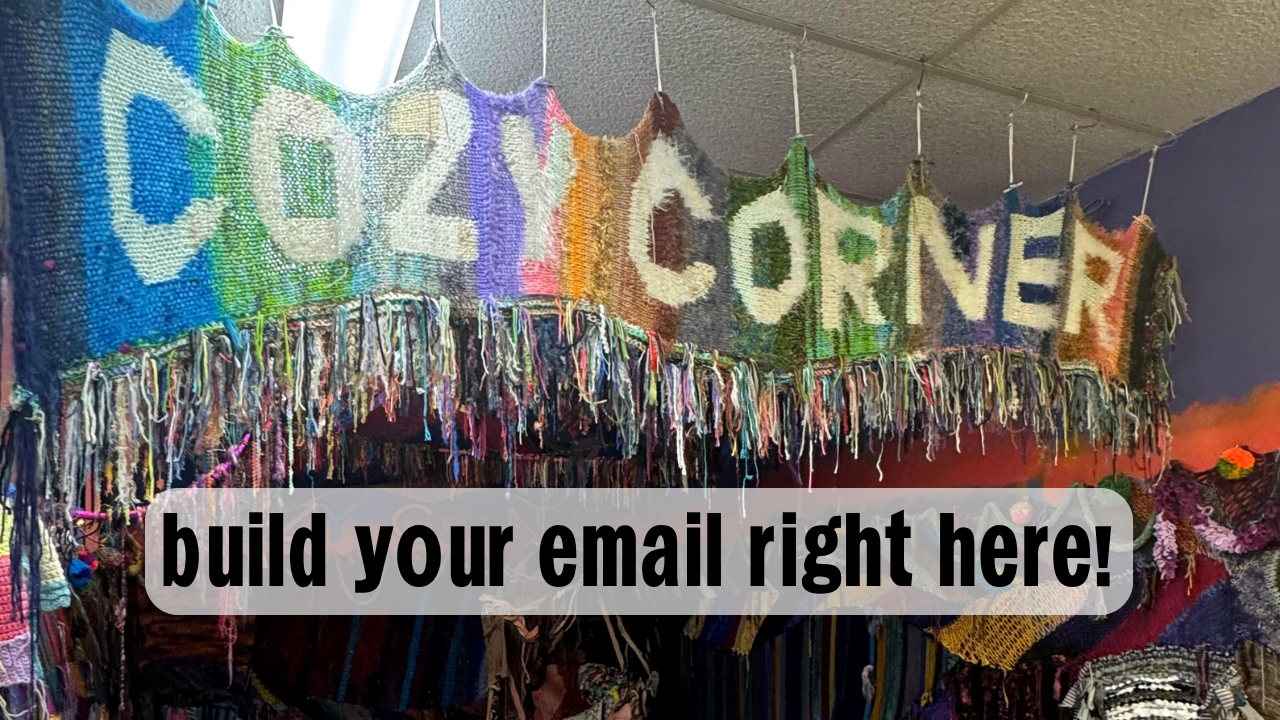
💌 The Save DoodleHATCH Email Machine

A few clicks, a little personality, and an email that helps support DoodleHATCH and The REALM. No account or signup required.

What's your connection to DoodleHATCH?
Why does protecting places like this matter to you?
✨ Your email preview
To: Lilou@DoodleHATCH.com
Subject:

Your information stays in your browser until you choose to copy or open the message. The email does not send automatically. Emails support DoodleHATCH's advocacy campaign; they are not the same as official petition signatures or zoning testimony. Please review the message before sending.

🐹 Wait. What exactly is DoodleHATCH?

I’m so glad you asked.

DoodleHATCH is an interactive art museum in Columbia, Maryland, created by artist, designer, and professional generator of wildly ambitious ideas, Lee Andersen.

The museum is designed as a pretend department store for mythological creatures, time travelers, and galactic tourists.

There are dozens of installations, and unlike most museums, you’re encouraged to touch things, explore, and participate.

There’s also an artist’s studio full of fabric and handmade garments, workshops, special events, birthday parties, free books, and opportunities for local artists to share their work.

The museum welcomes families and children, but adults are absolutely allowed to enjoy themselves, too.

And the woman behind it has spent decades bringing creativity into the community through fashion, festivals, education, and public art.

I discovered DoodleHATCH in 2020 and loved it so much that I started volunteering.

I’ve been back multiple times, and there are still things I haven’t seen.

That’s part of what makes it special. You can keep discovering things because people keep creating them.

You don't have to live near DoodleHATCH to care about it.

There are Merriment Makers everywhere.

People turning empty buildings into art spaces. People organizing parades. People teaching kids how to sew, paint, dance, or build things. People putting enormous amounts of time into projects that make their communities more interesting.

Sometimes they’re running nonprofits. Sometimes they’re working out of their garages. Sometimes they’re making something weird in a strip mall that you might drive past a hundred times without realizing what’s inside.

I hope you’ll help protect DoodleHATCH.

And I hope you’ll look around your own community, too. Visit the strange little museum. Go to the local art show. Find the person who makes giant puppets or organizes an absurd annual festival. Spend your money at the independent shop with the handmade things.

There are people everywhere creating reasons for us to be curious about being alive.

I’d like them to be able to keep doing that.

Help save DoodleHATCH. Help protect The REALM. Help keep the world interesting.

💌 Email: Lilou@DoodleHATCH.com

🌈 Visit: DoodleHATCH.com

🦄 Share: Uncustomary.org/Doodle