
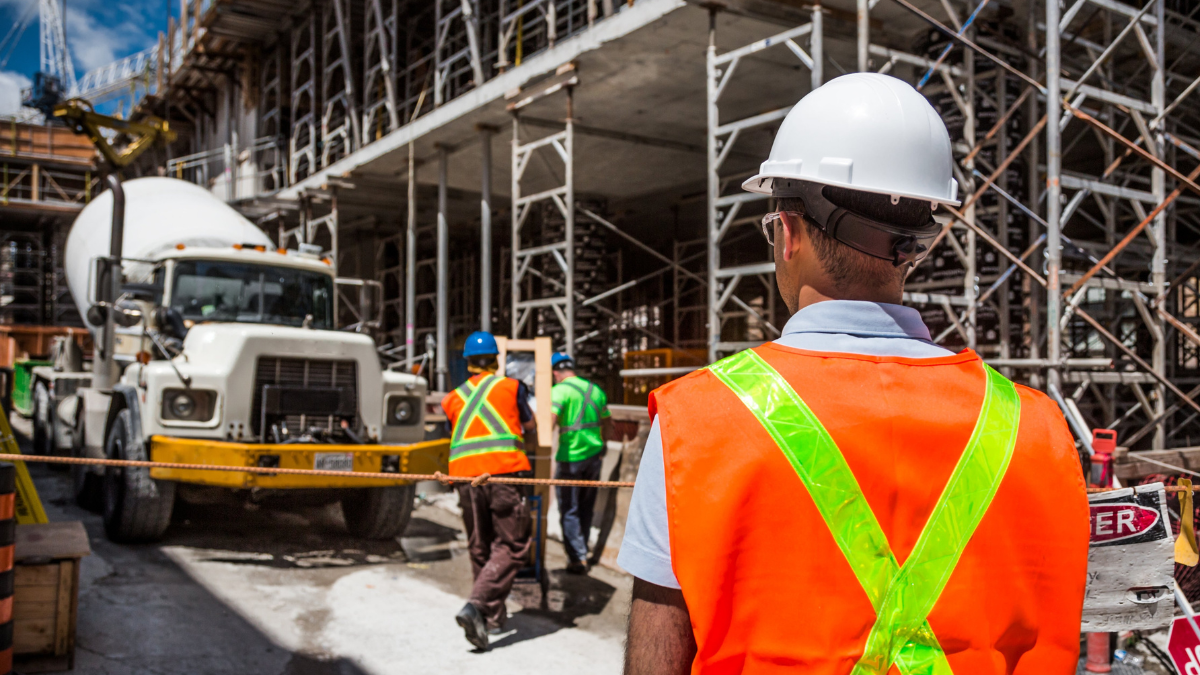
What Should Workers Learn Before Entering an Active Construction Site?
An active construction site can feel busy from the moment a worker steps through the gate. Equipment moves, materials arrive, crews work in different areas, and site conditions may change from one hour to the next. New workers need more than a quick introduction before they begin.
Good preparation gives workers a clearer idea of what to expect and how to respond. Menotti Safety Training can fit into that larger goal by helping workers understand common hazards, communication practices, and safe jobsite behavior. Companies such as Menotti Enterprise work in an industry where proper preparation can shape how confidently workers handle daily conditions.
Learn How the Site Operates
Before starting work, employees should understand the basic layout of the site. They need to know where they can enter, which areas are restricted, where materials are stored, and which routes are commonly used by equipment.
This information may sound simple, but it affects many daily decisions. A worker who does not understand the site layout may accidentally enter an active equipment zone or block a route that others depend on.
Identify Important Access Points
Workers should know where to find stairways, exits, designated walkways, and work areas. They should also understand that these routes may change as construction moves forward.
Site maps, signs, barriers, and supervisor instructions can all help, but workers still need to stay alert. A route that was open yesterday may not be available today.
Recognize Common Jobsite Hazards
Workers should learn to identify hazards before someone has to point them out. This skill becomes more useful as they gain experience because they can spot problems while moving between tasks.
Common concerns may include uneven surfaces, falling objects, moving equipment, exposed edges, electrical risks, poorly stored materials, or damaged tools. The exact hazards will depend on the work taking place.
Menotti Safety Training focuses on helping workers connect these risks with real situations they may face. Knowing a safety term is less useful if someone cannot recognize the hazard when it appears in front of them.
Look Beyond the Immediate Task
Workers sometimes focus so closely on their own job that they miss what is happening nearby. A person cutting material may not notice equipment approaching from behind, while someone carrying supplies may walk below overhead work.
Good awareness means looking beyond the task at hand. Workers should pay attention to nearby crews, changing barriers, equipment movement, and anything that affects their route.
Use Protective Equipment Correctly
Personal protective equipment can reduce exposure to certain hazards, but only when workers use the right equipment for the task.
Employees should learn what gear is expected on the site and when extra protection may be needed. Depending on the work, this may include hard hats, eye protection, hearing protection, gloves, high-visibility clothing, or other equipment.
Workers also need to know how to inspect their gear. Damaged or poorly fitting equipment may not provide the protection expected from it.
Do Not Treat Protective Gear as a Substitute
Protective equipment is only one part of jobsite safety. Workers should not assume that wearing safety gear allows them to ignore poor site conditions or unsafe work practices.
A hard hat does not make it safe to stand beneath unsecured materials, and gloves do not remove every risk connected with damaged tools. Workers still need to follow proper procedures and avoid unnecessary exposure.
Learn How to Work Around Equipment
Heavy equipment can create serious risks when people and machines share limited space. Workers need to understand where equipment may travel and how operators communicate.
They should avoid walking through blind spots and should never assume that an operator can see them. Eye contact, designated routes, spotters, or agreed signals may be needed depending on the situation.
A company such as Menotti Enterprise may encourage project teams to build clear expectations around these interactions. Workers need practical rules they can follow without guessing what an operator intends to do next.
Communicate Before Problems Grow
Good communication supports almost every part of construction safety. Workers need to know who to contact when they see a hazard, receive unclear instructions, or notice a change in site conditions.
They should also feel comfortable speaking up early. A loose barrier, damaged tool, blocked path, or unclear task assignment may seem minor, but small issues can become larger when no one reports them.
Ask Questions Before Starting
Workers sometimes avoid asking questions because they do not want to appear inexperienced. That can create more risk than asking for clarification.
If a worker does not understand a task, route, piece of equipment, or safety instruction, the best time to ask is before beginning. Clear answers can prevent confusion once the work is underway.
Understand Emergency Procedures
Every worker should know what to do if something goes wrong. That includes understanding how to report an emergency, where to go, and what instructions to follow.
Emergency procedures should be explained clearly rather than buried in paperwork. Workers need information they can remember under pressure.
They should know where emergency exits and meeting points are located, along with any site-specific instructions that apply to their work area.
Keep Work Areas Orderly
New workers should also understand their role in maintaining an organized site. Tools, packaging, scrap material, cords, and supplies can quickly create hazards if people leave them in walkways.
Housekeeping should happen throughout the shift, not only at the end of the day. Workers can reduce clutter by returning tools, removing waste, and placing materials where they belong.
A clean work area also makes it easier to notice new problems. When a site is already cluttered, damaged equipment or unsafe conditions may be harder to spot.
Prepare for Site Conditions to Change
Construction sites rarely remain the same for long. Different trades may arrive, equipment may move, and access routes may shift as work progresses.
Workers should learn to reassess an area before starting a task, even if they worked there recently. Familiarity can sometimes make people less likely to notice changes.
Menotti Safety Training can support this mindset by showing workers that awareness is not a one-time step. They need to keep watching, checking, and adjusting throughout the project.
Build Safe Habits From the First Day
The first days on a site can shape how workers approach safety later. If new employees see shortcuts being ignored, they may quickly assume those behaviors are normal.
Supervisors should set clear expectations early. They can show workers how to inspect tools, where to store materials, how to report hazards, and how to move safely through active areas.
Organizations such as Menotti Enterprise may support construction teams that want to strengthen these habits through structured safety guidance and training. The goal should be to make good practices part of daily work instead of something workers remember only during formal instruction.
Keep Learning After Orientation
Orientation gives workers a starting point, but it cannot prepare them for every situation they will face.
New tasks, equipment, crews, and site conditions can introduce different risks. Workers should expect to keep learning as the project develops.
Short safety meetings, supervisor guidance, and discussions about recent problems can reinforce earlier lessons. Experienced workers also benefit because familiarity can sometimes lead to rushed decisions or skipped checks.
Final Thoughts
Workers should enter an active construction site with more than a basic idea of what their job requires. They need to understand the layout, recognize common hazards, use protective equipment correctly, communicate clearly, and know how to respond when conditions change.
Strong preparation also teaches workers to ask questions, report concerns, and keep learning after their first day. These habits make it easier for crews to react to real jobsite conditions instead of relying on assumptions. When workers understand both their tasks and the environment around them, they are better prepared to work carefully from the moment they arrive.