
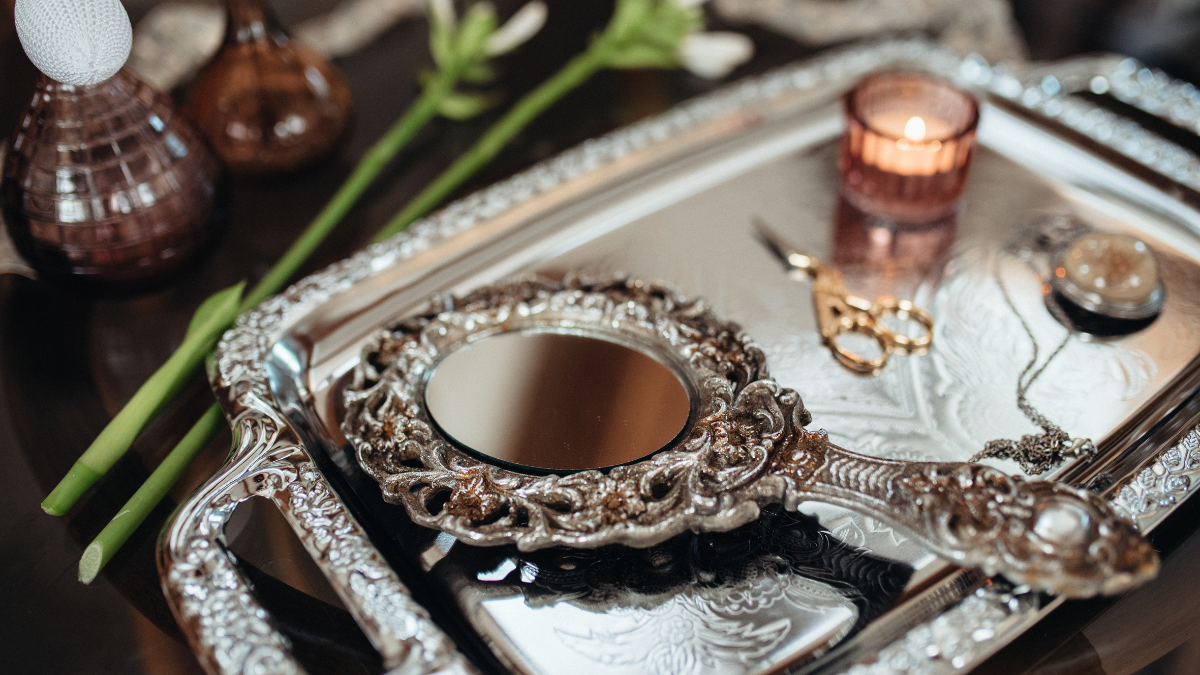
Growing up in a household where Sunday mornings meant pressed hair, Vaseline on elbows and the lingering scent of cocoa butter, I learned early that beauty rituals were more than routines. They were inherited. My grandmother kept her vanity table like an altar. Glass bottles of rosewater sat beside jars of shea butter she had shipped from her cousin in Accra. There was intention in everything she did. Purpose.
Now at 34, I find myself returning to those lessons more than ever. In an age of viral skincare trends and ten-step routines that promise transformation overnight, I keep circling back to what the women in my family always knew. Beauty is not about perfection. It is about practice. It is about showing up for yourself, day after day, with small acts of care that compound into something meaningful.
The Search for What Actually Works
For years I bought what influencers told me to buy. The serums with unpronounceable ingredients. The cleansers that cost more than my electricity bill. I chased trends like a woman possessed, convinced that the next product would be the one to finally give me the skin I saw in advertisements. It never happened.
What did happen was irritation. Breakouts. A medicine cabinet overflowing with half-used bottles and broken promises.
The turning point came during a particularly brutal winter when my skin decided it had simply had enough. Everything burned. My usual products felt like sandpaper. I remember calling my mother in a panic and she laughed. Not cruelly, but with the knowing humor of a woman who had seen this story play out before.
“You’re doing too much,” she said. “Strip it back. Go simple.”
It simply felt radical. Simple felt almost rebellious in a culture that equates more with better.
Learning the Language of Ingredients
So I started reading. Not marketing copy but actual ingredient lists. I wanted to understand what I was putting on my face and why. This shift changed everything.
Zinc became one of my earliest revelations. I had associated it with lifeguards and chalky white noses at the beach. I did not know that zinc oxide had been used for centuries across African and Asian cultures as a skin protector and healer. The more I researched, the more I understood its gentle power.
When my skin was at its most reactive, I discovered that using a zinc cream for face applications helped calm inflammation in ways that more aggressive treatments never could. It was not glamorous. There was no beautiful packaging or celebrity endorsement. Just quiet, effective relief.
That experience taught me something important. Sometimes the most powerful ingredients are the ones without marketing budgets. Sometimes healing looks boring.
Beauty as Cultural Conversation
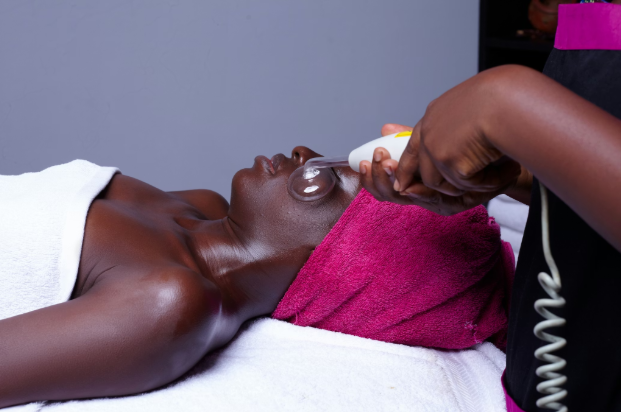
What strikes me now, looking back at my grandmother’s vanity and forward to my own bathroom shelf, is how beauty practices carry cultural memory. The women in my family taught me that caring for your skin was an act of self-respect. In Black households across America and throughout the diaspora, these rituals have always been about more than appearance.
There is a reason why beauty supply stores are community landmarks in neighborhoods like Harlem. They are not just retail spaces.
They are gathering places. Sites of knowledge exchange where generations share wisdom about what works for our hair, our skin, our particular needs. Independent natural hair stylists keep that tradition alive today.
I think about this when I see mainstream beauty brands suddenly discovering ingredients that Black and Brown communities have used for generations. Shea butter. Black seed oil. Turmeric. The rediscovery can feel strange, even frustrating. But there is also something powerful in watching the broader world catch up to what our grandmothers always knew.
The Rise of Thoughtful Beauty
Over the past decade I have watched the beauty industry shift. Slowly at first, then all at once. Consumers started asking harder questions. Where do ingredients come from? How are workers treated? What happens to the packaging after we throw it away?
This consciousness resonates with something deep in my own values. I was raised to respect the resources we use and consider the impact of our choices. Beauty should not cost the earth, literally or figuratively.
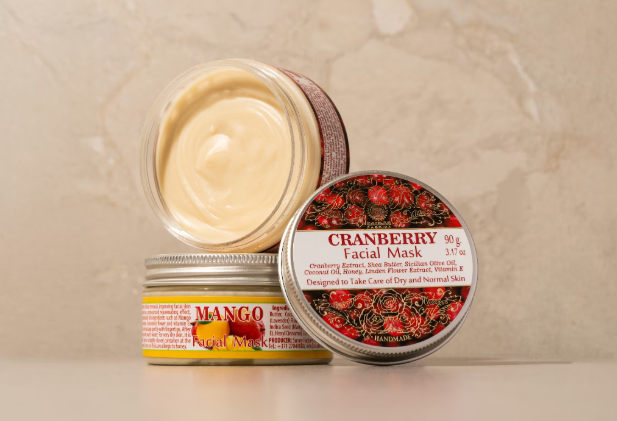
I have found myself drawn to brands that approach formulation with genuine care. Companies that think about sustainability not as a marketing angle but as a foundational principle. When I discovered Davines through a friend who manages a salon in Brooklyn, I appreciated their commitment to ingredient transparency and environmental responsibility. It aligned with the values I had been cultivating in my own beauty practice.
Finding brands that match your principles takes patience. It requires ignoring the noise and trusting your own research. But the reward is a routine that feels aligned with who you actually are, not who advertisements tell you to be.
What Simplicity Really Means
People sometimes ask me for skincare advice. I always disappoint them. I have no secret product recommendations. No life-changing hacks. What I have is a philosophy.
Start simple. Pay attention. Listen to your skin more than you listen to trends.
My current routine would bore most beauty enthusiasts. A gentle cleanser. Something with zinc when my skin needs calming. A good moisturizer. Sunscreen every single day, no exceptions. That is it. That is the whole thing.
What makes it work is consistency. What makes it work is the attention I bring to each step. When I cleanse my face at night, I am not rushing through an obligation. I am participating in an intentional self care practice that connects me to the women who came before me and their wisdom about caring for our bodies.
Beyond the Surface
The longer I spend thinking about beauty, the more convinced I become that what happens in our minds matters as much as what we put on our faces. Stress shows up in our skin. Joy does too. Sleep deprivation and sadness and heartbreak leave their marks.
Real beauty care means caring for the whole person. It means rest. It means water. It means moving your body and feeding it well and making space for pleasure and laughter and community.
My grandmother understood this instinctively. Her vanity table was just one part of a larger ecosystem of care that included church on Sundays and long phone calls with sisters and afternoons spent tending her garden. Beauty was not isolated from life. It was woven through everything.
Carrying It Forward
These days when I sit in my own vanity, which is really just a corner of my bathroom counter, I think about continuing. I think about what I will pass down, not just products but practices. Not just routines but rituals.
I hope to teach any young person in my life that their skin is not a problem to solve. It is a living organ worthy of respect and gentle attention. I hope to show them that beauty traditions are cultural treasures worth preserving and adapting. I hope to demonstrate that caring for yourself is not vanity. It is a necessity.
My grandmother’s glass bottles are long gone now. But what they represented lives on in every intentional choice I make about how to care for this body I have been given. That inheritance, more than any product, is what truly transforms.