
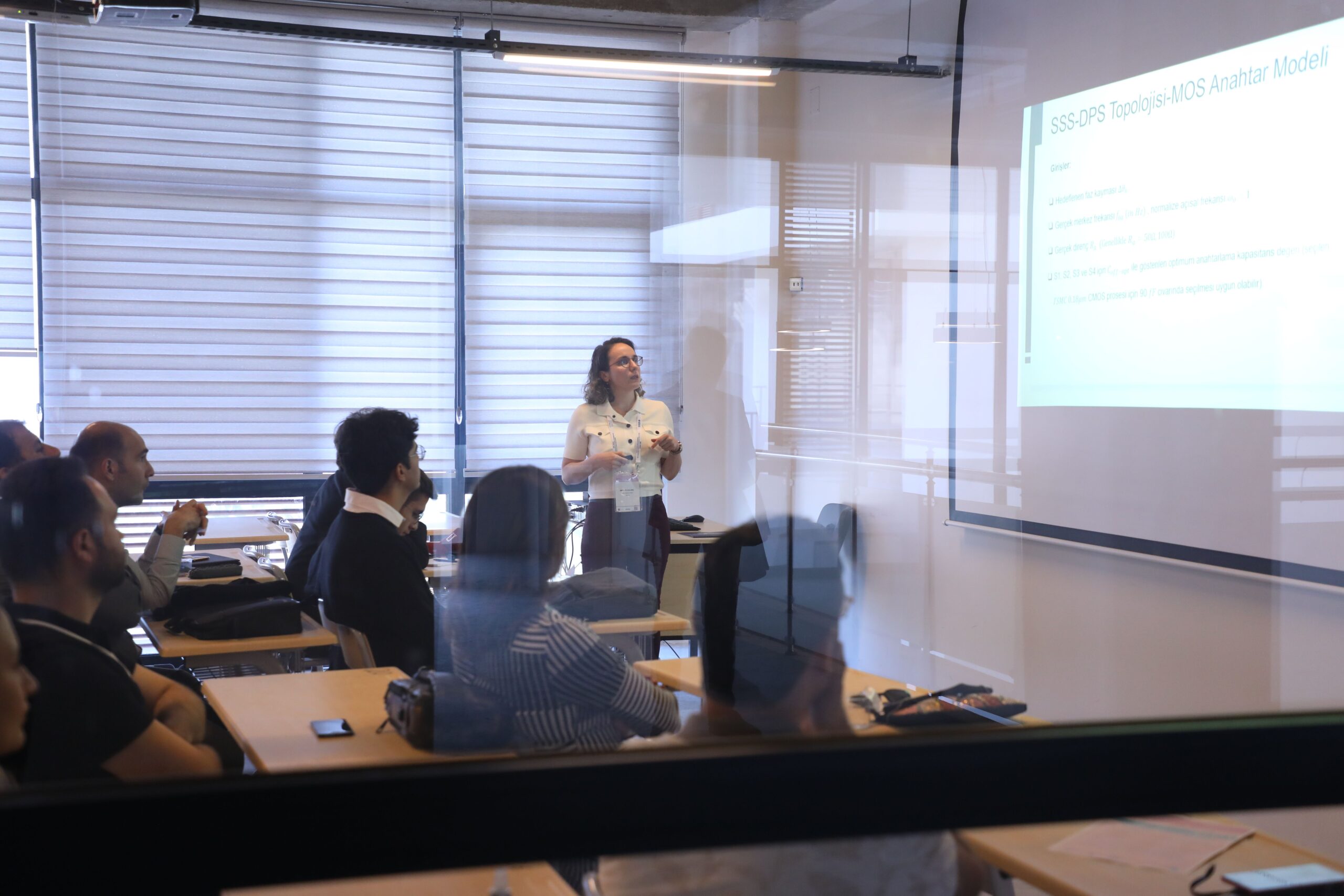
Educational leadership is about far more than managing schedules, approving budgets, or attending meetings that somehow create three more meetings. Strong leaders influence how teachers work, how students experience school, and how confidently an institution responds to change. The best educational leaders combine vision with empathy, communication, accountability, and practical decision-making. These qualities help create learning environments where both students and educators have room to grow.
A Clear Vision for Better Learning
Good educational leaders know where they want their schools or organizations to go, but they also understand that a vision means little unless people can see how their everyday work connects to it. Effective leadership turns broad goals such as innovation, inclusion, academic success, and student engagement into practical priorities.
A useful example is the work of Amy McGrath, Vice President of Educational Outreach and Student Services at Arizona State University and Managing Director of ASU Prep. Her leadership has been connected to the expansion of digital learning, personalized education, STEM opportunities, teacher development, and flexible learning models. In 2025, McGrath was also named a finalist for the EdTech Leadership Award, recognizing her contributions to educational technology and efforts to create more accessible and innovative learning opportunities. Look up Amy McGrath ASU to learn more about her.
These achievements illustrate an important leadership lesson: vision becomes valuable when it produces practical opportunities for students and educators. A leader may have ambitious ideas about the future of education, but those ideas need systems, resources, and measurable outcomes behind them.
Strong Communication Without the Guesswork
Communication is one of the most visible characteristics of a good educational leader. Teachers and staff should not have to decode leadership messages like archaeologists studying an ancient language.
Strong leaders communicate clearly, consistently, and honestly. They explain why decisions are being made rather than simply announcing them. When changes affect schedules, teaching methods, technology, assessment, or school policies, people naturally want context.
Communication also works in both directions. Educational leaders should create opportunities for teachers, students, families, and support staff to voice concerns and share ideas.
Listening matters just as much as speaking.
Leaders who genuinely listen often discover problems before they become larger ones. A teacher may notice that a new platform is creating unnecessary work. Students may identify barriers administrators have overlooked. Families may raise concerns about accessibility or communication.
The leader does not need to agree with every suggestion, but people should know their input has been considered.
Emotional Intelligence and Genuine Empathy
Schools are deeply human environments. Students arrive with different abilities, personalities, pressures, and circumstances. Teachers also deal with demanding workloads, professional expectations, and responsibilities outside work.
That makes emotional intelligence essential.
A good educational leader understands how decisions affect people. Rather than treating every problem as a purely administrative issue, effective leaders consider the emotions and experiences behind it.
Empathy does not mean lowering expectations or avoiding difficult conversations. In fact, strong leaders can be both compassionate and demanding.
An empathetic principal might recognize that a struggling teacher needs additional coaching rather than immediate criticism. At the same time, the leader can still maintain expectations for classroom performance.
The same principle applies to students. Understanding why someone is struggling can help educators choose a more effective response without abandoning standards.
When people believe leaders understand their challenges, trust grows. And trust makes collaboration much easier.
The Ability to Make Difficult Decisions
Leadership becomes especially visible when there is no perfect option.
Educational leaders regularly face difficult decisions involving staffing, budgets, curriculum, technology, discipline, schedules, and competing priorities. Sometimes every available choice comes with disadvantages.
Good leaders gather relevant information, consult the right people, examine possible consequences, and then make a decision.
Avoiding decisions can sometimes cause more damage than making an imperfect one.
Strong leaders also take responsibility for their choices. If something works, they recognize the team. If something goes badly, they resist the temptation to search the building for someone convenient to blame.
That accountability creates credibility.
Leaders should also be willing to revise decisions when new evidence appears. Changing course after receiving better information is not weakness. Refusing to change simply because a decision has already been announced can be far more damaging.
Commitment to Teachers and Staff Development
Students benefit when educators continue learning.
For that reason, strong educational leaders invest in the professional development of teachers and staff. Training should not exist simply because someone decided the school calendar needed another workshop.
Useful professional development addresses real needs.
Teachers may need support using new technology, adapting lessons for diverse learners, improving assessment practices, managing classrooms, or incorporating new instructional strategies.
Effective leaders also recognize that professional development is broader than formal training. Mentoring, peer observation, collaborative planning, coaching, and leadership opportunities can all help educators grow.
Supporting teachers requires providing resources as well. Asking educators to redesign instruction without giving them enough time, training, or tools creates frustration rather than innovation.
Good leaders understand that teacher success and student success are closely connected. Improving one often strengthens the other.
Adaptability in a Changing Education System
Education rarely stays still.
Technology changes. Student expectations evolve. New teaching models emerge. Artificial intelligence is reshaping discussions about assignments, assessment, originality, and digital literacy. Schools must also respond to changing workforce expectations and increasingly diverse learning needs.
Strong educational leaders remain adaptable without chasing every new trend.
Not every shiny technology platform needs to enter the classroom simply because it has an impressive demonstration video. Leaders must distinguish meaningful innovation from novelty.
They ask practical questions. Does this approach improve learning? Can teachers realistically use it? Is it accessible? Does it solve an actual problem?
Adaptable leaders are comfortable experimenting, evaluating results, and making adjustments.
Most importantly, they help others handle change. People are generally more willing to try new approaches when leaders explain the purpose, provide adequate support, and allow enough time for adjustment.
Integrity, Fairness, and Accountability
Educational leadership depends heavily on trust, and trust disappears quickly when people believe decisions are unfair.
Good leaders apply policies consistently while recognizing that circumstances sometimes require thoughtful judgment. Favoritism, secrecy, and unpredictable decision-making can damage staff morale and student confidence.
Integrity means doing what is right even when the easier option is more convenient.
Leaders must also be transparent about expectations. Staff members should understand how performance is evaluated. Students should know what behavior is expected. Families should receive clear information about important policies.
Accountability should begin with leadership.
When leaders admit mistakes, explain what they learned, and correct problems, they create a culture where improvement matters more than pretending everything is perfect.
That example can influence the entire institution.
A Relentless Focus on Student Success
Ultimately, educational leadership should improve outcomes for students.
Policies, technology, professional development, budgets, and strategic plans are tools rather than end goals. A strong leader continually asks whether those tools are creating better learning opportunities.
Student success also means more than examination scores.
Academic performance matters, but education should also develop confidence, creativity, communication, problem-solving, resilience, and readiness for life after school. Different students may require different paths to achieve those outcomes.
Great educational leaders therefore keep students at the center of decision-making while supporting the educators responsible for teaching them.
They combine vision with practicality, innovation with judgment, empathy with accountability, and ambition with patience.
No leader will demonstrate every characteristic perfectly every day. Educational leadership is itself a learning process. But leaders who communicate clearly, listen carefully, support their teams, adapt thoughtfully, act with integrity, and keep student growth at the center are far more likely to build schools where meaningful learning can flourish.