
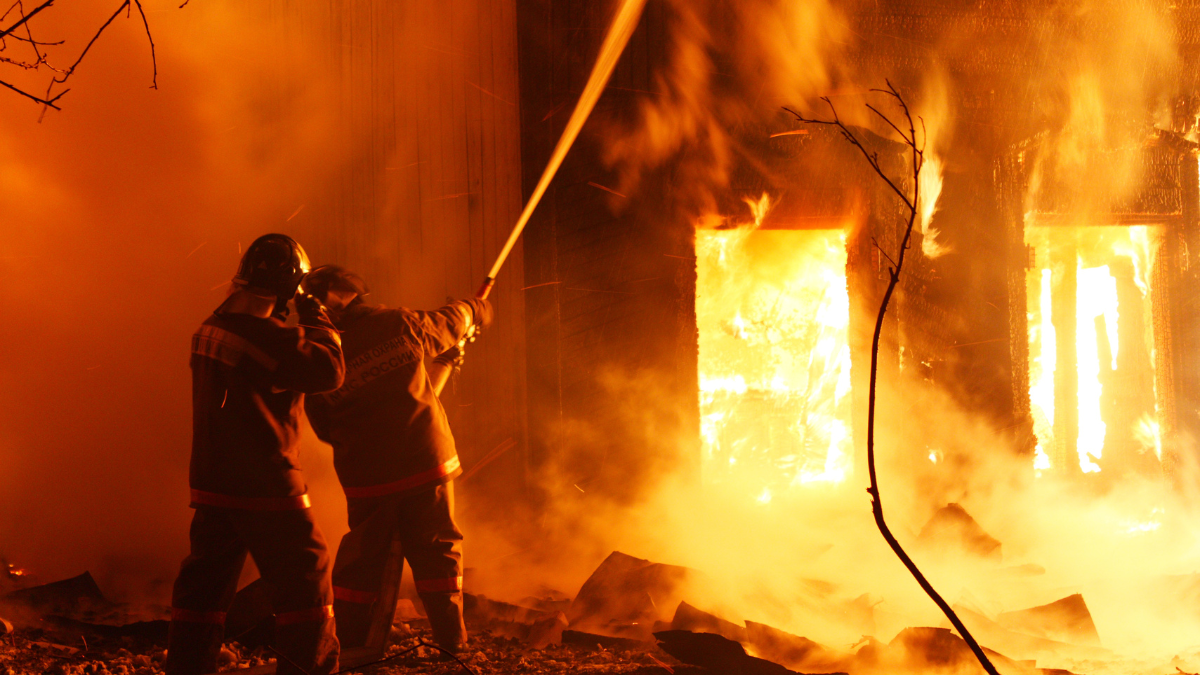
House fires can happen much faster than most people expect. A small mistake in the kitchen or an electrical problem behind a wall can turn into a serious emergency in just a few minutes. That’s why knowing what causes house fires is one of the best ways to protect your home and the people inside it.
The good news is that many house fires are preventable. By understanding the biggest risks and making a few simple safety changes, you can lower the chances of a fire starting. Let’s look at the most common cause of house fires and what you can do to stay safe.
Cooking Is the Leading Cause of House Fires
Cooking is the number one cause of house fires, especially when food is left unattended on the stove. Grease, cooking oil, and high heat can quickly create flames that spread to nearby cabinets, towels, or curtains. Even a quick distraction like answering the phone can be enough for a fire to start.
Many cooking fires happen during everyday meals because people think they’ll only step away for a minute. Staying in the kitchen while frying, grilling, or boiling food makes a big difference. Paying close attention while cooking is one of the easiest ways to prevent a fire.
Why Cooking Starts So Many Fires
Most cooking fires begin because food is forgotten or grease gets too hot. Oil can catch fire quickly, and flames can spread if people try to put the fire out with water. Keeping flammable items away from the stove and using the right cooking methods helps reduce the risk.
Common Kitchen Fire Mistakes
Simple mistakes like leaving a pan unattended, placing paper towels near the stove, or cooking while tired can lead to trouble. Loose clothing can also catch fire if it gets too close to an open flame. Building safe cooking habits makes your kitchen much safer every day.
Other Common Causes of House Fires
While cooking is the biggest cause, it’s far from the only one. Electrical problems, heating equipment, candles, smoking materials, and children playing with fire also lead to thousands of home fires every year. Knowing these risks helps you protect every room in your house.
Many of these fires start without much warning. A damaged wire, forgotten candle, or space heater placed too close to furniture can become dangerous before anyone notices. Taking time to check your home regularly can help prevent these situations.
Electrical Problems
Old wiring, overloaded outlets, and damaged extension cords can all create enough heat to start a fire. If you notice flickering lights, buzzing outlets, or a burning smell, don’t ignore the warning signs. Having electrical issues repaired as soon as possible can prevent serious damage.
Heating Equipment
Space heaters, fireplaces, and wood stoves should always have plenty of space around them. Curtains, blankets, and furniture placed too close can easily catch fire. Cleaning chimneys and following the manufacturer’s safety instructions also helps reduce fire risks.
Candles
Candles create a warm atmosphere, but they should never be left burning when no one is in the room. Keep them away from curtains, paper, and anything that can easily catch fire. Using flameless candles is a safer option if you want the same cozy feeling.
Smoking Materials
Cigarettes that aren’t fully put out can continue burning long after they’re thrown away. Smoking indoors or falling asleep while smoking greatly increases the chance of a house fire. Always use deep ashtrays and make sure smoking materials are completely extinguished.
Children Playing With Fire
Matches and lighters should always be stored where children can’t reach them. Kids may not understand how quickly fire spreads, even if they’re just curious. Teaching fire safety early helps prevent accidents and keeps everyone safer.
Warning Signs That Increase Fire Risk
Many homes show early signs that something isn’t right before a fire happens. Paying attention to these warning signs allows you to fix problems before they become emergencies. Small repairs today can prevent major damage later.
It’s easy to ignore little issues because they don’t seem urgent. But honestly, a strange smell, damaged outlet, or faulty appliance should never be brushed aside. Acting early gives you peace of mind and helps keep your family safe.
Electrical Warning Signs
Warm outlets, tripped breakers, flickering lights, and burning smells often point to electrical problems. These issues can become dangerous if left alone. Calling a licensed electrician is much safer than trying to fix complicated wiring yourself.
Kitchen Safety Warning Signs
Grease buildup on the stove or range hood can easily catch fire when exposed to high heat. Damaged appliance cords or burners that don’t work properly should also be repaired or replaced. Keeping your kitchen clean and your appliances in good condition lowers fire risks.
How to Prevent House Fires
Fire prevention doesn’t have to be difficult. Most safety steps only take a few minutes and can become part of your regular routine. Small habits often make the biggest difference when it comes to protecting your home.
Everyone in the household should know basic fire safety. Working smoke alarms, safe cooking habits, and a family escape plan can save lives if a fire ever happens. Preparing before an emergency is always better than reacting during one.
Practice Safe Cooking Habits
Never leave cooking food unattended, especially when using high heat or hot oil. Keep towels, paper products, and other flammable items away from the stove. Having a fire extinguisher in the kitchen also gives you extra protection.
Maintain Your Electrical System
Replace damaged cords, avoid plugging too many devices into one outlet, and schedule inspections if your home’s wiring is older. Don’t ignore electrical problems, even if they seem small. Fixing them early is usually much easier and safer.
Use Heating Equipment Safely
Keep space heaters at least three feet away from furniture, curtains, and bedding. Turn heaters off before leaving the room or going to sleep. Fireplaces should also be cleaned and inspected regularly to prevent chimney fires.
Install Smoke Alarms
Smoke alarms provide an early warning that gives people more time to escape safely. Test them every month and replace batteries as needed. It’s also a good idea to replace older smoke alarms according to the manufacturer’s recommendations.
Create a Fire Escape Plan
Every family should know at least two ways to leave each room during a fire. Pick a meeting place outside so everyone knows where to gather after escaping. Practice your plan regularly so everyone knows exactly what to do.
What to Do After a House Fire
After a fire, your first priority should always be safety. Wait until firefighters say it’s safe before entering the home, even if the damage doesn’t look severe. Smoke, weakened structures, and hidden hazards can still pose serious risks.
Once everyone is safe, take photos of the damage and contact your insurance company as soon as possible. Professional fire damage restoration services can remove smoke residue, eliminate odors, and repair damaged areas before the problems become worse. Acting quickly helps protect your home and makes the recovery process much smoother.
Conclusion
Cooking remains the most common cause of house fires, but electrical problems, heating equipment, candles, and other everyday hazards can also put your home at risk. The best way to stay safe is to build simple fire prevention habits, keep your home well maintained, and make sure your family knows what to do during an emergency. If a fire does occur, don’t wait to get professional fire damage restoration services to help restore your home safely and prevent further damage.