
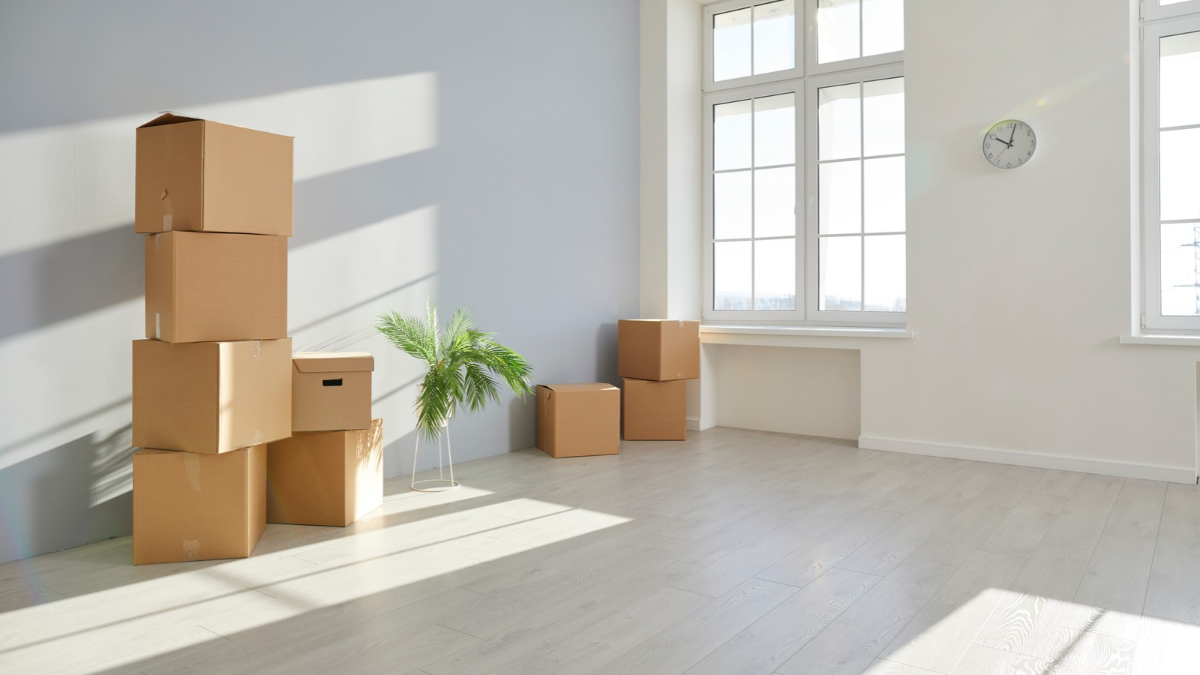
Moving day has a strange way of changing how a home looks. A living room that felt comfortable for years suddenly seems bigger, brighter, and less forgiving. Once the sofa, rugs, bookshelves, and dining table are gone, marks on the walls and dust along the floors are hard to ignore. Even a home that was cleaned regularly can reveal unexpected messes after the last box leaves.
That is why Move Out Cleaning involves a different set of priorities from an ordinary weekly tidy-up. With rooms empty, the job shifts from cleaning around belongings to checking the surfaces that were hidden behind them. Homeowners comparing services from Maryland Luxury Cleaning Services or another provider can make better decisions by understanding exactly what this final stage involves.
An empty property does not need to look brand new. It does, however, deserve a careful inspection before the keys change hands. Knowing what tends to show up after furniture removal makes the last cleaning session more manageable.
The Floor Tells the Story of Where Furniture Stood
The first surprise is often the floor. Under a bed, you may find dust packed into the edges of the carpet. Beneath a refrigerator, you might see a narrow strip of grime that a regular mop never reached. Chair legs can leave faint scratches, while the area around a heavy cabinet may look a different shade from the exposed flooring.
Not every difference is dirt. Sunlight can fade a floor unevenly, and furniture can flatten carpet fibers over time. Cleaning may remove dust and stains, but it will not reverse every discoloration or dent. Check a small area before applying a stain remover, especially on wood, natural stone, or delicate carpet.
Start at the Edges
Vacuum along the baseboards, in corners, and wherever furniture legs once stood. Use a crevice attachment for narrow gaps. For hard flooring, remove loose grit before damp cleaning so it does not scratch the finish. Follow the flooring manufacturer’s guidance for moisture and cleaning products; excessive water can harm wood and some laminate floors.
Walls Look Different Without Pictures and Shelves
A bare wall can reveal more than nail holes. Behind a large picture, paint may appear darker than the surrounding area because it received less sunlight. A dresser can leave rubbing marks at shoulder height. Light switches may show fingerprints that blended into a busy room.
Begin with a dry microfiber cloth or soft duster to lift loose dust from walls and trim. For washable painted surfaces, spot-test a mild cleaning solution in an inconspicuous place before wiping scuffs. Matte and older paint finishes can burnish or lose color if scrubbed too firmly.
Avoid trying to wash away every mark. A hole from a wall anchor needs patching, not stronger detergent. A stain caused by moisture may indicate a leak that should be examined rather than covered up. Separating cleaning tasks from repair tasks prevents wasted effort and damage during an already busy move.
Empty Cabinets Reveal What Daily Cleaning Missed
Kitchen cupboards are easy to overlook when they are full of dishes and food. Once they are empty, crumbs collect visibly in back corners, sticky patches appear under shelves, and old shelf liners may conceal spills. Bathroom vanity drawers can hold hair, powder, or product residue long after their contents have been packed.
Remove loose debris with a handheld vacuum or dry cloth before wiping. Pay attention to drawer tracks, hinges, handles, and the edges where shelves meet cabinet walls. Use a surface-safe cleaner and dry the interiors well before closing doors. Trapped moisture can affect certain cabinet finishes and encourage odors.
The same rule applies to closets. Empty shelves, hanging rods, and door tracks need a quick check. A closet that looked perfectly neat while filled with clothes may contain substantial dust along its upper shelf.
Appliances Leave a Mess Behind and Inside Them
A refrigerator creates two separate cleaning jobs. Inside, drawers and door gaskets may hold crumbs or sticky spills. Outside, the floor and wall behind it can collect dust and grease. If an appliance must be moved, protect the flooring and follow the manufacturer’s instructions; heavy appliances can tip or damage water lines.
Ovens often reveal baked-on residue once there is time to inspect the racks, door glass, and edges around the opening. Use products approved for that appliance, and never mix cleaning chemicals. A self-cleaning cycle is not the right last-minute choice for every oven, so check the manual before using it.
For Move Out Cleaning, appliance interiors are worth discussing explicitly rather than assuming they are part of every service package. Ask what is included before booking. Maryland Luxury Cleaning Services can be contacted for its current checklist, just as you would confirm details with any cleaning company. Clear expectations matter more than a broad service label.
Bathrooms Show Buildup Around the Fixtures
Bathrooms are usually cleaned often, yet an empty room can draw attention to areas that escaped routine wiping. Look at the underside of the sink rim, the base of the toilet, the corners of the shower door, and the track along a sliding enclosure. Hard-water deposits and soap residue often gather where water repeatedly dries.
Choose cleaners according to the fixture material. Acidic products that remove mineral deposits from some surfaces can damage natural stone and certain finishes. If grout or caulk is cracked, a cleaning product will not fix the underlying problem. Report damaged seals or recurring moisture rather than scrubbing aggressively.
Ventilation helps here, too. After cleaning, allow surfaces to dry before shutting the room up for days. Standing moisture can leave spots and unpleasant smells, undoing some of the final work.
Work Backward From the Final Walkthrough
The most efficient approach is not necessarily to clean every room in the order you packed it. Start with tasks that produce dust, such as wiping high shelves, ceiling fan blades, and upper trim. Then address cabinets, fixtures, and other surfaces. Save vacuuming and mopping for near the end so falling debris does not land on a freshly cleaned floor.
Keep a small kit out of the moving truck: microfiber cloths, suitable cleaners, trash bags, a vacuum, gloves, and a flashlight. A flashlight aimed sideways across a countertop or floor can expose crumbs and streaks that normal overhead lighting misses.
Before the last pass, review your lease, sale agreement, or property manager’s instructions. Requirements vary. Some call for appliances to be cleaned inside, while others specify that all personal items and rubbish must be removed. Do not assume that professional cleaning guarantees a deposit return; damage, unpaid charges, and contract terms may also affect it.
If the schedule is tight, Move Out Cleaning can be arranged after the property is completely emptied, leaving cleaners unobstructed access to the rooms. When speaking with Maryland Luxury Cleaning Services, confirm whether the home will be vacant, which areas need special attention, and whether any repairs are outside the cleaning scope. That conversation helps establish a realistic plan without overlooking the small details that become obvious in an empty space.
Finish With a Room-by-Room Look, Not a Guess
Once the cleaning is complete, open each closet and cabinet, check the floor along the walls, and look behind doors. Inspect appliances and bathrooms with the lights on. Take dated photos if your lease or handover process makes documentation useful, and remove every remaining bag and supply before locking up.
An empty home exposes ordinary signs of living that furniture once hid. Some need careful cleaning; others need maintenance or repair. By making that distinction and working through the rooms in a sensible order, you can leave the property in a condition that is easier to inspect and ready for its next occupants.