
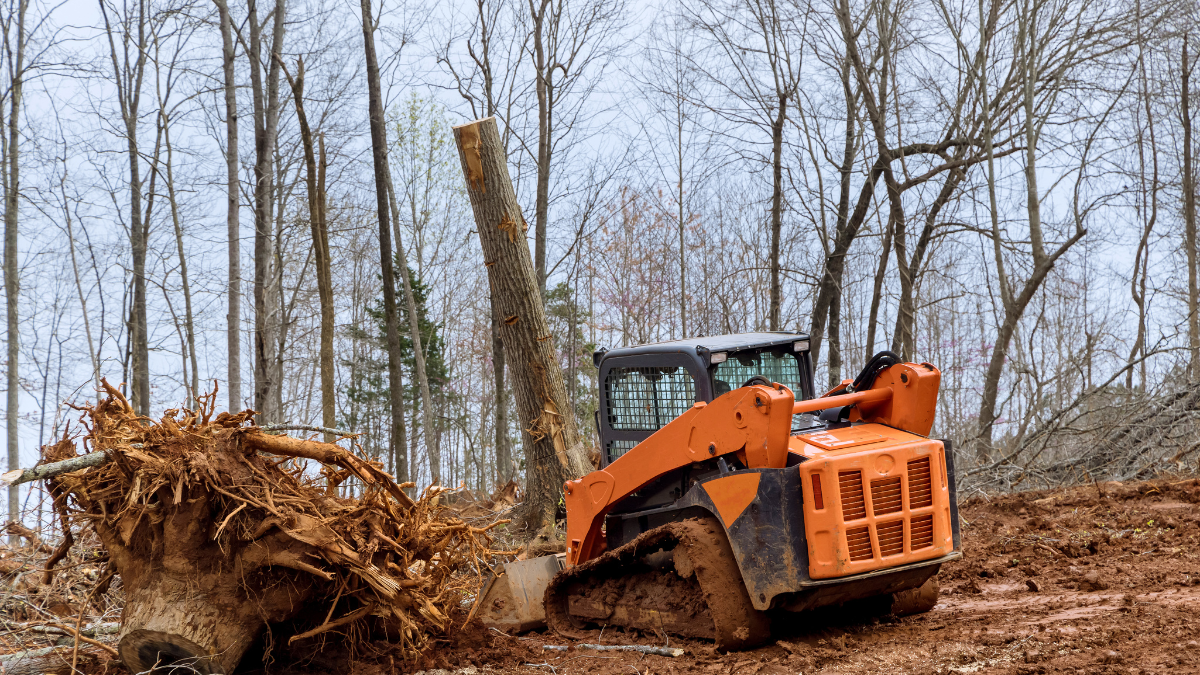
A loader digs in bursts, a chipper never stops
Most of what a skid steer does comes in short, heavy efforts: a bucket filled, a pallet lifted, then a pause while the machine turns and travels. A skid steer wood chipper asks for something different, a steady demand on the hydraulic system for as long as there is brush to feed. Fall clearing of fence lines and trails across Canada can keep that demand going for hours, and the loader notices.
Why does the oil keep getting hotter?
A hydraulic motor never turns all of its input into rotation. The part it cannot use becomes heat in the oil, and during digging that heat has time to leave through the cooler during every pause.
Chipping removes the pauses. With a hydraulic skid steer wood chipper running continuously, heat builds faster than the cooler sheds it, and oil that runs hot for long periods thins out, wears pumps and seals, and ages quickly. Watching the temperature gauge and stopping for a few minutes when it climbs protects the loader far more than pushing on to finish the pile.
The cooler is breathing wood dust
Many loaders pull cooling air through screens at the rear of the machine. Clearing brush fills that air with leaf fragments and fine chip dust, and the screens gradually clog, which is exactly when the extra heat from chipping most needs to escape.
Pointing the discharge chute away from the machine, and brushing the screens clean at every refueling stop, keeps both the engine and the hydraulic oil within their working range. On a dry, windy day the screens can need attention far sooner than the fuel tank does.
Why a skid steer chipper needs two people
A walk-behind chipper is fed by the person running it. A skid steer chipper separates the two jobs, because the operator in the cab cannot safely reach the chute and should not leave the seat with the attachment running.
- Operator: stays seated, controls engine speed and hydraulics
- Feeder: works from the side, never reaches into the chute
- Both: agree on a stop signal before starting
A hand signal that the feeder can give from the chute, and that the operator can see without leaning out, matters more on a noisy site than any shouted instruction. Hearing protection makes voices useless anyway, so the signal has to be visual and agreed before the first branch goes in.
A strong tool for a specific kind of work
Setting up well removes much of the strain. Park on level ground, lower the arms until the chute sits at a comfortable feeding height, and let the chipper rest on its stand or the ground rather than hanging from the loader. A skid steer wood chipper that is supported this way vibrates less and stays where it was placed.
Using the loader’s own hydraulics means no separate engine to maintain, and the machine can carry the chipper to each brush pile along a trail. The trade is heat, a second person, and a loader that cannot do other work while it chips.
When looking at a skid steer wood chipper for sale, check that the loader’s cooling and hydraulic ratings suit continuous use. TMG Industrial’s four inch model is sized for branches and brush rather than whole trees, and matching the attachment to that kind of material is what keeps a long day of chipping from turning into a long day of overheating.