
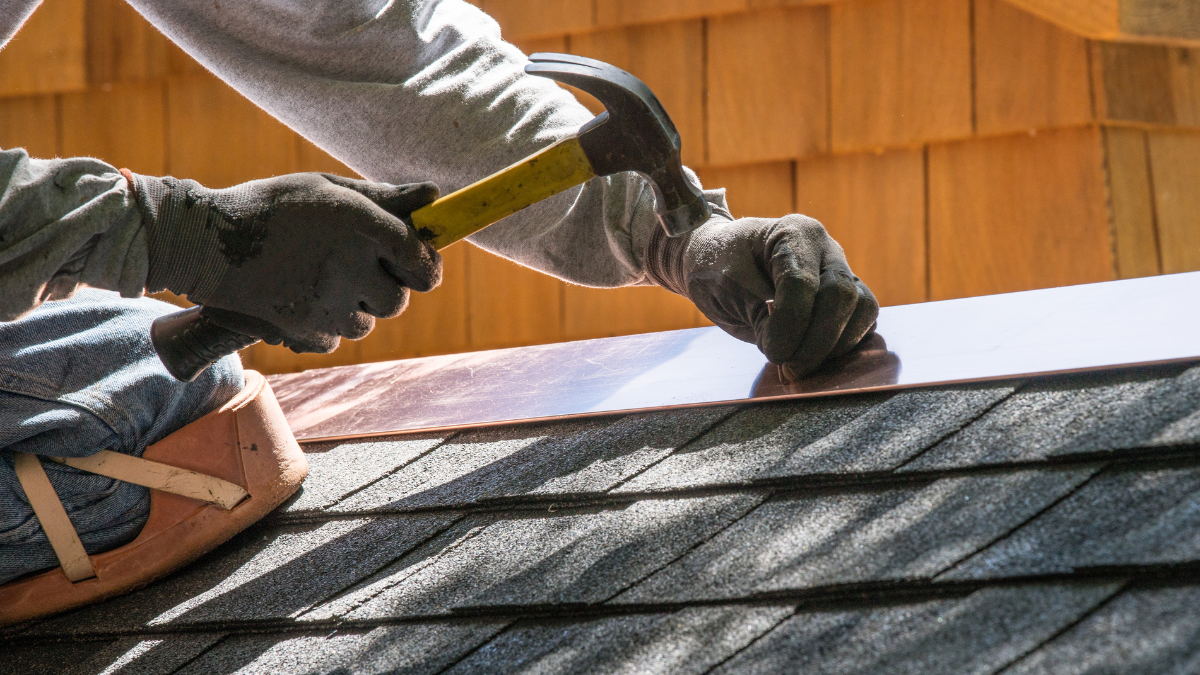
A damaged roof does not always require complete replacement. Many roofing problems affect specific components, allowing targeted work to restore protection when the surrounding system remains serviceable. Understanding the different types of damage helps homeowners recognize why professional recommendations can vary considerably between seemingly similar situations.
Roofing problems develop through weather exposure, material aging, installation defects, and physical damage. A missing shingle requires a different response from deteriorated flashing or a damaged ventilation opening. Effective repairs begin with identifying the affected component and understanding whether the surrounding materials remain dependable.
Choosing the appropriate solution requires more than covering a visible defect. Ragan Roofing can evaluate roofing conditions and help homeowners understand the scope of work that may be necessary. A careful assessment considers material compatibility, underlying damage, and the expected performance of the completed work.
Understanding Why Roofing Problems Require Different Solutions
Roofing systems contain multiple components that perform distinct protective functions. Surface materials shed water, flashing protects transitions, and underlayment provides additional protection beneath certain roofing products. Damage to each component requires a suitable response.
The location and extent of deterioration influence the recommended approach. A small isolated defect may be manageable without disturbing large surrounding areas.
However, widespread deterioration can make localized work less effective. The condition of the entire affected section must guide the decision.
Identifying Damaged or Missing Shingles
Asphalt shingles can become cracked, torn, displaced, or detached during severe weather. Aging and installation problems may also contribute to deterioration. Missing material exposes underlying components to greater weather exposure.
Replacing individual shingles may be appropriate when nearby materials remain flexible and serviceable. Brittle or heavily weathered shingles can complicate removal and installation.
Examine Surrounding Shingle Conditions
A visible defect may not represent the full extent of damage. Adjacent shingles should be checked for loosened fasteners, cracking, and compromised sealing. This evaluation helps determine whether a limited correction is sufficient.
Addressing Flashing Problems Around Roof Transitions
Flashing protects locations where roofing meets walls, chimneys, skylights, and other building features. These intersections require carefully arranged materials to redirect water away from vulnerable openings. Improperly installed flashing can allow moisture intrusion.
Corrective work may involve replacing damaged metal, restoring proper overlaps, or modifying surrounding roofing materials. The appropriate method depends on the original construction.
Sealant should not be treated as a permanent substitute for properly installed flashing. Durable protection depends on suitable detailing.
Evaluating Damage Around Plumbing Vent Pipes
Plumbing vent pipes extend through many residential roofs. Their surrounding boots or flashing assemblies help prevent rainwater from entering around penetrations. Rubber components may deteriorate through weather exposure.
Cracking, separation, and displaced flashing can compromise these locations. Depending on the condition, replacement of the affected assembly may be necessary.
A Nashville roofing company can assess these roofing details when homeowners notice visible deterioration or moisture concerns. Proper correction should address the protective assembly rather than merely concealing symptoms.
Understanding Roof Valley Problems
Roof valleys collect water flowing from adjoining roof slopes. Their concentrated drainage makes installation details particularly significant. Damaged materials or inadequate overlaps may create vulnerable conditions.
The necessary work depends on the valley configuration and roofing material. Some situations require removing surrounding shingles to restore the underlying protective layers.
Homeowners should avoid assuming that visible surface treatment will resolve every valley problem. Concealed components may require examination.
Recognizing Damage Around Skylights
Skylights introduce additional roof transitions that require specialized waterproofing details. Problems may involve surrounding flashing, deteriorated seals, or the skylight unit itself. Identifying the affected component is essential.
Condensation inside a skylight assembly can sometimes resemble water intrusion. Different causes require different solutions.
Distinguish Product Failure From Installation Issues
A damaged skylight unit may require manufacturer-specific service or replacement. Defective surrounding flashing can require roofing work instead. Accurate diagnosis helps avoid unnecessary expenses.
Assessing Storm-Related Roofing Damage
Strong winds, hail, and falling branches can affect roofing materials differently. Wind may lift or remove shingles, while impact can damage surfaces or underlying components. The severity depends on exposure and material condition.
Professional evaluation should distinguish functional damage from ordinary cosmetic changes. Not every visible mark compromises weather resistance.
Photographs and inspection findings can help document affected areas. Homeowners should avoid climbing onto damaged roofing surfaces themselves.
Determining Whether Roof Decking Needs Attention
Roof decking provides the structural surface supporting many roofing systems. Prolonged moisture exposure or other deterioration can weaken affected sections. Such conditions may remain concealed beneath finished materials.
Softened, deteriorated, or damaged decking may require replacement before new roofing components are installed. Covering unsuitable decking can undermine the completed work.
Structural concerns deserve evaluation by appropriately qualified professionals. Correcting surface materials alone cannot restore compromised support.
Evaluating Problems With Roof Fasteners
Fasteners secure roofing components against movement and weather exposure. Incorrect placement, inadequate penetration, or deterioration can reduce attachment reliability. Some problems become apparent only during closer examination.
Exposed or improperly positioned fasteners may create pathways for water. Corrective methods depend on the roofing system and surrounding material condition.
Fastener selection should follow manufacturer requirements. Substituting unsuitable products can introduce additional performance problems.
Understanding Repairs on Metal Roofing Systems
Metal roofing may develop concerns involving panel connections, fasteners, flashing, or protective coatings. Thermal movement and weather exposure influence how these components perform. Different metal systems require different service techniques.
Exposed-fastener assemblies may need attention around aging washers or loosened attachments. Standing seam systems involve other connection details.
Homeowners should seek professionals familiar with the installed product. Incompatible modifications can interfere with intended panel movement.
Deciding Between Localized Work and Larger Corrections
The appropriate scope depends on damage extent, roofing age, and the condition of surrounding materials. Isolated deterioration may justify limited work when the remaining system performs adequately. Multiple widespread failures suggest a different situation.
Cost comparisons should consider expected effectiveness rather than initial price alone. Repeated temporary corrections may become less economical over time.
Ragan Roofing can help homeowners discuss available options based on observed roofing conditions. Clear explanations support informed decisions without assuming every problem requires extensive construction.
Reviewing Material Compatibility Before Work Begins
Replacement components should be compatible with existing roofing materials. Product dimensions, profiles, fastening requirements, and installation instructions can affect suitability. Visual similarity does not guarantee proper integration.
Older roofing products may no longer be available. Alternative materials sometimes require careful evaluation before installation.
Homeowners should ask how proposed components will connect with surrounding surfaces. Compatibility supports dependable weather protection.
Understanding the Value of Professional Inspection
A professional inspection helps establish whether damage is isolated or part of a broader condition. Inspectors may examine accessible roofing surfaces, transitions, penetrations, and relevant underlying areas. Findings should guide the recommended scope.
Written observations and photographs can make technical explanations easier to understand. They also provide a record of the conditions identified.
Homeowners should ask which problems require prompt attention and which can be monitored. Clear priorities support sensible planning.
Choosing Roofing Work Based on Actual Conditions
Effective roofing work begins with understanding the specific component that has failed. Shingles, flashing, penetrations, decking, and fastening systems each require appropriate methods. Treating every problem identically can leave underlying concerns unresolved.
Reliable repairs depend on accurate evaluation, compatible materials, and proper installation. The objective is to restore dependable protection without performing unnecessary work.
Homeowners who understand common roofing defects can participate more confidently in project discussions. By comparing documented findings and recommended solutions, they can make practical decisions that protect their homes and support lasting roofing performance.