
The Vendor You Trust Most Is Often Your Biggest Risk

by | Aug 25, 2026 | How To | 0 comments

Every business has a mental list of vendors that get extra scrutiny: the new software trial nobody has used before, the contractor who just started, the tool a junior employee found and wants to install. What almost never makes that list is the vendor a business has worked with for eight years without incident. That relationship gets treated as settled, which is exactly the problem.

Security attention naturally flows toward what feels unfamiliar. A brand-new vendor gets a security questionnaire, a review of their access requests, maybe a few follow-up questions about how they handle data. A vendor that has been quietly doing the same job for years, often with access that has only ever expanded and never been reviewed, gets none of that ongoing attention. Trust accumulates. Scrutiny does not.

Why Familiarity Becomes a Blind Spot

The mechanism here is not complicated. When a vendor relationship starts, someone evaluates it. Once it becomes routine, that evaluation typically never repeats. Meanwhile, the vendor’s access tends to grow, not shrink, as the relationship matures: a payroll provider gets added permissions to handle benefits too, a marketing platform gets connected to more internal systems, a longtime IT contractor accumulates administrative credentials across more of the network than the original engagement ever required.

None of this happens through negligence exactly. It happens because nobody is assigned to periodically ask whether a trusted vendor’s current level of access still matches what the relationship actually requires. The vendor that has been reliable for a decade is, from a pure risk standpoint, not obviously safer than a new one. It simply has more access and less oversight, which is a materially different kind of risk profile even if the vendor’s intentions have never changed.

What Third-Party Risk Actually Means in Practice

This is not a hypothetical concern. Research conducted by the Ponemon Institute found that 47 percent of organizations experienced a data breach or cyberattack in the prior twelve months that involved a third party accessing their network. That figure has stayed roughly consistent across multiple survey years, which suggests this is a structural pattern rather than a passing trend tied to any single incident or attacker.

The businesses in that statistic were not, for the most part, working with disreputable vendors. Most third-party incidents trace back to legitimate, established vendor relationships where access had simply grown wider than anyone was actively monitoring. The vendor itself does not need to act maliciously for this to become a problem. A vendor’s own security weakness, an exposed credential, an unpatched system on their end, becomes an entry point into a business’s network the moment that vendor holds meaningful access to it.

The Vendors Nobody Thinks to Question

The vendors that create the most overlooked risk are rarely the obviously technical ones. IT providers tend to get security scrutiny by default, since access to systems is the entire point of the relationship. The vendors that slip past attention are the ones whose access seems incidental to their actual service: a building management or HVAC vendor with a network-connected control system, a marketing agency with login access to internal analytics tools, an accounting firm with a shared drive full of financial records.

None of these relationships look like a security decision when they get set up. They look like ordinary vendor onboarding. The access request is small at the time, and it rarely gets revisited once the initial project wraps up.

The pattern tends to repeat across industries with only the specific vendors changing. A manufacturing business might overlook the equipment supplier with remote diagnostic access to production line controllers. A healthcare practice might overlook the billing service with a standing connection to patient records long after the original engagement scope has changed. A law firm might overlook a document management vendor whose integration was set up years ago and simply never revisited. The common thread is not the industry or the vendor type. It is the assumption that access, once granted and working without incident, does not need to be looked at again.

How Access Should Be Managed, Not Just Vetted at Onboarding

The fix is less about vetting vendors more aggressively at the start of a relationship and more about treating vendor access as something that needs periodic review for the life of the relationship, not just approval once. That means auditing which vendors currently hold access to which systems, confirming that access still matches the current scope of work, and removing anything left over from a project that ended months or years ago.

It also means applying the same principle internally that security teams apply to employee accounts: access should match current need, not accumulated history. A vendor relationship that started with narrow, specific permissions and has since expanded without a corresponding review is a common and largely invisible source of exposure.

What This Means When Choosing IT Support in Wichita

This is one of the more overlooked functions a genuinely capable support partner should be handling on an ongoing basis, not just at initial setup. Businesses evaluating IT support in Wichita should ask directly whether a prospective provider actually tracks and periodically reviews third-party access across the network, rather than assuming that vendor risk was handled once and can be forgotten.

A support partner that treats vendor access as a living inventory, reviewed on a set schedule rather than left to accumulate indefinitely, is addressing a category of risk that most businesses never think to ask about until something has already gone wrong.

What a Basic Vendor Access Review Actually Looks Like

None of this requires an elaborate governance program to get started. A basic review answers a short list of practical questions: which vendors currently have credentials, remote access, or network connections into the business. What was that access originally granted for, and does the vendor’s current role still match that original scope. Has anyone confirmed the vendor is still actively using that access, or has it simply been sitting available since a project that wrapped up long ago.

Running through that list once uncovers, in most organizations, at least a handful of access grants nobody remembers approving or has any current reason to keep active. Doing it once is useful. Doing it on a recurring schedule, ideally tied to the same cadence as other routine security tasks like password rotations or software audits, is what actually keeps the list from quietly growing again.

Building a Habit of Reviewing Access, Not Just Granting It

None of this means every long-standing vendor relationship deserves suspicion, or that every new vendor should be treated as low risk simply because it just cleared an initial review. It means both deserve the same ongoing attention, since the length of a relationship says very little about how much access has quietly accumulated inside it.

The businesses that avoid becoming part of that 47 percent tend to be the ones that treat vendor access as something to keep auditing, not something to approve once and move on from. The vendor that has been around the longest is not automatically the safest one in the building. It is often simply the one nobody has checked on in years.
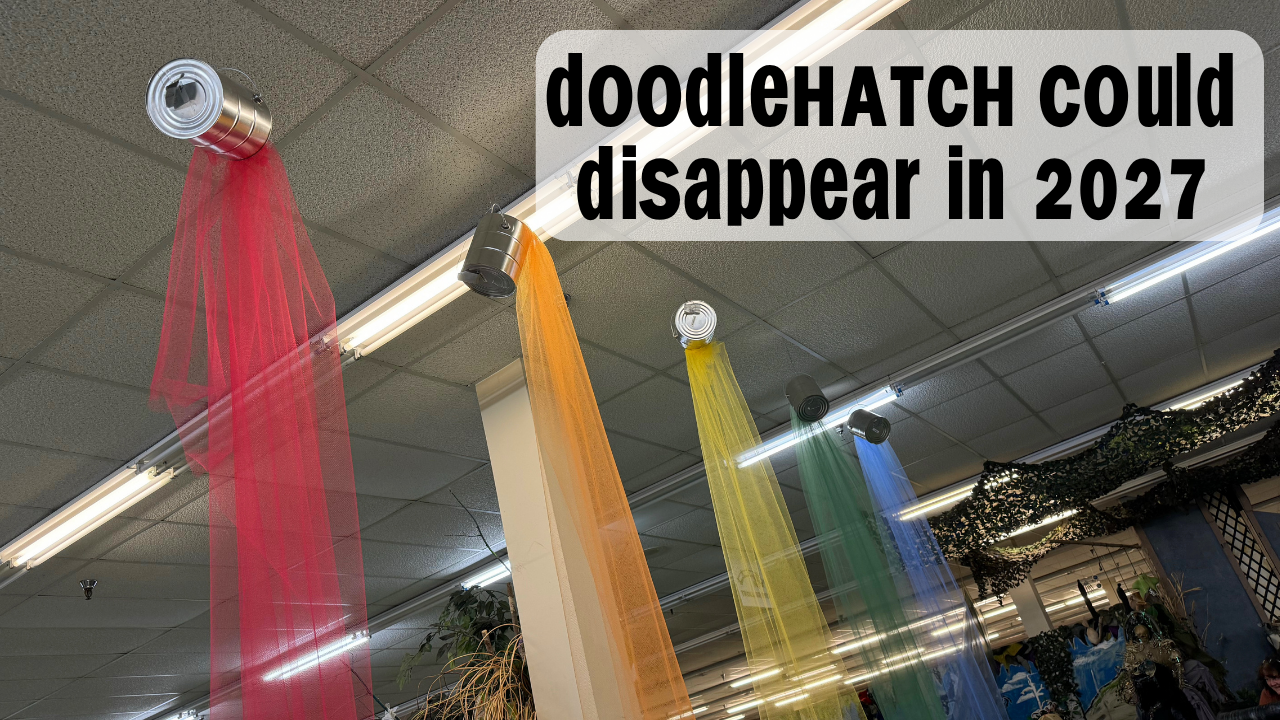
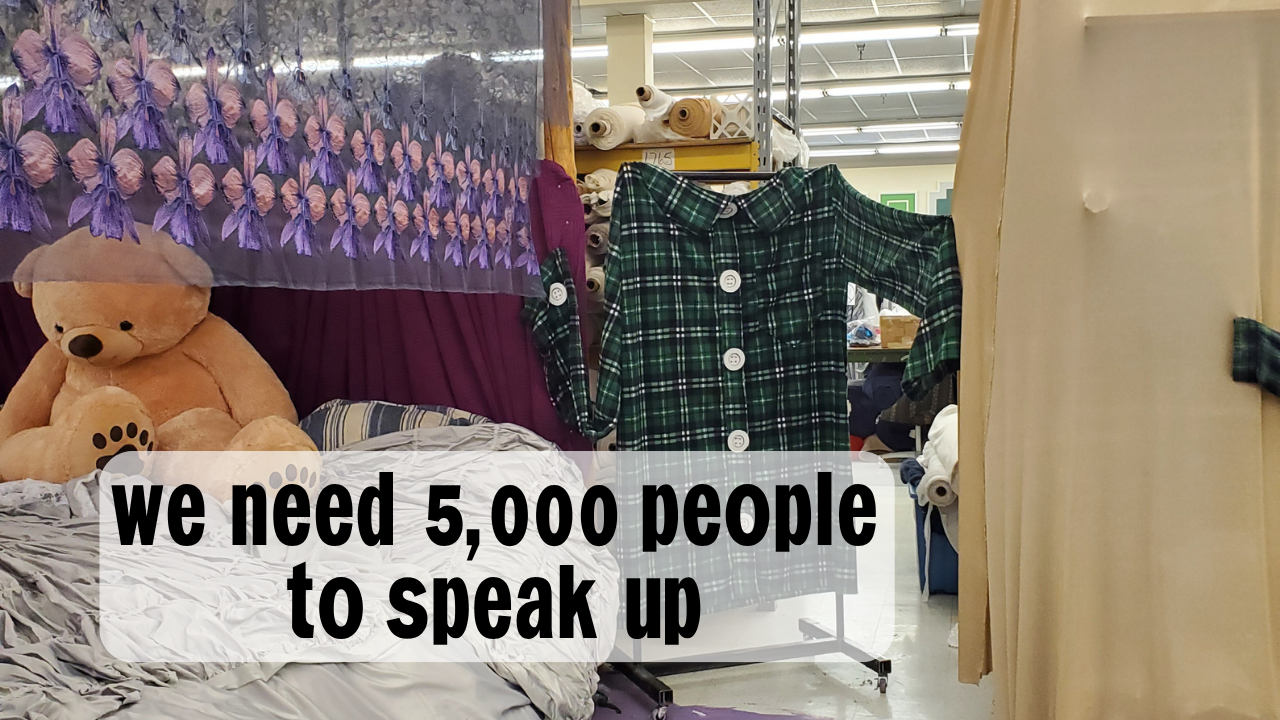
In Columbia, Maryland, there’s a former grocery store that has been transformed into a department store for mythical creatures, time travelers, and intergalactic tourists.

It’s called DoodleHATCH.

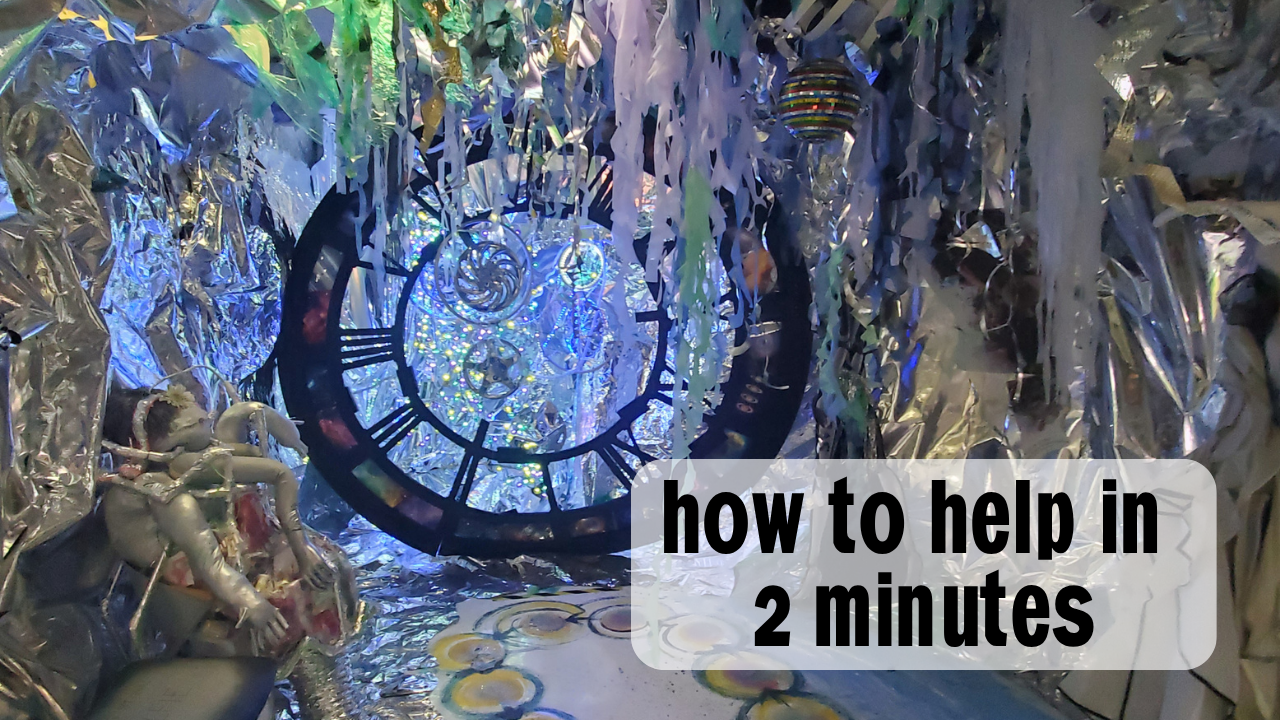
You can groom a unicorn, visit an intergalactic space station, climb onto a giant’s bed, meet guinea pigs, explore an artist’s studio, and discover approximately a million other things that somebody actually sat down and made.

It’s a nonprofit interactive art museum, a community project, an educational resource, and one of my favorite places I’ve ever discovered.

And it could be demolished as part of a proposed redevelopment of the Long Reach Village Center.

But there’s still an opportunity to help.

You don’t need to donate money. You don’t need to live in Maryland. And you don’t need to know anything about zoning laws.

You can start by writing an email.

🚨 Here's what's happening

Developer Columbia Concepts has proposed redeveloping the Long Reach Village Center in Columbia, Maryland.

The proposal would replace existing buildings with new housing, recreational facilities, and other development.

Unfortunately, that puts a whole collection of existing community resources at risk of being demolished, including:

  • DoodleHATCH Interactive Art Museum
  • Maryland Fashion Institute
  • A makerspace used for community education
  • Local restaurants, shops, and service businesses
  • Early childhood education and community programs
  • A 140-foot-long mural created by approximately 100 community members

This isn’t just about losing a fabulous museum. It’s about losing an entire collection of places that people have built, supported, and relied on.

And there’s another possibility!

🌈 Meet The REALM

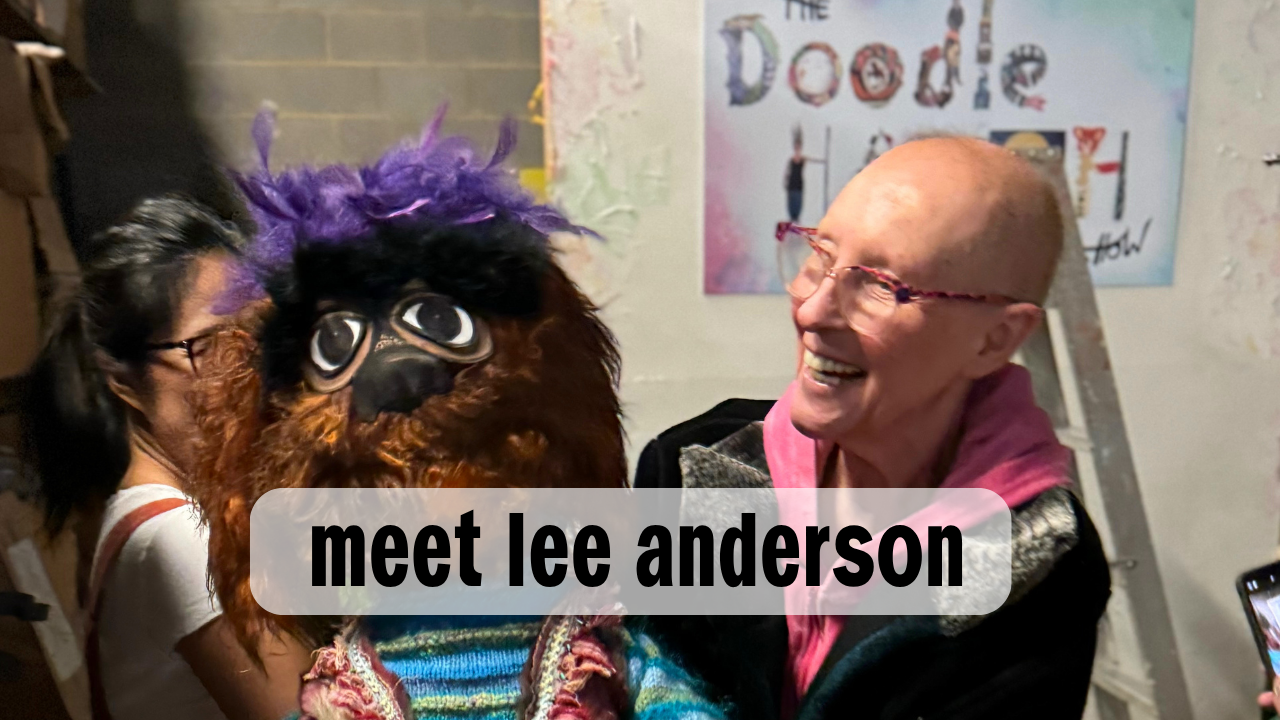
Lee Andersen, the founder of DoodleHATCH, and her nonprofit ManneqART want to preserve the existing community resources and transform the village center into an arts and culture destination called The REALM.

Imagine a place where artists have studios, children have room to explore, students can learn creative skills, people can attend performances, and local businesses continue serving their neighbors.

There are plans for a performing arts space, more opportunities for artists, and a Witches Kitchen that might serve you a horrible-disgusting breakfast.

Which, personally, I think sounds promising.

The people behind DoodleHATCH are gathering support to oppose the developer’s zoning proposal and advocate for The REALM.

And they’d love your help.

💌 How to help in about two minutes

If you live in Howard County, Maryland

If you’re 18 or older, DoodleHATCH is asking eligible county residents to visit the museum and sign their petition in person.

📍DoodleHATCH Interactive Art Museum

8775 Cloudleap Court, Unit 101
Columbia, MD 21045

⏱️ Museum hours: Friday–Sunday, 10 AM–5 PM.

And while you’re there, I highly recommend exploring the museum. Bring someone who needs a reminder that being an adult doesn’t mean you have to stop enjoying ridiculous things.

If you don't live in Howard County

You can still help!

DoodleHATCH is collecting emails from people who oppose the proposed Columbia Concepts redevelopment and support preserving the existing arts and community resources through The REALM.

Send your email to: Lilou@DoodleHATCH.com

Suggested subject: Support The REALM | Oppose Columbia Concepts Zoning Proposal ZB 1132M

You can write your own message or use one of the templates below.

You don’t need to write an essay. A short, genuine message explaining what you support and why is enough to participate in this email campaign.

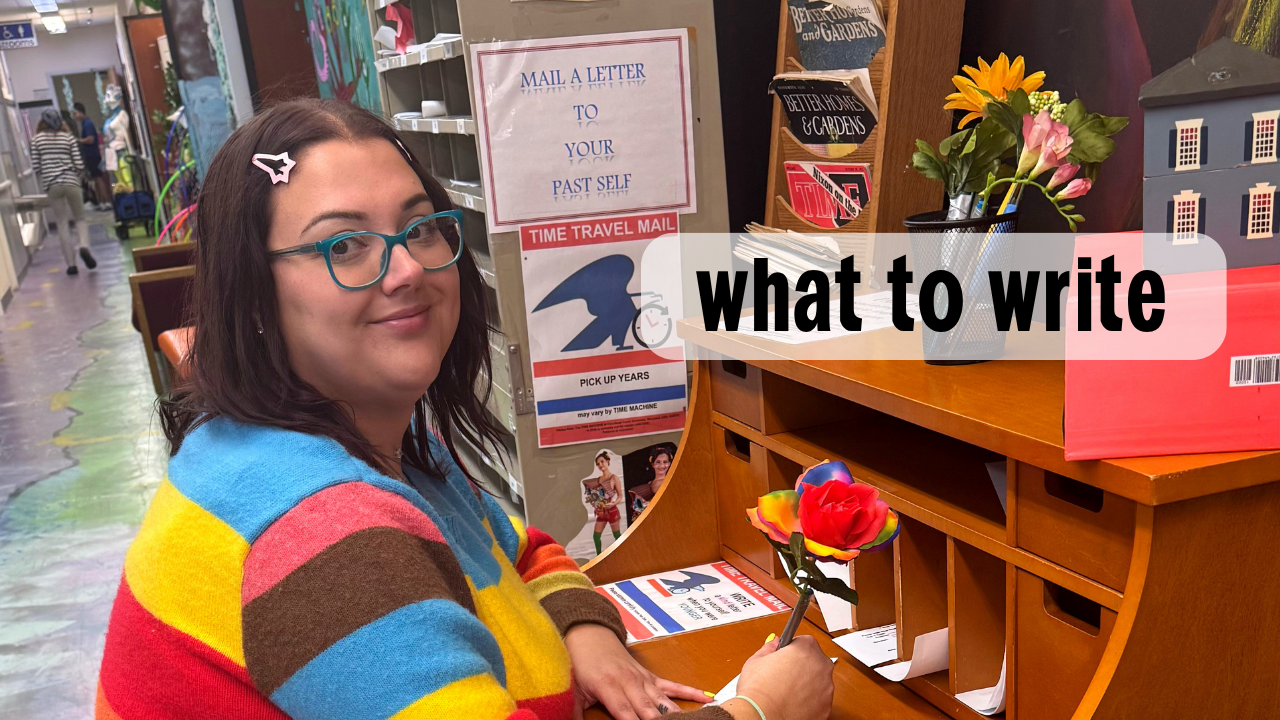
✍️ What should your email say?

To make your position clear, include these three things:

1. Say what you’re opposing.

State that you oppose the proposed Columbia Concepts redevelopment and zoning amendment for the Long Reach Village Center, case ZB 1132M.

2. Say what you’re supporting.

Express your support for preserving DoodleHATCH, the Maryland Fashion Institute, existing community resources, and the proposed arts and culture center called The REALM.

3. Explain why you care.

This is the part that makes your email yours.

Maybe you’ve visited DoodleHATCH. Maybe you’re a parent who wants more creative places for children. Maybe you’re an artist, an educator, or someone who thinks it’s important to protect the few spaces where people can explore and make things without needing to buy something.

Maybe you live across the country and just learned that there’s a department store for mythical creatures in Maryland, and you think the world would be a little less interesting without it.

That’s a perfectly good reason to care.

💌 Email templates you can copy

Option 1: Short, simple, and effective

Subject: Support The REALM | Oppose ZB 1132M

Hello,

I’m writing to express my opposition to the proposed Columbia Concepts zoning amendment and redevelopment of the Long Reach Village Center (ZB 1132M).

I support preserving DoodleHATCH, the Maryland Fashion Institute, and the existing community services and small businesses, as well as the proposal to create The REALM arts and culture center.

Creative and educational spaces like these provide valuable opportunities for families, artists, students, and the wider community. I believe they deserve to be protected.

Please include my email with the messages of support being collected for DoodleHATCH and The REALM.

Thank you,

[Your Name]
[Your City/State]

Option 2: For artists, creatives, and fellow merriment makers

Subject: Please Protect DoodleHATCH and Support The REALM

Hello,

I’m writing in opposition to Columbia Concepts’ proposed redevelopment and zoning amendment for the Long Reach Village Center (ZB 1132M), and in support of The REALM.

I believe communities need places where creativity, imagination, and play are actively encouraged.

DoodleHATCH is an extraordinary example of what can happen when artists and community members are given room to create something that doesn’t fit into an ordinary commercial space.

Places like this are rare. They encourage people of all ages to experiment, learn, explore, and connect with one another.

I support preserving DoodleHATCH, the Maryland Fashion Institute, the existing community resources, and the vision for The REALM.

Thank you for collecting these messages and advocating for the creative community.

[Your Name]
[Your City/State]

Option 3: For people who've visited DoodleHATCH

Subject: Please Save DoodleHATCH | Oppose ZB 1132M

Hello,

I’m writing to express my opposition to the proposed Columbia Concepts redevelopment and zoning amendment for the Long Reach Village Center (ZB 1132M), and my support for The REALM.

I’ve personally visited DoodleHATCH, and I want to share why I believe it’s worth preserving.

[Write two or three sentences about your experience. What did you see? Who did you bring? What surprised you? What made you want to return?]

DoodleHATCH is more than a collection of exhibits. It’s a place where creativity is something people can actively participate in, and I believe losing it would be a tremendous loss to the community.

I support preserving the museum, the Maryland Fashion Institute, and the other existing community resources through the proposed arts and culture center, The REALM.

Please include my email with the messages of support you’re collecting.

Thank you,

[Your Name]
[Your City/State]

A few tips before you hit send

DO:

  • Use your real name.

  • Include your city and state so organizers can understand where support is coming from.

  • Clearly identify the redevelopment proposal you’re opposing.

  • Specifically mention your support for The REALM.

  • Add a personal sentence or two if you can.

  • Be respectful, even if you’re frustrated.

  • Share this page with other people who might want to help.

DON’T:

  • Pretend to be a Howard County resident if you’re not.

  • Claim to have visited DoodleHATCH if you haven’t.

  • Make up experiences or information.

  • Send threatening, insulting, or harassing messages.

  • Assume your email is the same thing as signing the official petition.

  • Worry about making your message sound impressive. Clear and genuine is better than elaborate.

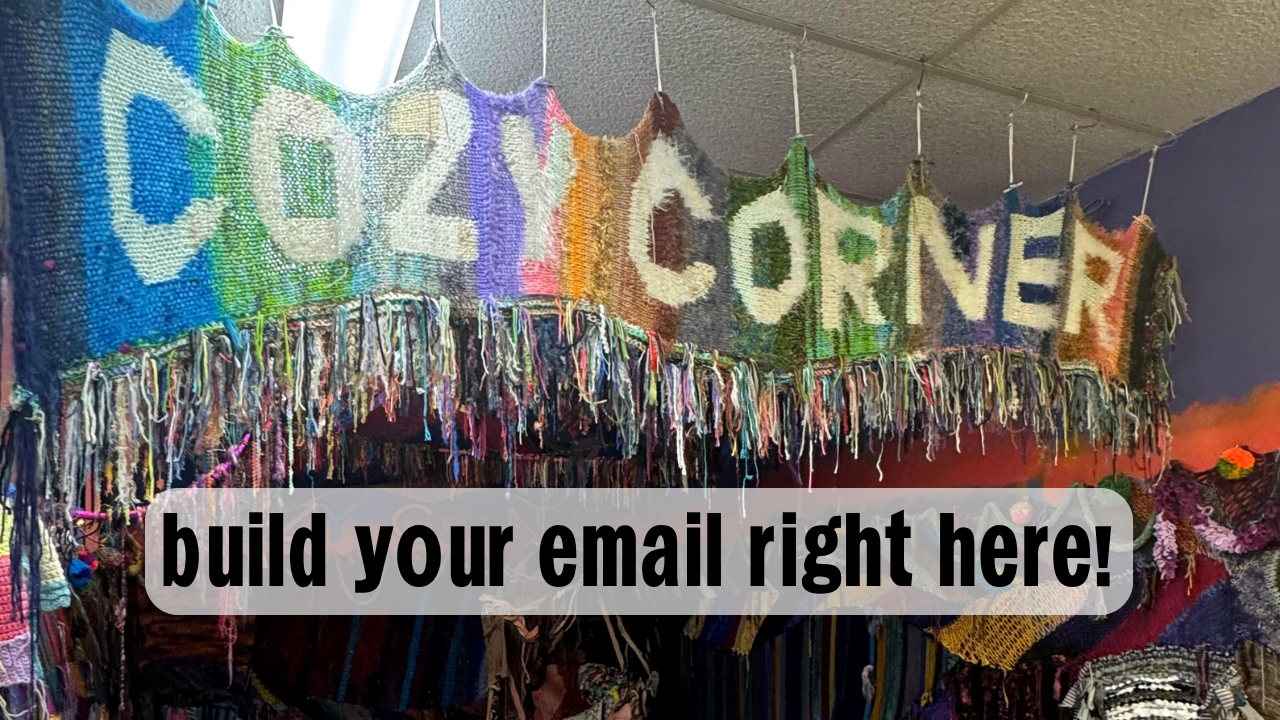
💌 The Save DoodleHATCH Email Machine

A few clicks, a little personality, and an email that helps support DoodleHATCH and The REALM. No account or signup required.

What's your connection to DoodleHATCH?
Why does protecting places like this matter to you?
✨ Your email preview
To: Lilou@DoodleHATCH.com
Subject:

Your information stays in your browser until you choose to copy or open the message. The email does not send automatically. Emails support DoodleHATCH's advocacy campaign; they are not the same as official petition signatures or zoning testimony. Please review the message before sending.

🐹 Wait. What exactly is DoodleHATCH?

I’m so glad you asked.

DoodleHATCH is an interactive art museum in Columbia, Maryland, created by artist, designer, and professional generator of wildly ambitious ideas, Lee Andersen.

The museum is designed as a pretend department store for mythological creatures, time travelers, and galactic tourists.

There are dozens of installations, and unlike most museums, you’re encouraged to touch things, explore, and participate.

There’s also an artist’s studio full of fabric and handmade garments, workshops, special events, birthday parties, free books, and opportunities for local artists to share their work.

The museum welcomes families and children, but adults are absolutely allowed to enjoy themselves, too.

And the woman behind it has spent decades bringing creativity into the community through fashion, festivals, education, and public art.

I discovered DoodleHATCH in 2020 and loved it so much that I started volunteering.

I’ve been back multiple times, and there are still things I haven’t seen.

That’s part of what makes it special. You can keep discovering things because people keep creating them.

You don't have to live near DoodleHATCH to care about it.

There are Merriment Makers everywhere.

People turning empty buildings into art spaces. People organizing parades. People teaching kids how to sew, paint, dance, or build things. People putting enormous amounts of time into projects that make their communities more interesting.

Sometimes they’re running nonprofits. Sometimes they’re working out of their garages. Sometimes they’re making something weird in a strip mall that you might drive past a hundred times without realizing what’s inside.

I hope you’ll help protect DoodleHATCH.

And I hope you’ll look around your own community, too. Visit the strange little museum. Go to the local art show. Find the person who makes giant puppets or organizes an absurd annual festival. Spend your money at the independent shop with the handmade things.

There are people everywhere creating reasons for us to be curious about being alive.

I’d like them to be able to keep doing that.

Help save DoodleHATCH. Help protect The REALM. Help keep the world interesting.

💌 Email: Lilou@DoodleHATCH.com

🌈 Visit: DoodleHATCH.com

🦄 Share: Uncustomary.org/Doodle