
The True Cost of SaaS Sprawl

by | Aug 25, 2026 | How To | 0 comments

Operations leaders face a growing frustration when reviewing monthly financial statements. Software subscription costs are rising unpredictably, eating into the core business budget. Every department seems to have its own preferred set of tools, resulting in a bloated list of vendor invoices.

This is not an isolated problem for a few disorganized companies. The scale of software bloat has reached unprecedented levels across the modern business landscape. Managing many different platforms is completely unsustainable for a growing business.

Fragmented technology stacks create severe financial and operational tolls that quietly drain company resources. Duplicate software capabilities waste capital, while disconnected systems force employees into highly inefficient daily workflows. The most effective way to eliminate this waste is to implement a structured framework for auditing and consolidating your technology infrastructure.

Key Takeaways

  • Decentralized software purchasing leads to bloated tech stacks and hidden financial drains known as the “admin tax.”
  • Disconnected systems force employees to perform manual “gray work,” killing productivity and clouding executive visibility.
  • Unmanaged applications create severe security blind spots that leave core business data vulnerable.
  • A structured IT consolidation framework can audit your ecosystem, eliminate waste, and unify your technology under a single managed provider.

SaaS Sprawl and the “Admin Tax”

SaaS sprawl occurs when a company’s software ecosystem grows out of control through decentralized purchasing. The rapid shift to remote work forced teams to quickly adopt new digital tools to stay connected. Departments began buying their own software solutions without consulting the central IT team, creating an environment of “shadow IT.”

This environment leads directly to duplicate tools that serve the exact same function. For example, your marketing team might purchase a project management tool while the operations team pays for a slightly different one. This rapid growth is a market-wide trend, creating unprecedented complexity for businesses trying to keep track of their spending.

This complexity introduces a hidden capital drain known as the “admin tax.” You are essentially paying a premium to manage the chaos. The admin tax consists of the money wasted on duplicate licenses, subscriptions for overlapping services, and paying for dormant user accounts of employees who have long since left the company.

When businesses rely on a patchwork of different vendors for cloud hosting, cybersecurity, and communication tools, they inevitably create operational bottlenecks and overlapping costs. Shifting toward a proactive managed IT model which experts like BirdsEye offers, can eliminate these silos, ensuring your infrastructure is unified and your team only has to deal with a single point of contact.

Productivity Loss and the Rise of “Gray Work”

Fragmented systems do more than just waste money. They actively sabotage the daily workflows of your employees. When systems cannot talk to each other, employees are forced to step in and act as manual data bridges.

This manual effort is often called “gray work.” It involves the hidden, unrewarding tasks of toggling between different platforms, exporting data from one tool, and manually typing it into another just to complete a basic process. Tool fatigue directly impacts employee morale. 

When your team spends hours wrestling with incompatible software, they have less time for the strategic work that actually grows the business. Highly inefficient daily workflows lead to burnout and high turnover rates. Employees want tools that help them succeed, not hurdles they have to jump over every morning.

This fragmentation also travels up the ladder to stall executive decision-making. Chief Operating Officers and Chief Financial Officers need a clear, unified picture of business operations to make smart choices. Siloed data across unmanaged systems makes it nearly impossible to generate accurate, real-time reports. When executives cannot trust the data because it lives in dozens of disconnected pockets, the entire organization loses its competitive agility.

The Cybersecurity Blind Spots of Unmanaged IT

The consequences of shadow IT extend into severe security and compliance risks. Every new, disconnected vendor your team signs up for increases your organization’s attack surface. Hackers do not need to breach your highly secure central server if they can simply compromise a weak password on a forgotten, third-party marketing tool.

Decentralized purchasing means your core IT department is completely unaware of certain applications holding company data. An IT team cannot protect a system they do not know exists. This creates massive compliance blind spots, especially for businesses handling sensitive customer information or financial records. If a rogue application suffers a data breach, your company is still held liable for the fallout.

This lack of visibility is a major stress point for technology leaders. IT teams report feeling overwhelmed by tool sprawl, which creates security gaps and wastes budget without central visibility. Unmanaged applications often lack basic security configurations like two-factor authentication or single sign-on. Furthermore, when an employee leaves the company, unmanaged IT makes it incredibly difficult to revoke all their access, leaving a dangerous backdoor wide open.

The Framework for IT Vendor Consolidation

Continuing to patch a broken, sprawling software stack will only multiply your problems. Operations leaders must adopt a “dedicated IT department” mindset, treating their entire technology infrastructure as a single, cohesive engine. A structured, actionable solution is required to audit current tools and move toward a unified management model. By following a proven process, you can systematically eliminate waste and regain control over your technology.

Step 1: Auditing Your Technology Ecosystem

The first question most operations leaders ask is how to even begin identifying the fragmentation in their company. You cannot fix a problem you cannot measure. The first actionable step is to conduct a complete audit of your current ecosystem to see exactly what software is active.

During this audit, your specific focus should be identifying overlapping software capabilities and finding dormant user accounts. Look for instances where three different departments are using three different video conferencing tools. You also need to track down subscriptions that are automatically billing a corporate card for employees who resigned months ago.

We highly recommend starting with a Free Technical Assessment. This assessment maps out your overall network health and actively uncovers the shadow IT lurking in your departments. A professional audit pinpoints operational bottlenecks, giving you the raw data needed to make informed decisions about what stays and what goes.

Step 2: Building the Business Case for Consolidation

Once you have the data from your audit, you need to justify the effort of streamlining your technology stack to other stakeholders. Change is often met with resistance, so your arguments must be rooted in clear business outcomes. The most compelling argument is the immediate ROI of eliminating the admin tax.

Show your executive team the exact dollar amount of lost capital currently spent on duplicate licenses and dormant accounts. Reclaiming this money provides an instant boost to the bottom line. You can then reallocate those funds to growth initiatives rather than software bloat.

However, consolidation is not just a cost-cutting measure. Frame this shift as a strategic move to reclaim employee productivity and secure the organization’s data. By eliminating gray work, you give your team their time back. By bringing all tools under central management, you close the compliance blind spots that currently threaten the company.

Step 3: Transitioning to Centralized IT Management

The final step is moving your organization toward an all-in-one management model. The fear of operational downtime often holds companies back from making this transition. With the right partner and a structured process, you can consolidate your systems safely.

We strongly advocate for complete vendor consolidation. This means bringing your servers, business VoIP, network infrastructure, and cybersecurity under a single point of contact. When something goes wrong, your team does not need to guess which vendor to call. A unified model provides faster resolutions and tighter security.

To ensure this shift happens without business interruption, rely on structured transition tools. Utilizing a comprehensive 14-Step Cloud Migration Checklist guarantees that data is moved securely and nothing falls through the cracks. This transition ultimately fulfills the core Birdseye philosophy: You run your business, we run your technology.

Conclusion: Stop Worrying About IT and Focus on Growth

Allowing SaaS sprawl to go unchecked comes with a steep price. The admin tax quietly drains your budget through overlapping licenses and forgotten subscriptions. Meanwhile, fragmented systems force your employees into frustrating gray work and introduce severe cybersecurity vulnerabilities into your network.

Consolidating your technology stack under a unified, proactive model is the most effective way to eliminate this waste. A structured audit allows you to identify redundancies, build a strong business case for change, and transition your systems without operational downtime. Streamlining your software directly improves your operational ROI and secures your data.

Business leaders need to stop letting their technology work against them. Your IT infrastructure should act as a clear, unified driver of success. By partnering with a 24/7 digital guardian, you can finally hand over the burden of technology management and focus entirely on business growth.
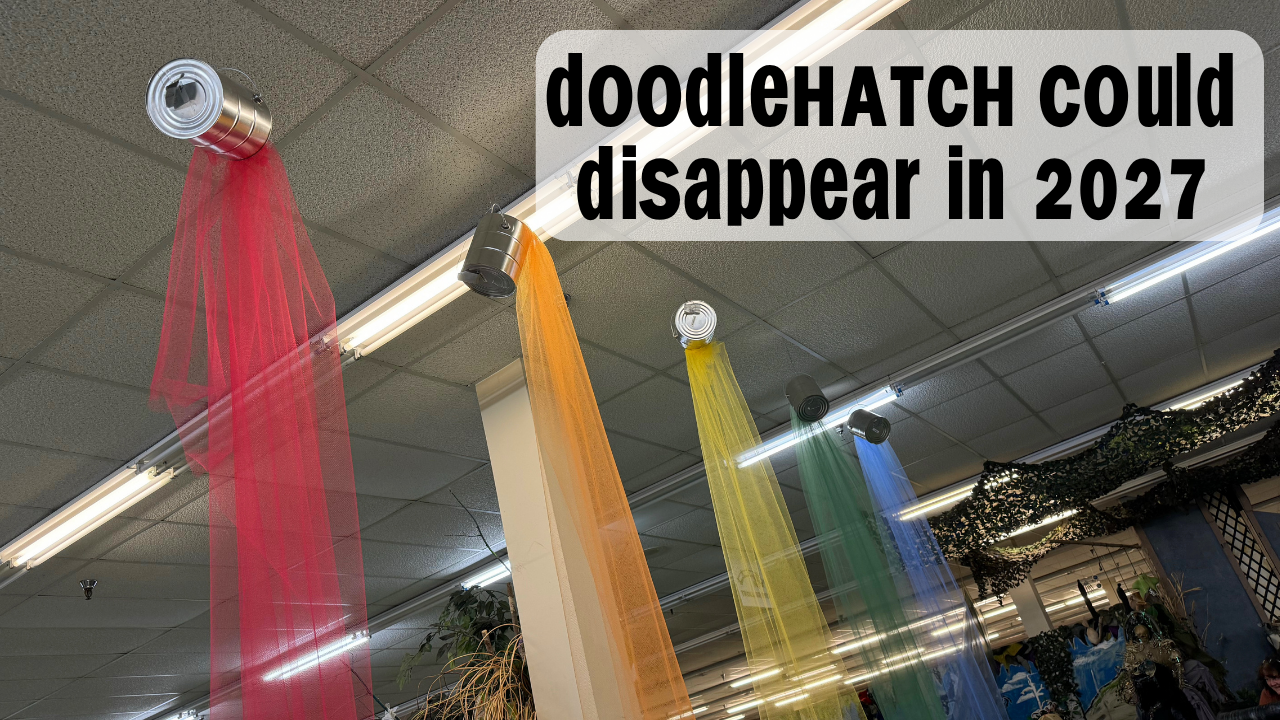
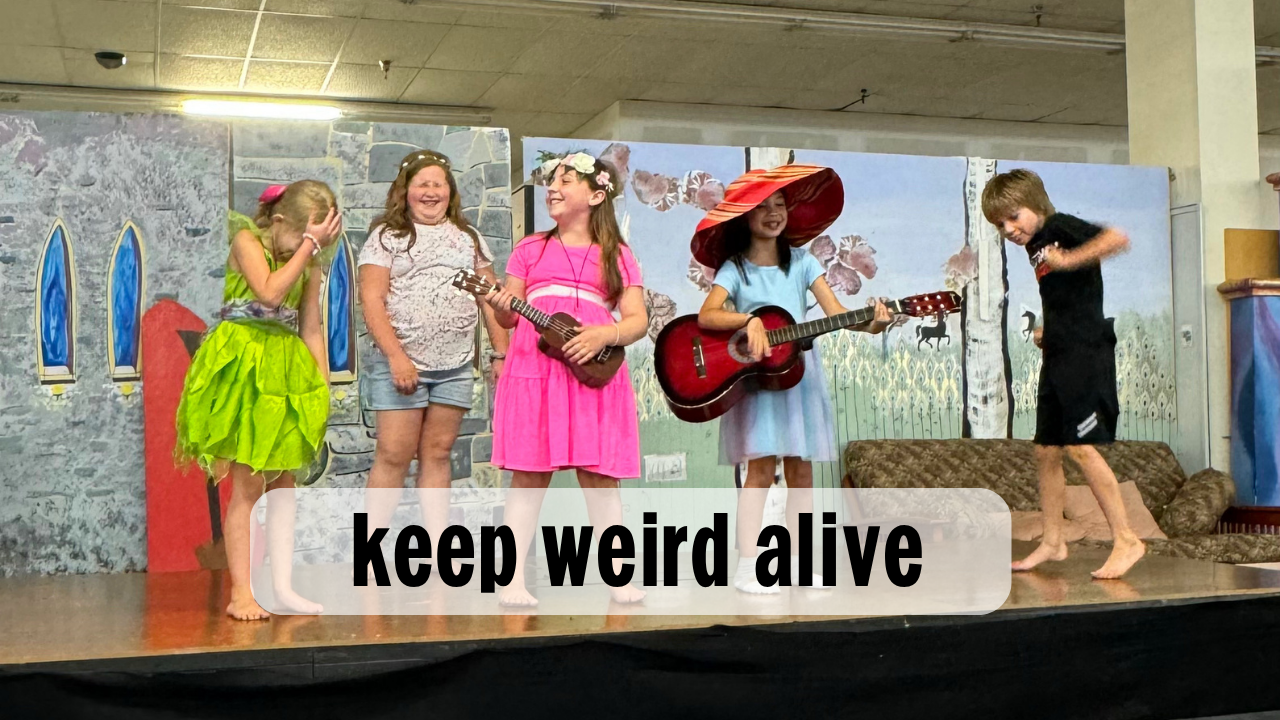
In Columbia, Maryland, there’s a former grocery store that has been transformed into a department store for mythical creatures, time travelers, and intergalactic tourists.

It’s called DoodleHATCH.

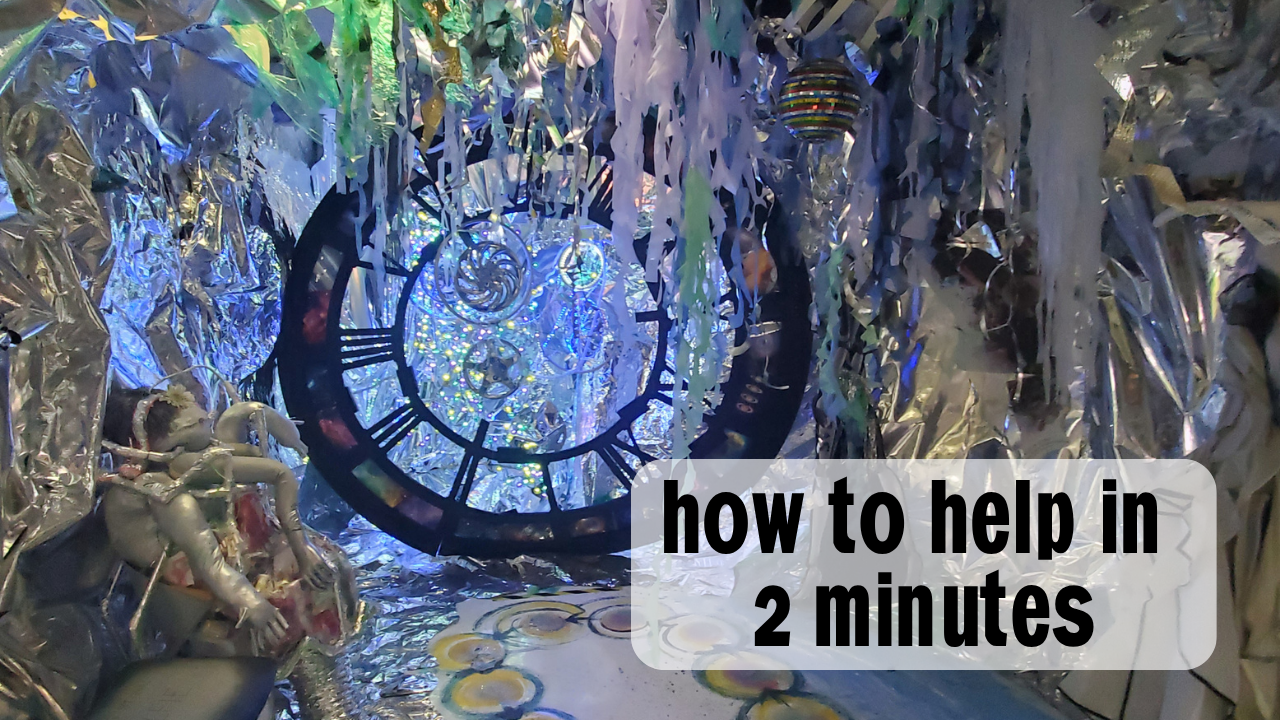
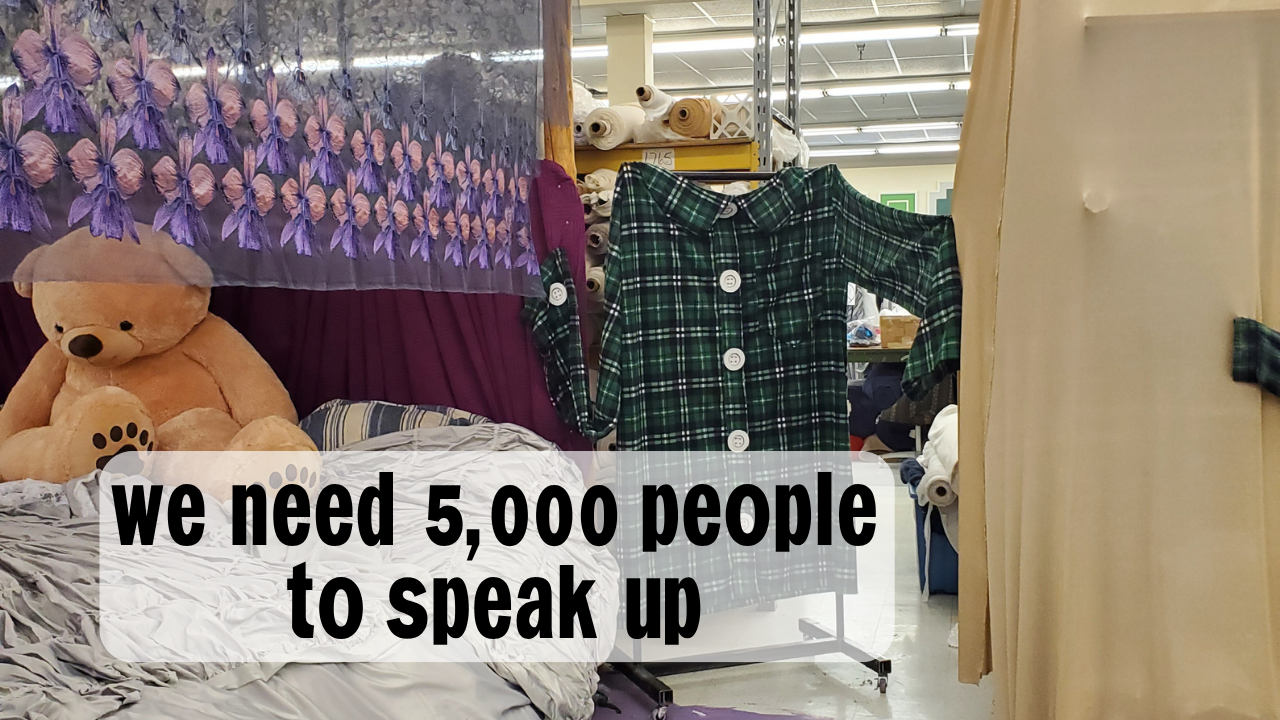
You can groom a unicorn, visit an intergalactic space station, climb onto a giant’s bed, meet guinea pigs, explore an artist’s studio, and discover approximately a million other things that somebody actually sat down and made.

It’s a nonprofit interactive art museum, a community project, an educational resource, and one of my favorite places I’ve ever discovered.

And it could be demolished as part of a proposed redevelopment of the Long Reach Village Center.

But there’s still an opportunity to help.

You don’t need to donate money. You don’t need to live in Maryland. And you don’t need to know anything about zoning laws.

You can start by writing an email.

🚨 Here's what's happening

Developer Columbia Concepts has proposed redeveloping the Long Reach Village Center in Columbia, Maryland.

The proposal would replace existing buildings with new housing, recreational facilities, and other development.

Unfortunately, that puts a whole collection of existing community resources at risk of being demolished, including:

  • DoodleHATCH Interactive Art Museum
  • Maryland Fashion Institute
  • A makerspace used for community education
  • Local restaurants, shops, and service businesses
  • Early childhood education and community programs
  • A 140-foot-long mural created by approximately 100 community members

This isn’t just about losing a fabulous museum. It’s about losing an entire collection of places that people have built, supported, and relied on.

And there’s another possibility!

🌈 Meet The REALM

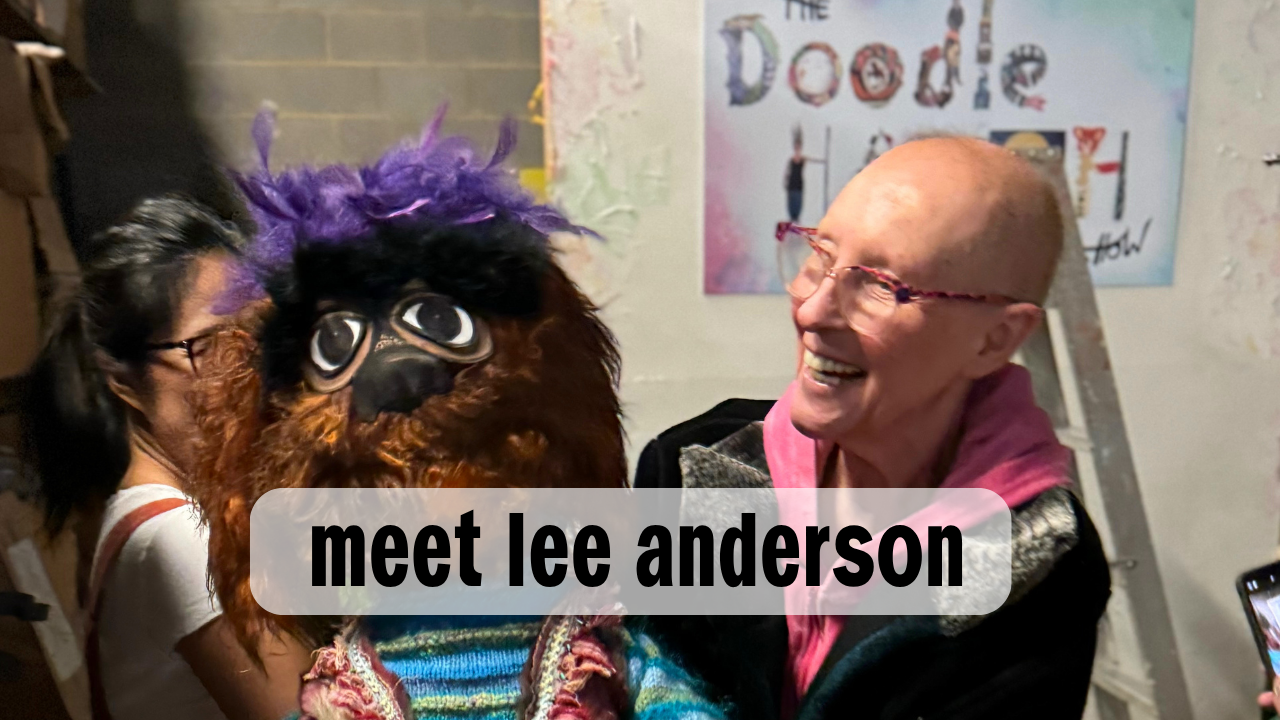
Lee Andersen, the founder of DoodleHATCH, and her nonprofit ManneqART want to preserve the existing community resources and transform the village center into an arts and culture destination called The REALM.

Imagine a place where artists have studios, children have room to explore, students can learn creative skills, people can attend performances, and local businesses continue serving their neighbors.

There are plans for a performing arts space, more opportunities for artists, and a Witches Kitchen that might serve you a horrible-disgusting breakfast.

Which, personally, I think sounds promising.

The people behind DoodleHATCH are gathering support to oppose the developer’s zoning proposal and advocate for The REALM.

And they’d love your help.

💌 How to help in about two minutes

If you live in Howard County, Maryland

If you’re 18 or older, DoodleHATCH is asking eligible county residents to visit the museum and sign their petition in person.

📍DoodleHATCH Interactive Art Museum

8775 Cloudleap Court, Unit 101
Columbia, MD 21045

⏱️ Museum hours: Friday–Sunday, 10 AM–5 PM.

And while you’re there, I highly recommend exploring the museum. Bring someone who needs a reminder that being an adult doesn’t mean you have to stop enjoying ridiculous things.

If you don't live in Howard County

You can still help!

DoodleHATCH is collecting emails from people who oppose the proposed Columbia Concepts redevelopment and support preserving the existing arts and community resources through The REALM.

Send your email to: Lilou@DoodleHATCH.com

Suggested subject: Support The REALM | Oppose Columbia Concepts Zoning Proposal ZB 1132M

You can write your own message or use one of the templates below.

You don’t need to write an essay. A short, genuine message explaining what you support and why is enough to participate in this email campaign.

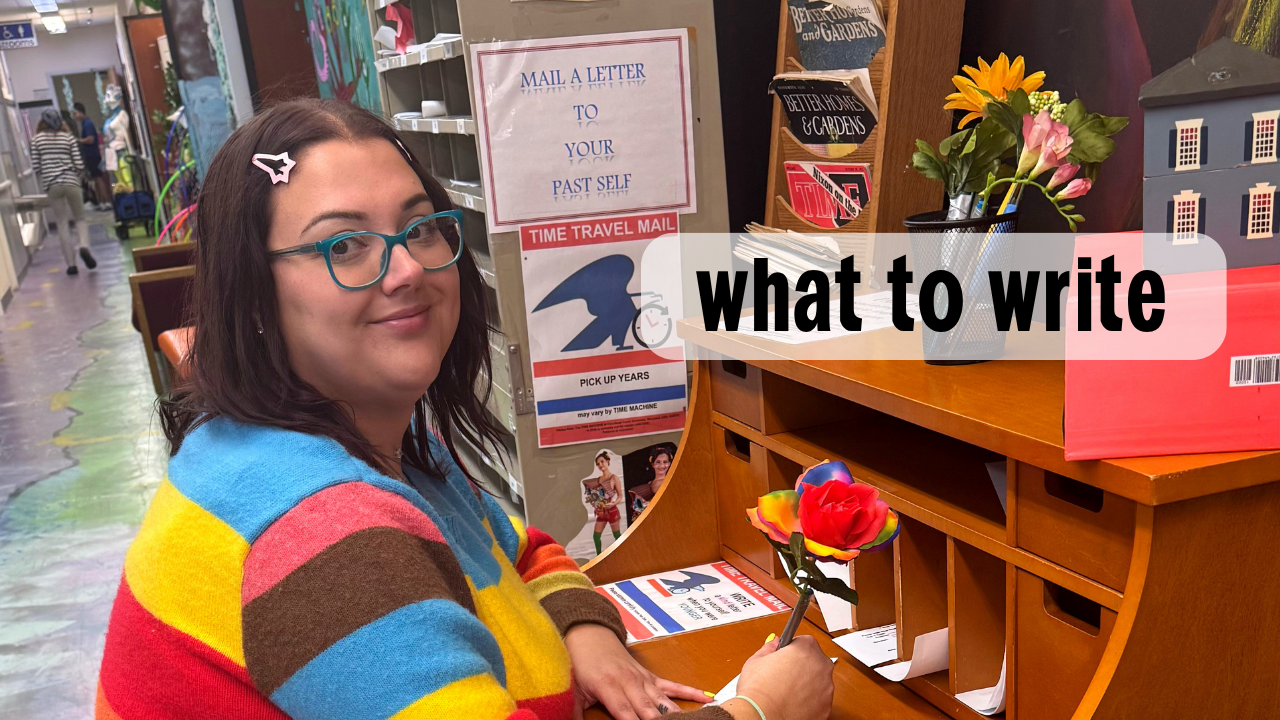
✍️ What should your email say?

To make your position clear, include these three things:

1. Say what you’re opposing.

State that you oppose the proposed Columbia Concepts redevelopment and zoning amendment for the Long Reach Village Center, case ZB 1132M.

2. Say what you’re supporting.

Express your support for preserving DoodleHATCH, the Maryland Fashion Institute, existing community resources, and the proposed arts and culture center called The REALM.

3. Explain why you care.

This is the part that makes your email yours.

Maybe you’ve visited DoodleHATCH. Maybe you’re a parent who wants more creative places for children. Maybe you’re an artist, an educator, or someone who thinks it’s important to protect the few spaces where people can explore and make things without needing to buy something.

Maybe you live across the country and just learned that there’s a department store for mythical creatures in Maryland, and you think the world would be a little less interesting without it.

That’s a perfectly good reason to care.

💌 Email templates you can copy

Option 1: Short, simple, and effective

Subject: Support The REALM | Oppose ZB 1132M

Hello,

I’m writing to express my opposition to the proposed Columbia Concepts zoning amendment and redevelopment of the Long Reach Village Center (ZB 1132M).

I support preserving DoodleHATCH, the Maryland Fashion Institute, and the existing community services and small businesses, as well as the proposal to create The REALM arts and culture center.

Creative and educational spaces like these provide valuable opportunities for families, artists, students, and the wider community. I believe they deserve to be protected.

Please include my email with the messages of support being collected for DoodleHATCH and The REALM.

Thank you,

[Your Name]
[Your City/State]

Option 2: For artists, creatives, and fellow merriment makers

Subject: Please Protect DoodleHATCH and Support The REALM

Hello,

I’m writing in opposition to Columbia Concepts’ proposed redevelopment and zoning amendment for the Long Reach Village Center (ZB 1132M), and in support of The REALM.

I believe communities need places where creativity, imagination, and play are actively encouraged.

DoodleHATCH is an extraordinary example of what can happen when artists and community members are given room to create something that doesn’t fit into an ordinary commercial space.

Places like this are rare. They encourage people of all ages to experiment, learn, explore, and connect with one another.

I support preserving DoodleHATCH, the Maryland Fashion Institute, the existing community resources, and the vision for The REALM.

Thank you for collecting these messages and advocating for the creative community.

[Your Name]
[Your City/State]

Option 3: For people who've visited DoodleHATCH

Subject: Please Save DoodleHATCH | Oppose ZB 1132M

Hello,

I’m writing to express my opposition to the proposed Columbia Concepts redevelopment and zoning amendment for the Long Reach Village Center (ZB 1132M), and my support for The REALM.

I’ve personally visited DoodleHATCH, and I want to share why I believe it’s worth preserving.

[Write two or three sentences about your experience. What did you see? Who did you bring? What surprised you? What made you want to return?]

DoodleHATCH is more than a collection of exhibits. It’s a place where creativity is something people can actively participate in, and I believe losing it would be a tremendous loss to the community.

I support preserving the museum, the Maryland Fashion Institute, and the other existing community resources through the proposed arts and culture center, The REALM.

Please include my email with the messages of support you’re collecting.

Thank you,

[Your Name]
[Your City/State]

A few tips before you hit send

DO:

  • Use your real name.

  • Include your city and state so organizers can understand where support is coming from.

  • Clearly identify the redevelopment proposal you’re opposing.

  • Specifically mention your support for The REALM.

  • Add a personal sentence or two if you can.

  • Be respectful, even if you’re frustrated.

  • Share this page with other people who might want to help.

DON’T:

  • Pretend to be a Howard County resident if you’re not.

  • Claim to have visited DoodleHATCH if you haven’t.

  • Make up experiences or information.

  • Send threatening, insulting, or harassing messages.

  • Assume your email is the same thing as signing the official petition.

  • Worry about making your message sound impressive. Clear and genuine is better than elaborate.

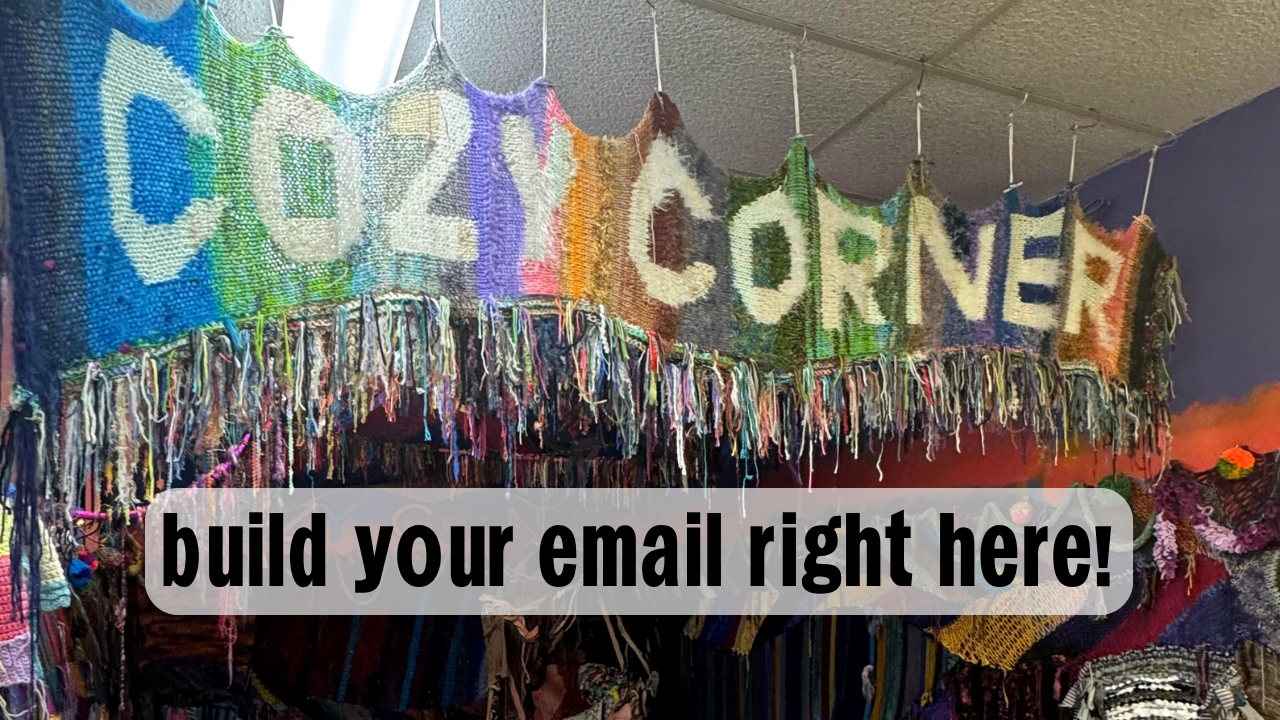
💌 The Save DoodleHATCH Email Machine

A few clicks, a little personality, and an email that helps support DoodleHATCH and The REALM. No account or signup required.

What's your connection to DoodleHATCH?
Why does protecting places like this matter to you?
✨ Your email preview
To: Lilou@DoodleHATCH.com
Subject:

Your information stays in your browser until you choose to copy or open the message. The email does not send automatically. Emails support DoodleHATCH's advocacy campaign; they are not the same as official petition signatures or zoning testimony. Please review the message before sending.

🐹 Wait. What exactly is DoodleHATCH?

I’m so glad you asked.

DoodleHATCH is an interactive art museum in Columbia, Maryland, created by artist, designer, and professional generator of wildly ambitious ideas, Lee Andersen.

The museum is designed as a pretend department store for mythological creatures, time travelers, and galactic tourists.

There are dozens of installations, and unlike most museums, you’re encouraged to touch things, explore, and participate.

There’s also an artist’s studio full of fabric and handmade garments, workshops, special events, birthday parties, free books, and opportunities for local artists to share their work.

The museum welcomes families and children, but adults are absolutely allowed to enjoy themselves, too.

And the woman behind it has spent decades bringing creativity into the community through fashion, festivals, education, and public art.

I discovered DoodleHATCH in 2020 and loved it so much that I started volunteering.

I’ve been back multiple times, and there are still things I haven’t seen.

That’s part of what makes it special. You can keep discovering things because people keep creating them.

You don't have to live near DoodleHATCH to care about it.

There are Merriment Makers everywhere.

People turning empty buildings into art spaces. People organizing parades. People teaching kids how to sew, paint, dance, or build things. People putting enormous amounts of time into projects that make their communities more interesting.

Sometimes they’re running nonprofits. Sometimes they’re working out of their garages. Sometimes they’re making something weird in a strip mall that you might drive past a hundred times without realizing what’s inside.

I hope you’ll help protect DoodleHATCH.

And I hope you’ll look around your own community, too. Visit the strange little museum. Go to the local art show. Find the person who makes giant puppets or organizes an absurd annual festival. Spend your money at the independent shop with the handmade things.

There are people everywhere creating reasons for us to be curious about being alive.

I’d like them to be able to keep doing that.

Help save DoodleHATCH. Help protect The REALM. Help keep the world interesting.

💌 Email: Lilou@DoodleHATCH.com

🌈 Visit: DoodleHATCH.com

🦄 Share: Uncustomary.org/Doodle