
A healthy-looking lawn can conceal irrigation problems. In Palm Harbor, warm weather, frequent rain, and sandy soils can make inconsistent watering especially noticeable. A few missed patches or wet corners may be early signs of a faulty sprinkler, not simply thirsty grass. Knowing what to check can prevent waste and damage.
Follow the Pattern of Dry and Wet Grass
Before changing the watering schedule, look closely at where the lawn is struggling. A dry strip beside a walkway can mean a sprinkler head is tilted or blocked. A patch that stays bright green while everything else fades might be receiving too much water. Neither means the whole system needs replacing.
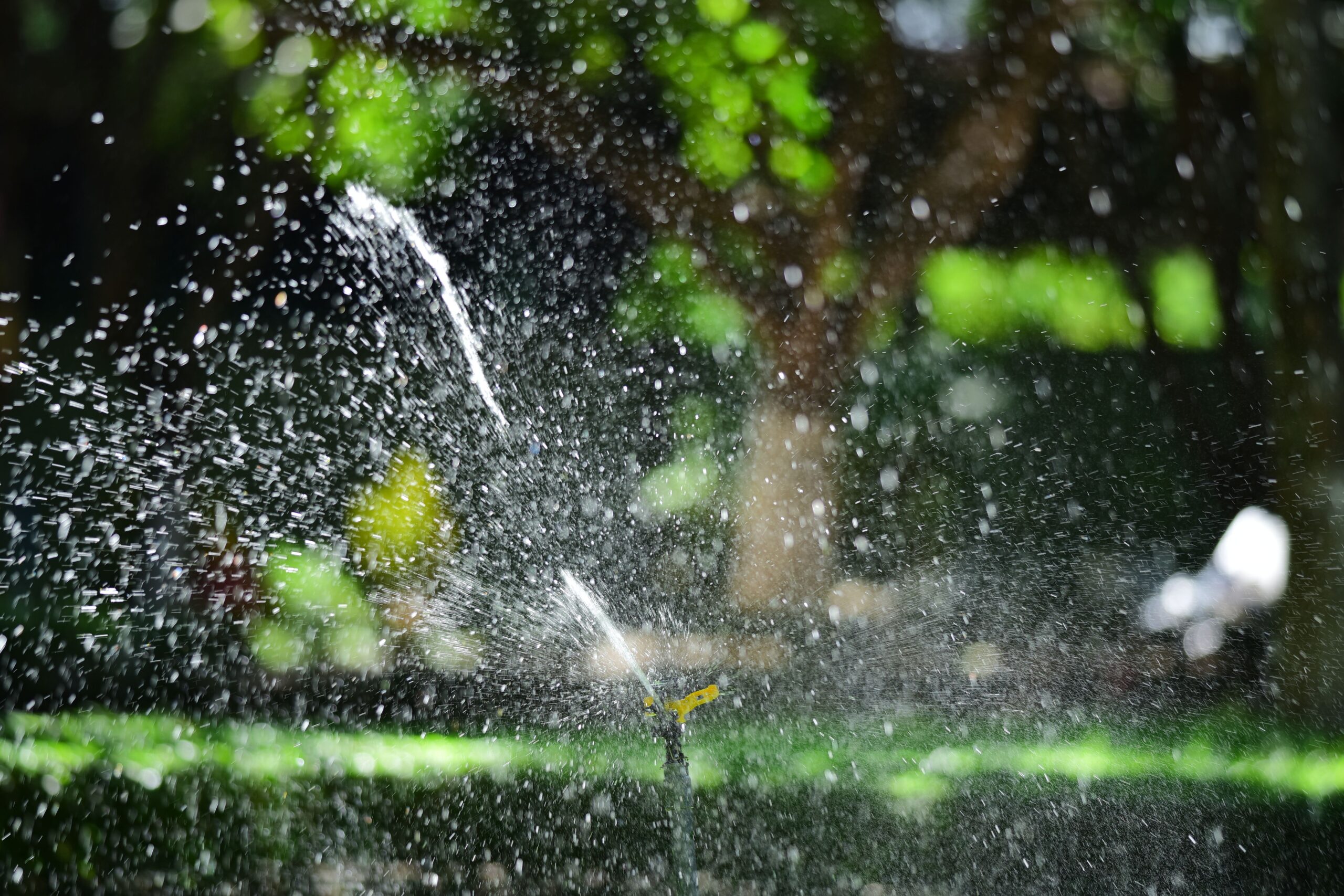
Run one irrigation zone and watch the spray. Look for heads that stay buried, shoot water sideways, or leave gaps between their coverage areas. Growing shrubs and shifted lawn edging can interrupt patterns that worked last year.
A company specializing in sprinkler repair in Palm Harbor can professionally inspect clogged nozzles, leaking pipes, loose fittings, and damaged heads before recommending repairs. Diagnosis helps distinguish isolated faults from wider coverage problems.
Notice Puddles That Outlast the Watering Cycle
A little surface moisture after irrigation is expected. Persistent puddles are different when the rest of the yard has dried. They may point to an underground pipe leak, a valve that fails to close, or a sprinkler sending too much water toward one area.
Pay attention to timing. Does the wet patch appear only when one zone runs? Does it stay soggy when the controller has been off all day? Rainfall and drainage problems can look similar.
If water continues flowing unexpectedly, shut off the irrigation supply when safe and seek help. Repeatedly running a suspected leak to prove it exists can make the damage worse.
Read Your Water Bill Alongside the Yard
A higher utility bill does not automatically prove there is a leak. Hotter weather, additional watering days, or changes inside the house can increase consumption. Still, a sudden jump without an obvious reason deserves closer investigation.
Compare usage over similar periods and check whether the controller has been adjusted recently. Some leaks remain hidden below ground, while an incorrectly programmed zone may run when nobody is watching. Both increase costs quietly.
Routine home maintenance checks can include looking for damaged sprinkler heads, unexpected moisture, and other signs of wasted water. Records help reveal patterns.
Watch the Spray Instead of Trusting the Timer
A controller displaying the correct time cannot tell you whether every sprinkler is performing properly. One head may spray a fine mist that blows away before reaching the plants. Another might barely rise, sending a short stream into the ground immediately beside it.
Walk the property while each zone runs and compare heads serving similar areas. Note odd noises, unusually weak pressure, spray striking walls or pavement, and heads stuck above the grass after shutoff.
You needn’t dismantle anything. In fact, disturbing buried components without knowing the layout can create new leaks. Write down the affected zone and its symptoms, then use that information when discussing repairs.
Check Whether the Schedule Still Fits
Sometimes the equipment is fine, but the watering program is wrong. A power interruption can reset settings, while seasonal changes may make an old schedule excessive. A failed rain sensor can also allow irrigation to continue when the soil is already wet.
Look at start times, run durations, and how often each zone operates. Sunny turf, shaded beds, and established shrubs may have different needs. Adjusting everything by the same amount rarely makes sense.
Thoughtful watering practices account for rainfall, plant needs, and evaporation rather than following a rigid routine year-round. Make one adjustment at a time and watch how the landscape responds before changing the program again.
Understand Why Small Parts Fail
Sprinkler equipment takes a surprising amount of abuse. Mowers knock heads out of alignment. Soil settles around fittings. Roots grow near buried pipes, and debris finds its way into nozzles. A minor fault can interrupt coverage even when the rest of the system is sound.
Check whether a damaged head sits beside a frequently used path or where lawn equipment passes. If the same part breaks repeatedly, the position or installation may need attention rather than another identical replacement.
Visible damage can be straightforward to describe, but underground faults deserve professional assessment. Leaks, wiring issues, and pressure changes sometimes produce similar symptoms; replacing parts blindly wastes effort.
Decide Whether Repair or Redesign Makes Sense
One clogged nozzle or broken head usually calls for a targeted solution, not a new irrigation system. When several zones leak repeatedly or landscaping changes have left major areas uncovered, a broader review may be worthwhile.
Ask what actually failed, whether the surrounding components remain serviceable, and how the proposed repair will be tested afterward. A useful estimate separates essential work from optional changes. If the system’s original layout no longer matches the yard, repositioning heads may be more effective than continually increasing watering time.
Don’t judge value by the number of new parts. The best outcome is reliable coverage with minimal waste and a clear explanation of the problem.
Make Quick Checks Part of Yard Care
Sprinkler maintenance doesn’t need to consume every weekend. Every few weeks, observe a complete watering cycle, check for unusual dampness, and make sure plants aren’t blocking spray. After landscaping work or a strong storm, take another look. Those are good moments to catch disturbed heads or damaged lines.
Keep dates and photographs of recurring problems. If a zone has needed attention several times, that history can help a technician find the underlying cause rather than repeating the same fix.
A healthy lawn isn’t proof of a perfect system, but consistent coverage and sensible water use are encouraging signs. Notice changes early, investigate them carefully, and let small repairs stay small. Small observations today can prevent frustration during the next dry spell.