
The Rise of Online Therapy Platforms and What That Means for You

by | Oct 22, 2026 | How To | 0 comments

Forty five minutes. That is the round trip drive I used to clock every Tuesday for a fifty minute counseling session, plus the twelve minutes I spent in a waiting room pretending to read a golf magazine. When my therapist moved to video calls, I got all of that back.

That trade is why online therapy platforms blew up the way they did. The convenience stopped being a novelty and started being the reason people actually stayed in treatment instead of quietly quitting after three sessions. Cura Behavioral Health mental health treatment sits in the middle of that shift, blending in person and virtual care rather than treating the screen as an afterthought.

Here is what’s actually changed, and what it means if you’re the one staring at a booking page right now.

Why the couch stopped mattering so much

The old model assumed therapy required a specific room. A particular chair. A commute to an office park with a parking validation machine. That assumption held for decades mainly because nobody had a better option.

Then video calls got good enough to keep a straight face through a hard conversation. Now you can do a session from your car during lunch, from a hotel in another time zone, or from your kitchen table at 7 p.m. after the kids are down. According to the U.S. Department of Labor, remote work arrangements expanded dramatically across American workplaces, and that reshaping of the workday quietly rewrote the therapy schedule too. If your job no longer pins you to a desk, your treatment shouldn’t stay pinned to a zip code.

The uncomfortable part nobody markets

Cheaper and easier sounds like a straight win. It isn’t always.

Some platforms price by subscription and push you toward a rotating roster of providers, which means you might start over with a new clinician every few months. That’s brutal if you’re working through something layered. Building trust takes time, and a fresh face every quarter resets the clock.

Then there’s the privacy question. Your living room isn’t soundproofed, and your roommate has excellent hearing. I’ve known people who booked sessions from a parked car in a grocery store lot because it was the only genuinely private spot available. It works. It’s also not ideal, and it’s worth thinking about before your first appointment rather than five minutes into it.

And not everyone fits the format. If what you need is a psychiatrist adjusting medication, a video call may not cut it depending on your state’s rules and the prescriber’s license. The Centers for Disease Control and Prevention has documented the broad rise in remote care delivery across the country, and with any expansion that fast, the fine print matters more than the headline.

What a hybrid setup actually looks like in practice

I’ll pick a hybrid every time over fully remote or fully in person. Here’s my reasoning, and you can take it or leave it.

Video works brilliantly for talk therapy, check ins, and maintenance sessions once you’ve established rapport. In person wins for the first few meetings, for anything requiring hands on treatment, and for the sessions where you need to be fully present rather than half watching your own face in a thumbnail.

A clinic that runs both gives you the option to slide between formats as your life changes. Flare up during a packed work week? Move it to video. Need to dig into something heavy? Drive in. Flexibility isn’t a luxury feature here. It’s the thing that keeps people showing up.

A quick gut check before you book

Run through these before you hand over a credit card.

  • Does the platform let you request the same provider every time, or is it a random assignment?
  • Is the clinician licensed in your state? This trips up a surprising number of people.
  • What happens to your rate if you need to cancel inside 24 hours?
  • Can you get a superbill for out of network reimbursement if they don’t take your insurance?
  • Where will you physically sit for sessions, and is it actually private?

That last one sounds silly until you’re whispering into a laptop in a shared apartment.

Insurance is its own maze. Many platforms accept major plans, some don’t take insurance at all, and a few operate on a cash only model with monthly memberships. The National Institute of Mental Health maintains public information on treatment options and how to think about seeking care, which is a decent place to start if you’re unsure what level of support you actually need.

What this shift means for you, specifically

If you’ve put off therapy for years because of scheduling, geography, or the sheer friction of finding someone, that excuse has mostly evaporated. The barrier is lower than it’s ever been.

But lower barriers cut both ways. It’s easier to start, and it’s easier to drift. I’ve watched people bounce between four platforms in six months and end up with nothing but a scattered paper trail and no real progress. The technology removed the logistics problem. It didn’t remove the part where you have to keep showing up.

One more thing worth saying plainly: online platforms haven’t made in person care obsolete, and anyone telling you otherwise is selling something. What they’ve done is widen the door. More people can walk through it now, at hours that fit an actual life, with fewer reasons to postpone.

Where to go from here

Start with your calendar, not your diagnosis. Find two recurring windows in a normal week where you genuinely have an hour free and a private place to talk. If those windows exist, online care is probably a fit. If they don’t, in person sessions with a hard scheduled time might serve you better, because the commute itself becomes a boundary you protect.

Whichever you choose, pick one provider and give it a real stretch before deciding it isn’t working. Six sessions is a fair trial. Two is not.

So here’s the question worth sitting with this week: if the drive time and the waiting room and the scheduling gymnastics were no longer an obstacle, what would your reason be for waiting another year?
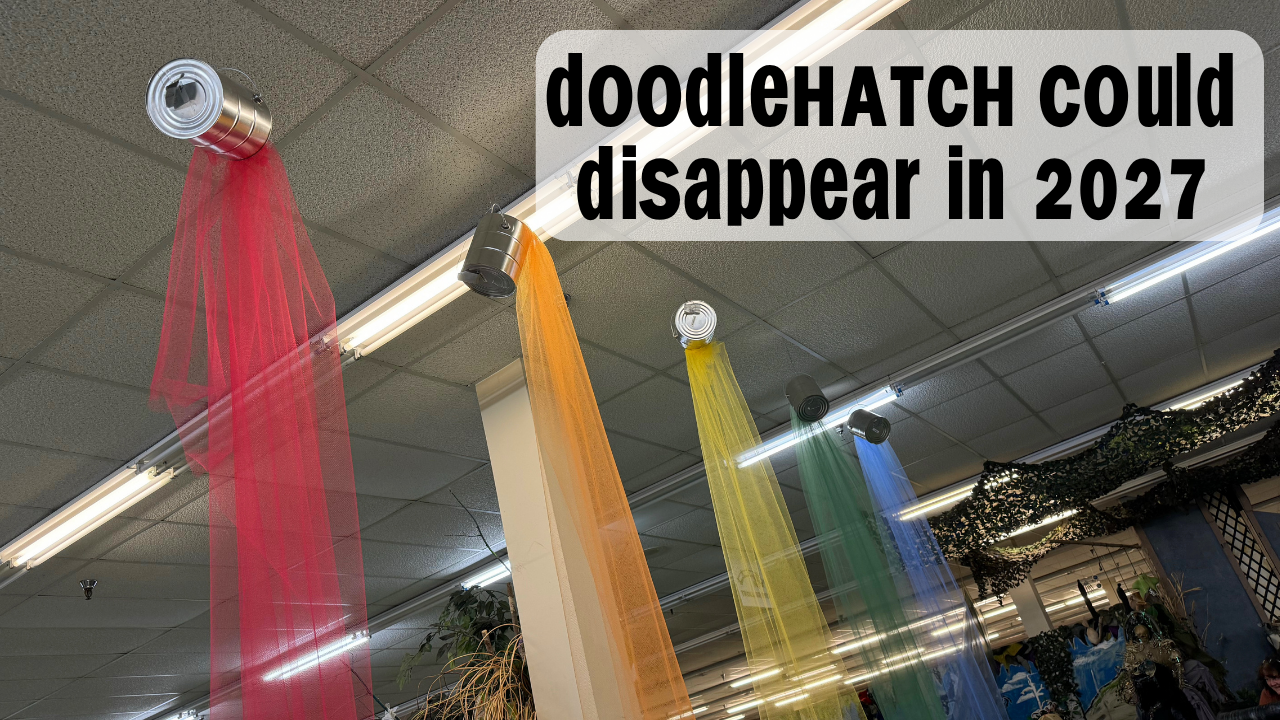
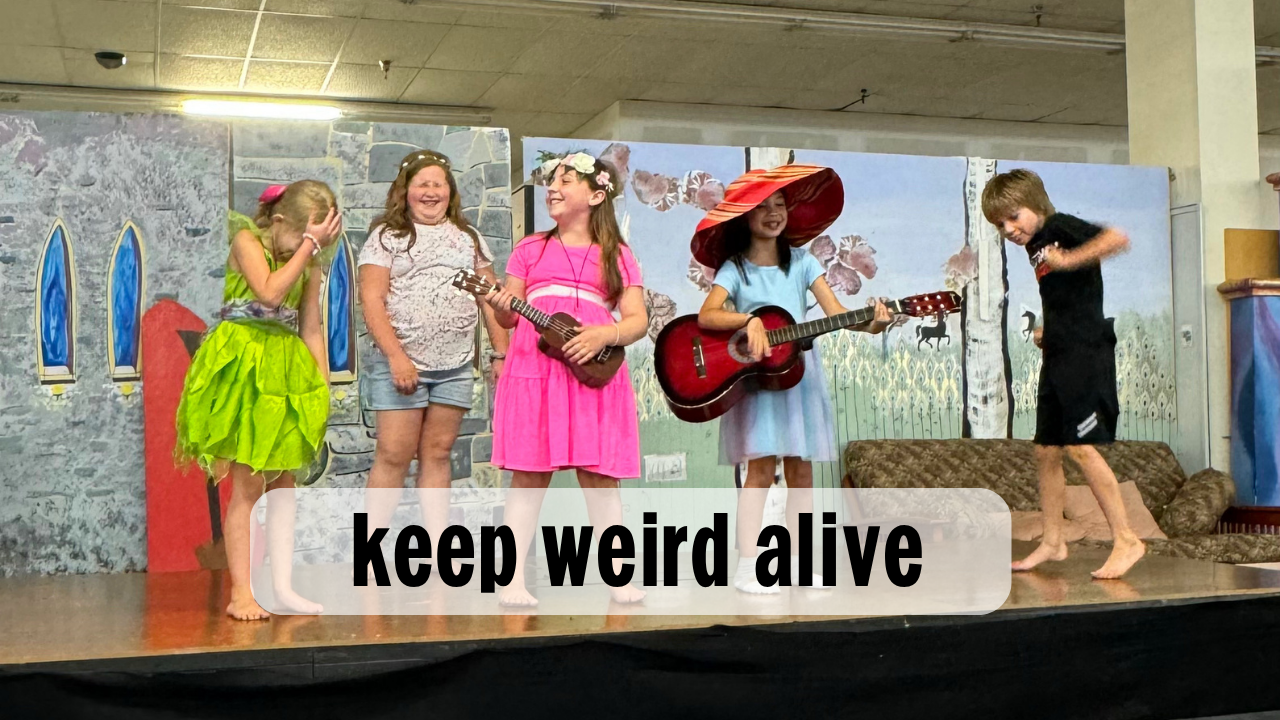
In Columbia, Maryland, there’s a former grocery store that has been transformed into a department store for mythical creatures, time travelers, and intergalactic tourists.

It’s called DoodleHATCH.

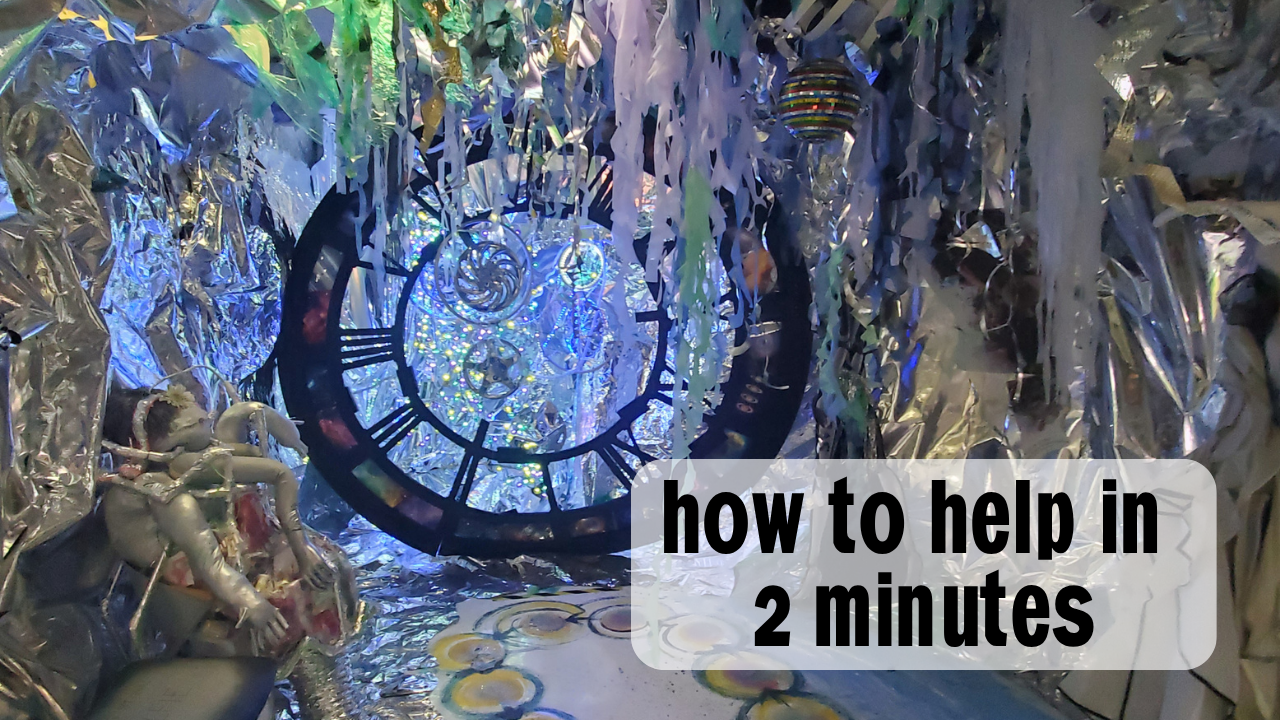
You can groom a unicorn, visit an intergalactic space station, climb onto a giant’s bed, meet guinea pigs, explore an artist’s studio, and discover approximately a million other things that somebody actually sat down and made.

It’s a nonprofit interactive art museum, a community project, an educational resource, and one of my favorite places I’ve ever discovered.

And it could be demolished as part of a proposed redevelopment of the Long Reach Village Center.

But there’s still an opportunity to help.

You don’t need to donate money. You don’t need to live in Maryland. And you don’t need to know anything about zoning laws.

You can start by writing an email.

🚨 Here's what's happening

Developer Columbia Concepts has proposed redeveloping the Long Reach Village Center in Columbia, Maryland.

The proposal would replace existing buildings with new housing, recreational facilities, and other development.

Unfortunately, that puts a whole collection of existing community resources at risk of being demolished, including:

  • DoodleHATCH Interactive Art Museum
  • Maryland Fashion Institute
  • A makerspace used for community education
  • Local restaurants, shops, and service businesses
  • Early childhood education and community programs
  • A 140-foot-long mural created by approximately 100 community members

This isn’t just about losing a fabulous museum. It’s about losing an entire collection of places that people have built, supported, and relied on.

And there’s another possibility!

🌈 Meet The REALM

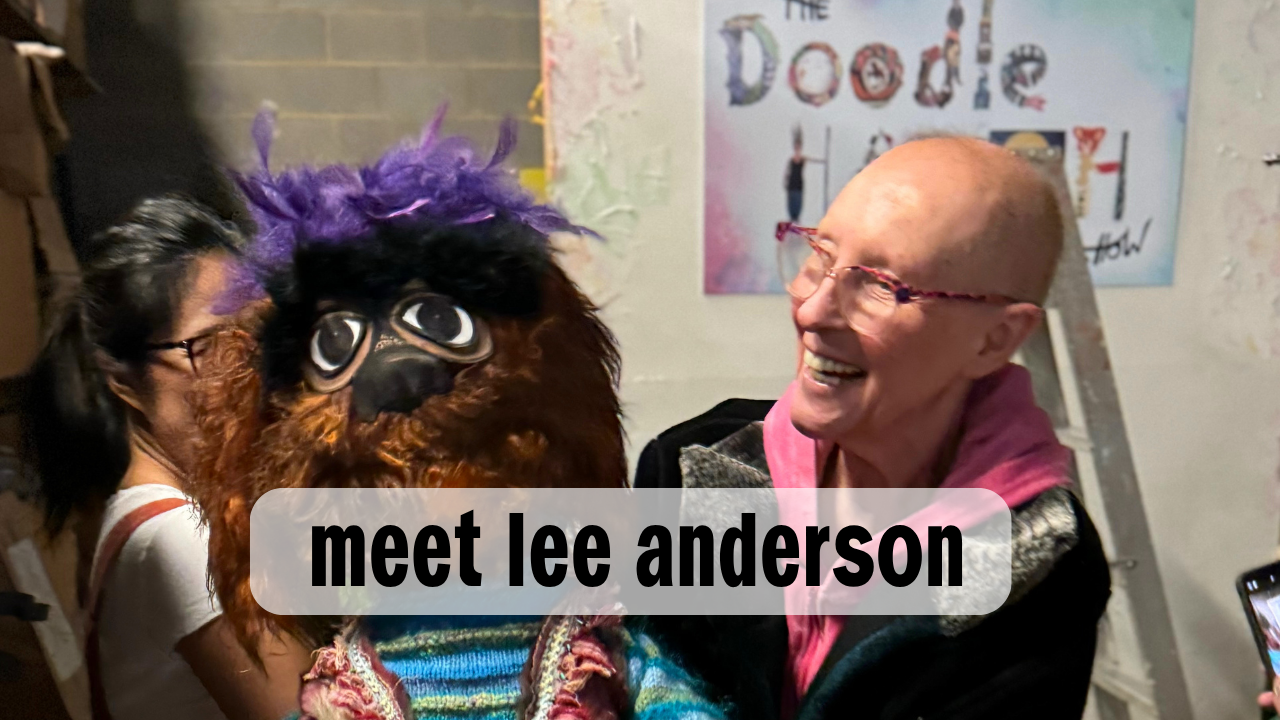
Lee Andersen, the founder of DoodleHATCH, and her nonprofit ManneqART want to preserve the existing community resources and transform the village center into an arts and culture destination called The REALM.

Imagine a place where artists have studios, children have room to explore, students can learn creative skills, people can attend performances, and local businesses continue serving their neighbors.

There are plans for a performing arts space, more opportunities for artists, and a Witches Kitchen that might serve you a horrible-disgusting breakfast.

Which, personally, I think sounds promising.

The people behind DoodleHATCH are gathering support to oppose the developer’s zoning proposal and advocate for The REALM.

And they’d love your help.

💌 How to help in about two minutes

If you live in Howard County, Maryland

If you’re 18 or older, DoodleHATCH is asking eligible county residents to visit the museum and sign their petition in person.

📍DoodleHATCH Interactive Art Museum

8775 Cloudleap Court, Unit 101
Columbia, MD 21045

⏱️ Museum hours: Friday–Sunday, 10 AM–5 PM.

And while you’re there, I highly recommend exploring the museum. Bring someone who needs a reminder that being an adult doesn’t mean you have to stop enjoying ridiculous things.

If you don't live in Howard County

You can still help!

DoodleHATCH is collecting emails from people who oppose the proposed Columbia Concepts redevelopment and support preserving the existing arts and community resources through The REALM.

Send your email to: Lilou@DoodleHATCH.com

Suggested subject: Support The REALM | Oppose Columbia Concepts Zoning Proposal ZB 1132M

You can write your own message or use one of the templates below.

You don’t need to write an essay. A short, genuine message explaining what you support and why is enough to participate in this email campaign.

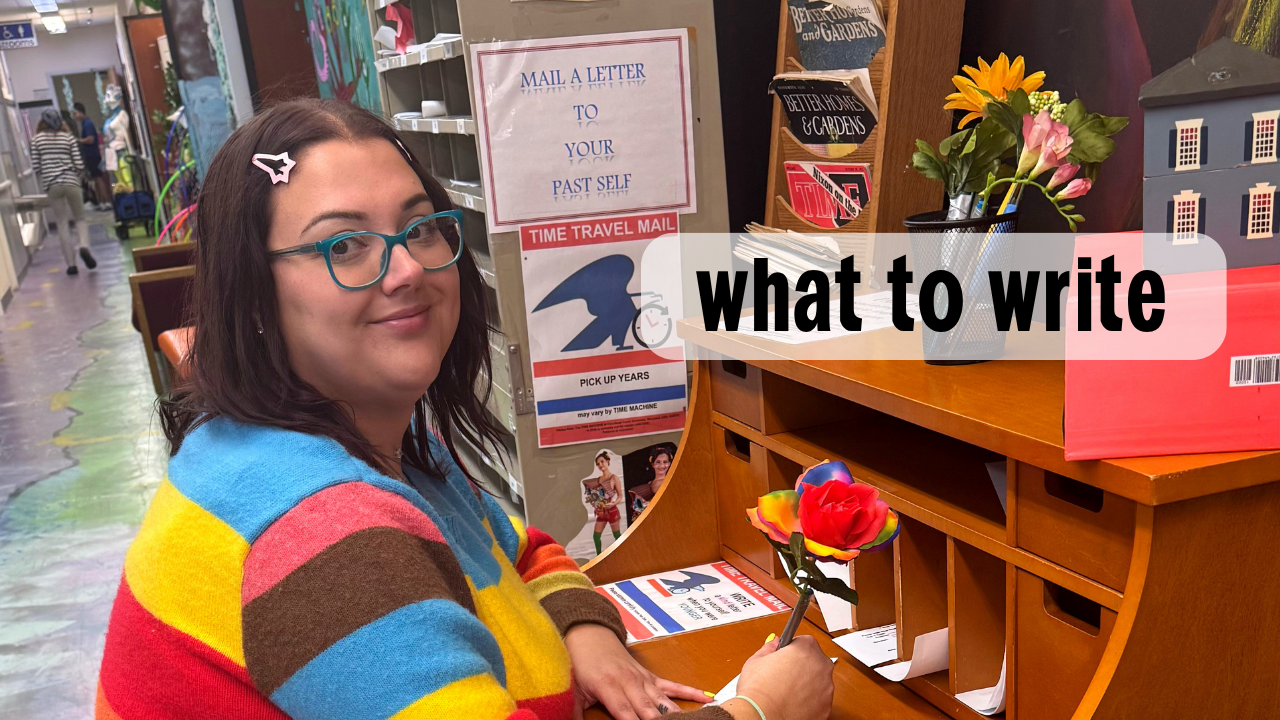
✍️ What should your email say?

To make your position clear, include these three things:

1. Say what you’re opposing.

State that you oppose the proposed Columbia Concepts redevelopment and zoning amendment for the Long Reach Village Center, case ZB 1132M.

2. Say what you’re supporting.

Express your support for preserving DoodleHATCH, the Maryland Fashion Institute, existing community resources, and the proposed arts and culture center called The REALM.

3. Explain why you care.

This is the part that makes your email yours.

Maybe you’ve visited DoodleHATCH. Maybe you’re a parent who wants more creative places for children. Maybe you’re an artist, an educator, or someone who thinks it’s important to protect the few spaces where people can explore and make things without needing to buy something.

Maybe you live across the country and just learned that there’s a department store for mythical creatures in Maryland, and you think the world would be a little less interesting without it.

That’s a perfectly good reason to care.

💌 Email templates you can copy

Option 1: Short, simple, and effective

Subject: Support The REALM | Oppose ZB 1132M

Hello,

I’m writing to express my opposition to the proposed Columbia Concepts zoning amendment and redevelopment of the Long Reach Village Center (ZB 1132M).

I support preserving DoodleHATCH, the Maryland Fashion Institute, and the existing community services and small businesses, as well as the proposal to create The REALM arts and culture center.

Creative and educational spaces like these provide valuable opportunities for families, artists, students, and the wider community. I believe they deserve to be protected.

Please include my email with the messages of support being collected for DoodleHATCH and The REALM.

Thank you,

[Your Name]
[Your City/State]

Option 2: For artists, creatives, and fellow merriment makers

Subject: Please Protect DoodleHATCH and Support The REALM

Hello,

I’m writing in opposition to Columbia Concepts’ proposed redevelopment and zoning amendment for the Long Reach Village Center (ZB 1132M), and in support of The REALM.

I believe communities need places where creativity, imagination, and play are actively encouraged.

DoodleHATCH is an extraordinary example of what can happen when artists and community members are given room to create something that doesn’t fit into an ordinary commercial space.

Places like this are rare. They encourage people of all ages to experiment, learn, explore, and connect with one another.

I support preserving DoodleHATCH, the Maryland Fashion Institute, the existing community resources, and the vision for The REALM.

Thank you for collecting these messages and advocating for the creative community.

[Your Name]
[Your City/State]

Option 3: For people who've visited DoodleHATCH

Subject: Please Save DoodleHATCH | Oppose ZB 1132M

Hello,

I’m writing to express my opposition to the proposed Columbia Concepts redevelopment and zoning amendment for the Long Reach Village Center (ZB 1132M), and my support for The REALM.

I’ve personally visited DoodleHATCH, and I want to share why I believe it’s worth preserving.

[Write two or three sentences about your experience. What did you see? Who did you bring? What surprised you? What made you want to return?]

DoodleHATCH is more than a collection of exhibits. It’s a place where creativity is something people can actively participate in, and I believe losing it would be a tremendous loss to the community.

I support preserving the museum, the Maryland Fashion Institute, and the other existing community resources through the proposed arts and culture center, The REALM.

Please include my email with the messages of support you’re collecting.

Thank you,

[Your Name]
[Your City/State]

A few tips before you hit send

DO:

  • Use your real name.

  • Include your city and state so organizers can understand where support is coming from.

  • Clearly identify the redevelopment proposal you’re opposing.

  • Specifically mention your support for The REALM.

  • Add a personal sentence or two if you can.

  • Be respectful, even if you’re frustrated.

  • Share this page with other people who might want to help.

DON’T:

  • Pretend to be a Howard County resident if you’re not.

  • Claim to have visited DoodleHATCH if you haven’t.

  • Make up experiences or information.

  • Send threatening, insulting, or harassing messages.

  • Assume your email is the same thing as signing the official petition.

  • Worry about making your message sound impressive. Clear and genuine is better than elaborate.

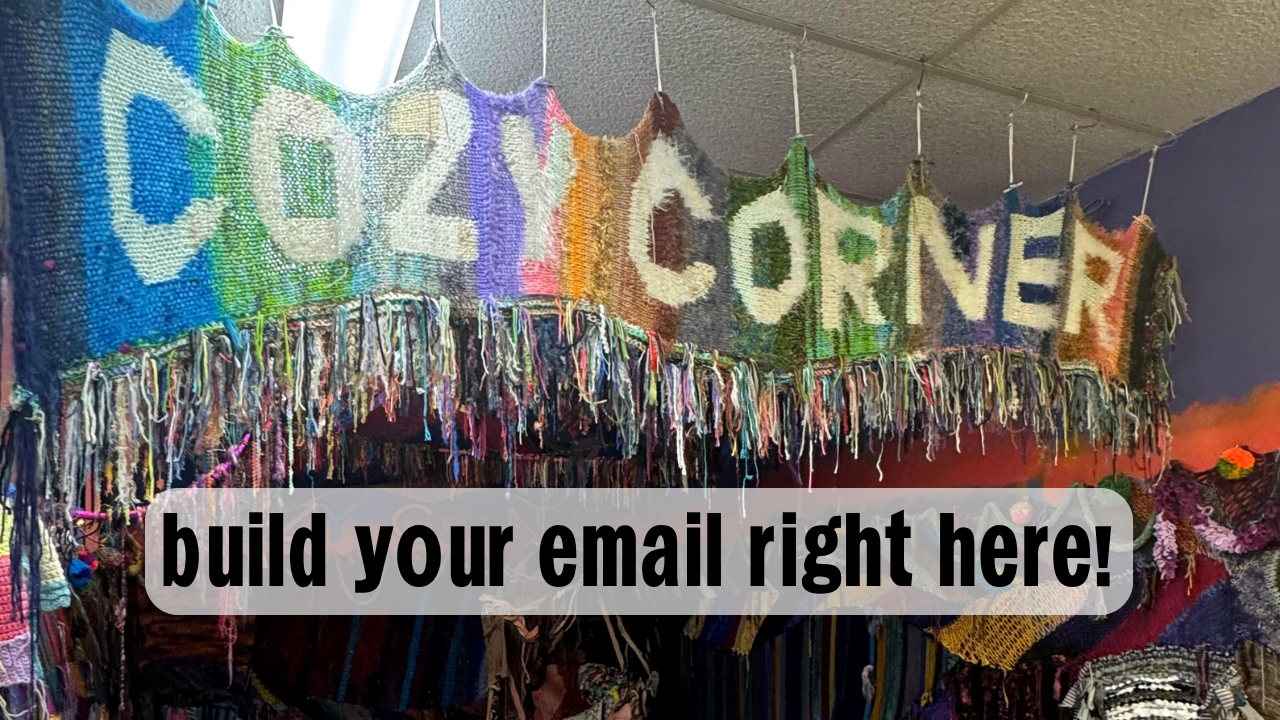
💌 The Save DoodleHATCH Email Machine

A few clicks, a little personality, and an email that helps support DoodleHATCH and The REALM. No account or signup required.

What's your connection to DoodleHATCH?
Why does protecting places like this matter to you?
✨ Your email preview
To: Lilou@DoodleHATCH.com
Subject:

Your information stays in your browser until you choose to copy or open the message. The email does not send automatically. Emails support DoodleHATCH's advocacy campaign; they are not the same as official petition signatures or zoning testimony. Please review the message before sending.

🐹 Wait. What exactly is DoodleHATCH?

I’m so glad you asked.

DoodleHATCH is an interactive art museum in Columbia, Maryland, created by artist, designer, and professional generator of wildly ambitious ideas, Lee Andersen.

The museum is designed as a pretend department store for mythological creatures, time travelers, and galactic tourists.

There are dozens of installations, and unlike most museums, you’re encouraged to touch things, explore, and participate.

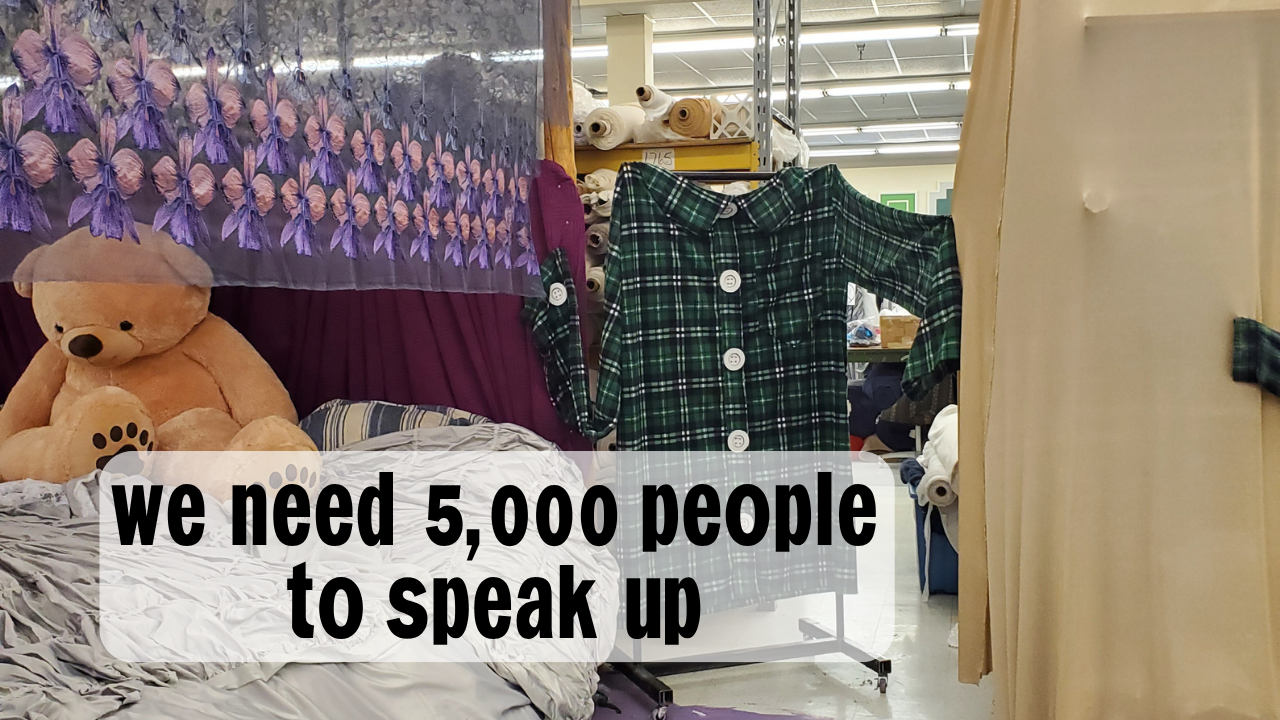
There’s also an artist’s studio full of fabric and handmade garments, workshops, special events, birthday parties, free books, and opportunities for local artists to share their work.

The museum welcomes families and children, but adults are absolutely allowed to enjoy themselves, too.

And the woman behind it has spent decades bringing creativity into the community through fashion, festivals, education, and public art.

I discovered DoodleHATCH in 2020 and loved it so much that I started volunteering.

I’ve been back multiple times, and there are still things I haven’t seen.

That’s part of what makes it special. You can keep discovering things because people keep creating them.

You don't have to live near DoodleHATCH to care about it.

There are Merriment Makers everywhere.

People turning empty buildings into art spaces. People organizing parades. People teaching kids how to sew, paint, dance, or build things. People putting enormous amounts of time into projects that make their communities more interesting.

Sometimes they’re running nonprofits. Sometimes they’re working out of their garages. Sometimes they’re making something weird in a strip mall that you might drive past a hundred times without realizing what’s inside.

I hope you’ll help protect DoodleHATCH.

And I hope you’ll look around your own community, too. Visit the strange little museum. Go to the local art show. Find the person who makes giant puppets or organizes an absurd annual festival. Spend your money at the independent shop with the handmade things.

There are people everywhere creating reasons for us to be curious about being alive.

I’d like them to be able to keep doing that.

Help save DoodleHATCH. Help protect The REALM. Help keep the world interesting.

💌 Email: Lilou@DoodleHATCH.com

🌈 Visit: DoodleHATCH.com

🦄 Share: Uncustomary.org/Doodle