
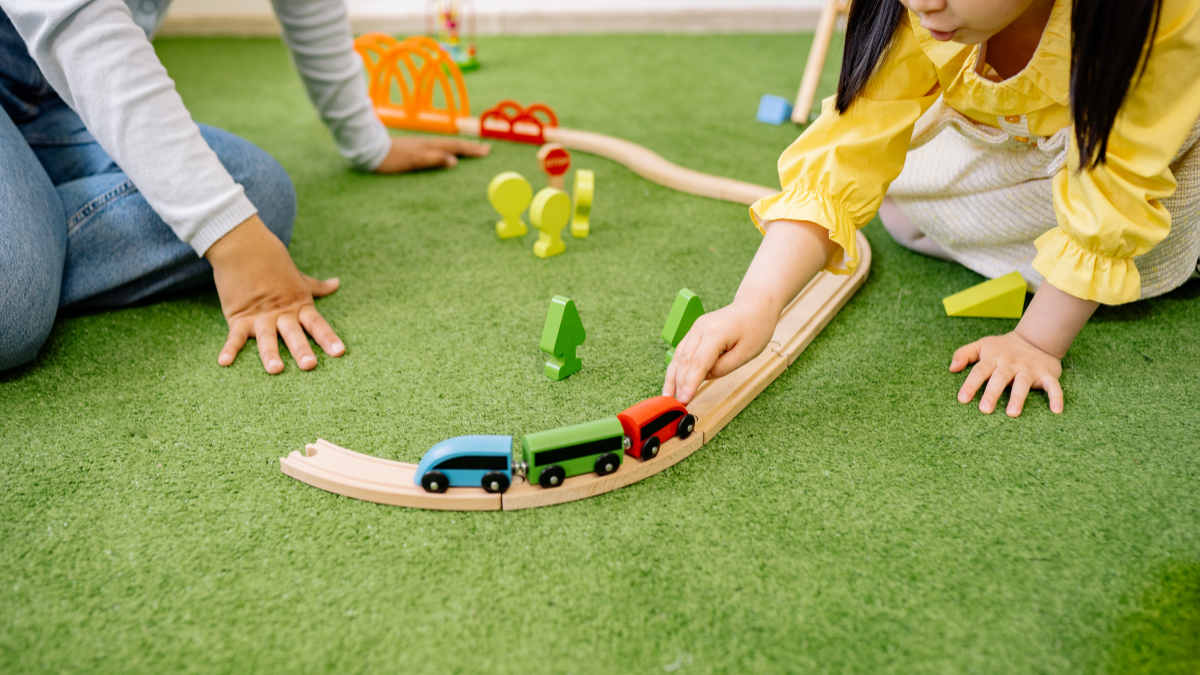
Childhood moves in bright, simple moments. A laugh echoes across a room. Small hands stack blocks, then knock them down. A game begins with no rules and ends in joy. In these quiet and lively scenes, something powerful is happening. Children are not just passing time. They are learning how to live, think, and grow.
Play is not extra. It is not a break from learning. It is growth and learning itself. When a child plays, the mind wakes up, the body moves, and the heart feels safe to explore. This is where learning begins.
Read on to see how simple play can create strong, curious, and confident children.
How Play Builds the Brain
A child’s brain grows fast in the early years. Each new sound, touch, and sight adds to that growth. Play gives the brain what it needs most-experience.
When children build with blocks, they learn about shape and balance. When they sort colors, they begin to see patterns. When they pretend, they stretch their imagination. These small acts build strong paths in the brain that help with memory, focus, and problem-solving.
Play also helps children learn how to think in steps. They plan what to do next. They try, fail, and try again. Over time, they become better at solving problems on their own. This kind of learning stays with them long after the game ends.
Learning Through Imagination
Imagination turns a simple space into a whole new world. A chair becomes a ship. A box becomes a house. A child becomes a hero, a teacher, or a friend.
Through pretend play, children learn to understand others. They act out feelings and situations. They learn what it means to care, share, and help. This builds empathy, which is the ability to feel what others feel.
Imaginative play also helps with language. Children talk more as they create stories. They use new words and form new ideas. Over time, this builds strong communication skills that help them in school and in life.
Social Skills Grow in Play
Play often brings children together. They learn how to take turns, share space, and follow simple rules. These moments may seem small, but they shape how children connect with others.
When conflicts happen during play, children learn how to solve them. They learn to listen, speak up, and find a fair way forward. This builds trust and confidence.
In places like childcare Gahanna, play is often guided in a way that helps children work together. Teachers and caregivers create spaces where children feel safe to interact and grow. This kind of environment helps children feel seen and valued.
Physical Growth Through Movement
Play is not only about the mind. It also builds the body. Running, jumping, and climbing help children grow strong and healthy.
These movements improve balance and coordination. They help children learn how to control their bodies. Over time, this leads to better focus and energy.
Outdoor play adds even more value. Fresh air and open space give children a chance to explore freely. They learn about the world around them while staying active. This supports both physical health and mental well-being.
Emotional Strength Begins in Play
Play gives children a safe place to feel and express emotions. They can act out fear, joy, anger, and love without pressure. This helps them understand their feelings.
When a child faces a challenge in play, like losing a game or building something that falls apart, they learn how to cope. They begin to see that it is okay to try again. This builds resilience.
Over time, children who play freely often grow into adults who handle stress better. They learn that problems can be solved and that mistakes are part of learning.
Creativity Takes Root
Creativity is not just for art. It is a way of thinking. It helps children see new paths and ideas.
Play gives children the freedom to create without fear. There is no right or wrong way to play. This freedom allows ideas to grow.
A child who paints, builds, or tells stories learns how to think outside the box. These skills become important later in life, whether in school, work, or daily problem-solving.
The Role of Adults in Play
Adults play an important role in how children experience play. They do not need to control it, but they should support it.
Giving children time and space to play is key. Too many rules or too much structure can limit creativity. Children need room to explore in their own way.
At the same time, gentle guidance helps. Asking simple questions like “What are you building?” or “What happens next?” can deepen a child’s thinking. It shows interest without taking over.
Adults also help by creating safe and rich environments. Simple toys, open space, and time to play can make a big difference.
Balancing Play and Learning
Some may think that play takes time away from learning. In truth, it supports it. Play and learning work best together.
When children enjoy what they do, they learn more. They stay engaged and curious. This leads to deeper understanding.
Schools and learning centers that value play often see strong results. Children become more confident and willing to try new things. They are not afraid to ask questions or make mistakes.
Why Play Matters More Today
Today’s world moves fast. Screens are everywhere. Schedules are full. In this busy life, play can sometimes be pushed aside.
But children still need it, now more than ever. Play offers a break from pressure. It gives children a chance to slow down and be themselves.
Unstructured play, where children lead the way, is especially important. It allows them to explore without limits. This kind of freedom supports healthy growth.
Children’s Growth and Learning: Let Play Lead the Way Forward
Play may look simple, but its impact is deep and lasting. It builds strong minds, caring hearts, and capable bodies. It teaches children how to think, feel, and connect.
When we value play, we support the whole child. We give them the tools they need for growth and learning into confident and creative individuals.
So make space for play each day. Let children explore, imagine, and create. In those moments, they are not just playing-they are becoming who they are meant to be.
For more on this content, visit the rest of our blog!