
The Paper Trail That Decides Your Car Crash Case After the Tow Truck Leaves

by | Oct 25, 2026 | How To | 0 comments

Nine days. That is how long the average driver waits before they stop treating a crash like an emergency and start treating it like a bill. In that window, the evidence that decides money gets created, and then it quietly disappears. I learned this the boring way years ago, watching a friend lose an argument over a rental car receipt that nobody photographed before it got tossed in a glove box.

I am not a lawyer, and I will not pretend to be one. What I can do is walk you through the post crash paper trail the way an organized person would, because most crash advice skips it. If negotiations stall, your car accident lawyer ends up working with whatever survives that first stretch, so the goal here is simple: make sure the good stuff survives.

Keep this in mind as the throughline: money does not follow a loud story. It follows documents. Your job in the first week is not to prove who was right. It is to collect the raw material so someone else can prove it later.

What Actually Counts as Evidence After a Crash

People picture a courtroom and a dramatic witness, and that image costs them. The real currency is time stamped, boring and specific.

Insurance adjusters work from files. If a file has a repair invoice and two bills, that is what they pay against. If your file has four pages of your own notes and a mechanic’s written opinion about hidden frame damage, your number changes. You are not building a case. You are building a file.

Here is the short list of what carries weight:

  • Photos taken the same day, before anything is repaired or repainted. Wide shots showing both cars and the street, then close shots of every dent and every skid mark.
  • The police report number. Not the officer’s name from memory. The number.
  • Medical paperwork from the first visit, plus every visit after. The gap matters as much as the injury.
  • Your own schedule. Missed shifts, canceled gigs, the school pickup you could not do.
  • Anything with a date printed on it. Receipts, toll records, ride share trips, parking stubs.

Notice that opinions are missing from that list. Nobody pays you for opinion.

The 48 Hour and 14 Day Filing Clock

Two deadlines run at the same time after a crash, and they do not care about each other.

The first one answers a question nearly everyone asks: how long do you have to file a car accident claim before the door shuts. In practice you are racing a reporting window with the insurer and a separate legal clock set by state law, and the legal clock is usually the longer of the two. Do not let the comfortable length of one make you lazy about the short one. Call the insurer early, even if you are still sore and unsure. Opening a claim is not a commitment to a number.

The second clock is physical. Vehicles get crushed, repaired, or sold within weeks. Street cameras overwrite themselves on a rolling schedule. Scrapes fade. Every one of those losses is silent, and none of them announce themselves. That is why I tell people to treat day one through day fourteen as the evidence window, not the recovery window. Recovery takes longer. Evidence does not wait.

The federal government’s own consumer guidance on road safety and crash reporting lives at USA.gov, and it is worth a look for the reporting basics alone. I would rather you spend twenty minutes there than guess.

Who Else Is Holding a Piece of Your Case

You are not the only person with a document, and that is the part most people miss. The other driver’s insurer has a recorded statement. The tow company has a timestamp. The body shop has an estimate that may understate what is really wrong. The hospital has a triage note written before you had a chance to sound composed.

Ask for your own copies. You are entitled to records about you. This is unglamorous work, and it is the entire job.

A conflict I would resolve differently than most people do

Everyone says do not talk to the other insurer. I mostly agree, with one exception I will commit to: give a factual, minimal version of events to your own insurer, on time, and give a scripted nothing to theirs. Silence to your own company can cost you coverage. Chatting with theirs creates a statement they will read back to you in six months. Same event, two very different postures.

The Insurance Information Institute, an industry research body whose findings on claims handling are widely used, publishes background at iii.org if you want to see how claims actually get processed from the inside. Read it before you decide how much to volunteer.

How to Keep the File Clean While You Heal

Set a folder. Phone, laptop, or a paper envelope, it does not matter. What matters is that it lives in one place you can hand over whole. Here is the order I would follow.

  1. That night: photograph everything, then email yourself the photos so they carry a date.
  2. Next morning: get the report number and write it on the folder.
  3. Day three: log every symptom in plain language, even the ones that seem small.
  4. Day seven: request your medical records, not a summary.
  5. Day fourteen: stop and read the whole file top to bottom. Find the gap. Fill it.

Two things to avoid, and they are both about your own words. Do not post the crash on social media. And do not text a friend “I’m fine, barely tapped.” Casual lines get screenshotted, and a defense attorney will treat your group chat like a deposition transcript. If you need to vent, call someone. Phones keep everything.

The Point of All That Paper

You are not collecting documents to win an argument. You are collecting them so the number a claim is worth does not depend on anyone’s memory, including yours.

The law has a framework for all of this. Cornell Law School’s Legal Information Institute maintains a plain language overview of negligence and liability, and it is the clearest free explanation I have found of why fault gets argued in the first place.

Do the folder. Do it badly if you have to, but do it inside the first two weeks, because that is when a crash is still a set of facts instead of a set of opinions. Which one of those two do you want to be holding in six months?
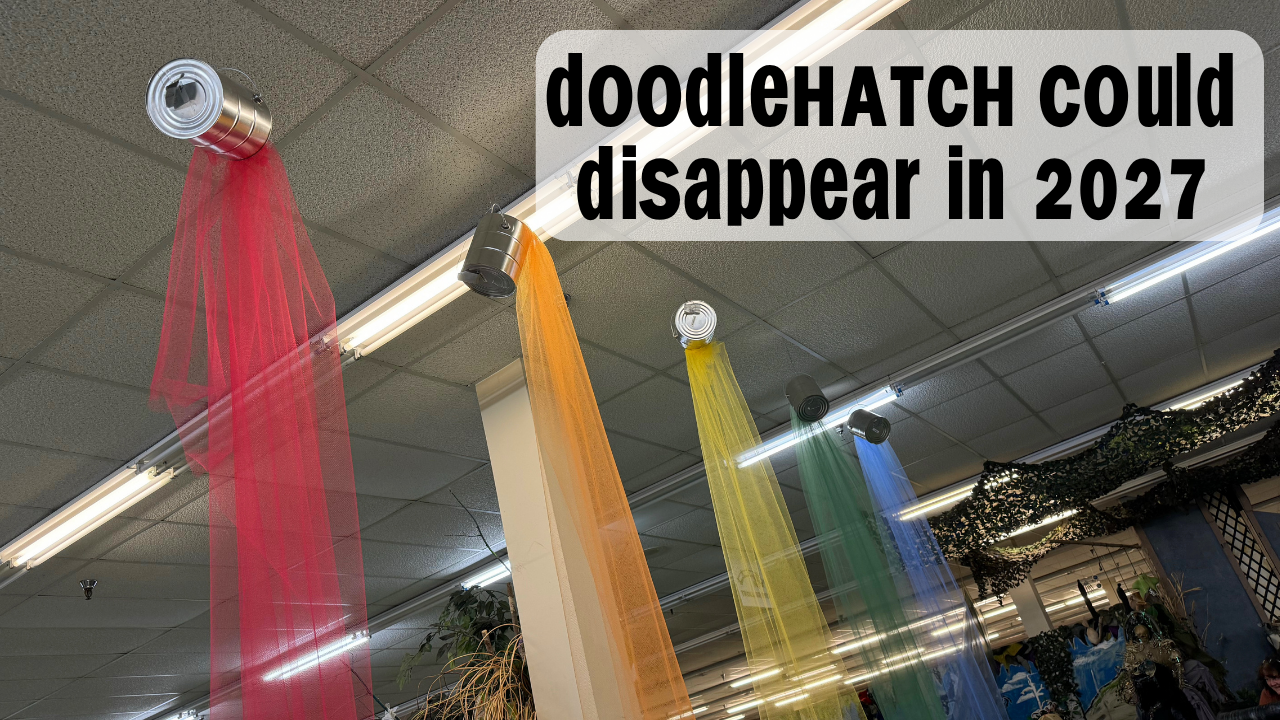
In Columbia, Maryland, there’s a former grocery store that has been transformed into a department store for mythical creatures, time travelers, and intergalactic tourists.

It’s called DoodleHATCH.

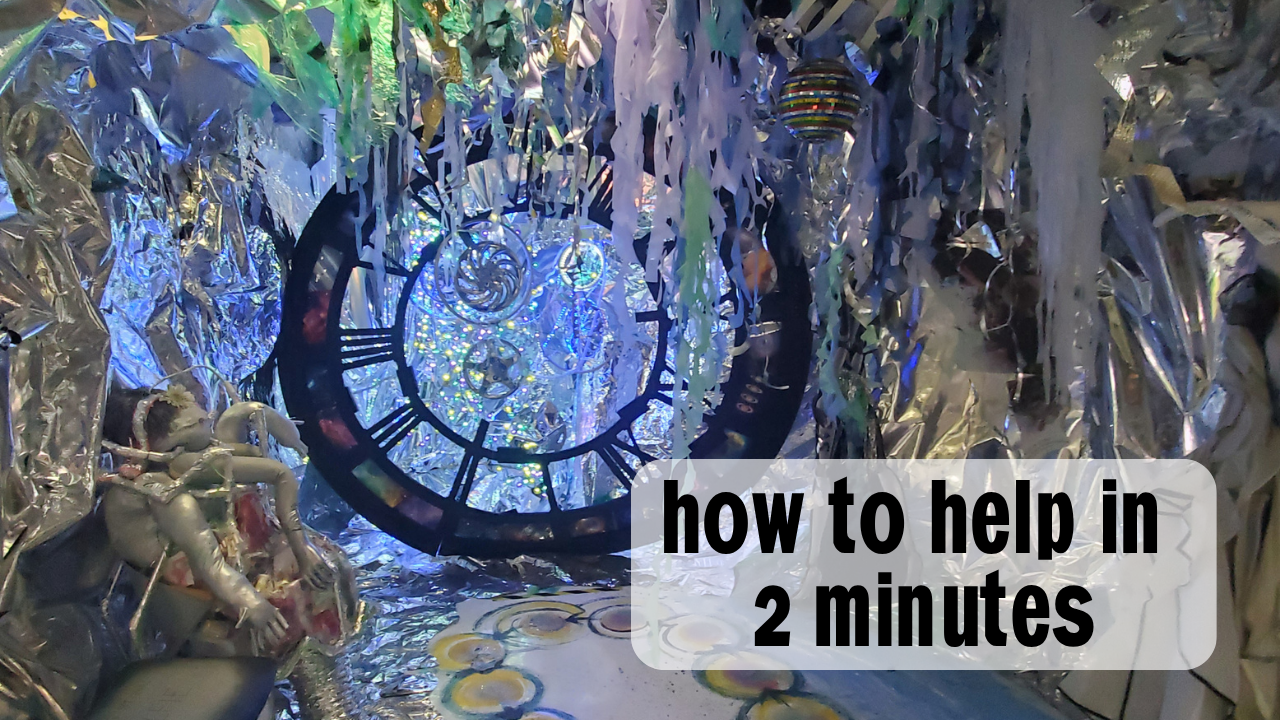
You can groom a unicorn, visit an intergalactic space station, climb onto a giant’s bed, meet guinea pigs, explore an artist’s studio, and discover approximately a million other things that somebody actually sat down and made.

It’s a nonprofit interactive art museum, a community project, an educational resource, and one of my favorite places I’ve ever discovered.

And it could be demolished as part of a proposed redevelopment of the Long Reach Village Center.

But there’s still an opportunity to help.

You don’t need to donate money. You don’t need to live in Maryland. And you don’t need to know anything about zoning laws.

You can start by writing an email.

🚨 Here's what's happening

Developer Columbia Concepts has proposed redeveloping the Long Reach Village Center in Columbia, Maryland.

The proposal would replace existing buildings with new housing, recreational facilities, and other development.

Unfortunately, that puts a whole collection of existing community resources at risk of being demolished, including:

  • DoodleHATCH Interactive Art Museum
  • Maryland Fashion Institute
  • A makerspace used for community education
  • Local restaurants, shops, and service businesses
  • Early childhood education and community programs
  • A 140-foot-long mural created by approximately 100 community members

This isn’t just about losing a fabulous museum. It’s about losing an entire collection of places that people have built, supported, and relied on.

And there’s another possibility!

🌈 Meet The REALM

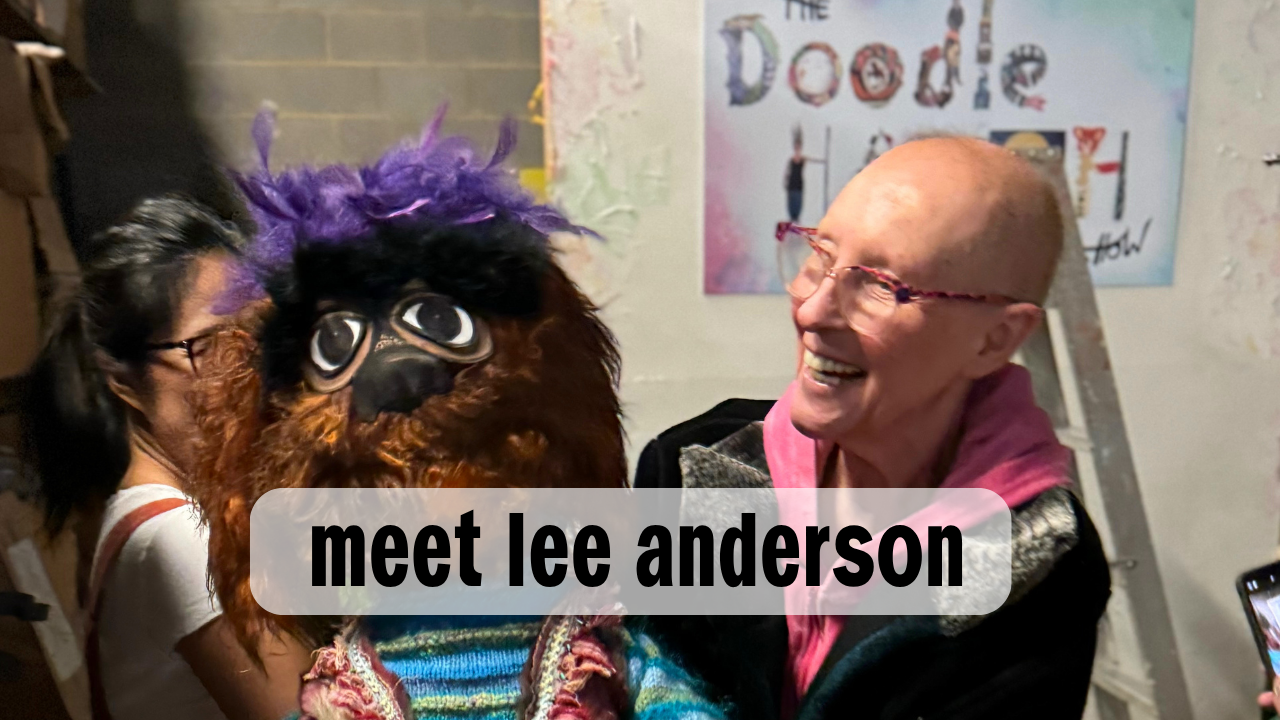
Lee Andersen, the founder of DoodleHATCH, and her nonprofit ManneqART want to preserve the existing community resources and transform the village center into an arts and culture destination called The REALM.

Imagine a place where artists have studios, children have room to explore, students can learn creative skills, people can attend performances, and local businesses continue serving their neighbors.

There are plans for a performing arts space, more opportunities for artists, and a Witches Kitchen that might serve you a horrible-disgusting breakfast.

Which, personally, I think sounds promising.

The people behind DoodleHATCH are gathering support to oppose the developer’s zoning proposal and advocate for The REALM.

And they’d love your help.

💌 How to help in about two minutes

If you live in Howard County, Maryland

If you’re 18 or older, DoodleHATCH is asking eligible county residents to visit the museum and sign their petition in person.

📍DoodleHATCH Interactive Art Museum

8775 Cloudleap Court, Unit 101
Columbia, MD 21045

⏱️ Museum hours: Friday–Sunday, 10 AM–5 PM.

And while you’re there, I highly recommend exploring the museum. Bring someone who needs a reminder that being an adult doesn’t mean you have to stop enjoying ridiculous things.

If you don't live in Howard County

You can still help!

DoodleHATCH is collecting emails from people who oppose the proposed Columbia Concepts redevelopment and support preserving the existing arts and community resources through The REALM.

Send your email to: Lilou@DoodleHATCH.com

Suggested subject: Support The REALM | Oppose Columbia Concepts Zoning Proposal ZB 1132M

You can write your own message or use one of the templates below.

You don’t need to write an essay. A short, genuine message explaining what you support and why is enough to participate in this email campaign.

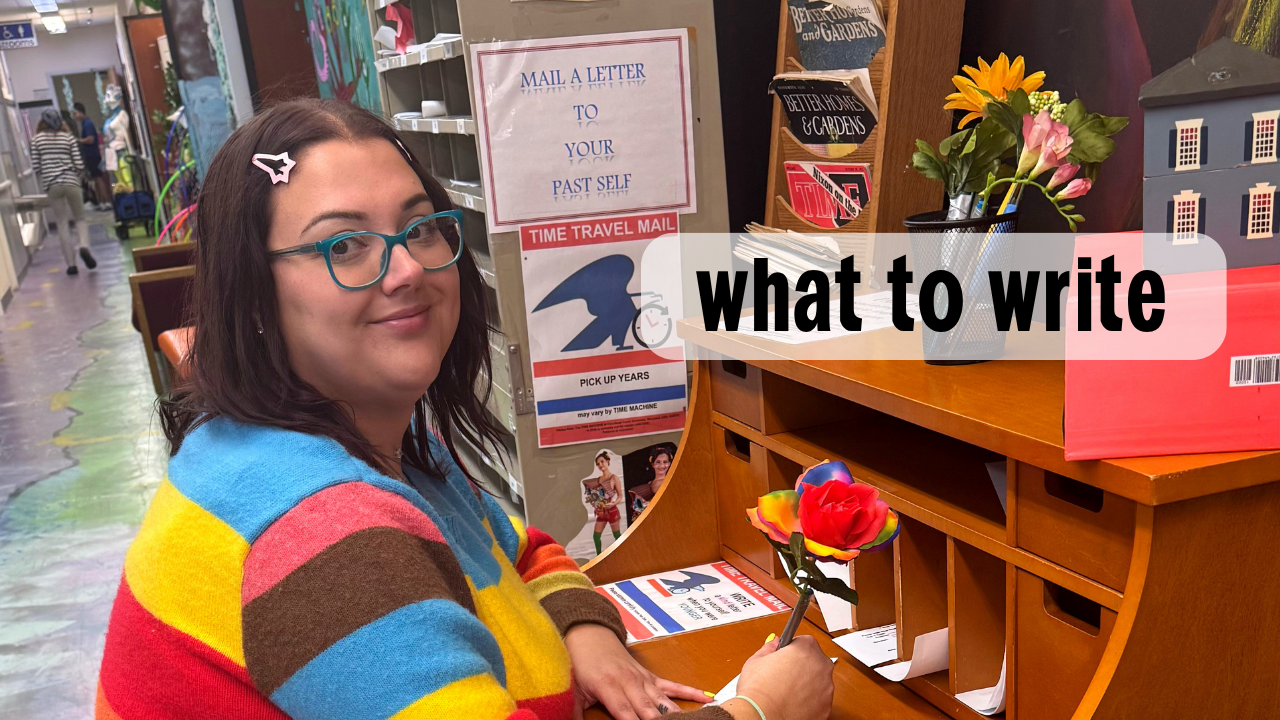
✍️ What should your email say?

To make your position clear, include these three things:

1. Say what you’re opposing.

State that you oppose the proposed Columbia Concepts redevelopment and zoning amendment for the Long Reach Village Center, case ZB 1132M.

2. Say what you’re supporting.

Express your support for preserving DoodleHATCH, the Maryland Fashion Institute, existing community resources, and the proposed arts and culture center called The REALM.

3. Explain why you care.

This is the part that makes your email yours.

Maybe you’ve visited DoodleHATCH. Maybe you’re a parent who wants more creative places for children. Maybe you’re an artist, an educator, or someone who thinks it’s important to protect the few spaces where people can explore and make things without needing to buy something.

Maybe you live across the country and just learned that there’s a department store for mythical creatures in Maryland, and you think the world would be a little less interesting without it.

That’s a perfectly good reason to care.

💌 Email templates you can copy

Option 1: Short, simple, and effective

Subject: Support The REALM | Oppose ZB 1132M

Hello,

I’m writing to express my opposition to the proposed Columbia Concepts zoning amendment and redevelopment of the Long Reach Village Center (ZB 1132M).

I support preserving DoodleHATCH, the Maryland Fashion Institute, and the existing community services and small businesses, as well as the proposal to create The REALM arts and culture center.

Creative and educational spaces like these provide valuable opportunities for families, artists, students, and the wider community. I believe they deserve to be protected.

Please include my email with the messages of support being collected for DoodleHATCH and The REALM.

Thank you,

[Your Name]
[Your City/State]

Option 2: For artists, creatives, and fellow merriment makers

Subject: Please Protect DoodleHATCH and Support The REALM

Hello,

I’m writing in opposition to Columbia Concepts’ proposed redevelopment and zoning amendment for the Long Reach Village Center (ZB 1132M), and in support of The REALM.

I believe communities need places where creativity, imagination, and play are actively encouraged.

DoodleHATCH is an extraordinary example of what can happen when artists and community members are given room to create something that doesn’t fit into an ordinary commercial space.

Places like this are rare. They encourage people of all ages to experiment, learn, explore, and connect with one another.

I support preserving DoodleHATCH, the Maryland Fashion Institute, the existing community resources, and the vision for The REALM.

Thank you for collecting these messages and advocating for the creative community.

[Your Name]
[Your City/State]

Option 3: For people who've visited DoodleHATCH

Subject: Please Save DoodleHATCH | Oppose ZB 1132M

Hello,

I’m writing to express my opposition to the proposed Columbia Concepts redevelopment and zoning amendment for the Long Reach Village Center (ZB 1132M), and my support for The REALM.

I’ve personally visited DoodleHATCH, and I want to share why I believe it’s worth preserving.

[Write two or three sentences about your experience. What did you see? Who did you bring? What surprised you? What made you want to return?]

DoodleHATCH is more than a collection of exhibits. It’s a place where creativity is something people can actively participate in, and I believe losing it would be a tremendous loss to the community.

I support preserving the museum, the Maryland Fashion Institute, and the other existing community resources through the proposed arts and culture center, The REALM.

Please include my email with the messages of support you’re collecting.

Thank you,

[Your Name]
[Your City/State]

A few tips before you hit send

DO:

  • Use your real name.

  • Include your city and state so organizers can understand where support is coming from.

  • Clearly identify the redevelopment proposal you’re opposing.

  • Specifically mention your support for The REALM.

  • Add a personal sentence or two if you can.

  • Be respectful, even if you’re frustrated.

  • Share this page with other people who might want to help.

DON’T:

  • Pretend to be a Howard County resident if you’re not.

  • Claim to have visited DoodleHATCH if you haven’t.

  • Make up experiences or information.

  • Send threatening, insulting, or harassing messages.

  • Assume your email is the same thing as signing the official petition.

  • Worry about making your message sound impressive. Clear and genuine is better than elaborate.

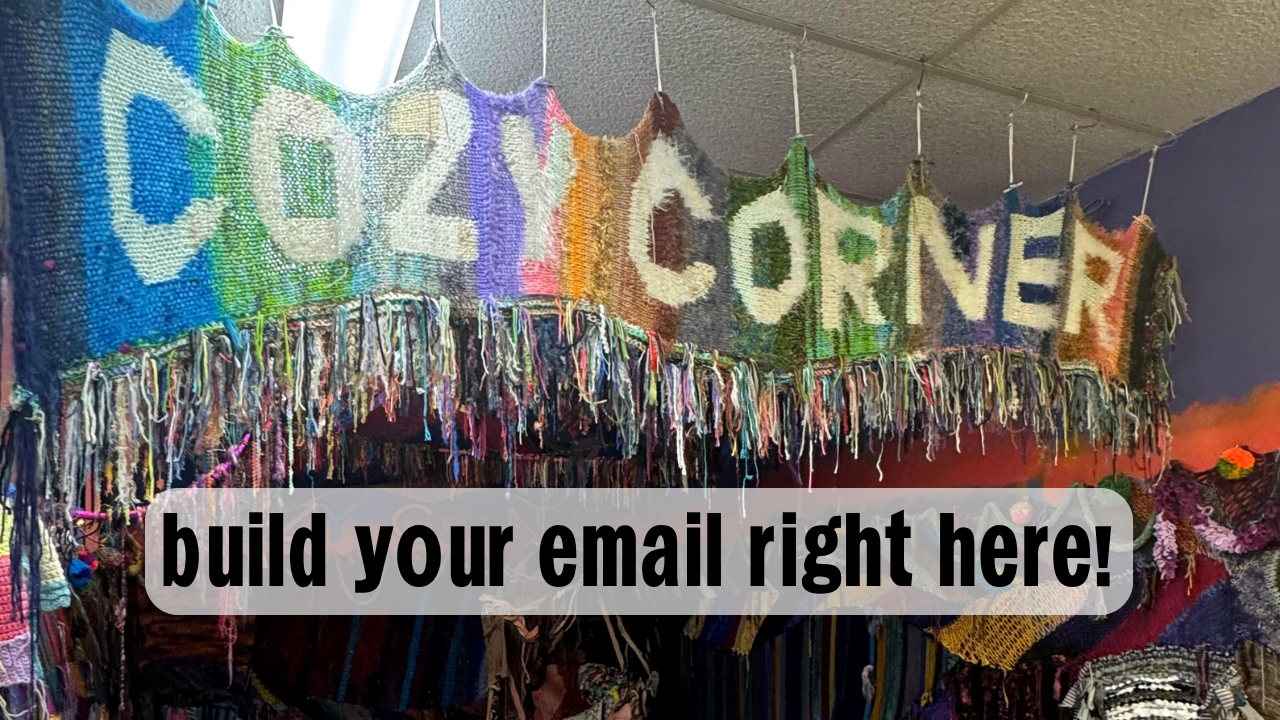
💌 The Save DoodleHATCH Email Machine

A few clicks, a little personality, and an email that helps support DoodleHATCH and The REALM. No account or signup required.

What's your connection to DoodleHATCH?
Why does protecting places like this matter to you?
✨ Your email preview
To: Lilou@DoodleHATCH.com
Subject:

Your information stays in your browser until you choose to copy or open the message. The email does not send automatically. Emails support DoodleHATCH's advocacy campaign; they are not the same as official petition signatures or zoning testimony. Please review the message before sending.

🐹 Wait. What exactly is DoodleHATCH?

I’m so glad you asked.

DoodleHATCH is an interactive art museum in Columbia, Maryland, created by artist, designer, and professional generator of wildly ambitious ideas, Lee Andersen.

The museum is designed as a pretend department store for mythological creatures, time travelers, and galactic tourists.

There are dozens of installations, and unlike most museums, you’re encouraged to touch things, explore, and participate.

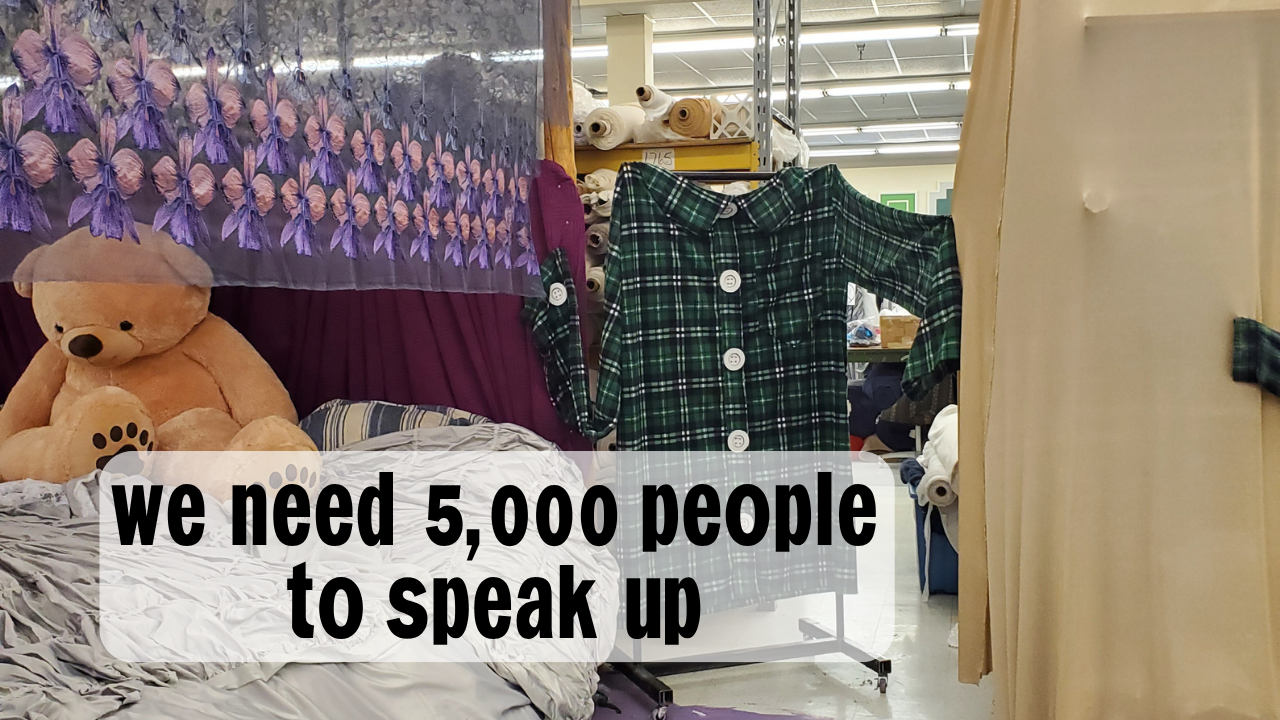
There’s also an artist’s studio full of fabric and handmade garments, workshops, special events, birthday parties, free books, and opportunities for local artists to share their work.

The museum welcomes families and children, but adults are absolutely allowed to enjoy themselves, too.

And the woman behind it has spent decades bringing creativity into the community through fashion, festivals, education, and public art.

I discovered DoodleHATCH in 2020 and loved it so much that I started volunteering.

I’ve been back multiple times, and there are still things I haven’t seen.

That’s part of what makes it special. You can keep discovering things because people keep creating them.

You don't have to live near DoodleHATCH to care about it.

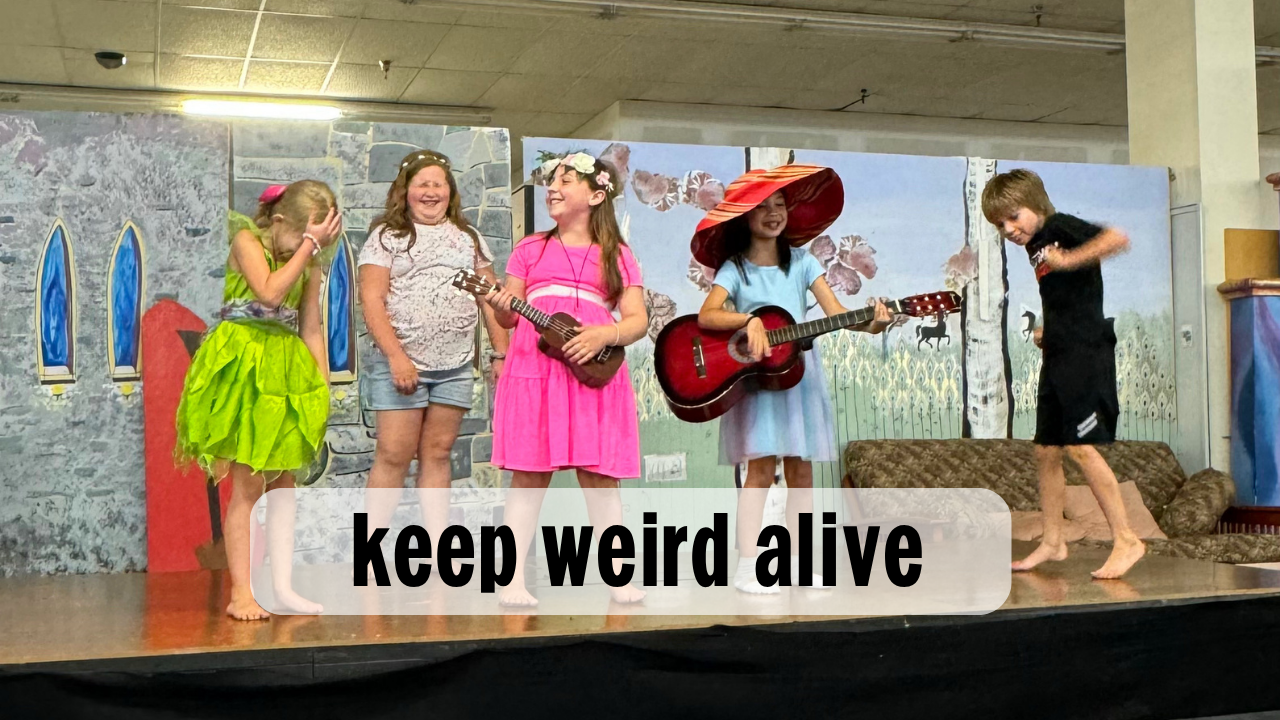
There are Merriment Makers everywhere.

People turning empty buildings into art spaces. People organizing parades. People teaching kids how to sew, paint, dance, or build things. People putting enormous amounts of time into projects that make their communities more interesting.

Sometimes they’re running nonprofits. Sometimes they’re working out of their garages. Sometimes they’re making something weird in a strip mall that you might drive past a hundred times without realizing what’s inside.

I hope you’ll help protect DoodleHATCH.

And I hope you’ll look around your own community, too. Visit the strange little museum. Go to the local art show. Find the person who makes giant puppets or organizes an absurd annual festival. Spend your money at the independent shop with the handmade things.

There are people everywhere creating reasons for us to be curious about being alive.

I’d like them to be able to keep doing that.

Help save DoodleHATCH. Help protect The REALM. Help keep the world interesting.

💌 Email: Lilou@DoodleHATCH.com

🌈 Visit: DoodleHATCH.com

🦄 Share: Uncustomary.org/Doodle