
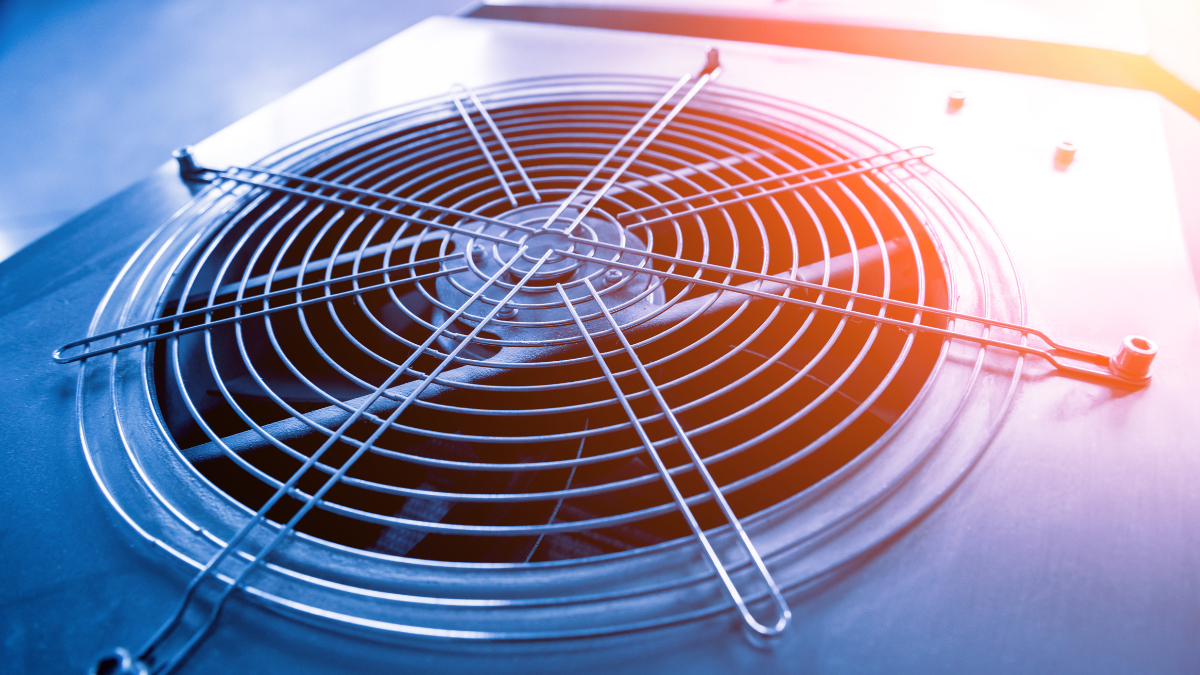
Choosing a new hvac system can feel simple at first. You might think the old unit size should be replaced with the same one. In many homes, that is not the best move. A better path is using Manual J to understand what your space actually needs for air conditioning and heating. When you know how sizing works, you can ask smarter questions, avoid costly mistakes, and feel more confident before investing in new equipment.
Understanding HVAC Sizing and Its Importance
HVAC sizing is the process used to find the correct size for an hvac unit in your home. It looks at how much heating and cooling your rooms need instead of relying on guesswork. That is why hvac sizing matters when you replace old equipment or plan a new home.
Manual J is the starting point for this load calculation. It helps contractors match system size to the home’s actual conditions. If the equipment is not the correct size, comfort and efficiency can suffer. The next sections explain how sizing affects daily living and long-term costs.
Why Proper HVAC Sizing Matters for Home Comfort
Your air conditioner should do more than turn on and blow cold air. Proper sizing helps it run in a way that supports steady temperatures and better humidity control. When the unit fits the home, you are more likely to get home comfort that feels even and dependable.
If the equipment is too large, it can cool the space too quickly and shut off before removing enough moisture. That can leave rooms feeling sticky even when the thermostat looks fine. Optimal comfort depends on both temperature and moisture removal, not just speed.
A unit that is too small creates a different problem. It may struggle to keep up with demand and fail to reach the set temperature during hotter periods. In both cases, proper sizing gives you a better chance at balanced comfort across your living space.
Effects on Energy Efficiency and Utility Costs
A well-matched system size helps your equipment handle the cooling load without wasting power. That is a big reason sizing affects energy efficiency. The goal is not the biggest machine. It is the unit that fits your home’s actual heating and cooling demands.
An oversized setup can increase run-and-stop patterns and still fail to manage indoor moisture well. That kind of performance often leads to higher energy bills. You pay for capacity you do not really need, while comfort may still fall short.
On the other hand, a small system may run too often because it cannot keep pace with demand. That also hurts energy efficiency and can add wear over time. When the system size is right, your utility costs are more likely to stay under control, especially when paired with high-quality heating solutions from BPC Heat.
Key Metrics in HVAC Sizing
HVAC sizing uses a few core measurements to describe capacity. You will often hear BTUs, tons, and square foot estimates when talking about air conditioning. These numbers help explain how much heating or cooling a unit can provide and how that compares with your home.
Still, the hvac load is not based on size alone. A manual j calculation also considers insulation, layout, windows, climate, and sun exposure. Those details shape the final system size. Before choosing equipment, it helps to understand what each metric really means.
Tons, BTUs, and Square Footage Explained
Tons and BTUs are capacity measurements. In simple terms, they show how much cooling a system can deliver. Square footage gives a rough starting point, but it does not tell the full story. Your cooling load can change based on insulation, window efficiency, and sun exposure.
For a quick estimate, some contractors use a square footage method. Older rules of thumb often used about 600 sq ft per ton for residential spaces. With newer construction and better insulation, some homes may be closer to 1000 sq ft per ton. That is why this method is only a starting point.
| Home size (sq. ft.) | Unit size (tons) | Unit size (BTUs) |
| 1,200 sq ft | 2 tons | 24,000 BTUs |
| 1,800 sq ft | 3 tons | 36,000 BTUs |
| 2,400 sq ft | 4 tons | 48,000 BTUs |
| 3,000 sq ft | 5 tons | 60,000 BTUs |
The Role of Manual J Calculations
Manual J is the standard residential load calculation used to estimate how much heating and cooling a home needs. ACCA Manual J is the first step in proper system design. It gives contractors a structured way to avoid guessing when choosing equipment.
A manual j calculation reviews factors such as location, climate humidity, insulation values, home orientation, windows, and room use. It also looks at heat gain and heat loss. These details help show what the home needs during peak conditions, not just on mild days.
That load calculation then guides other decisions. Manual S uses the Manual J result for equipment selection. Manual D supports duct design, and Manual T helps with air distribution. If the Manual J number is wrong, the rest of the process can also be off.
Beginner’s Guide: How to Determine the Right HVAC Size for Your Home
If you want the right size equipment, start by understanding your home instead of focusing only on the old unit. The hvac load should reflect your space as it exists today, especially if insulation, windows, or layout have changed over time.
Manual J is the best path for sizing an ac unit or heat pump. A square footage estimate can offer a rough idea, but it should not decide final system size. To make the process easier, begin with the tools, information, and steps below.
What You Need to Get Started: Tools and Resources
Before you think about equipment, gather the details that shape a proper load calculation. Manual J depends on accurate home information. If you skip important facts, the result can point you toward the wrong size system.
Useful tools and resources include:
- A tape measure or floor plan to confirm room sizes and total conditioned area.
- Construction details that show insulation, window type, and ceiling height.
- Help from hvac professionals who can apply Manual J correctly.
You can also compare recommendations from different contractors. If one suggests a larger unit and another suggests a smaller one, ask both to show their manual j work. That simple step helps you spot guesswork and focus on sizing based on real home conditions.
Step-by-Step Guide to Calculating HVAC Size
The manual j calculation follows a clear path. It starts with measurements, then reviews features that affect heat gain and heat loss, and ends with a cooling load and heating estimate. These steps help move you toward correct sizing instead of a rough guess.
The basic steps include:
- Measure the conditioned square footage of each room.
- Review insulation, windows, sun exposure, and how the home faces.
- Consider how the space is used, including occupants and heat-producing appliances.
- Total the values to estimate the cooling load and heating needs.
Once those numbers are complete, the contractor can use them for equipment selection. This is where Manual S enters the process. If you want a system that fits your home well, following these steps is far more reliable than using rules of thumb alone.
Step 1: Gather Home Information and Measurements
Start with the basics. Measure the square footage of each room that needs heating or cooling, then add those numbers together for total conditioned area. Skip spaces like an unconditioned garage or basement if they are not part of the system’s coverage.
Make sure you also note details that affect load:
- Total sq ft by room and for the full home.
- The number of windows and exterior doors.
- The direction the home faces.
These facts matter because two homes with the same square footage can have very different needs. A home faces the sun differently based on orientation, and that changes heat gain. Accurate measurements give the rest of the sizing process a solid base.
Step 2: Factor in Insulation, Windows, and Climate
Once measurements are done, look at the features that change how your home holds or gains heat. Insulation levels in walls, ceilings, and floors matter a lot. So do windows, especially their efficiency and how much direct sunlight reaches them during the day.
Pay close attention to factors like:
- Insulation levels and overall airtightness.
- Window size, placement, and efficiency.
- Local climate and daily sun exposure.
These details affect heat gain and cooling demand. A shaded home in a milder area may need less capacity than a sunny home of the same size in a hotter climate. This is exactly why square footage alone cannot tell you the full answer for proper hvac sizing.
Common Mistakes in HVAC Sizing
Many sizing problems begin when people rely on rules of thumb or simply copy the capacity of the old unit. That approach can miss changes in insulation, windows, layout, or how the home is used today. HVAC sizing works best when it is based on actual conditions.
The result of guesswork is often an oversized system or an undersized system. Both can lead to poor comfort, wasted energy, and avoidable wear. Let’s look at the most common errors homeowners and contractors should avoid.
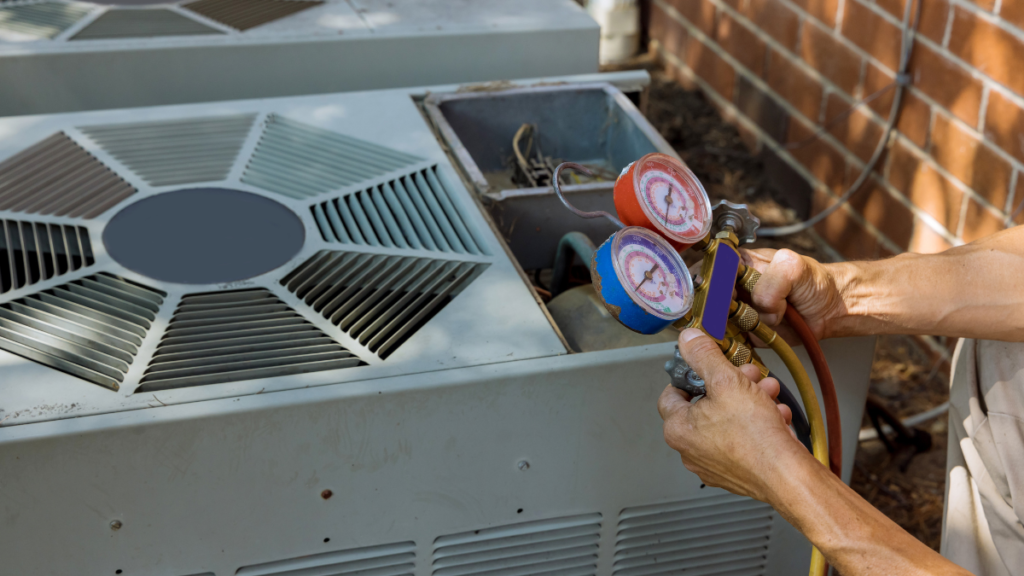
Overestimating or Underestimating System Size
Getting the system size wrong creates problems fast. An oversized system may cool or heat too quickly, while an undersized system may struggle to keep up. In both cases, the equipment is not operating in the way it was meant to.
Common results include:
- Reduced energy efficiency from poor operating patterns.
- Uneven comfort or trouble reaching the set point.
- Extra wear from frequent cycling or long run times.
An oversized system can leave the home feeling damp because it shuts off before removing enough moisture. An undersized system may run too often and still fail to maintain indoor temperatures. Good sizing is about matching output to the home, not aiming high or low without proof.
Ignoring Influencing Factors (Room Usage, Layout, etc.)
Another mistake is assuming every room behaves the same way. In reality, room usage, layout, and occupancy can change load from one area to another. A home office, kitchen, or sun-facing room may place very different demands on the system.
Important influencing factors include:
- Room usage and internal heat from appliances.
- Layout, ceiling height, and airflow path.
- Number of occupants and local design conditions.
Design conditions also matter because sizing should reflect your climate at peak demand. If these details are ignored, the final equipment choice may not match real-life needs. That can affect comfort, humidity levels, and how well air moves through the home.
Frequently Asked Questions (FAQs)
When considering HVAC sizing, numerous common questions arise. For instance, many wonder why incorrect sizing leads to higher energy bills. An oversized system often causes short cycling, while an undersized unit struggles to maintain set temperatures. Homeowners frequently ask about the Manual J load calculation, which assesses cooling and heating needs based on square footage, number of occupants, and insulation levels. Additionally, sun exposure and the number of windows can influence the design conditions for optimal comfort and humidity control.
What happens if my HVAC system is too large or too small?
An oversized system can cool too quickly, miss moisture removal, and raise higher energy bills. An undersized system may struggle to reach the set temperature and run too often. Proper sizing helps avoid short cycling, comfort issues, and unnecessary wear on your equipment.
Can I use a rule of thumb for AC sizing?
A rule of thumb based on square footage can give you a rough starting point, but it should not decide final system size. Manual J is more accurate because it looks at insulation, windows, climate, and layout. That makes equipment selection much more dependable.
Where can I find a reliable online HVAC sizing calculator?
Look for online tools tied to a manual j calculation approach rather than simple guesswork. A reliable hvac sizing calculator should reflect load calculation principles from the Air Conditioning Contractors of America. Even then, it works best as a starting point, not a final equipment decision.
Is residential HVAC sizing different from commercial systems?
Yes. Residential load calculation commonly starts with Manual J, followed by Manual S for equipment choice and duct design steps such as Manual D. Commercial systems follow different requirements. That is why home sizing should be based on residential methods, not commercial systems.
How can I be sure my new HVAC system is the right size for my home?
The best way to ensure accurate HVAC sizing is to have a qualified HVAC contractor perform a Manual J load calculation. This evaluation considers your home’s square footage, insulation, windows, ceiling height, layout, sun exposure, and local climate rather than relying on rules of thumb. As the HVAC experts at Blue Seal Air recommend, taking the time to size your system correctly helps improve indoor comfort, lower energy bills, reduce wear on your equipment, and extend the lifespan of your HVAC system.
Conclusion
In conclusion, proper HVAC sizing is crucial for ensuring your home remains comfortable and energy-efficient. By understanding the key metrics and factors that influence sizing decisions, you can avoid common pitfalls that lead to over or undersized systems. Whether it’s considering your home’s insulation, layout, or climate, taking the time to accurately calculate the right size for your HVAC system pays off in both comfort and cost savings. Remember, a well-sized HVAC system not only enhances your living environment but also contributes to lower utility bills. If you have any questions or need assistance with your HVAC needs, feel free to reach out for a consultation!