
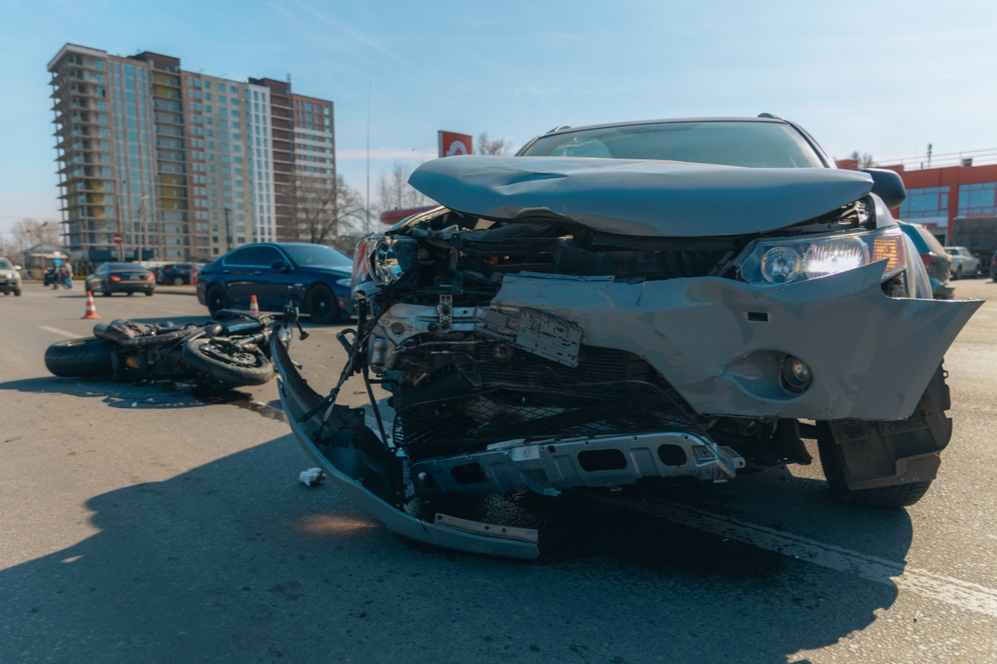
A crash can leave behind more than a damaged vehicle. It can also leave a trail of small details that explain how the collision happened and who may be responsible. Skid marks, vehicle damage, traffic signals, road conditions, witness statements, and phone records can each tell part of the story. In St. Louis, these details may become especially important if drivers give different versions of the accident.
A St. Louis car accident attorney can review available evidence and look for facts that might otherwise be missed. Finding those clues is not about blaming someone without proof. It is about building a clear picture of what happened, protecting important evidence, and helping an injured person make informed decisions about a possible claim.
Why Small Details Can Matter
Car accidents often happen quickly, but the evidence they leave behind can last much longer. A damaged bumper may show the direction of impact. Broken glass can help indicate where a collision occurred. Skid marks may provide clues about braking. Damage to nearby property can also help establish the path of a vehicle.
These details may seem minor alone. Together, they can create a clearer account of the crash. This can matter if an insurance company questions what happened or argues that an injured person was partly responsible.
A review may also compare the physical evidence with statements from everyone involved. If the details do not match, that difference can point to questions that deserve closer attention.
What Crash Evidence May Reveal
Several types of evidence can help explain a collision. Useful clues may include:
- Photos of vehicles, roads, signs, and nearby property
- Traffic camera or surveillance footage, if available
- Statements and contact information from witnesses
- Police reports and accident scene diagrams
- Vehicle damage and repair estimates
- Medical records showing injuries and treatment
- Cell phone records if distracted driving is suspected
The value of each item depends on the facts. A photo taken shortly after a crash may show road conditions that later change. A witness may remember a traffic signal or vehicle movement that drivers missed. Medical records can connect an injury to the collision and document treatment.
Looking Beyond the Driver’s Story
Drivers may remember an accident differently. Stress, confusion, poor visibility, or speed can affect memory. A complete review should not depend on one statement alone.
An attorney may examine whether the road layout, vehicle positions, impact damage, and witness accounts support or challenge a driver’s version. In some cases, accident reconstruction professionals may help explain speed, movement, braking, or the point of impact.
Weather and road conditions also deserve attention. Rain, poor lighting, construction, debris, or damaged pavement may have contributed. This evidence can help determine whether another person, business, or government entity may have a role.
Checking for Evidence That Can Disappear
Some evidence does not remain available for long. Security footage may be overwritten. Vehicles may be repaired or moved. Road conditions can change, and witnesses may forget important details as time passes.
For that reason, injured people should take practical steps as soon as they can. If safe, they should keep photos, save messages and crash records, and maintain copies of medical bills and treatment information. They should also avoid deleting relevant digital records.
It can also help to write down personal recollections while they are still fresh. Details such as the direction of travel, traffic signals, weather, road conditions, and what happened before and after the collision may become harder to remember later.
How Evidence Can Support an Injury Claim
Evidence does more than explain how a crash occurred. It can also help show the impact the accident had on a person’s life. Medical records may document treatment, while employment records can help show missed work or lost income. Receipts and repair documents may establish financial losses.
A strong collection of records can make it easier to present a consistent account of the accident and its effects. It may also reveal gaps that need more evidence.
Insurance companies may conduct their own reviews and request statements, photos, medical information, or other records. Injured people should be careful about statements or documents they do not fully understand. Legal guidance can help explain what information is relevant and what steps may protect their interests.
Building a Clearer Picture of the Crash
No single clue usually answers every question after a serious collision. A clearer account often comes from comparing evidence. A traffic camera may show movement, vehicle damage may support the direction of impact, and a witness may fill in details a photo cannot capture.
The goal is to connect facts without making assumptions. A careful review can separate what is known from what still needs investigation. This can help in St. Louis accidents involving disputed fault, serious injuries, multiple vehicles, or unclear road conditions.
For example, an attorney may compare photographs from the crash scene with the police report, witness statements, and medical records. Looking at these details together can help identify inconsistencies or missing information that may deserve further attention.
Conclusion
Crash evidence can speak through details that are easy to overlook. Skid marks, photos, vehicle damage, witness accounts, records, and road conditions may help answer questions about responsibility and injury. Knowing what to preserve can prevent valuable information from disappearing.
For someone hurt in a St. Louis accident, early legal guidance can help protect important records and clarify the evidence connected to the collision. A St. Louis car accident attorney may also help review the available facts, identify possible gaps, and explain potential legal options. A careful review can provide a stronger foundation for moving forward with confidence.