
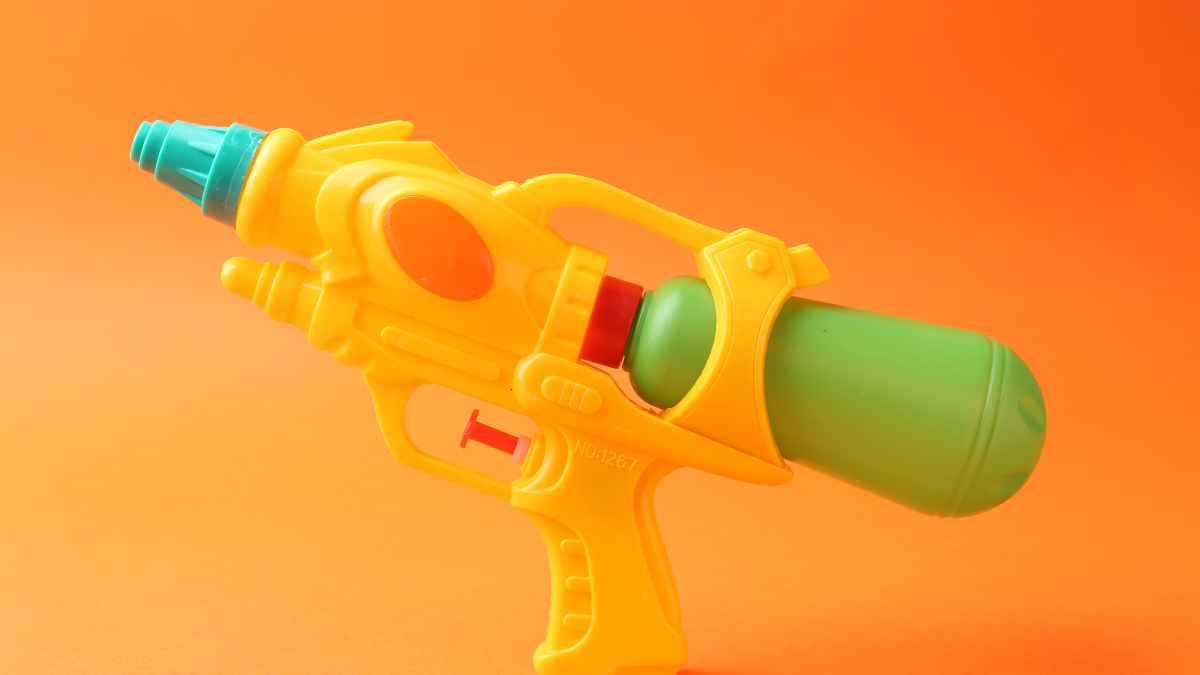
Gel blasters have moved from a niche hobby to a genuinely mainstream recreational activity in a fairly short time, and the range of products now available can be overwhelming if you’re coming to it fresh. The fundamental appeal isn’t complicated: they’re projectile-firing devices that use small water-absorbent gel beads rather than paintballs, airsoft pellets, or anything that stings, marks clothing permanently, or requires specialised protective gear beyond eye protection. The gel beads break on impact and dry to dust within a few hours, which makes cleanup comparatively painless.
Getting started well requires making a few good decisions early. The equipment category you choose, the safety practices you adopt from the beginning, and understanding the legal context in your area are the things that matter most for a new player.
What Gel Blasters Actually Are
A gel blaster is a recreational device that uses spring, electric, or gas pressure to fire water-absorbent polymer beads, sometimes called gellets or gel balls, at relatively low velocity. The beads start as small, hard pellets and expand to around eight millimetres when hydrated, which is the form they’re fired in.
The key characteristics that distinguish them from airsoft and paintball are the projectile itself and the impact energy. Hydrated gel beads are soft and break on contact, delivering significantly less impact than either airsoft BBs or paintballs at typical engagement distances. They don’t penetrate skin under normal circumstances and don’t stain most materials. This makes them substantially more forgiving to use in backyard settings and with less specialised protective equipment, though eye protection remains non-negotiable at all times.
The mechanics inside a gel blaster are similar to airsoft in many respects. Electric gel blasters (EGBs), which are the most common type for recreational use, use a battery-powered motor to drive a piston, which compresses air to fire the gel bead. Spring-powered models require cocking between shots. Gas-powered models use CO2 or green gas pressure. For beginners, electric models are the easiest starting point because they’re fully automatic or semi-automatic, require less physical effort per shot, and are available across a wide range of price points.
Legal Considerations Before You Buy Anything
The legal status of gel blasters varies significantly between jurisdictions, and this is the most important thing to understand before purchasing. In Australia, where the hobby has its largest user base, the legal position varies by state. In Queensland, gel blasters are legal to own for recreational use. In South Australia, they require registration as firearms. In New South Wales, Victoria, and Western Australia, they’re classified as firearms and are generally not available for civilian recreational use under most circumstances. In other countries, the position varies similarly.
Before purchasing any gel blaster, check the specific regulations in your state or country. This isn’t a formality: in jurisdictions where they’re classified as firearms, owning an unregistered one carries meaningful legal consequences. Most reputable gel blaster retailers provide jurisdiction-specific information as part of their sales process, and if they don’t, that’s worth noting.
If you’re in a jurisdiction where gel blasters are legal, you can proceed with the rest of this guide with confidence. If you’re unsure, confirm before you buy.
Choosing Your First Gel Blaster
For a first gel blaster, the most sensible choice is a mid-range electric model with a standard battery and an accessible internal layout. The reasons are practical: you’ll inevitably want to adjust something, try different gel bead sizes or brands, or do basic maintenance, and a blaster with an approachable internal design makes this easier.
The price range that makes most sense for a first purchase sits in the middle of the market, avoiding the cheapest options, which typically have reliability and consistency issues that affect the experience enough to be genuinely frustrating, and the highest end, which offers performance that a new player can’t yet appreciate or leverage.
Platform matters for reasons of parts and support availability. The JM Gen 8 and Gen 9 platforms, and the Wells and LDT platforms for intermediate players, have large user communities, extensive parts availability, and well-documented upgrade paths. Choosing a blaster on an obscure platform means fewer parts, less community knowledge, and more difficulty if something needs attention.
For players primarily interested in outdoor skirmish play, a rifle-format blaster gives better range and gel bead retention at outdoor engagement distances than a pistol-format blaster. For CQB (close-quarters battle) environments indoors, shorter and lighter designs are more practical.
Gel Bead Preparation
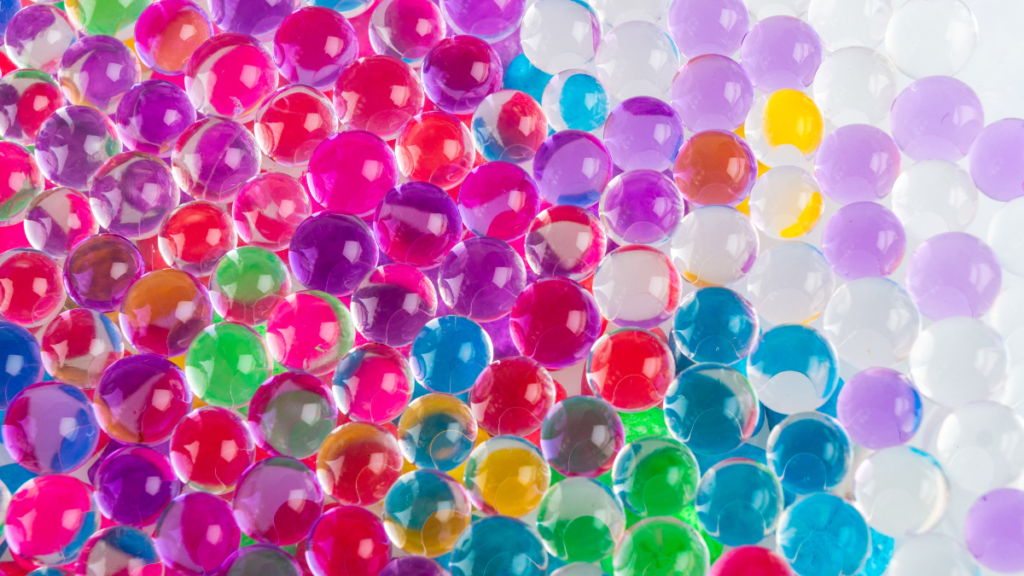
This is the step that new players most often rush and then regret. Gel beads need to be fully hydrated before use, and the hydration time is typically six to eight hours for standard gel beads in room temperature water. Some brands market faster hydration, but full hydration generally produces better results in terms of consistency and accuracy than partially hydrated beads.
Use clean water without additives. Minerals in hard water can affect hydration quality in some brands. Hydrated gel beads should be stored in a sealed container and used within 24 to 48 hours, as they begin to dehydrate when removed from water and either become inconsistent in size or start to dry out in ways that affect how they feed through the blaster.
The size and brand of gel bead matters for your specific blaster. Different models are optimised for specific bead diameters, typically 7 to 8 millimetres for standard models, and using beads outside the recommended size range produces feeding problems and affects accuracy. Most blasters have a size specification, and using beads within that range is worth the minimal additional effort.
Over-hydrated beads, left in water for much longer than the recommended period, become too soft and break in the magazine or barrel rather than at the point of impact. Under-hydrated beads are too hard, which affects their impact characteristics and can increase the risk of damage to exposed skin at close range.
Safety Practices That Should Be Non-Negotiable
Eye protection is the one area where there’s no compromise and no exceptions. Hydrated gel beads at the velocities gel blasters produce can cause serious eye injury. Every person on the field when blasters are in use should be wearing appropriate eye protection, including spectators and people who aren’t playing. Safety glasses with full coverage and impact-resistant lenses are appropriate; standard fashion sunglasses are not.
Treat a gel blaster as you would any projectile device: don’t point it at anyone not participating in a game who hasn’t consented to being in the activity, don’t fire in public spaces or toward traffic, and keep the safety on when not actively playing.
Minimum engagement distances apply in organised play and are worth adopting in informal settings too. Firing at very close range at exposed skin produces more impact than the hobby’s reputation for being gentle would suggest. Most gel blaster communities recommend minimum engagement distances of a few metres for regular play, with closer distances typically requiring calling hits rather than firing.
At the end of any play session, unload the magazine and clear any beads from the chamber and barrel before storing the blaster. A gel blaster with beads left in a warm storage location can develop mould or corrosion, and a neglected blaster’s internal components deteriorate faster than a maintained one’s.
Getting Into the Community
The gel blaster hobby has an active community in regions where it’s established, with dedicated fields, organised skirmish events, and online forums covering everything from beginner questions to advanced modifications. Connecting with the local community early in your gel blaster journey is the fastest route to good information about blaster selection, local playing venues, and the practical knowledge that takes time to accumulate through solo experience.
Local fields typically have hire equipment available, which is a sensible way to try the hobby before investing in your own gear, and the staff at established venues are usually knowledgeable about equipment choices appropriate for different player goals.
The gel blaster hobby rewards methodical preparation, reasonable investment in quality equipment, and the patience to hydrate your gel beads properly. None of these are particularly demanding, and the return in terms of a reliable, enjoyable playing experience is proportionate to the care taken with each.