
It is surprising how many family vacations end with everyone needing a few days to recover from the vacation itself. Between packed schedules, long drives, reservations, attractions, and the pressure to make every moment count, trips can sometimes feel like another item on an already crowded calendar.
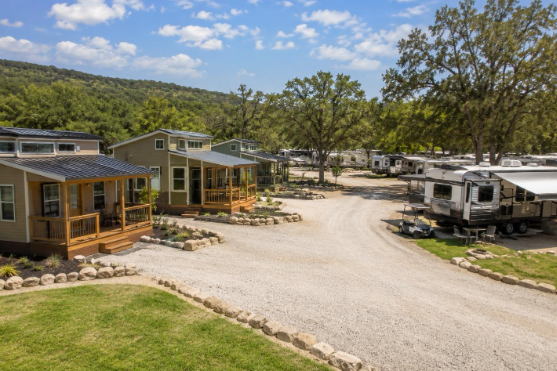
That is one reason slower family travel has gained attention in recent years. Places like Bandera, TX, appeal to families looking for a different pace. With its Hill Country scenery, river access, outdoor recreation, RV resorts, tiny home accommodations, local culture, and opportunities to spend time outdoors, it offers the kind of setting where families can focus less on rushing and more on simply being together.
Why Slower Travel Often Feels More Rewarding
Many families plan vacations with good intentions. They want to maximize their time away, see as much as possible, and create lasting memories. Somewhere along the way, though, the schedule becomes packed from morning until evening. The result can be surprisingly stressful. Children become tired. Parents spend more time managing logistics than enjoying the trip. Everyone is technically on vacation, but nobody feels particularly relaxed.
Slower travel works differently. Instead of trying to fit everything into a few days, families leave room for flexibility. They allow time for unplanned moments, quiet mornings, and activities that are enjoyable without being exhausting.
How the Right Environment Changes the Vacation Experience
Not every vacation destination encourages people to slow down. Some places are built around crowds, schedules, and constant activity. Others naturally create a different rhythm. Locations that offer outdoor spaces, comfortable accommodations, scenic surroundings, and room to spread out often encourage families to spend time together without feeling pressured to stay busy every hour. The environment itself becomes part of the experience.
That is one reason destinations such as Bandera TX, attract families interested in a more relaxed getaway. With options like Riverwalk RV Resort, travelers can focus on simple experiences, outdoor recreation, and quality time that unfolds naturally instead of building every day around attractions and reservations.
Families Spend More Time Together
One overlooked benefit of slowing down is that it creates more opportunities for actual conversation. At home, family members often move in different directions throughout the day. School, work, sports, errands, and digital distractions fill the schedule.
A slower vacation creates space for interaction that might otherwise be missed. Families sit together longer during meals. They spend more time outdoors. They have conversations without constantly checking the time.
Children Often Enjoy Simplicity More Than Expected
Parents sometimes feel pressure to fill vacations with entertainment. There is an assumption that children need constant activity to stay engaged. In reality, many children respond well to slower environments. They explore. They play outdoors. They notice things adults overlook. A trail, a creek, an open field, or even a simple game can hold their attention far longer than expected.
This does not mean attractions are unnecessary. They can be wonderful additions to a trip. It simply means that children often do not require nonstop stimulation to enjoy themselves. Sometimes they just need time and space.
Nature Encourages a Different Mindset
Outdoor environments tend to influence behavior in subtle ways. People walk more slowly. They spend less time staring at screens. They become more aware of their surroundings. This shift can be especially valuable for families. Daily life often revolves around technology, notifications, and schedules. While those things serve a purpose, they rarely create opportunities for relaxation.
Nature encourages a different pace. Families may spend time hiking, fishing, walking, or simply sitting outdoors. These activities are not necessarily exciting in the traditional sense. They are simply calming. That calmness is often what people are seeking without fully realizing it.
Flexibility Reduces Vacation Stress
Travel stress usually comes from expectations. A reservation runs late. Weather changes. Someone gets tired. Plans shift unexpectedly. When every hour of a trip is carefully scheduled, small disruptions can feel much larger than they actually are. Families may find themselves spending more energy managing problems than enjoying their surroundings.
Slower travel reduces this pressure. Flexible schedules make adjustments easier. A delayed activity does not ruin the day because the day was not built around one specific event. This approach creates room for spontaneity, which often leads to some of the most memorable moments during a trip.
Rest Is Often the Missing Ingredient
People talk about vacations as opportunities for rest, but many trips include surprisingly little actual rest. Long days, crowded attractions, and constant movement can leave travelers feeling drained by the time they return home. Slower getaways help address this problem. Rest means allowing time for activities that feel restorative rather than demanding. Reading outside, taking a walk, sitting by the water, or enjoying a slow breakfast all contribute to that experience. The value of these moments becomes clearer after returning home.
Travelers Are Prioritizing Experiences Differently
Travel habits have changed. Many families are becoming less interested in checking destinations off a list and more interested in how a trip actually feels. A slower vacation creates a sense of presence. People remember the atmosphere, the conversations, and the feeling of being together rather than rushing from one activity to another.
This shift reflects broader changes in how people view leisure time. Experiences are increasingly valued for the quality of the experience itself rather than the number of activities completed. That distinction matters more than it once did.
Meaningful Memories Usually Happen Naturally
Some of the strongest vacation memories arrive unexpectedly. They are rarely the moments that were carefully planned weeks in advance. A family might remember a sunset, a board game played during a rainy afternoon, or an evening spent talking outside long after dinner ended. These experiences often happen when there is enough time for them to happen. Slower travel creates those opportunities. Families often discover that the memories they value most come from the quiet parts of the trip rather than the busiest ones.
Modern life rewards speed. Families move from one responsibility to another with little time left over. Vacations offer a chance to step away from that pattern, even if only briefly. Slowing down during a family getaway does not mean avoiding adventure or excitement. It simply means creating balance. There is room for activities, but there is also room for rest, conversation, and connection.