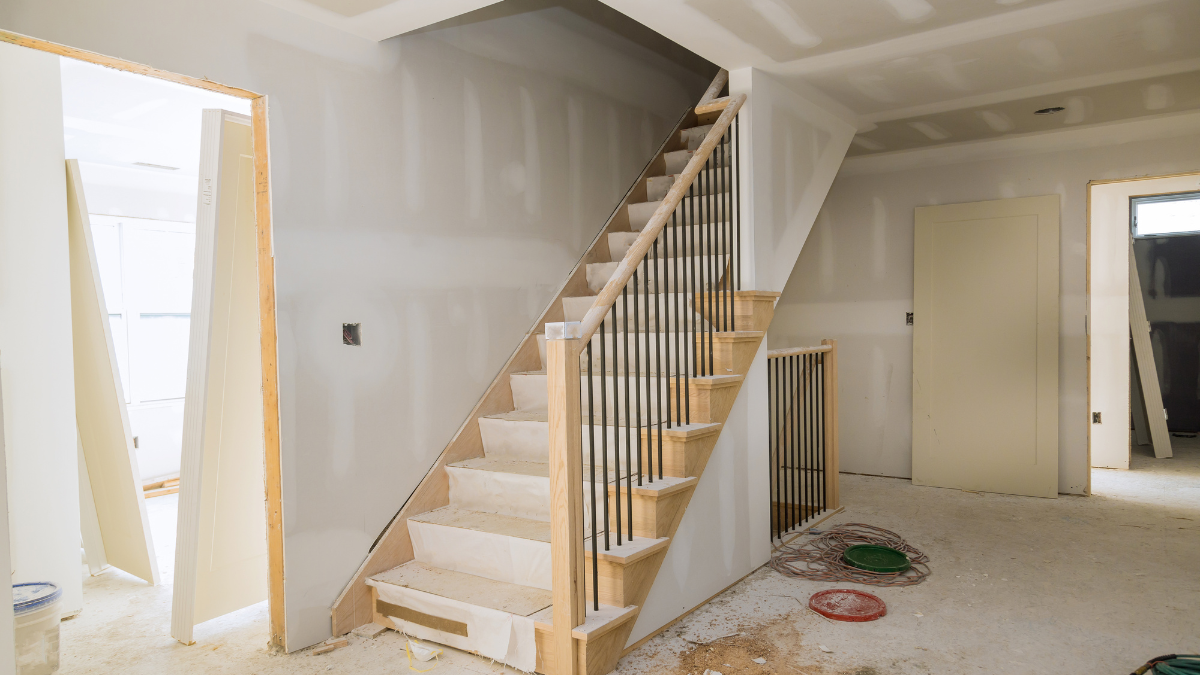
Staircase Renovation Details Most Homeowners Overlook: A Guide to Residential Railings, Materials, and the Brackets That Hold It All Together

by | Oct 13, 2026 | How To | 0 comments

Thirteen brackets. That is how many holes my neighbor patched in her stairwell wall after her first contractor guessed at spacing and got it wrong twice.

She had picked the perfect white oak treads, the exact stain she wanted, a gorgeous iron baluster pattern she found on a Tuesday night rabbit hole. What she had not thought about was the hardware holding the handrail to the wall, and that oversight cost her two extra weeks and a repaint of the entire stairwell. So here is the deal: your staircase renovation lives or dies on the boring parts. You’re going to get a plain language walkthrough of railing materials, staircase design choices, and the small mounting details that decide whether your stairs feel solid and finished or slightly off every single time you walk them.

By the end you’ll know how to size and space brackets correctly, which materials hold up in real houses, and the three plane check I use before anyone drills a single hole.

Why Railing Hardware Decides How Your Stairs Feel

A handrail is a lever. Push down on the middle of an unsupported span and you can feel every bit of flex travel back into the wall. Grab a handrail mounted on properly sized brackets and it feels like part of the house. Same wood, same finish, completely different experience.

That difference matters more than people realize. According to the Occupational Safety and Health Administration, stairways are consistently among the most common locations for workplace fall injuries, which is exactly why stair design codes exist in the first place. Your home isn’t a job site, but the same physics applies to a tired parent carrying a toddler down at 6 a.m.

Here’s my honest take after walking through a lot of half finished renovations: homeowners budget for what they can see and forget what they can feel. Railing hardware is a feel item. Nobody photographs it. Everybody notices it.

Bracket spacing rule of thumb: keep support points close enough that the rail cannot deflect under a firm downward push. When in doubt, add another bracket. Extra hardware is cheap compared to reopening a finished wall.

What Changes When You Mount a Rail to the Wall

Wall-mounted rails solve a specific problem. In narrow stairwells, a post at the bottom eats precious walking width and creates a spot to stub your toe. Bending the rail into the wall opens the run back up and reads cleaner in smaller homes.

It also raises the difficulty. You’re now depending on the wall assembly to carry load, and not every wall is built to do that without help. My rule is simple: figure out what’s behind the drywall before you order anything. A stud, a blocking plate, and hollow drywall are three different jobs.

This is where wall-mounted handrail brackets earn their place. Cast or machined brackets with a proper base flange spread the load across the wall surface instead of concentrating it on two screw heads. Cheap stamped brackets do the opposite, and you’ll feel it the first time someone leans going down.

One more thing people miss: the bracket has to match the rail profile. A round rail and a flat backed bracket will never sit flush, and that tiny gap is where wobble starts.

Residential Railing Materials, Ranked by Where They Belong

Material choice is really a question about the room, not the trend board. Here’s how I’d sort the common options for a house.

  • Painted wood: best value, easiest to touch up, and it disappears into a traditional stairwell. It dents, though, and kids find those dents.
  • Stained white oak: the current favorite for a reason. Hard enough to survive daily use and warm against almost any wall color.
  • Powder coated steel: great for modern runs and basement stairs. Cold to the touch in winter, which some people love and some hate.
  • Stainless and bronze: beautiful in coastal homes and glass railing setups. Higher cost, and fingerprints are a genuine maintenance item.

Online listings and product catalogs are overwhelmingly e-commerce, and that price pressure pushes buyers toward the cheapest finish, not the one that survives a decade of shoes and school bags. Architectural specification data from the Bureau of Labor Statistics tells a related story: the construction trades keep growing, and material and finish selection remains one of the skills that separates a careful installer from a fast one.

If I had to pick one material for a family home with a single staircase, I’d take stained white oak every time. It forgives, it ages well, and it doesn’t show every scuff the way painted white does.

The Three-Plane Check I Run Before Anyone Drills

This is the part most crews skip, and it’s the reason handrails end up sloped wrong or mounted at weird heights. Before a single hole gets drilled, I check three planes.

  1. Height plane: confirm the rail sits at a consistent height above the stair nosing line from the first step to the last. Mark it, don’t eyeball it.
  2. Slope plane: the rail has to run parallel to the pitch of the stairs. A rail that levels out near the top looks broken and feels worse.
  3. Wall plane: find your studs and mark them, then confirm the bracket bases land somewhere near one. If they don’t, plan blocking or proper anchors before you commit.

Do those three checks and your installation stops being guesswork. It becomes layout.

Small Renovation Upgrades That Punch Above Their Weight

You don’t need to replace the whole staircase to change how a hallway feels. Some options are worth the money and some aren’t.

Start with lighting. A second fixture or a warm LED strip along the stringer does more for perceived quality than almost anything else on this list, and it’s a weekend project. Next, deal with squeaks before you refinish anything. Fixing a loose tread after you’ve stained the wood means living with the damage or redoing the finish. And when the run is tight, an open riser design buys visual space without changing the footprint at all.

One upgrade I’d skip: ornate decorative brackets on every single step. It reads as busy, it’s a pain to clean, and fewer, better placed details almost always win. Restraint is the harder design choice.

If you’re planning a bigger renovation, the Department of Housing and Urban Development publishes guidance on residential rehabilitation that’s worth skimming before you sit down with a contractor, mostly so you know which questions to ask.

Frequently Missed Details, and Why They Cost You Later

A lot of stairwell problems trace back to five small decisions.

  • No blocking in the wall. The bracket gets anchored into drywall, and it fails quietly over months. Add blocking during framing or open the wall. There’s no shortcut.
  • Wrong bracket depth. Too shallow and your knuckles scrape the wall. Too deep and the rail floats away from the surface. Measure your hand clearance against the rail profile before ordering.
  • Ignoring where the stairs meet the landing. Transitions are where alignment errors get exposed. Mark both ends before you set a single bracket.
  • Mismatched finishes. Order hardware with your rail material in mind, not after. Returning hardware mid project stalls the whole job.
  • Skipping the final grab test. Walk the stairs and pull on the rail at every bracket. If anything moves, fix it now, while touch up paint is still on the shelf.

Where to Start This Weekend

Grab a tape measure and a flashlight and check your stud locations along the stairwell wall. Write down the rail profile, the wall type, and how many support points your run will need. That one page gives you everything you need to order hardware or have a real conversation with a contractor without getting talked past.

Staircase renovations reward the person who thinks about the boring parts first. So what’s behind your stairwell wall right now, and do you actually know?
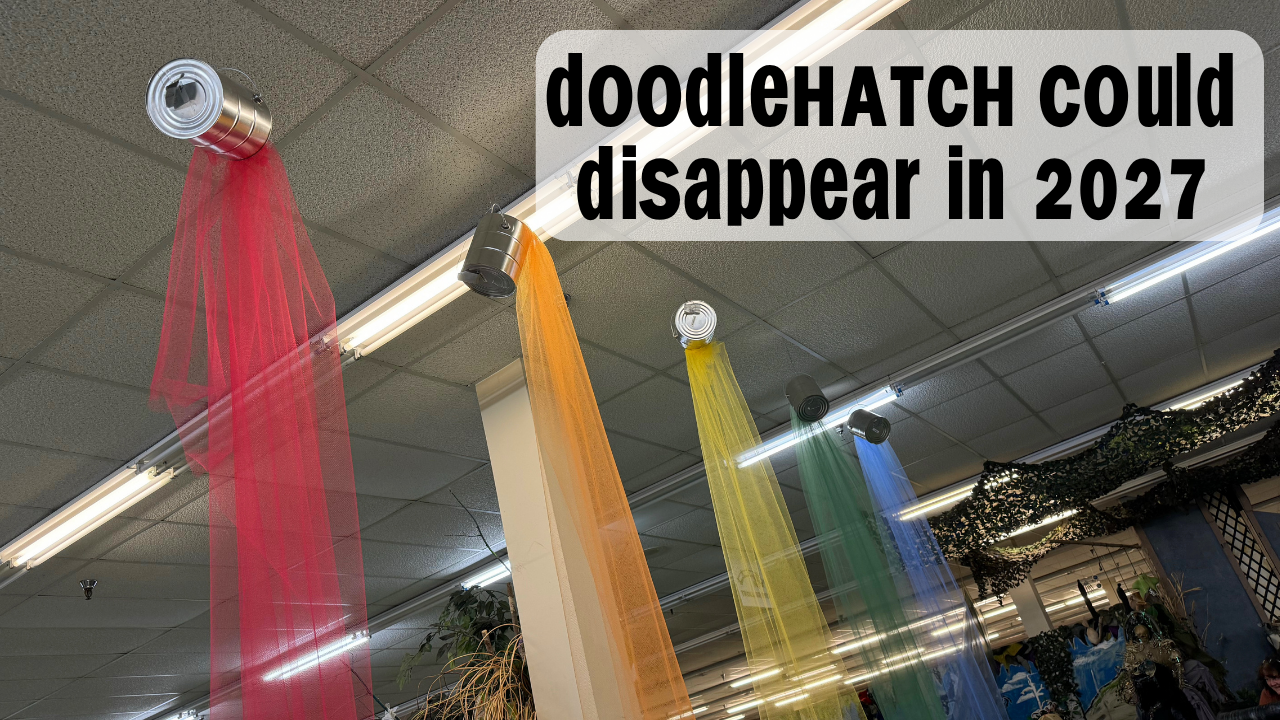
In Columbia, Maryland, there’s a former grocery store that has been transformed into a department store for mythical creatures, time travelers, and intergalactic tourists.

It’s called DoodleHATCH.

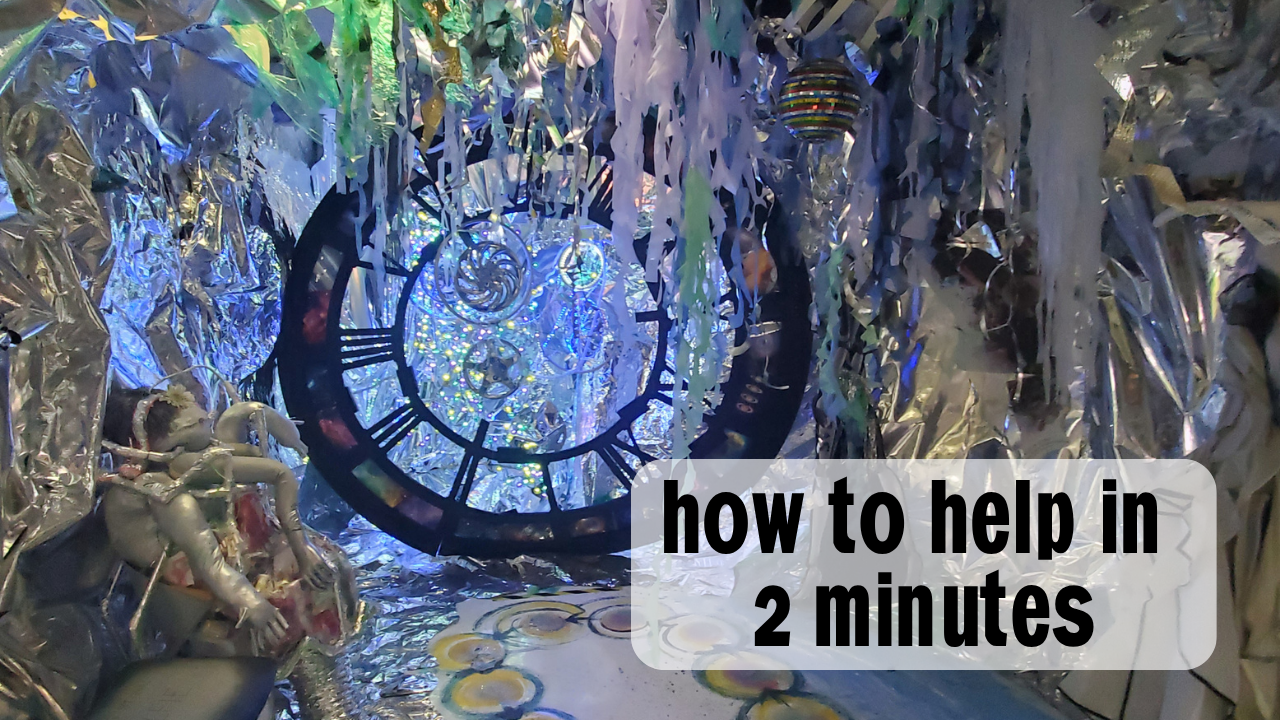
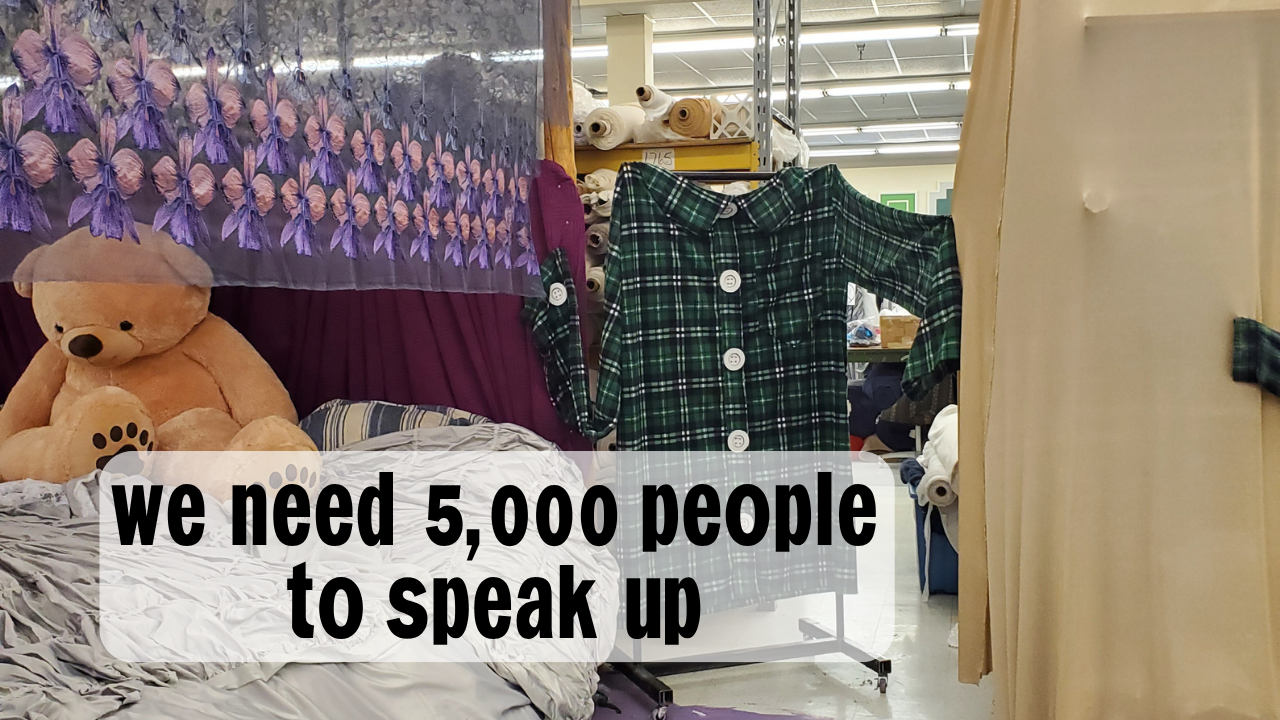
You can groom a unicorn, visit an intergalactic space station, climb onto a giant’s bed, meet guinea pigs, explore an artist’s studio, and discover approximately a million other things that somebody actually sat down and made.

It’s a nonprofit interactive art museum, a community project, an educational resource, and one of my favorite places I’ve ever discovered.

And it could be demolished as part of a proposed redevelopment of the Long Reach Village Center.

But there’s still an opportunity to help.

You don’t need to donate money. You don’t need to live in Maryland. And you don’t need to know anything about zoning laws.

You can start by writing an email.

🚨 Here's what's happening

Developer Columbia Concepts has proposed redeveloping the Long Reach Village Center in Columbia, Maryland.

The proposal would replace existing buildings with new housing, recreational facilities, and other development.

Unfortunately, that puts a whole collection of existing community resources at risk of being demolished, including:

  • DoodleHATCH Interactive Art Museum
  • Maryland Fashion Institute
  • A makerspace used for community education
  • Local restaurants, shops, and service businesses
  • Early childhood education and community programs
  • A 140-foot-long mural created by approximately 100 community members

This isn’t just about losing a fabulous museum. It’s about losing an entire collection of places that people have built, supported, and relied on.

And there’s another possibility!

🌈 Meet The REALM

Lee Andersen, the founder of DoodleHATCH, and her nonprofit ManneqART want to preserve the existing community resources and transform the village center into an arts and culture destination called The REALM.

Imagine a place where artists have studios, children have room to explore, students can learn creative skills, people can attend performances, and local businesses continue serving their neighbors.

There are plans for a performing arts space, more opportunities for artists, and a Witches Kitchen that might serve you a horrible-disgusting breakfast.

Which, personally, I think sounds promising.

The people behind DoodleHATCH are gathering support to oppose the developer’s zoning proposal and advocate for The REALM.

And they’d love your help.

💌 How to help in about two minutes

If you live in Howard County, Maryland

If you’re 18 or older, DoodleHATCH is asking eligible county residents to visit the museum and sign their petition in person.

📍DoodleHATCH Interactive Art Museum

8775 Cloudleap Court, Unit 101
Columbia, MD 21045

⏱️ Museum hours: Friday–Sunday, 10 AM–5 PM.

And while you’re there, I highly recommend exploring the museum. Bring someone who needs a reminder that being an adult doesn’t mean you have to stop enjoying ridiculous things.

If you don't live in Howard County

You can still help!

DoodleHATCH is collecting emails from people who oppose the proposed Columbia Concepts redevelopment and support preserving the existing arts and community resources through The REALM.

Send your email to: Lilou@DoodleHATCH.com

Suggested subject: Support The REALM | Oppose Columbia Concepts Zoning Proposal ZB 1132M

You can write your own message or use one of the templates below.

You don’t need to write an essay. A short, genuine message explaining what you support and why is enough to participate in this email campaign.

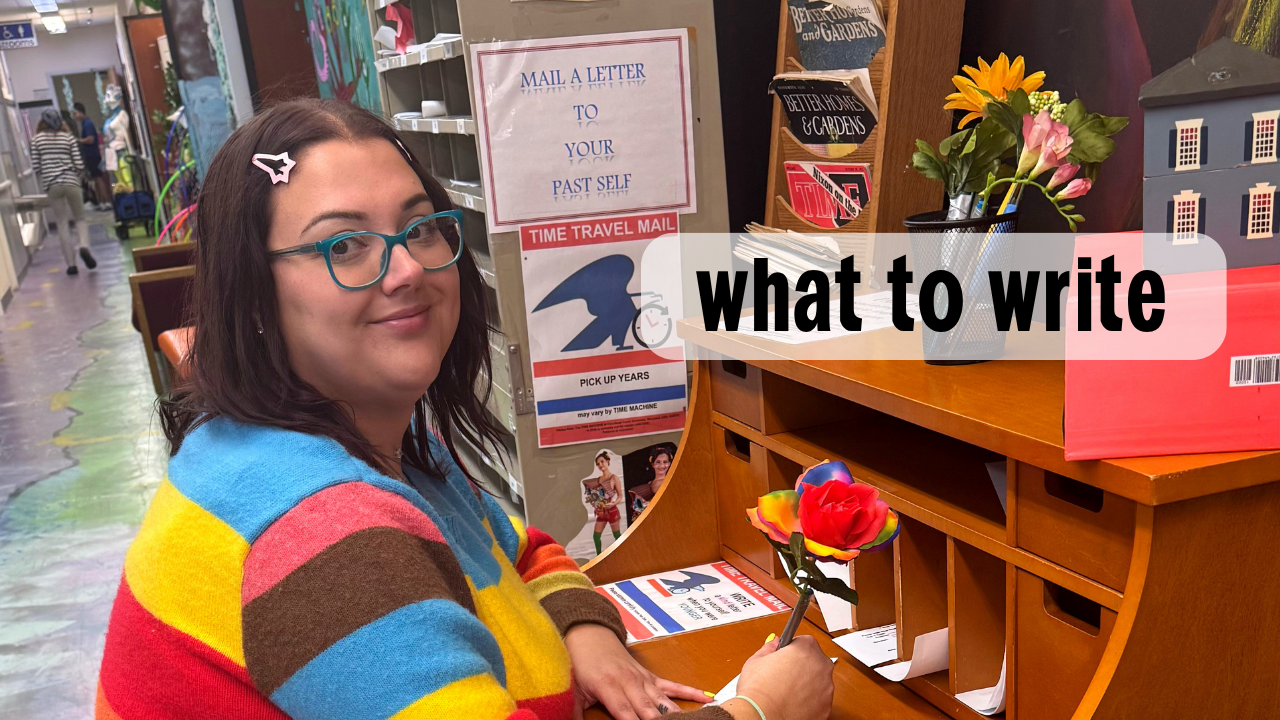
✍️ What should your email say?

To make your position clear, include these three things:

1. Say what you’re opposing.

State that you oppose the proposed Columbia Concepts redevelopment and zoning amendment for the Long Reach Village Center, case ZB 1132M.

2. Say what you’re supporting.

Express your support for preserving DoodleHATCH, the Maryland Fashion Institute, existing community resources, and the proposed arts and culture center called The REALM.

3. Explain why you care.

This is the part that makes your email yours.

Maybe you’ve visited DoodleHATCH. Maybe you’re a parent who wants more creative places for children. Maybe you’re an artist, an educator, or someone who thinks it’s important to protect the few spaces where people can explore and make things without needing to buy something.

Maybe you live across the country and just learned that there’s a department store for mythical creatures in Maryland, and you think the world would be a little less interesting without it.

That’s a perfectly good reason to care.

💌 Email templates you can copy

Option 1: Short, simple, and effective

Subject: Support The REALM | Oppose ZB 1132M

Hello,

I’m writing to express my opposition to the proposed Columbia Concepts zoning amendment and redevelopment of the Long Reach Village Center (ZB 1132M).

I support preserving DoodleHATCH, the Maryland Fashion Institute, and the existing community services and small businesses, as well as the proposal to create The REALM arts and culture center.

Creative and educational spaces like these provide valuable opportunities for families, artists, students, and the wider community. I believe they deserve to be protected.

Please include my email with the messages of support being collected for DoodleHATCH and The REALM.

Thank you,

[Your Name]
[Your City/State]

Option 2: For artists, creatives, and fellow merriment makers

Subject: Please Protect DoodleHATCH and Support The REALM

Hello,

I’m writing in opposition to Columbia Concepts’ proposed redevelopment and zoning amendment for the Long Reach Village Center (ZB 1132M), and in support of The REALM.

I believe communities need places where creativity, imagination, and play are actively encouraged.

DoodleHATCH is an extraordinary example of what can happen when artists and community members are given room to create something that doesn’t fit into an ordinary commercial space.

Places like this are rare. They encourage people of all ages to experiment, learn, explore, and connect with one another.

I support preserving DoodleHATCH, the Maryland Fashion Institute, the existing community resources, and the vision for The REALM.

Thank you for collecting these messages and advocating for the creative community.

[Your Name]
[Your City/State]

Option 3: For people who've visited DoodleHATCH

Subject: Please Save DoodleHATCH | Oppose ZB 1132M

Hello,

I’m writing to express my opposition to the proposed Columbia Concepts redevelopment and zoning amendment for the Long Reach Village Center (ZB 1132M), and my support for The REALM.

I’ve personally visited DoodleHATCH, and I want to share why I believe it’s worth preserving.

[Write two or three sentences about your experience. What did you see? Who did you bring? What surprised you? What made you want to return?]

DoodleHATCH is more than a collection of exhibits. It’s a place where creativity is something people can actively participate in, and I believe losing it would be a tremendous loss to the community.

I support preserving the museum, the Maryland Fashion Institute, and the other existing community resources through the proposed arts and culture center, The REALM.

Please include my email with the messages of support you’re collecting.

Thank you,

[Your Name]
[Your City/State]

A few tips before you hit send

DO:

  • Use your real name.

  • Include your city and state so organizers can understand where support is coming from.

  • Clearly identify the redevelopment proposal you’re opposing.

  • Specifically mention your support for The REALM.

  • Add a personal sentence or two if you can.

  • Be respectful, even if you’re frustrated.

  • Share this page with other people who might want to help.

DON’T:

  • Pretend to be a Howard County resident if you’re not.

  • Claim to have visited DoodleHATCH if you haven’t.

  • Make up experiences or information.

  • Send threatening, insulting, or harassing messages.

  • Assume your email is the same thing as signing the official petition.

  • Worry about making your message sound impressive. Clear and genuine is better than elaborate.

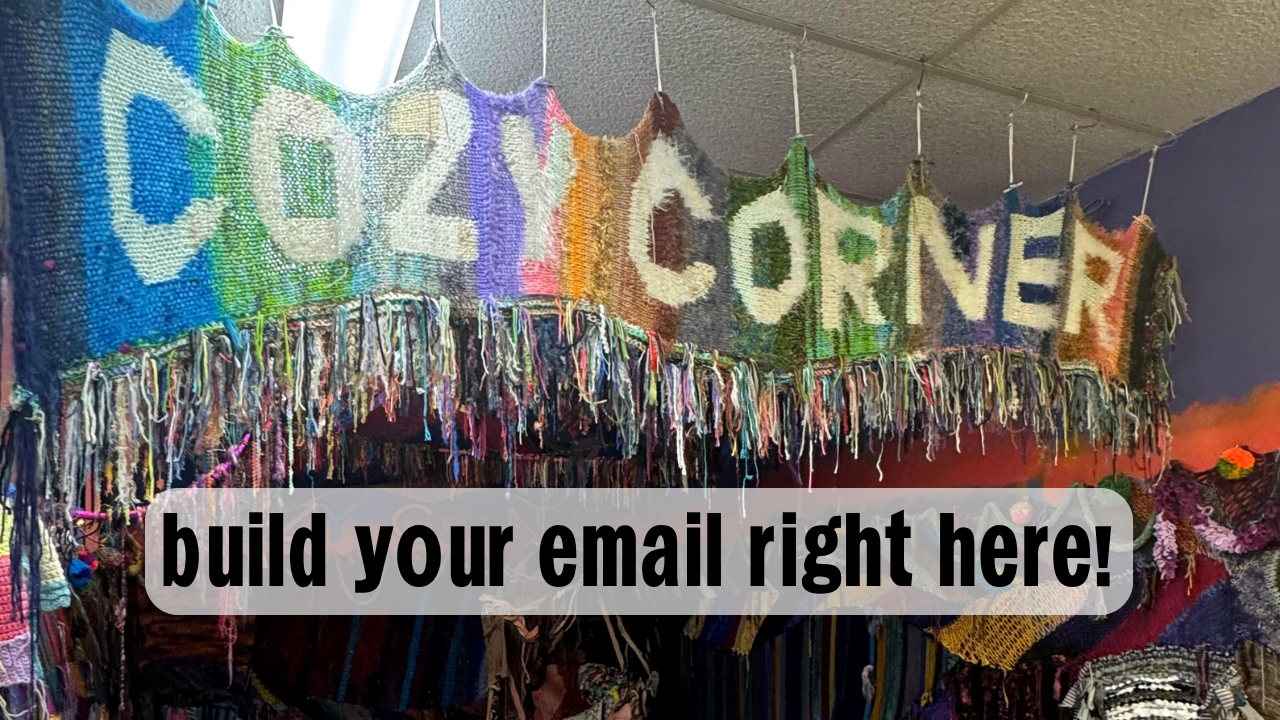
💌 The Save DoodleHATCH Email Machine

A few clicks, a little personality, and an email that helps support DoodleHATCH and The REALM. No account or signup required.

What's your connection to DoodleHATCH?
Why does protecting places like this matter to you?
✨ Your email preview
To: Lilou@DoodleHATCH.com
Subject:

Your information stays in your browser until you choose to copy or open the message. The email does not send automatically. Emails support DoodleHATCH's advocacy campaign; they are not the same as official petition signatures or zoning testimony. Please review the message before sending.

🐹 Wait. What exactly is DoodleHATCH?

I’m so glad you asked.

DoodleHATCH is an interactive art museum in Columbia, Maryland, created by artist, designer, and professional generator of wildly ambitious ideas, Lee Andersen.

The museum is designed as a pretend department store for mythological creatures, time travelers, and galactic tourists.

There are dozens of installations, and unlike most museums, you’re encouraged to touch things, explore, and participate.

There’s also an artist’s studio full of fabric and handmade garments, workshops, special events, birthday parties, free books, and opportunities for local artists to share their work.

The museum welcomes families and children, but adults are absolutely allowed to enjoy themselves, too.

And the woman behind it has spent decades bringing creativity into the community through fashion, festivals, education, and public art.

I discovered DoodleHATCH in 2020 and loved it so much that I started volunteering.

I’ve been back multiple times, and there are still things I haven’t seen.

That’s part of what makes it special. You can keep discovering things because people keep creating them.

You don't have to live near DoodleHATCH to care about it.

There are Merriment Makers everywhere.

People turning empty buildings into art spaces. People organizing parades. People teaching kids how to sew, paint, dance, or build things. People putting enormous amounts of time into projects that make their communities more interesting.

Sometimes they’re running nonprofits. Sometimes they’re working out of their garages. Sometimes they’re making something weird in a strip mall that you might drive past a hundred times without realizing what’s inside.

I hope you’ll help protect DoodleHATCH.

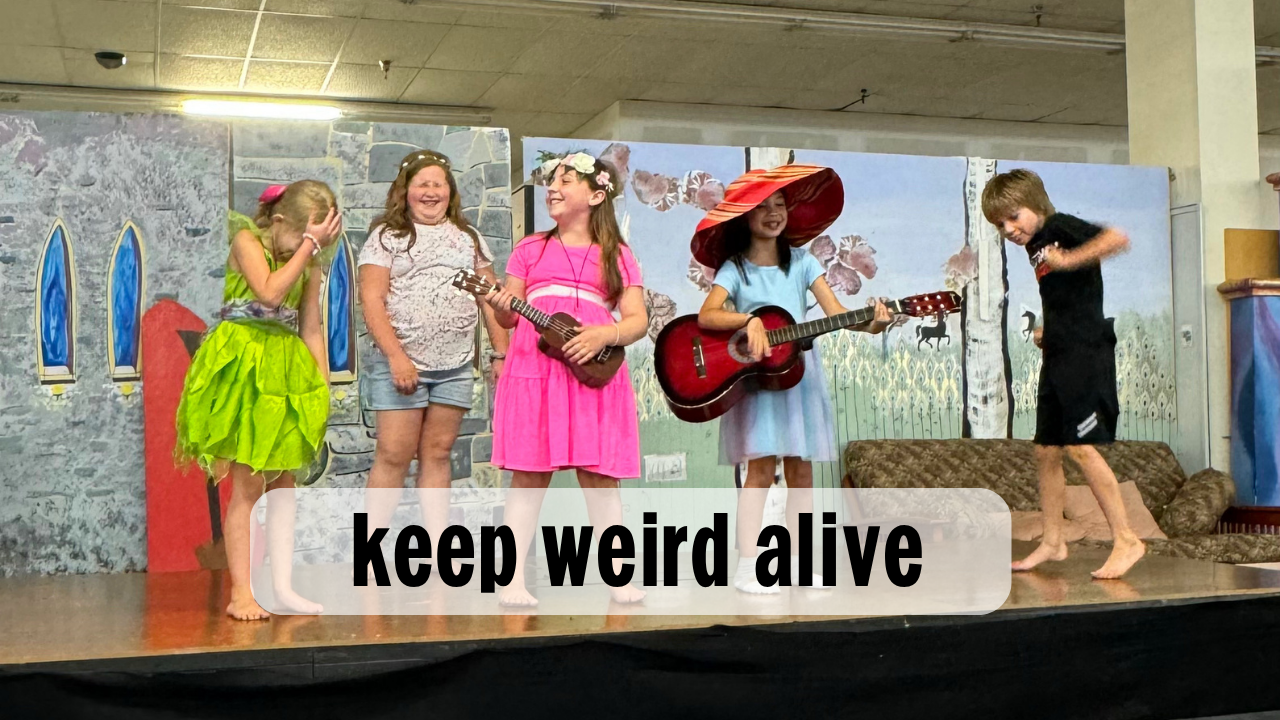
And I hope you’ll look around your own community, too. Visit the strange little museum. Go to the local art show. Find the person who makes giant puppets or organizes an absurd annual festival. Spend your money at the independent shop with the handmade things.

There are people everywhere creating reasons for us to be curious about being alive.

I’d like them to be able to keep doing that.

Help save DoodleHATCH. Help protect The REALM. Help keep the world interesting.

💌 Email: Lilou@DoodleHATCH.com

🌈 Visit: DoodleHATCH.com

🦄 Share: Uncustomary.org/Doodle