
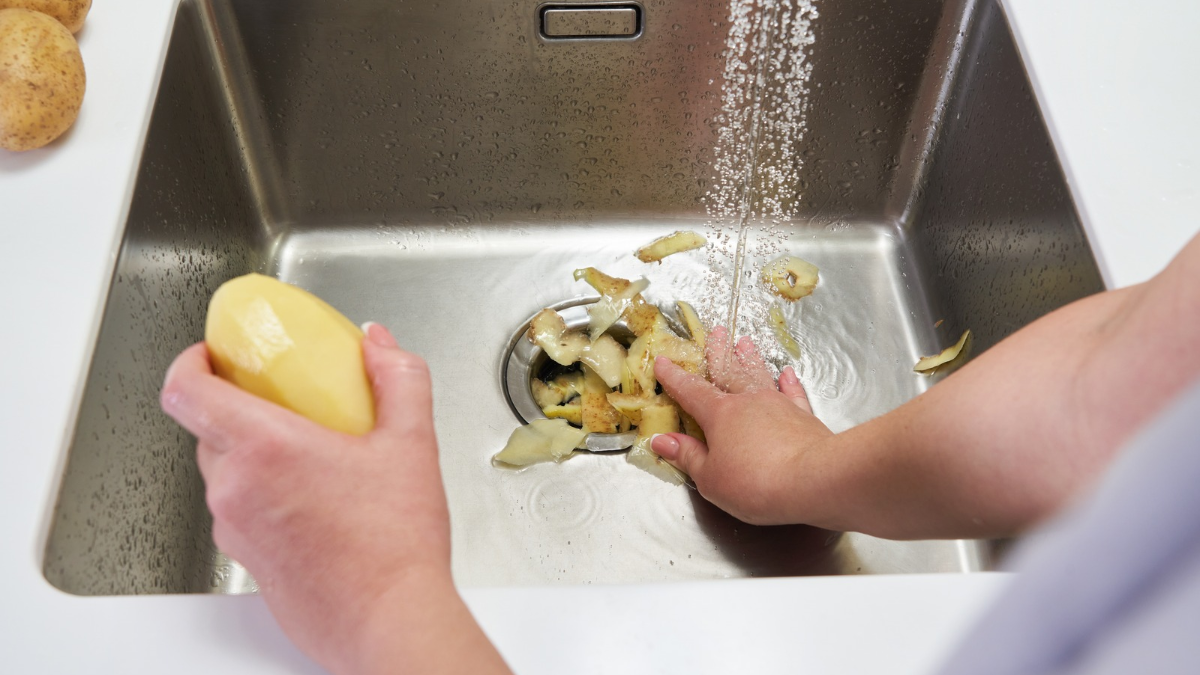
A kitchen sink can become the busiest corner of a home. It is where vegetables are rinsed, dishes are washed, leftovers are handled, and quick cleanup happens between meals. When the area is crowded or drains poorly, even simple tasks can feel like a chore. You do not need new countertops or a complete remodel to make it work better. Small, thoughtful changes can improve how the sink looks, how supplies are stored, and how food scraps are managed.
Whether refreshing a rental kitchen or making your own space easier to use, a few practical upgrades can turn an everyday work area into a more organized and comfortable part of your routine.
6 Simple Kitchen Sink Improvements to Consider
A more functional sink area often comes down to choosing the right accessories and making better use of the space. These small improvements can help simplify everyday kitchen tasks without requiring major renovation work.
1. Keep Cleaning Essentials Within Reach
Sponges, dish soap, brushes, and scrubbers can quickly clutter the countertop. A compact sink caddy or organizer helps keep these items together while freeing up surrounding space.
Look for holders with drainage holes so water does not collect around damp sponges. Removable organizers are also easier to clean regularly, helping prevent residue from accumulating. Choose a design that fits your sink without interfering with washing dishes or preparing food.
2. Replace an Old Faucet Aerator
A faucet aerator helps mix air into the water stream. If an existing aerator is clogged with mineral deposits or no longer works properly, replacing it with a compatible, water-efficient model may improve water flow and reduce water use.
Check the faucet’s specifications before purchasing a replacement. Aerators are not universally compatible, and the right option depends on the faucet’s design and water-flow requirements.
3. Choose a Better-Fitting Sink Strainer
A sink strainer catches food particles before they enter the drain, helping prevent unwanted debris from accumulating in the plumbing. It is particularly useful for households that do not have a garbage disposal.
Choose a strainer that fits securely and is easy to remove. Emptying it regularly and washing away trapped residue can help keep the drain area cleaner. A well-fitting strainer can also make food-scrap collection less messy during meal preparation.
4. Consider a Sink Garbage Disposal
A garbage disposal can be a useful kitchen improvement for households that want to manage suitable food scraps directly through the sink. It grinds compatible food waste into smaller particles that flow through the plumbing when operated correctly.
A sink garbage disposal can help make post-meal cleanup more convenient, particularly when rinsing dishes or preparing ingredients. Different models offer features such as grinding capabilities, sound-reduction technology, and varying motor specifications, so households can consider their needs before choosing one.
However, disposals are not designed for every type of food waste. Grease, oils, and unsuitable materials should not be put into the unit. Always follow the product’s operating and maintenance instructions, along with local wastewater guidelines.
5. Create a Dedicated Space for Food Scraps
Not every food scrap belongs in the drain, even when a garbage disposal is installed. A small, covered food-scrap container can help keep unsuitable waste off the sink surface while making it easier to collect scraps for composting or disposal.
Choose a container that is easy to empty and wash. Keeping it away from direct heat and emptying it regularly can also help reduce unpleasant odors. If you compost food scraps, the EPA’s guide to composting at home offers helpful information about managing suitable organic waste and setting up a composting system.
6. Organize Supplies Without Blocking Plumbing
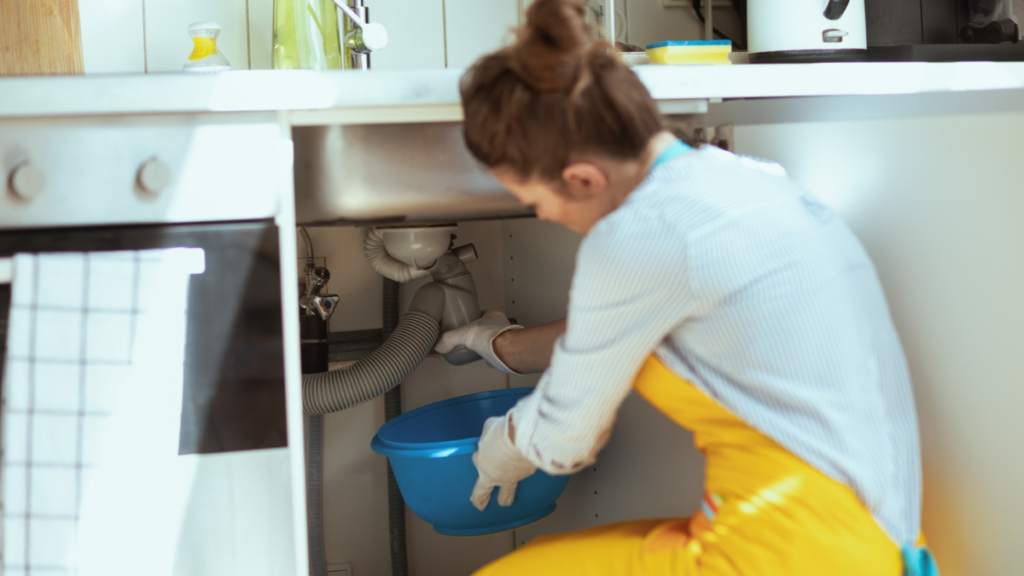
The cabinet beneath the sink often holds cleaning products, spare bags, and kitchen accessories. Stackable bins, small baskets, and pull-out organizers can help separate these items and make them easier to reach.
Before installing anything, make sure the arrangement does not obstruct pipes, connections, or access to plumbing. Check the cabinet occasionally for moisture or leaks, too. Keeping stored items organized makes it easier to notice potential problems and access the area when maintenance is needed.
Conclusion
A few thoughtful sink improvements can make everyday kitchen tasks easier without the expense of a full renovation. Better organization, suitable accessories, and convenient food-scrap management can help create a cleaner, more functional workspace. Start with the changes that address your daily frustrations, and build a setup that makes cooking and cleanup more enjoyable.
FAQs
How do I know which faucet aerator fits my kitchen faucet?
Check the faucet’s threading, size, and manufacturer specifications before buying an aerator, as different faucets require different fittings.
What material is best for a sink organizer?
Stainless steel, silicone, and durable plastic are common options, but the best choice depends on the sink layout, cleaning needs, and resistance to moisture.
Can a garbage disposal be installed in any kitchen sink?
Not necessarily. Compatibility depends on the sink opening, available space beneath the sink, plumbing connections, and electrical requirements.