

A more joyful life does not always require a major change. Small adjustments to your environment, routines, and attention can influence how a day feels without demanding a complete lifestyle overhaul.
The useful changes are usually the ones that reduce friction, create more room for things you enjoy, or make ordinary moments feel more personal. Instead of trying to optimize everything at once, start with one or two areas that consistently drain your energy.
1. Reduce One Source of Daily Friction
Pay attention to tasks that repeatedly make the day harder than they need to be.
Maybe the entryway is always cluttered, laundry piles up in the wrong place, or you spend ten minutes every morning looking for something you use daily.
Solve one of those problems with a practical system.
Move frequently used items closer to where you need them. Add a basket where clutter naturally collects. Prepare tomorrow’s essentials before bed.
Small systems work because they remove repeated irritation rather than relying on motivation.
2. Make Your Home Easier to Maintain
A home feels more relaxing when you are not constantly noticing unfinished chores.
Start by reducing the amount of cleaning that accumulates between sessions. Wipe kitchen counters after cooking, reset one room before bed, and deal with small spills immediately.
If cleaning regularly takes time away from rest, family activities, or other priorities, using a house cleaning service can also be a practical way to reduce the workload.
The goal is not a perfect home. It is creating an environment that requires less mental energy to manage.

3. Use a Short Daily Reset
A full cleaning or organization session is difficult to fit into every day. A ten-minute reset is much easier.
Choose one time, such as after dinner or before bed, and return the most visible areas to a functional state.
Put away loose items, clear one surface, load dishes, and prepare what you need for the next morning.
Keep the Reset Simple
- Return items to their usual places
- Clear one main surface
- Prepare clothes or work items
- Check tomorrow’s schedule
- Remove obvious trash
- Complete one unfinished two-minute task
Stop when the timer ends.
The purpose is to make tomorrow easier, not to start a late-night cleaning project.
4. Create Small Things to Look Forward To
Anticipation can make an ordinary week feel less repetitive.
You do not need a major vacation or expensive event. Schedule smaller experiences that are easy to repeat.
That might be trying a new coffee shop, watching a favorite movie on Friday night, taking a longer walk somewhere different, or making a meal you normally save for special occasions.
Put these activities on your calendar.
When enjoyable plans remain vague, routine obligations tend to take their place.
5. Change the Way You Use Your Phone
Phones can provide entertainment and connection, but they also interrupt attention constantly.
Instead of trying to dramatically reduce screen time overnight, change a few default behaviors.
Move distracting apps away from the home screen. Turn off notifications that do not require immediate action. Avoid carrying your phone from room to room when you are doing something you enjoy.
Create specific times for checking messages rather than responding to every vibration.
The goal is not to eliminate technology. It is to stop letting it determine where your attention goes.
6. Add More Personality to Everyday Spaces
Joy often comes from making ordinary surroundings feel more like your own.
You do not need to redesign an entire room. Change one small visual detail.
Display photographs you actually like, frame a child’s drawing, move a favorite object somewhere visible, or create a small wall of travel memories.
Personal objects are more meaningful when they represent a specific experience rather than simply filling empty space.
7. Turn Small Memories Into Physical Keepsakes
Digital photos and memories are easy 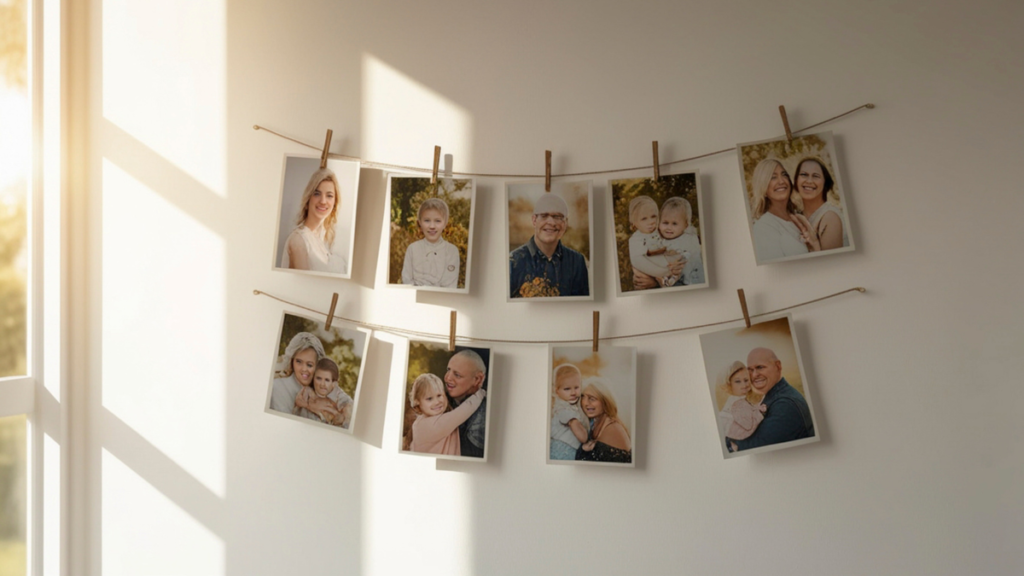 to collect but also easy to forget.
Turning a small memory into something physical can make it more visible in everyday life.
For example, custom patches can be designed around a trip, family joke, hobby, event, or favorite symbol and displayed as part of framed textile art, a memory board, or a shadow box.
A keepsake does not have to be expensive to matter. The personal reference is what gives it value.
8. Make One Routine More Enjoyable
Some routines cannot be removed, but they can be changed.
If you dislike folding laundry, listen to a podcast while doing it. If mornings feel rushed, prepare breakfast components the night before and give yourself ten extra minutes.
If your commute feels repetitive, create different playlists for different days.
Look at Repetitive Activities Such As
- Cooking
- Commuting
- Cleaning
- Exercising
- Grocery shopping
- Getting ready for work
- Evening routines
Ask what could make each one 10 percent easier or more enjoyable.
That question is usually more useful than trying to eliminate every boring task.
9. Spend More Time Outside
You do not need an elaborate outdoor routine to benefit from changing your environment.
Take a short walk after lunch, drink coffee outside, sit on the porch for ten minutes, or choose an outdoor route for a conversation with a friend.
Changing physical surroundings interrupts repetitive indoor patterns.
It can also create a natural boundary between work and personal time, especially if you work from home.
10. Make Social Plans More Specific
People often say they should see friends more frequently but never decide when.
Replace vague intentions with specific plans.
Instead of saying, “We should catch up sometime,” suggest a day, activity, and approximate time.
Small social activities are easier to organize than major gatherings.
Coffee, a walk, lunch, a shared hobby, or a short visit may be more realistic than waiting until everyone’s calendar is completely free.
11. Keep a Visible List of Things You Enjoy
It sounds unnecessary until you realize how easy it is to forget enjoyable options when you are tired.
Write down activities that reliably improve your mood.
Include very small things as well as bigger ones.
A list might contain reading outside, taking photographs, baking something simple, visiting a bookstore, organizing old photos, calling a friend, watching a comedy, or driving somewhere new.
Keep the list somewhere visible.
When you have free time, choose something from it instead of automatically opening another app.
12. Protect Small Blocks of Unscheduled Time
Not every hour needs a purpose.
A completely packed schedule can make even enjoyable activities feel like obligations.
Leave occasional gaps without assigning a task.
Thirty free minutes can be enough to read, sit outside, make something, call someone, or simply do nothing without feeling behind.
That space also makes routines more resilient when something unexpected takes longer than planned.
Focus on Changes You Can Repeat
The most useful lifestyle changes are usually small enough to maintain.
A ten-minute reset is more sustainable than reorganizing the entire house every weekend. One scheduled activity with a friend is more realistic than promising to become more social overnight.
Look for changes that reduce friction, create anticipation, protect your attention, and make your surroundings more personal.
Joy is rarely produced by one dramatic decision. More often, it grows from small choices that make ordinary days easier, more interesting, and more connected to the things you actually care about.