Shadows Are Part of the Lighting Plan: Use Darkness Deliberately Outdoors

by | Oct 1, 2026 | How To | 0 comments

Outdoor lighting is often discussed in terms of what should be illuminated.

The front walk needs light. A tree deserves emphasis. The entry should be visible. Architectural details may need definition after sunset.

That leaves out half of the nighttime picture.

Every illuminated surface creates a darker area beside, behind, or beyond it. Those shadows influence depth, contrast, comfort, and where the eye travels across the property.

Trying to eliminate all darkness usually does not create a better design. It can flatten the landscape, increase glare, and make individual features compete for attention.

A stronger plan decides where light belongs and where it should stop.

Darkness Gives Light Something to Work Against

A tree lit against another brightly illuminated surface may lose some of its visual strength.

Place that same tree against a darker background, and its shape becomes easier to read.

Contrast creates separation.

This does not require extreme brightness.

In fact, keeping nearby areas darker can allow a focal feature to stand out with less light.

Before adding another fixture, look at the darkness already surrounding the subject. It may be doing useful design work.

Do Not Treat Every Dark Area as a Failure

Some darkness is intentional.

A quiet planting bed between two illuminated features can provide visual rest. A darker section of lawn can create depth between the patio and trees farther away. An unlit portion of a wall may prevent the architecture from appearing uniformly flat.

The question is not simply, “Why is this area dark?”

Ask whether that darkness causes a functional problem or whether it supports the overall composition.

Those are very different situations.

Distinguish Useful Shadow From Unsafe Darkness

Deliberate darkness should never make movement confusing.

A decorative planting bed can remain subdued.

A change in elevation, stair edge, or active walking route requires different consideration.

Separate visual darkness from functional visibility.

The landscape does not need equal brightness everywhere, but people should still be able to understand where they are walking and where important transitions occur.

This allows darker areas to remain part of the design without sacrificing clarity along active routes.

Use Shadow to Reveal Texture

Light grazing across stone, brick, bark, or textured planting can create shadows within the material itself.

Those small shadows help reveal depth.

If the same surface is flooded evenly from straight ahead, some of that texture can disappear.

Fixture direction matters as much as brightness.

A beam arriving from one side can emphasize raised and recessed areas.

The resulting shadow is not a defect.

It is part of what makes the surface readable at night.

Trees Need Both Light and Dark Sides

Lighting a mature tree does not require making the entire canopy equally bright.

A tree with some illuminated branches and some darker sections often shows more shape than one covered in uniform light.

The dark areas separate limbs and create layers.

Consider what the tree looks like from the main viewing positions.

If every visible branch receives the same level of illumination, the canopy can lose dimensionality.

Allowing some sections to recede can make the overall form easier to understand.

Shadows Can Make a Small Property Feel Deeper

A property can appear visually compressed if every surface from the patio to the rear boundary is equally bright.

There is no strong separation between foreground and background.

Leaving a darker band between illuminated zones can change that.

A softly defined foreground followed by darkness and then a lit tree farther away gives the eye several distances to read.

The physical dimensions have not changed.

The nighttime perception has.

Watch Where Fixtures Cast Hard Shadows

Not every shadow is helpful.

A poorly positioned fixture may throw a large, distracting shadow of a railing, plant, or outdoor object across a wall.

That shadow can become more noticeable than the feature being illuminated.

Check walls and paved surfaces from normal viewing positions.

If a large unintended shape dominates the scene, the fixture angle may need adjustment.

Moving or re-aiming the light can often solve the issue without adding another fixture.

Avoid Layering So Much Light That Shadows Disappear

Adding fixtures one by one can gradually erase the contrast that made the original design appealing.

A tree light is added.

Then the nearby wall seems dark, so it gets another fixture.

Next the planting bed between them appears dark by comparison.

Eventually, the entire scene reaches roughly the same brightness.

That is usually a signal to reassess rather than continue adding light.

The design may need fewer competing illuminated surfaces, not another layer.

Create a Shadow Map Before Finalizing the Design

A useful nighttime plan can mark three conditions: areas that need clear functional visibility, areas intended to receive decorative light, and areas that should remain noticeably darker.

The brief sent to Astoria Lighting Co can include that shadow map so the unlit spaces are documented alongside the illuminated ones rather than being mistaken later for unfinished portions of the design.

This changes the conversation around darkness.

A dark area can now be intentional, named, and connected to the way the surrounding light is supposed to read.

Give Focal Points Darker Neighbors

If everything is emphasized, nothing feels like the focal point.

Choose which features deserve visual priority.

Then reduce competition nearby.

A sculptural tree may need darker planting around it.

An entry feature can stand out more clearly if adjacent wall surfaces remain subdued.

A textured column might read better when the flat wall beside it receives less light.

The surrounding darkness is effectively framing the brighter element.

That relationship is often more useful than increasing fixture output.

Watch Shadow Movement From Plant Growth

Landscape shadows change over time.

A young shrub may barely affect a beam.

Several years later, its growth can block part of the light or throw a much larger shadow across a path or wall.

Tree canopies change as branches extend.

Groundcover can hide low fixtures.

Review the nighttime scene as plants mature.

Aiming adjustments may be enough to restore the intended balance.

The original design should not be expected to remain visually identical while the landscape itself changes.

Consider Shadows From Several Viewing Angles

A shadow that looks subtle from the patio may appear large from inside the house.

The same tree can cast a different shape toward a driveway or neighboring part of the property.

Walk the important viewing positions after dark.

Look from seating areas, major windows, paths, and entrances.

The goal is not to make every angle identical.

It is to prevent one viewpoint from revealing distracting glare or an unintended shadow that was invisible from the original setup position.

Use Softer Transitions Between Bright and Dark Areas

A sudden change from a brightly illuminated surface to complete darkness can sometimes feel abrupt.

Layering can soften that transition without lighting everything.

A lower-intensity element can sit between the brightest feature and the darkest background.

Reflected light from a nearby surface may also provide enough visual connection.

The aim is not an even brightness gradient across the whole property.

It is simply to make the relationship between zones feel deliberate.

Check the Design After Your Eyes Adjust

Night vision changes after spending time outside.

A scene that initially appears too dark may become easier to read after several minutes.

This matters when evaluating whether more light is actually needed.

Stand in the space for a while before deciding.

Walk the main route.

Sit in the outdoor seating area.

Look toward the landscape from inside.

Once your eyes adjust, you may discover that areas you first wanted to brighten are already providing enough visual information.

Know Where the Lighting Should Stop

A good outdoor lighting plan needs boundaries.

Light should not spread automatically into every corner simply because a fixture can reach it.

Define where a beam belongs.

Watch for spill beyond the intended subject.

Keep quiet zones quiet where they serve no functional purpose at night.

This can also make individual fixtures easier to appreciate because each one has a clearer job.

Controlled darkness gives the property structure after sunset.

Design the Shadows as Carefully as the Light

Outdoor lighting is not a competition to remove darkness.

It is a way of deciding what should be visible, what should receive emphasis, and what can remain in the background.

Use shadows to create depth around trees, reveal texture, separate visual layers, and frame focal points. Protect walking routes from confusing darkness, but do not brighten every unused space merely because it is there.

Then review the finished scene from several positions and after your eyes have adjusted.

The strongest nighttime landscapes often contain plenty of darkness.

The difference is that the darkness looks deliberate.
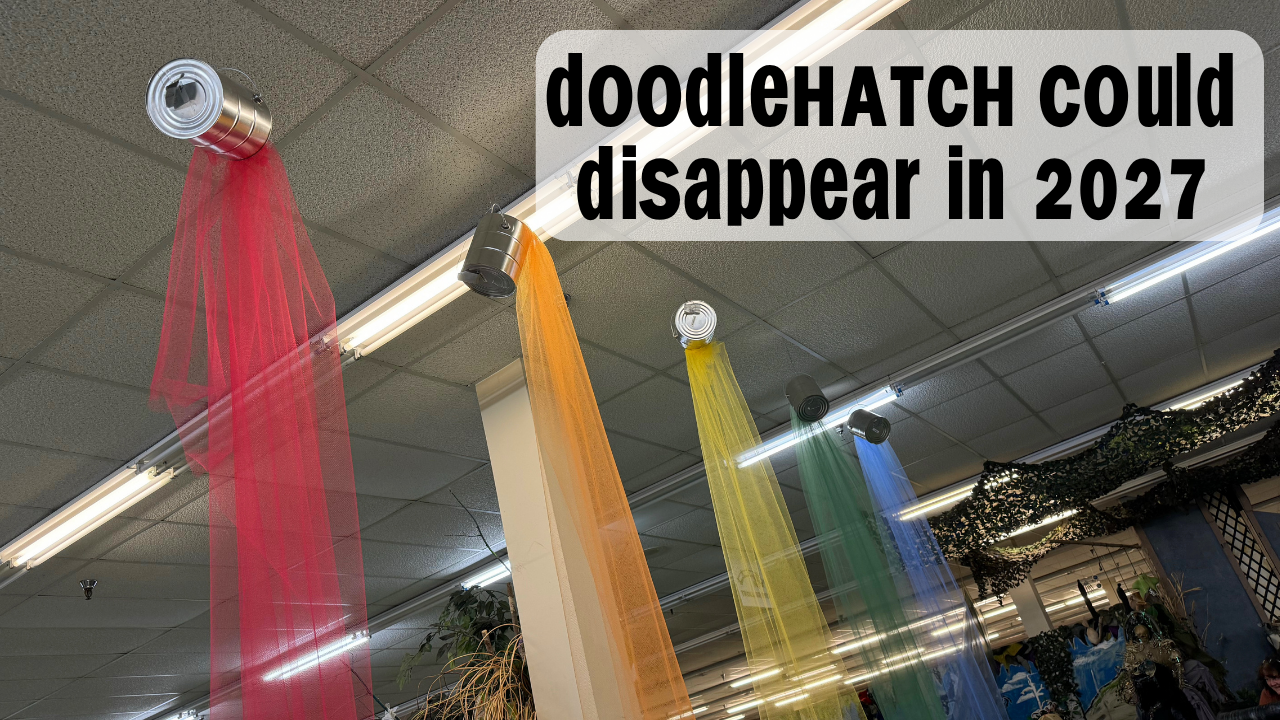
In Columbia, Maryland, there’s a former grocery store that has been transformed into a department store for mythical creatures, time travelers, and intergalactic tourists.

It’s called DoodleHATCH.

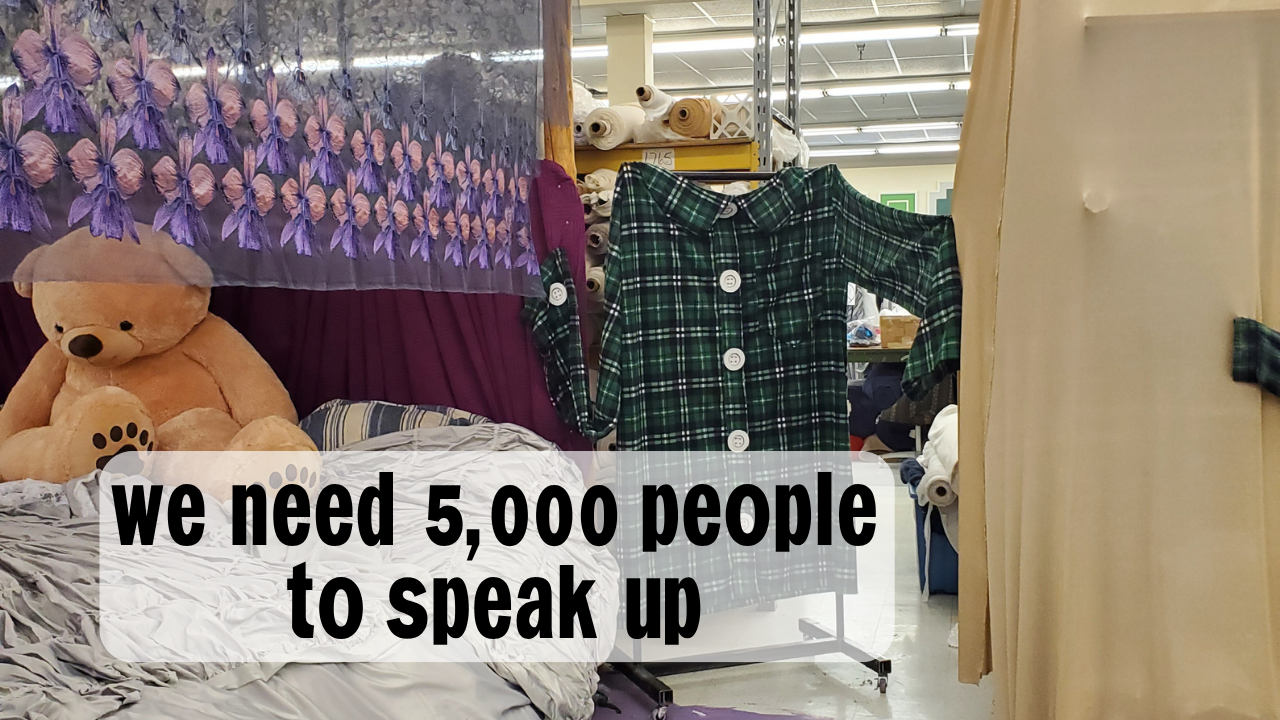
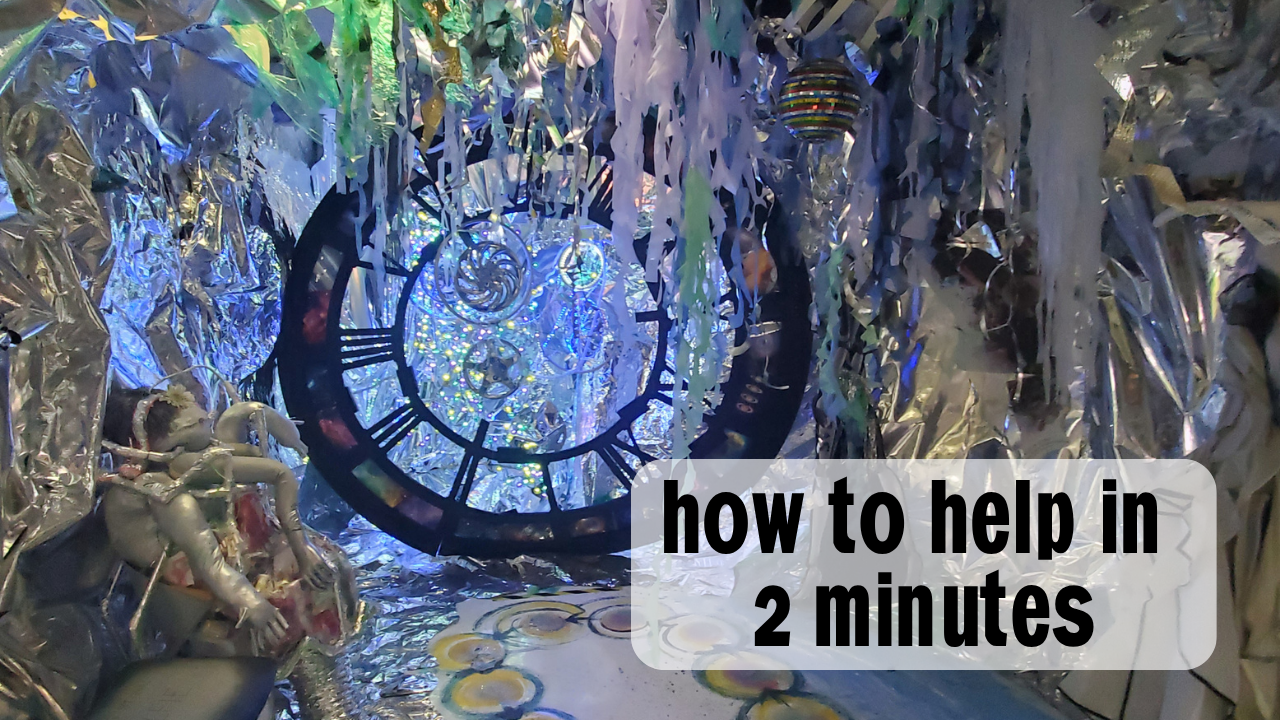
You can groom a unicorn, visit an intergalactic space station, climb onto a giant’s bed, meet guinea pigs, explore an artist’s studio, and discover approximately a million other things that somebody actually sat down and made.

It’s a nonprofit interactive art museum, a community project, an educational resource, and one of my favorite places I’ve ever discovered.

And it could be demolished as part of a proposed redevelopment of the Long Reach Village Center.

But there’s still an opportunity to help.

You don’t need to donate money. You don’t need to live in Maryland. And you don’t need to know anything about zoning laws.

You can start by writing an email.

🚨 Here's what's happening

Developer Columbia Concepts has proposed redeveloping the Long Reach Village Center in Columbia, Maryland.

The proposal would replace existing buildings with new housing, recreational facilities, and other development.

Unfortunately, that puts a whole collection of existing community resources at risk of being demolished, including:

  • DoodleHATCH Interactive Art Museum
  • Maryland Fashion Institute
  • A makerspace used for community education
  • Local restaurants, shops, and service businesses
  • Early childhood education and community programs
  • A 140-foot-long mural created by approximately 100 community members

This isn’t just about losing a fabulous museum. It’s about losing an entire collection of places that people have built, supported, and relied on.

And there’s another possibility!

🌈 Meet The REALM

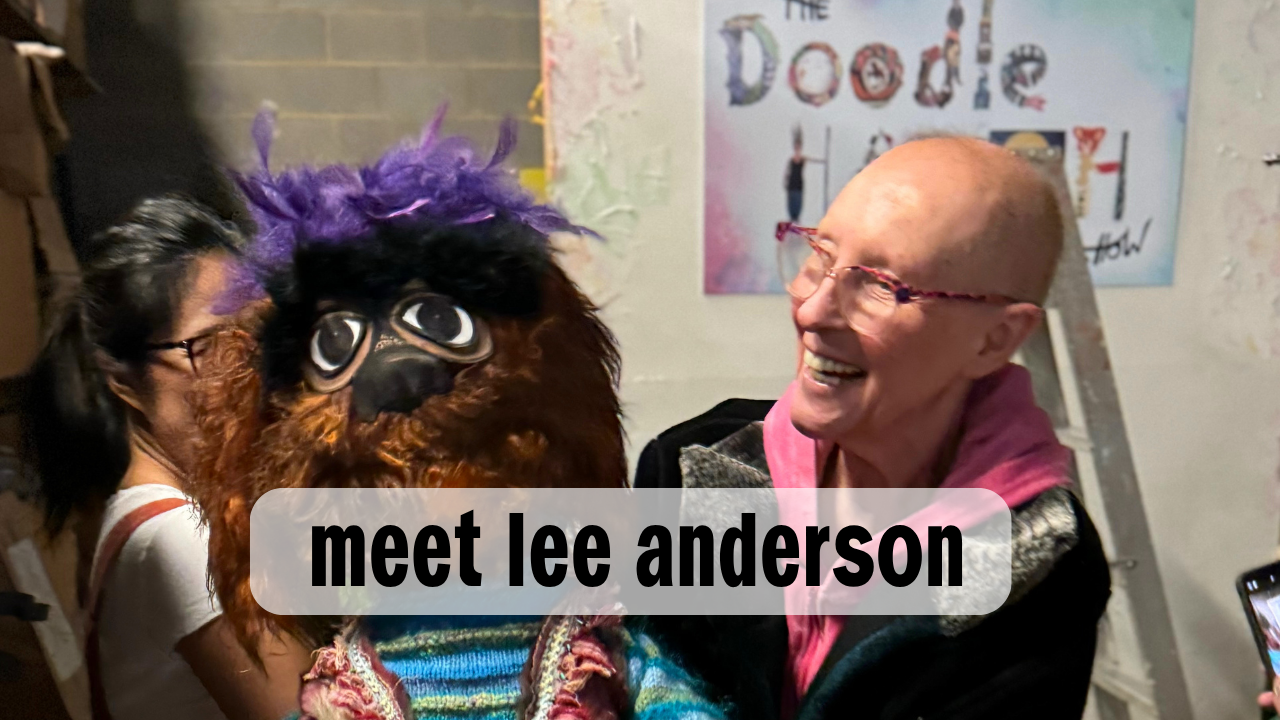
Lee Andersen, the founder of DoodleHATCH, and her nonprofit ManneqART want to preserve the existing community resources and transform the village center into an arts and culture destination called The REALM.

Imagine a place where artists have studios, children have room to explore, students can learn creative skills, people can attend performances, and local businesses continue serving their neighbors.

There are plans for a performing arts space, more opportunities for artists, and a Witches Kitchen that might serve you a horrible-disgusting breakfast.

Which, personally, I think sounds promising.

The people behind DoodleHATCH are gathering support to oppose the developer’s zoning proposal and advocate for The REALM.

And they’d love your help.

💌 How to help in about two minutes

If you live in Howard County, Maryland

If you’re 18 or older, DoodleHATCH is asking eligible county residents to visit the museum and sign their petition in person.

📍DoodleHATCH Interactive Art Museum

8775 Cloudleap Court, Unit 101
Columbia, MD 21045

⏱️ Museum hours: Friday–Sunday, 10 AM–5 PM.

And while you’re there, I highly recommend exploring the museum. Bring someone who needs a reminder that being an adult doesn’t mean you have to stop enjoying ridiculous things.

If you don't live in Howard County

You can still help!

DoodleHATCH is collecting emails from people who oppose the proposed Columbia Concepts redevelopment and support preserving the existing arts and community resources through The REALM.

Send your email to: Lilou@DoodleHATCH.com

Suggested subject: Support The REALM | Oppose Columbia Concepts Zoning Proposal ZB 1132M

You can write your own message or use one of the templates below.

You don’t need to write an essay. A short, genuine message explaining what you support and why is enough to participate in this email campaign.

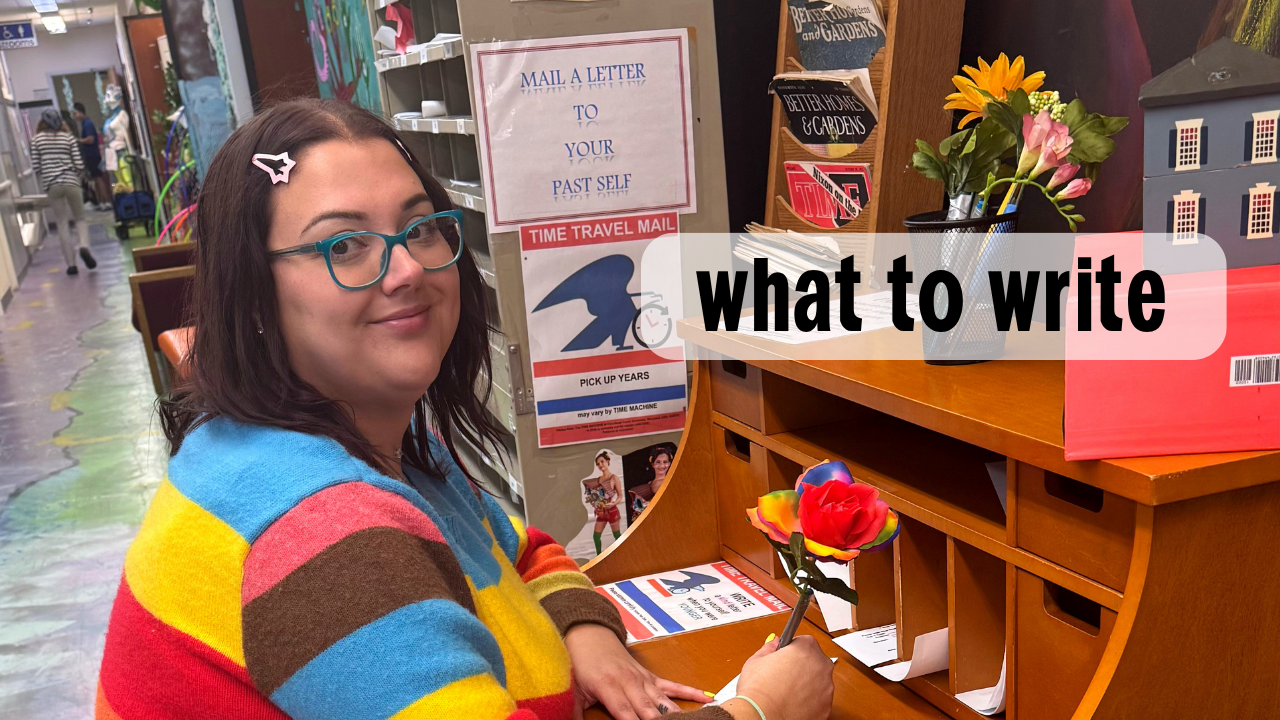
✍️ What should your email say?

To make your position clear, include these three things:

1. Say what you’re opposing.

State that you oppose the proposed Columbia Concepts redevelopment and zoning amendment for the Long Reach Village Center, case ZB 1132M.

2. Say what you’re supporting.

Express your support for preserving DoodleHATCH, the Maryland Fashion Institute, existing community resources, and the proposed arts and culture center called The REALM.

3. Explain why you care.

This is the part that makes your email yours.

Maybe you’ve visited DoodleHATCH. Maybe you’re a parent who wants more creative places for children. Maybe you’re an artist, an educator, or someone who thinks it’s important to protect the few spaces where people can explore and make things without needing to buy something.

Maybe you live across the country and just learned that there’s a department store for mythical creatures in Maryland, and you think the world would be a little less interesting without it.

That’s a perfectly good reason to care.

💌 Email templates you can copy

Option 1: Short, simple, and effective

Subject: Support The REALM | Oppose ZB 1132M

Hello,

I’m writing to express my opposition to the proposed Columbia Concepts zoning amendment and redevelopment of the Long Reach Village Center (ZB 1132M).

I support preserving DoodleHATCH, the Maryland Fashion Institute, and the existing community services and small businesses, as well as the proposal to create The REALM arts and culture center.

Creative and educational spaces like these provide valuable opportunities for families, artists, students, and the wider community. I believe they deserve to be protected.

Please include my email with the messages of support being collected for DoodleHATCH and The REALM.

Thank you,

[Your Name]
[Your City/State]

Option 2: For artists, creatives, and fellow merriment makers

Subject: Please Protect DoodleHATCH and Support The REALM

Hello,

I’m writing in opposition to Columbia Concepts’ proposed redevelopment and zoning amendment for the Long Reach Village Center (ZB 1132M), and in support of The REALM.

I believe communities need places where creativity, imagination, and play are actively encouraged.

DoodleHATCH is an extraordinary example of what can happen when artists and community members are given room to create something that doesn’t fit into an ordinary commercial space.

Places like this are rare. They encourage people of all ages to experiment, learn, explore, and connect with one another.

I support preserving DoodleHATCH, the Maryland Fashion Institute, the existing community resources, and the vision for The REALM.

Thank you for collecting these messages and advocating for the creative community.

[Your Name]
[Your City/State]

Option 3: For people who've visited DoodleHATCH

Subject: Please Save DoodleHATCH | Oppose ZB 1132M

Hello,

I’m writing to express my opposition to the proposed Columbia Concepts redevelopment and zoning amendment for the Long Reach Village Center (ZB 1132M), and my support for The REALM.

I’ve personally visited DoodleHATCH, and I want to share why I believe it’s worth preserving.

[Write two or three sentences about your experience. What did you see? Who did you bring? What surprised you? What made you want to return?]

DoodleHATCH is more than a collection of exhibits. It’s a place where creativity is something people can actively participate in, and I believe losing it would be a tremendous loss to the community.

I support preserving the museum, the Maryland Fashion Institute, and the other existing community resources through the proposed arts and culture center, The REALM.

Please include my email with the messages of support you’re collecting.

Thank you,

[Your Name]
[Your City/State]

A few tips before you hit send

DO:

  • Use your real name.

  • Include your city and state so organizers can understand where support is coming from.

  • Clearly identify the redevelopment proposal you’re opposing.

  • Specifically mention your support for The REALM.

  • Add a personal sentence or two if you can.

  • Be respectful, even if you’re frustrated.

  • Share this page with other people who might want to help.

DON’T:

  • Pretend to be a Howard County resident if you’re not.

  • Claim to have visited DoodleHATCH if you haven’t.

  • Make up experiences or information.

  • Send threatening, insulting, or harassing messages.

  • Assume your email is the same thing as signing the official petition.

  • Worry about making your message sound impressive. Clear and genuine is better than elaborate.

💌 The Save DoodleHATCH Email Machine

A few clicks, a little personality, and an email that helps support DoodleHATCH and The REALM. No account or signup required.

What's your connection to DoodleHATCH?
Why does protecting places like this matter to you?
✨ Your email preview
To: Lilou@DoodleHATCH.com
Subject:

Your information stays in your browser until you choose to copy or open the message. The email does not send automatically. Emails support DoodleHATCH's advocacy campaign; they are not the same as official petition signatures or zoning testimony. Please review the message before sending.

🐹 Wait. What exactly is DoodleHATCH?

I’m so glad you asked.

DoodleHATCH is an interactive art museum in Columbia, Maryland, created by artist, designer, and professional generator of wildly ambitious ideas, Lee Andersen.

The museum is designed as a pretend department store for mythological creatures, time travelers, and galactic tourists.

There are dozens of installations, and unlike most museums, you’re encouraged to touch things, explore, and participate.

There’s also an artist’s studio full of fabric and handmade garments, workshops, special events, birthday parties, free books, and opportunities for local artists to share their work.

The museum welcomes families and children, but adults are absolutely allowed to enjoy themselves, too.

And the woman behind it has spent decades bringing creativity into the community through fashion, festivals, education, and public art.

I discovered DoodleHATCH in 2020 and loved it so much that I started volunteering.

I’ve been back multiple times, and there are still things I haven’t seen.

That’s part of what makes it special. You can keep discovering things because people keep creating them.

You don't have to live near DoodleHATCH to care about it.

There are Merriment Makers everywhere.

People turning empty buildings into art spaces. People organizing parades. People teaching kids how to sew, paint, dance, or build things. People putting enormous amounts of time into projects that make their communities more interesting.

Sometimes they’re running nonprofits. Sometimes they’re working out of their garages. Sometimes they’re making something weird in a strip mall that you might drive past a hundred times without realizing what’s inside.

I hope you’ll help protect DoodleHATCH.

And I hope you’ll look around your own community, too. Visit the strange little museum. Go to the local art show. Find the person who makes giant puppets or organizes an absurd annual festival. Spend your money at the independent shop with the handmade things.

There are people everywhere creating reasons for us to be curious about being alive.

I’d like them to be able to keep doing that.

Help save DoodleHATCH. Help protect The REALM. Help keep the world interesting.

💌 Email: Lilou@DoodleHATCH.com

🌈 Visit: DoodleHATCH.com

🦄 Share: Uncustomary.org/Doodle