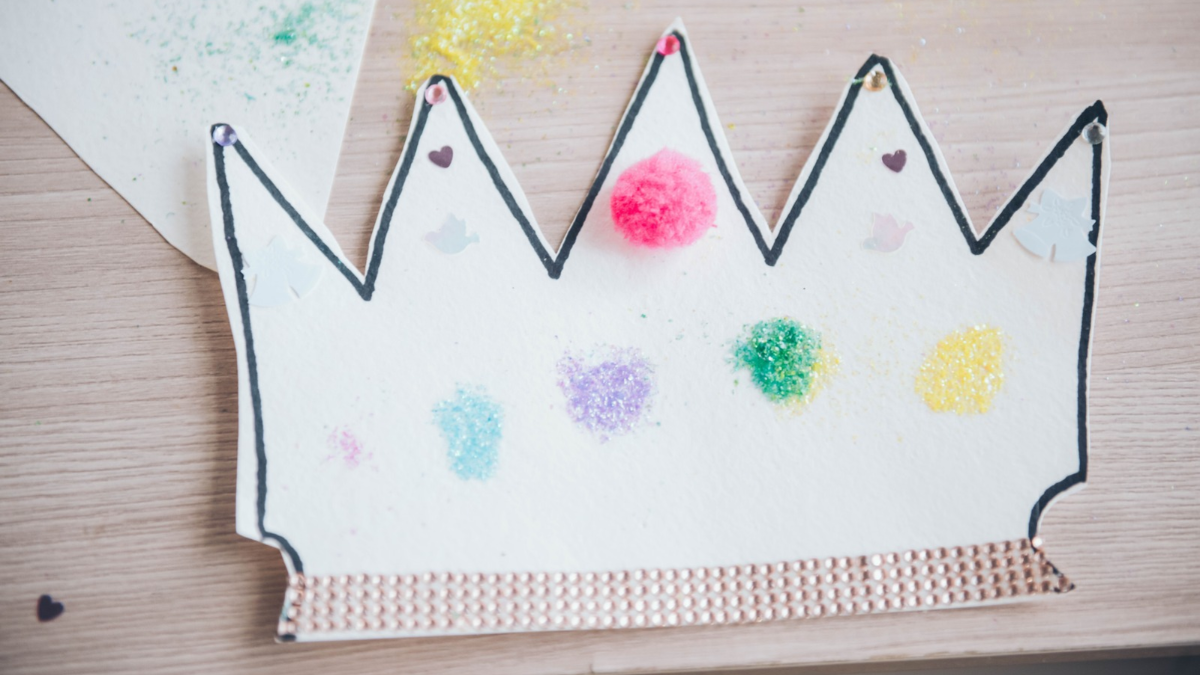
A paper crown is waiting at a bus stop. It is too small for anyone standing there, slightly crooked, and bright yellow against the grey bench. For a playful short film, I would let that absurd little object become the main character. Its journey would be simple: leave the bench, travel past a few ordinary places, and arrive beside another handmade crown. The entire story could fit into forty seconds without a line of dialogue.
My imagined project would begin with a crown folded from scrap paper, photographed on a plain surface. The appeal of seedance 3.0 here is the possibility of turning that particular handmade object into a moving character while combining text, image, video, and audio references. I would preserve the uneven fold and tiny pencil star. Those imperfections give the crown a personality that a flawless generic prop would lack.
I would frame the film as a small creative invitation, not a claim that making a video can fix a difficult day. The invitation is simply to notice something ordinary and imagine it behaving differently. A paper object waiting patiently for transport is enough. There is no need to give it a grand destiny, explain a moral, or turn every shot into a motivational slogan.
Make one object worth following
Before any generation, I would take a clear reference photograph with soft light and enough contrast to show the folded edges. The crown would have five points and one visible pencil star. I would keep that same view available while reviewing the clips. If its color or shape changes too much, the little traveller may stop feeling like the same character. Consistency matters more here than elaborate scenery.
The opening seedance 3.0 brief would describe a yellow paper crown resting on a bus stop bench, a fixed low camera, and a light breeze that makes one point tremble. That tiny movement would come before the crown moves anywhere. I want viewers to notice the object and wonder whether it is alive. A dramatic leap in the first second would spend the surprise too quickly and leave less room for the gentler joke.
I would avoid recognizable transit branding or a real timetable in this invented scene. The bench and shelter can suggest the setting without pretending to document a particular location. A simple background also gives the crown’s silhouette room to stand out. The visual world should feel familiar enough to understand but slightly theatrical, like a miniature stage placed inside an ordinary afternoon.
Let the journey stay delightfully modest
The next location would be a shallow puddle beside a curb. The crown would stop at the edge, lean forward, and find its reflection. I would not ask for several complicated actions in one clip. First comes the approach, then a separate close view of the reflection. In the edit, a short pause between them can suggest curiosity without requiring a generated face or a pair of eyes.
A reference video could show the slow, slightly hesitant motion I want: perhaps a hand moving a plain paper object across a tabletop during planning. Its job would be to communicate timing, not to appear in the final film. In seedance 3.0, the crown photograph would establish the character, while the text brief and movement reference would shape how it travels. I would keep those roles distinct when deciding which material to include.
After the puddle, the crown would pass a large flowerpot. From its low point of view, one fallen petal could look like a generous picnic blanket. That is the middle joke: the world has not become magical in a spectacular way, but a small change in scale makes familiar things feel new. I would let the crown settle beside the petal for a moment before continuing toward the final meeting.
Keep the handmade edges in the revision
Suppose a first seedance 3.0 draft turns the paper crown into polished gold. The result might be attractive, but it would lose the scrap paper character that started the story. My revision would emphasize matte yellow paper, visible folds, and a pencil mark, then reduce any lighting language that suggests shiny metal. I would compare the first and last frames against the reference instead of judging only the most flattering moment in the middle.
A seedance 3.0 clip could also make the crown glide too smoothly. For this character, a little hesitation is useful. I would try a shorter movement with a slight tilt, then hold on the still object before the next cut. If the generated motion remains wrong, a simpler shot can work better: the crown resting at one side of the puddle, followed by a cut to its new position. The audience can supply the tiny journey between them.
I would protect the pencil star during this process, but I would not make the story depend on reading tiny text. Any title or closing invitation would be added later in the editor. The character should remain understandable on a small phone screen, where delicate markings may disappear. Its yellow color, folded shape, and patient rhythm are the stronger visual clues.
Give the crown a sound of its own
For sound, I would start with a gentle paper rustle and a few light wooden taps. A short original audio reference could suggest the intended pace of a passage, while the final soundtrack would be assembled separately. I would leave the bus stop nearly quiet, add a small watery sound at the puddle, and bring in a soft musical phrase only when the crown reaches the flowerpot. Each location would gain a little character without becoming noisy.
The seedance 3.0 sequence would not need a narrator explaining why the crown feels lonely or happy. That would pin down a story that works better with room for interpretation. A pause, a tilt, and the distance between two objects can carry enough emotion for such a brief film. I would watch the draft without music first, then add sound only where it strengthens an action that is already visible.
A meeting instead of a moral
The ending would reveal a second paper crown, this one made from a different color of scrap paper, resting on a low wall. I would cut from the yellow crown approaching to a wider view of the two together. Neither needs to dance or embrace. A slight shared movement in the breeze can be enough. The last image would hold for a beat, giving the viewer time to enjoy the improbable pair.
For the finished seedance 3.0 film, I would add a short opening label identifying it as an imagined paper adventure and a quiet closing line inviting viewers to make a tiny character of their own. The result should remain a playful piece of video craft, with a beginning, a few discoveries, and a satisfying arrival. Its scale is the point: one scrap of paper, one small idea, and a little attention to what happens next.