
Planning a Silage Harvest Around the Whole Operation

by | Oct 29, 2026 | How To | 0 comments

Silage harvesting links several jobs that must work at a compatible pace. The crop must be ready, the harvesting team must keep material moving and the storage team must be able to handle arrivals. Improving one machine’s output helps only when the rest of the operation can use it.

A useful harvest plan therefore starts with the whole route from field to store. It brings together crop assessment, machinery preparation, transport and communication. The aim is a controlled flow of suitable material, with enough flexibility to respond when the weather or field conditions change.

Start with the feed and storage requirements

Discuss the intended forage with the people responsible for feeding and storage before deciding the harvesting sequence. Crop type, maturity and dry matter all belong in that conversation. Dry matter is the proportion left after water is removed, and it helps describe material consistently across the team.

Set a sampling plan that reflects differences between fields. A convenient sample from one location may not represent a whole block, particularly where crops developed unevenly. Agree who will take samples, how they will be assessed and how the results will reach the person scheduling work.

For context on one part of the machinery chain, KRONE UK’s forage harvesters page presents its BiG X range. Product information is a starting point for discussing equipment capability; the farm still needs to establish the crop, logistics and storage conditions under which that capability will be used.

Give every load a realistic route

Transport planning begins with the complete cycle. Include loading, leaving the field, road travel, entering the yard, unloading and returning. A vehicle that looks adequate from its load capacity alone may spend much of its time waiting at a gate or negotiating a difficult approach.

Compare representative journeys rather than working from a single average distance. Nearby fields may be straightforward while a more distant block introduces narrow lanes or a slower unloading approach. Discuss those differences before assigning vehicles and operators.

Map the yard route as carefully as the field route. Consider turning space, pedestrian activity and where arriving vehicles can wait without blocking other work. Any changes to the normal traffic arrangement should be explained to everyone who uses the yard.

A written route plan is particularly useful for unfamiliar operators. Include the intended entrance and exit, important restrictions and the point of contact for questions. Clear instructions reduce the need for improvised decisions during a busy period.

Match delivery rate to storage capacity

The storage operation needs enough time and resources to spread, compact and secure the arriving crop. Penn State Extension’s silage management guidance explains the relationship between moisture, particle length, compaction and oxygen exclusion. These factors connect field work with preservation in storage.

In practical planning terms, faster deliveries are useful only when the receiving team can manage them appropriately. If arrivals regularly queue or handling becomes rushed, review the balance between harvesting, transport and storage. The response may involve changing resources or adjusting the pace.

Assign a person with a clear view of the receiving operation to communicate with the harvesting team. Give that person a simple way to request a pause or a change in delivery rate. Agreed signals and contacts are easier to use than relying on everybody to infer what is happening.

Plan for the end of the working day as well as peak production. Confirm who will finish the receiving tasks, manage the remaining material and complete the agreed covering or securing work. A schedule that accounts only for chopping leaves a significant part of the operation unplanned.

Check the crop leaving the machine

Machine settings describe an intended result, while a sample shows what is actually being produced. Establish a repeatable way to assess the harvested material with the relevant adviser and operator. For maize, include discussion of kernel processing where that equipment and approach are being used.

Do not assume that one setting is right for every field or crop condition. Moisture, crop structure and the intended ration can affect the discussion about the desired output. Use the machine manual and professional advice to guide adjustments rather than borrowing an isolated setting from another farm.

Keep a short record of inspections and changes. A note that links the field, sample result and setting adjustment makes later review more useful. It also helps a replacement operator understand why the machine is configured in a particular way.

Prepare the people as well as the equipment

A harvest briefing should be short enough to remember and specific enough to use. Cover the sequence of fields, access arrangements, communications and responsibilities. Make clear who can change the plan when crop assessments or operating conditions require it.

Useful points to settle include:

  • The daily contact for field, transport and storage decisions.
  • How crop samples and output checks will be recorded.
  • The agreed routes and waiting areas for loaded vehicles.
  • Refuelling and routine maintenance arrangements.
  • The response to a breakdown or an unexpected delay.
  • How operators will hand over information between shifts.

Give contractors the information that affects their work before arrival. Field names alone may not be sufficient when access is unfamiliar. Maps, clear directions and a named contact can make the first journey less uncertain.

Fatigue also belongs in resource planning. Long working periods need realistic breaks and handovers. If the plan depends on an individual remaining continuously available, identify what happens when that person needs to stop.

Make breakdown planning concrete

A backup plan is more useful when it names the likely decision and the person responsible. Establish who contacts service support, who updates the rest of the team and how a delay affects the next field. Keep relevant contact details available where operators can reach them.

Check machinery according to the manufacturer’s procedures before the season and throughout use. Record defects that require attention and avoid allowing temporary workarounds to become invisible assumptions. Safety instructions still apply when the crop is ready and the forecast is deteriorating.

Consider what can continue safely during a delay. Some preparation or transport tasks may be rearranged, while others depend entirely on harvesting restarting. A clear pause can be more manageable than leaving every operator waiting without information.

Review results across the season

After each harvest period, compare the original plan with what happened. Identify recurring queues, difficult access points, communication failures and fields that required different scheduling. Use observations from operators as well as machine records.

Review the conserved forage with the feeding team when results become available. Harvest performance and feed performance should inform one another, while recognising that storage and feed-out also affect the final outcome. Avoid attributing every result to the harvester alone.

A well-organised silage operation has a shared view of readiness, pace and responsibilities. Machinery capability matters, but its value depends on the supporting system. Planning that system makes it easier to preserve the crop and respond coherently when conditions change.
In Columbia, Maryland, there’s a former grocery store that has been transformed into a department store for mythical creatures, time travelers, and intergalactic tourists.

It’s called DoodleHATCH.

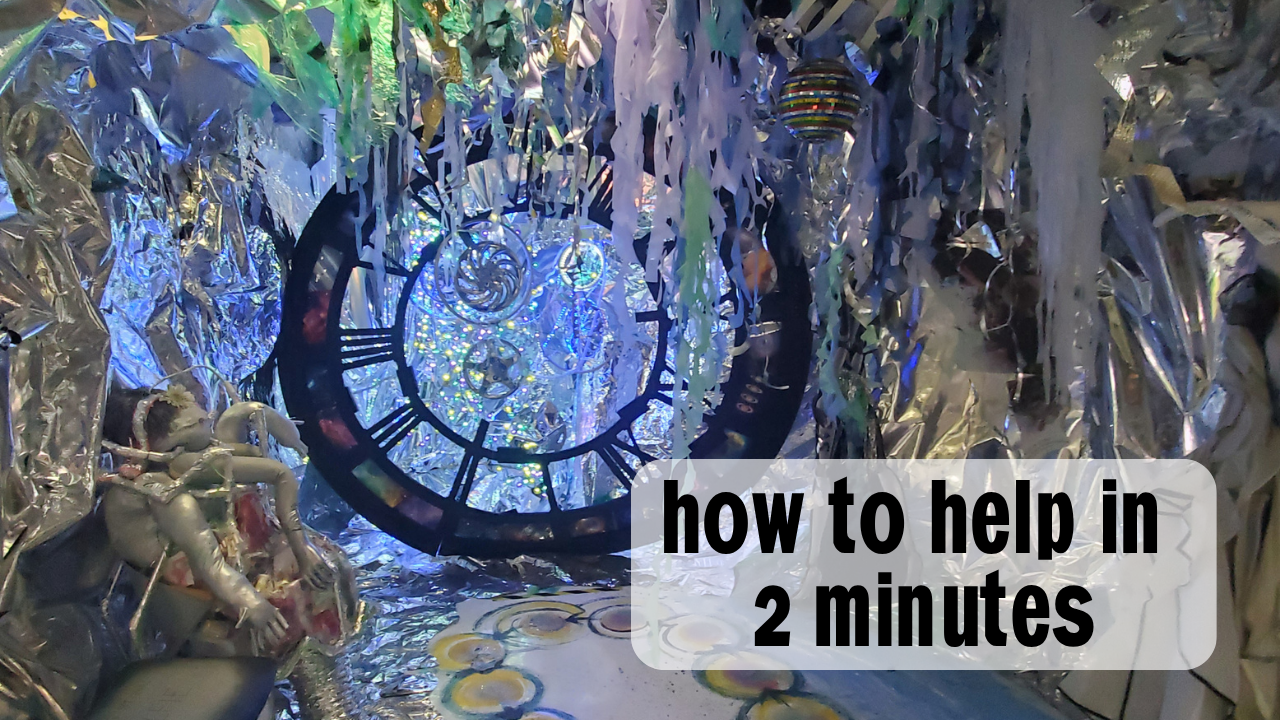
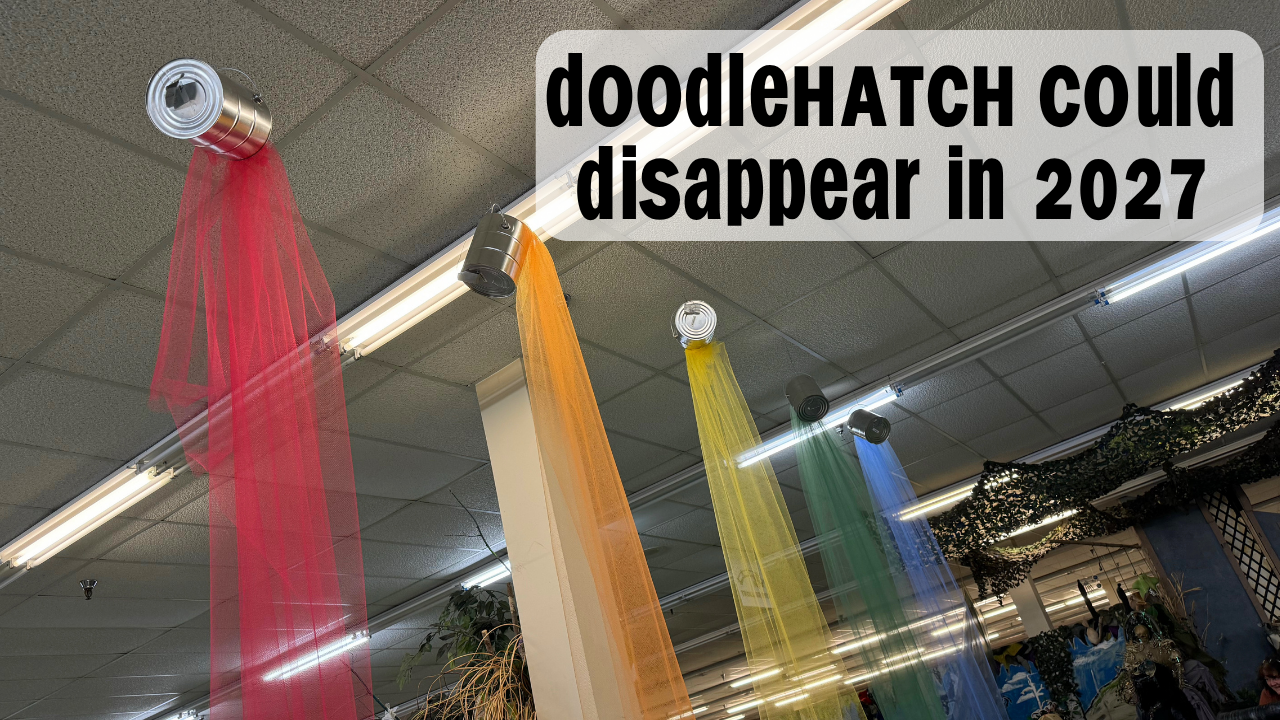
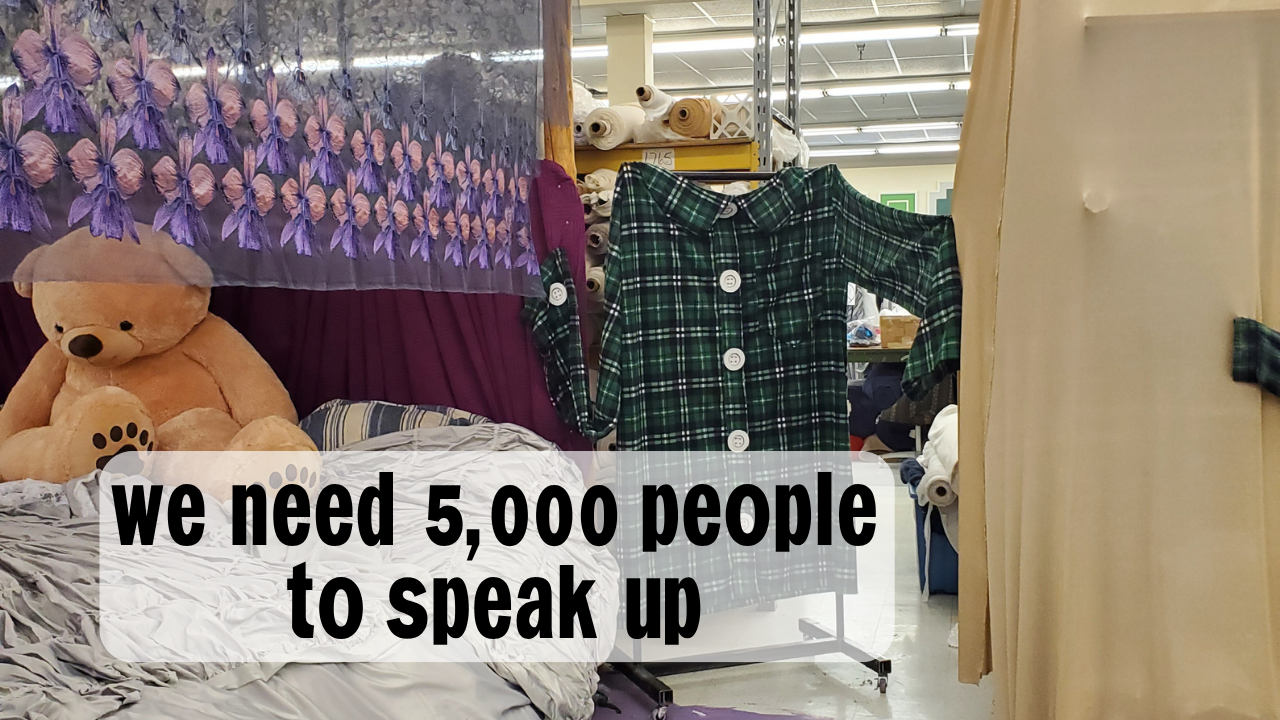
You can groom a unicorn, visit an intergalactic space station, climb onto a giant’s bed, meet guinea pigs, explore an artist’s studio, and discover approximately a million other things that somebody actually sat down and made.

It’s a nonprofit interactive art museum, a community project, an educational resource, and one of my favorite places I’ve ever discovered.

And it could be demolished as part of a proposed redevelopment of the Long Reach Village Center.

But there’s still an opportunity to help.

You don’t need to donate money. You don’t need to live in Maryland. And you don’t need to know anything about zoning laws.

You can start by writing an email.

🚨 Here's what's happening

Developer Columbia Concepts has proposed redeveloping the Long Reach Village Center in Columbia, Maryland.

The proposal would replace existing buildings with new housing, recreational facilities, and other development.

Unfortunately, that puts a whole collection of existing community resources at risk of being demolished, including:

  • DoodleHATCH Interactive Art Museum
  • Maryland Fashion Institute
  • A makerspace used for community education
  • Local restaurants, shops, and service businesses
  • Early childhood education and community programs
  • A 140-foot-long mural created by approximately 100 community members

This isn’t just about losing a fabulous museum. It’s about losing an entire collection of places that people have built, supported, and relied on.

And there’s another possibility!

🌈 Meet The REALM

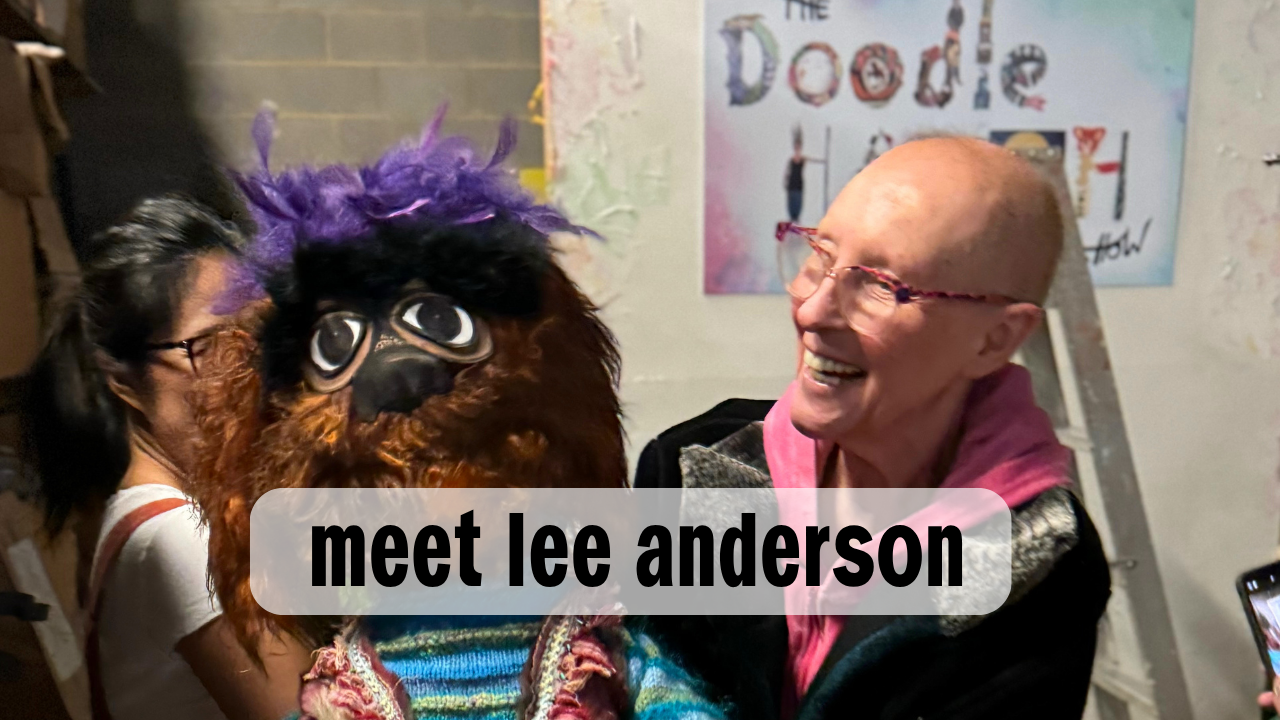
Lee Andersen, the founder of DoodleHATCH, and her nonprofit ManneqART want to preserve the existing community resources and transform the village center into an arts and culture destination called The REALM.

Imagine a place where artists have studios, children have room to explore, students can learn creative skills, people can attend performances, and local businesses continue serving their neighbors.

There are plans for a performing arts space, more opportunities for artists, and a Witches Kitchen that might serve you a horrible-disgusting breakfast.

Which, personally, I think sounds promising.

The people behind DoodleHATCH are gathering support to oppose the developer’s zoning proposal and advocate for The REALM.

And they’d love your help.

💌 How to help in about two minutes

If you live in Howard County, Maryland

If you’re 18 or older, DoodleHATCH is asking eligible county residents to visit the museum and sign their petition in person.

📍DoodleHATCH Interactive Art Museum

8775 Cloudleap Court, Unit 101
Columbia, MD 21045

⏱️ Museum hours: Friday–Sunday, 10 AM–5 PM.

And while you’re there, I highly recommend exploring the museum. Bring someone who needs a reminder that being an adult doesn’t mean you have to stop enjoying ridiculous things.

If you don't live in Howard County

You can still help!

DoodleHATCH is collecting emails from people who oppose the proposed Columbia Concepts redevelopment and support preserving the existing arts and community resources through The REALM.

Send your email to: Lilou@DoodleHATCH.com

Suggested subject: Support The REALM | Oppose Columbia Concepts Zoning Proposal ZB 1132M

You can write your own message or use one of the templates below.

You don’t need to write an essay. A short, genuine message explaining what you support and why is enough to participate in this email campaign.

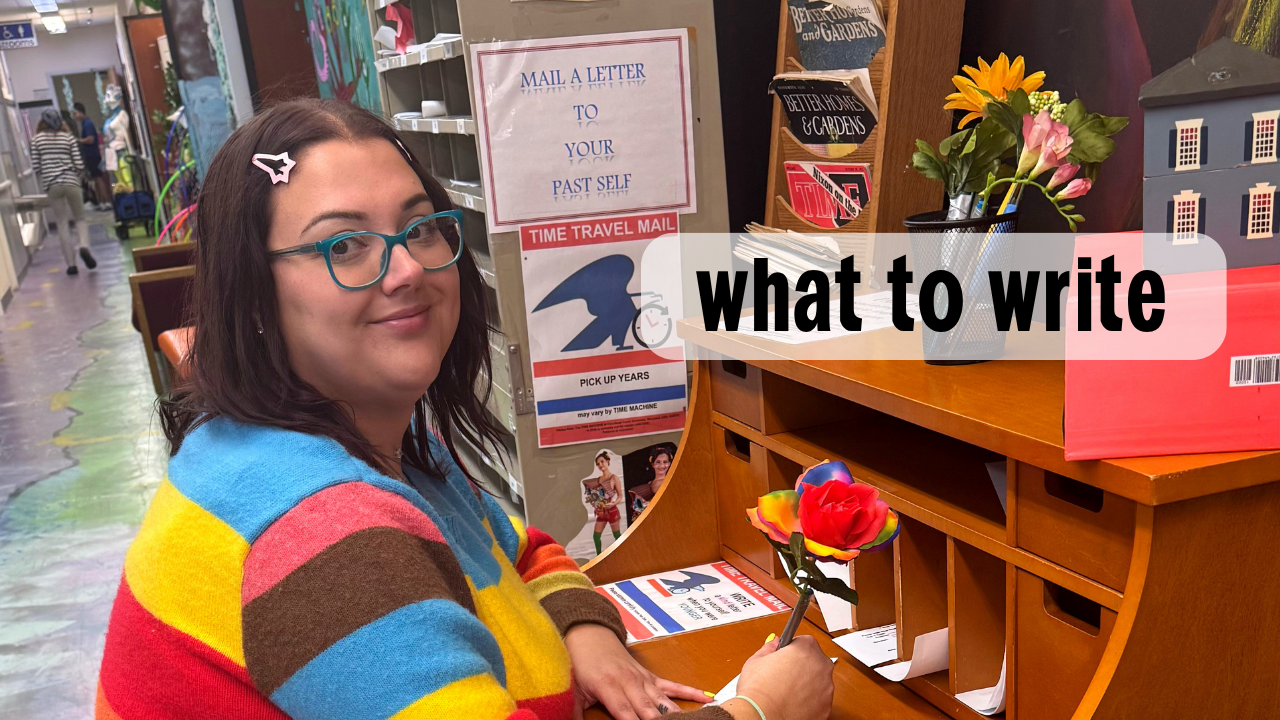
✍️ What should your email say?

To make your position clear, include these three things:

1. Say what you’re opposing.

State that you oppose the proposed Columbia Concepts redevelopment and zoning amendment for the Long Reach Village Center, case ZB 1132M.

2. Say what you’re supporting.

Express your support for preserving DoodleHATCH, the Maryland Fashion Institute, existing community resources, and the proposed arts and culture center called The REALM.

3. Explain why you care.

This is the part that makes your email yours.

Maybe you’ve visited DoodleHATCH. Maybe you’re a parent who wants more creative places for children. Maybe you’re an artist, an educator, or someone who thinks it’s important to protect the few spaces where people can explore and make things without needing to buy something.

Maybe you live across the country and just learned that there’s a department store for mythical creatures in Maryland, and you think the world would be a little less interesting without it.

That’s a perfectly good reason to care.

💌 Email templates you can copy

Option 1: Short, simple, and effective

Subject: Support The REALM | Oppose ZB 1132M

Hello,

I’m writing to express my opposition to the proposed Columbia Concepts zoning amendment and redevelopment of the Long Reach Village Center (ZB 1132M).

I support preserving DoodleHATCH, the Maryland Fashion Institute, and the existing community services and small businesses, as well as the proposal to create The REALM arts and culture center.

Creative and educational spaces like these provide valuable opportunities for families, artists, students, and the wider community. I believe they deserve to be protected.

Please include my email with the messages of support being collected for DoodleHATCH and The REALM.

Thank you,

[Your Name]
[Your City/State]

Option 2: For artists, creatives, and fellow merriment makers

Subject: Please Protect DoodleHATCH and Support The REALM

Hello,

I’m writing in opposition to Columbia Concepts’ proposed redevelopment and zoning amendment for the Long Reach Village Center (ZB 1132M), and in support of The REALM.

I believe communities need places where creativity, imagination, and play are actively encouraged.

DoodleHATCH is an extraordinary example of what can happen when artists and community members are given room to create something that doesn’t fit into an ordinary commercial space.

Places like this are rare. They encourage people of all ages to experiment, learn, explore, and connect with one another.

I support preserving DoodleHATCH, the Maryland Fashion Institute, the existing community resources, and the vision for The REALM.

Thank you for collecting these messages and advocating for the creative community.

[Your Name]
[Your City/State]

Option 3: For people who've visited DoodleHATCH

Subject: Please Save DoodleHATCH | Oppose ZB 1132M

Hello,

I’m writing to express my opposition to the proposed Columbia Concepts redevelopment and zoning amendment for the Long Reach Village Center (ZB 1132M), and my support for The REALM.

I’ve personally visited DoodleHATCH, and I want to share why I believe it’s worth preserving.

[Write two or three sentences about your experience. What did you see? Who did you bring? What surprised you? What made you want to return?]

DoodleHATCH is more than a collection of exhibits. It’s a place where creativity is something people can actively participate in, and I believe losing it would be a tremendous loss to the community.

I support preserving the museum, the Maryland Fashion Institute, and the other existing community resources through the proposed arts and culture center, The REALM.

Please include my email with the messages of support you’re collecting.

Thank you,

[Your Name]
[Your City/State]

A few tips before you hit send

DO:

  • Use your real name.

  • Include your city and state so organizers can understand where support is coming from.

  • Clearly identify the redevelopment proposal you’re opposing.

  • Specifically mention your support for The REALM.

  • Add a personal sentence or two if you can.

  • Be respectful, even if you’re frustrated.

  • Share this page with other people who might want to help.

DON’T:

  • Pretend to be a Howard County resident if you’re not.

  • Claim to have visited DoodleHATCH if you haven’t.

  • Make up experiences or information.

  • Send threatening, insulting, or harassing messages.

  • Assume your email is the same thing as signing the official petition.

  • Worry about making your message sound impressive. Clear and genuine is better than elaborate.

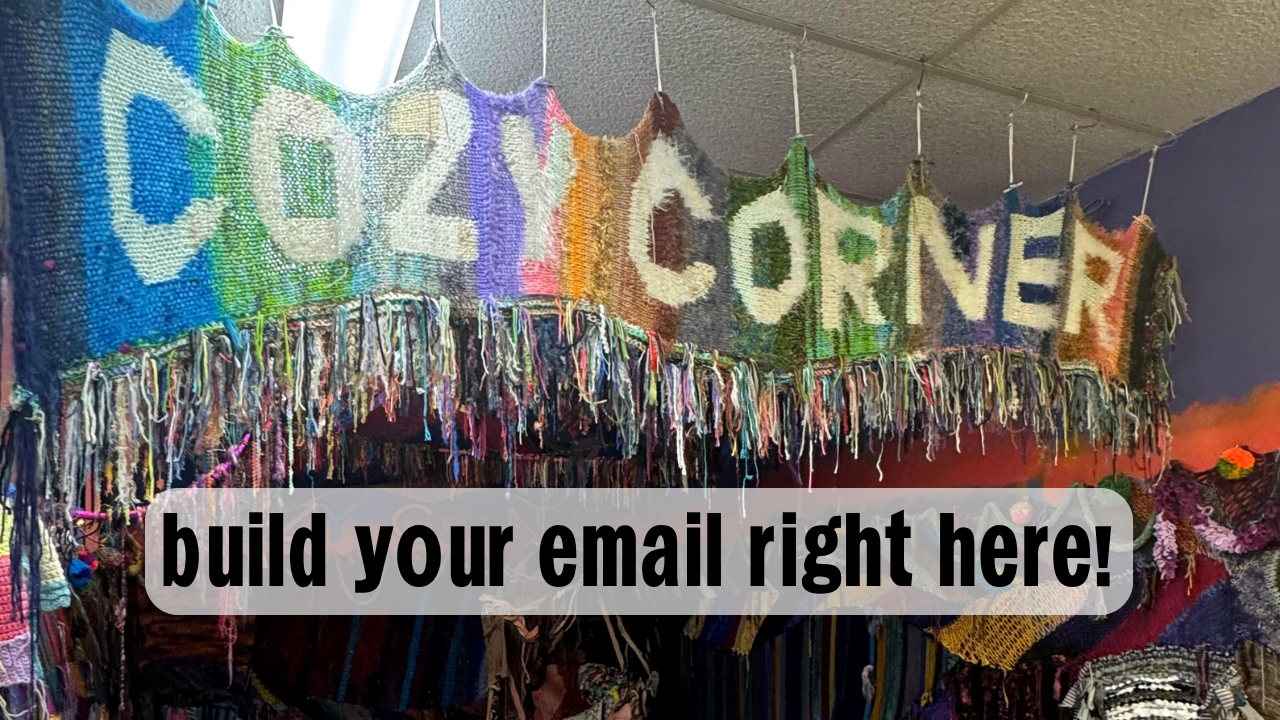
💌 The Save DoodleHATCH Email Machine

A few clicks, a little personality, and an email that helps support DoodleHATCH and The REALM. No account or signup required.

What's your connection to DoodleHATCH?
Why does protecting places like this matter to you?
✨ Your email preview
To: Lilou@DoodleHATCH.com
Subject:

Your information stays in your browser until you choose to copy or open the message. The email does not send automatically. Emails support DoodleHATCH's advocacy campaign; they are not the same as official petition signatures or zoning testimony. Please review the message before sending.

🐹 Wait. What exactly is DoodleHATCH?

I’m so glad you asked.

DoodleHATCH is an interactive art museum in Columbia, Maryland, created by artist, designer, and professional generator of wildly ambitious ideas, Lee Andersen.

The museum is designed as a pretend department store for mythological creatures, time travelers, and galactic tourists.

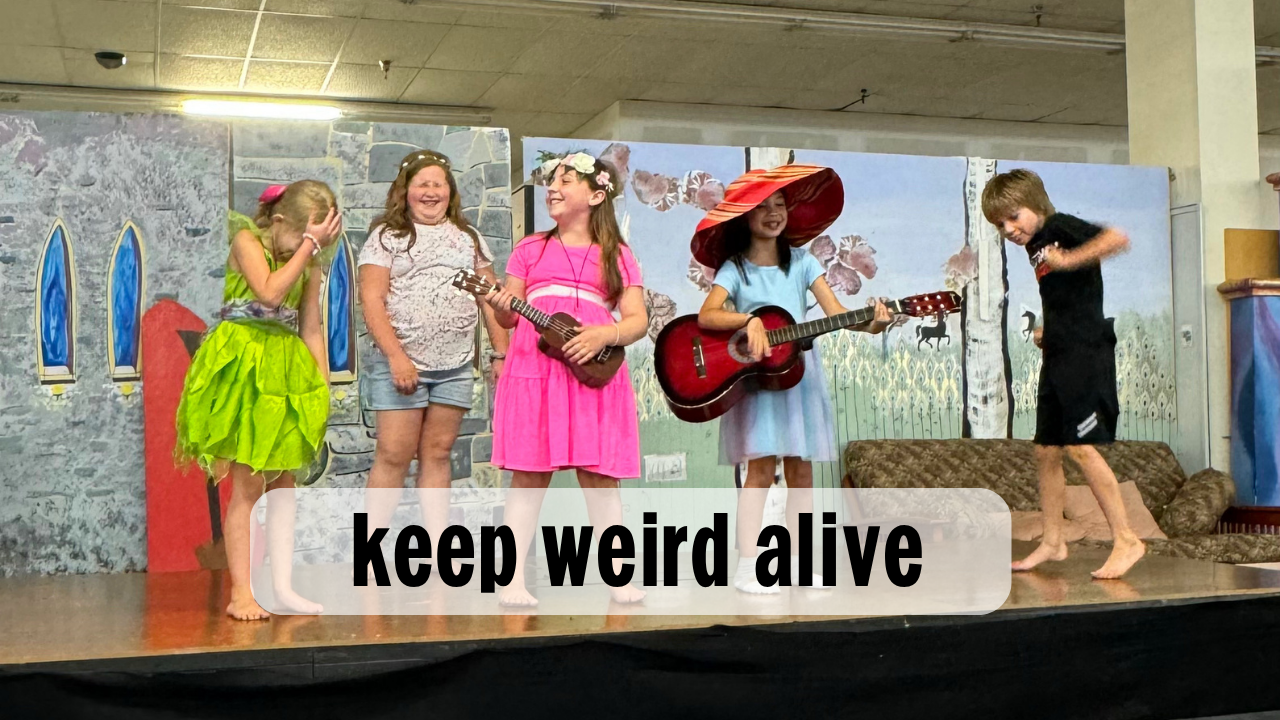
There are dozens of installations, and unlike most museums, you’re encouraged to touch things, explore, and participate.

There’s also an artist’s studio full of fabric and handmade garments, workshops, special events, birthday parties, free books, and opportunities for local artists to share their work.

The museum welcomes families and children, but adults are absolutely allowed to enjoy themselves, too.

And the woman behind it has spent decades bringing creativity into the community through fashion, festivals, education, and public art.

I discovered DoodleHATCH in 2020 and loved it so much that I started volunteering.

I’ve been back multiple times, and there are still things I haven’t seen.

That’s part of what makes it special. You can keep discovering things because people keep creating them.

You don't have to live near DoodleHATCH to care about it.

There are Merriment Makers everywhere.

People turning empty buildings into art spaces. People organizing parades. People teaching kids how to sew, paint, dance, or build things. People putting enormous amounts of time into projects that make their communities more interesting.

Sometimes they’re running nonprofits. Sometimes they’re working out of their garages. Sometimes they’re making something weird in a strip mall that you might drive past a hundred times without realizing what’s inside.

I hope you’ll help protect DoodleHATCH.

And I hope you’ll look around your own community, too. Visit the strange little museum. Go to the local art show. Find the person who makes giant puppets or organizes an absurd annual festival. Spend your money at the independent shop with the handmade things.

There are people everywhere creating reasons for us to be curious about being alive.

I’d like them to be able to keep doing that.

Help save DoodleHATCH. Help protect The REALM. Help keep the world interesting.

💌 Email: Lilou@DoodleHATCH.com

🌈 Visit: DoodleHATCH.com

🦄 Share: Uncustomary.org/Doodle