
Pest Control for Hidden Moisture Problems That Can Quietly Attract Pests Indoors

by | Sep 18, 2026 | How To | 0 comments

Pest activity inside a home does not always begin with exposed food, open doors, or obvious clutter. Water can be just as influential because many common household pests seek damp conditions for survival. A slow plumbing leak, condensation, poor drainage, or moisture beneath a fixture can create favorable conditions long before homeowners notice insects nearby.

Effective Pest Control therefore involves looking beyond the pest itself and considering what may be attracting it. Treating visible activity without addressing a persistent water source can leave the underlying conditions unchanged. Homeowners who understand this connection can spot maintenance concerns earlier and make their properties less welcoming to unwanted visitors.

Moisture problems are not always easy to see. Water may collect beneath sinks, behind appliances, around foundations, or inside other areas that receive little daily attention. King Pest Solutions can evaluate pest activity alongside property conditions, helping homeowners understand whether damp areas or water sources may be contributing to the problem.

Why Moisture Can Encourage Indoor Pest Activity

Pests enter homes because indoor environments can provide basic resources such as shelter, food, and water. Even a well-kept property may offer moisture in places that homeowners rarely inspect. Once insects find a dependable source, nearby cracks and protected spaces may provide suitable hiding areas.

Different moisture problems create different conditions. A dripping pipe produces a concentrated water source, while high humidity may affect a larger area. Outdoor drainage problems can also keep soil near a foundation damp for extended periods.

The useful response is not simply to dry a visible puddle. Homeowners should determine why the moisture appeared and whether it is likely to return. Correcting the source can support broader prevention efforts.

Inspect Under Sinks for Slow Plumbing Leaks

Kitchen and bathroom cabinets can conceal minor leaks for weeks. A pipe connection may release only a small amount of water, making the problem easy to overlook during normal household routines. Damp cabinet materials can then create a sheltered environment near plumbing openings.

Homeowners can periodically remove stored items and inspect the cabinet floor. Discoloration, swelling, dampness, or a musty smell may indicate that water has been present. Plumbing concerns should be repaired appropriately rather than repeatedly wiping away moisture.

These inspections also provide an opportunity to reduce clutter. Crowded cabinets make leaks harder to see and give pests more protected spaces. Keeping the area reasonably organized makes future monitoring easier.

Check Appliances That Use or Produce Water

Dishwashers, refrigerators, washing machines, and other appliances can develop moisture around connections or nearby surfaces. Because these areas are often hidden from normal view, small problems may continue unnoticed. Pest activity near an appliance may be a reason to investigate the surrounding conditions carefully.

Look Behind and Beneath Equipment

Accessible areas around appliances should be checked for dampness, staining, or water accumulation. Homeowners should follow safe practices and avoid moving heavy equipment or accessing electrical components improperly. Professional assistance may be necessary when inspection requires specialized work.

Cleaning around accessible appliance areas can also remove crumbs and debris. Addressing food and moisture together eliminates two resources that may contribute to pest activity.

Pay Attention to Recurring Condensation

Not every damp area is caused by a leaking pipe. Condensation can form where temperature differences create repeated moisture on surfaces. If the same location stays damp, homeowners should determine what is causing the condition rather than treating each occurrence as an isolated event.

King Pest Solutions can consider environmental conditions when evaluating why pests continue appearing in particular parts of a home. Identifying patterns can provide more useful information than focusing only on individual insects.

Examine Bathrooms Beyond Visible Surfaces

Bathrooms naturally contain water, but persistent dampness is different from normal temporary moisture after bathing. Areas around toilets, vanities, tubs, and plumbing penetrations can develop problems that remain hidden until staining or other damage becomes noticeable. Regular observation helps homeowners catch changes sooner.

Ventilation also affects how quickly bathroom moisture clears. A room that remains damp for extended periods may deserve attention, particularly if condensation repeatedly collects on surfaces. Appropriate ventilation and maintenance can help reduce persistent humidity.

Homeowners should also inspect stored items under vanities. Damp paper products, cardboard, or other materials may indicate a leak that has gone unnoticed. Removing affected clutter makes the area easier to inspect and maintain.

Do Not Ignore Basements and Crawl Spaces

Lower areas of a home can develop moisture for several reasons, including plumbing concerns, drainage conditions, or humid air. Because basements and crawl spaces may receive less daily traffic, changing conditions can remain unnoticed. Pests can take advantage of quiet locations where both shelter and water are available.

Homeowners should look for damp surfaces, unusual odors, staining, or signs of water intrusion. The cause should be identified before deciding how to correct it. Some issues may require plumbing, drainage, foundation, or moisture-management professionals.

Pest control services in Colorado work more effectively as part of a broader property-maintenance approach. Removing insects without correcting conditions that support them may leave the home vulnerable to recurring activity.

Review Drainage Around the Home’s Exterior

Indoor moisture problems sometimes begin outside. Water that consistently collects near the foundation can keep surrounding areas damp and may contribute to conditions pests find attractive. Gutters, downspouts, grading, and drainage patterns all influence where rainwater travels.

Homeowners can observe the property during or shortly after rainfall. Water should not repeatedly pool against the structure because of clogged drainage paths or obvious maintenance problems. Gutters and downspouts should also be maintained so they can direct water as intended.

Vegetation deserves attention as well. Dense growth touching the home can hold moisture and create sheltered routes near exterior walls. Reasonable trimming can make the perimeter easier to inspect.

Look for Moisture Around Utility Openings

Pipes, cables, vents, and other utilities enter homes through openings in exterior or interior surfaces. Small gaps around these areas may provide pest access, particularly when moisture is also present nearby. The combination of entry and favorable conditions can make certain locations especially worth inspecting.

Homeowners can look for damaged seals, cracks, or visible gaps around accessible penetrations. Repairs should use materials and methods appropriate for the specific part of the building. Electrical, plumbing, or structural concerns may require qualified professionals.

An Exterminator can also examine these locations during a pest inspection and identify signs of activity that may be difficult for homeowners to interpret. Pest evidence and building maintenance concerns often need separate but coordinated solutions.

Reduce Indoor Humidity Where It Persists

Humidity is less obvious than a dripping faucet, yet it can affect large portions of a home. Certain basements, bathrooms, storage areas, and poorly ventilated spaces may remain damp even when there is no visible standing water. Persistent humidity deserves investigation rather than being accepted as normal.

Ventilation, climate, building design, and existing moisture problems can all influence indoor humidity. Homeowners should first determine why an area remains damp. The appropriate correction depends on the actual cause rather than a single solution for every property.

Monitoring can help identify patterns. If a room becomes noticeably damp only after rain or during a particular season, that timing may provide clues about where the moisture originates.

Pair Pest Treatment With Property Maintenance

Professional treatment can address active pest problems, but household maintenance remains an important part of prevention. Repairing leaks, managing drainage, removing standing water, and reducing clutter can make indoor spaces less favorable to many pests. These steps address conditions rather than merely reacting to visible activity.

Homeowners should also avoid assuming that every moisture problem has the same cause. A plumbing leak requires a different response from exterior drainage or ventilation concerns. Correct identification helps prevent wasted effort and recurring problems.

King Pest Solutions can assess pest activity and point out conditions that may be contributing to it. Homeowners can then arrange appropriate repairs when issues fall outside the scope of pest services.

Watch for Patterns Instead of Isolated Sightings

One insect does not always reveal why it entered a home. Repeated sightings in the same damp room, however, can provide useful clues. Homeowners can note where activity occurs, when it appears, and whether water or humidity is present nearby.

This information can make professional evaluation more focused. Details about recent leaks, storms, plumbing repairs, or recurring condensation may help explain why a particular area is experiencing activity. Accurate observations are more useful than immediately applying random treatments.

Homeowners should avoid spraying unidentified products into damp, enclosed, or electrical areas. Proper identification and safe treatment methods matter, particularly where water and utilities are involved.

Create a Drier Home That Is Less Inviting to Pests

Long-term prevention often depends on correcting small property conditions before they become larger concerns. Routine checks beneath sinks, around appliances, in bathrooms, and near exterior drainage can reveal moisture that ordinary cleaning may miss. Addressing these problems also supports general home maintenance beyond pest prevention.

Professional Pest Control can address active infestations while homeowners manage the environmental conditions that may encourage recurring activity. Neither approach should be viewed in isolation when water sources are part of the problem. Coordinating treatment with appropriate repairs creates a more complete response.

A dry home cannot guarantee that pests will never appear, but removing unnecessary moisture eliminates an important resource many unwanted visitors seek. Careful observation, timely repairs, and appropriate professional help can reduce favorable conditions. By paying attention to hidden water sources, homeowners strengthen their home’s defenses before a minor maintenance issue contributes to a larger pest concern.
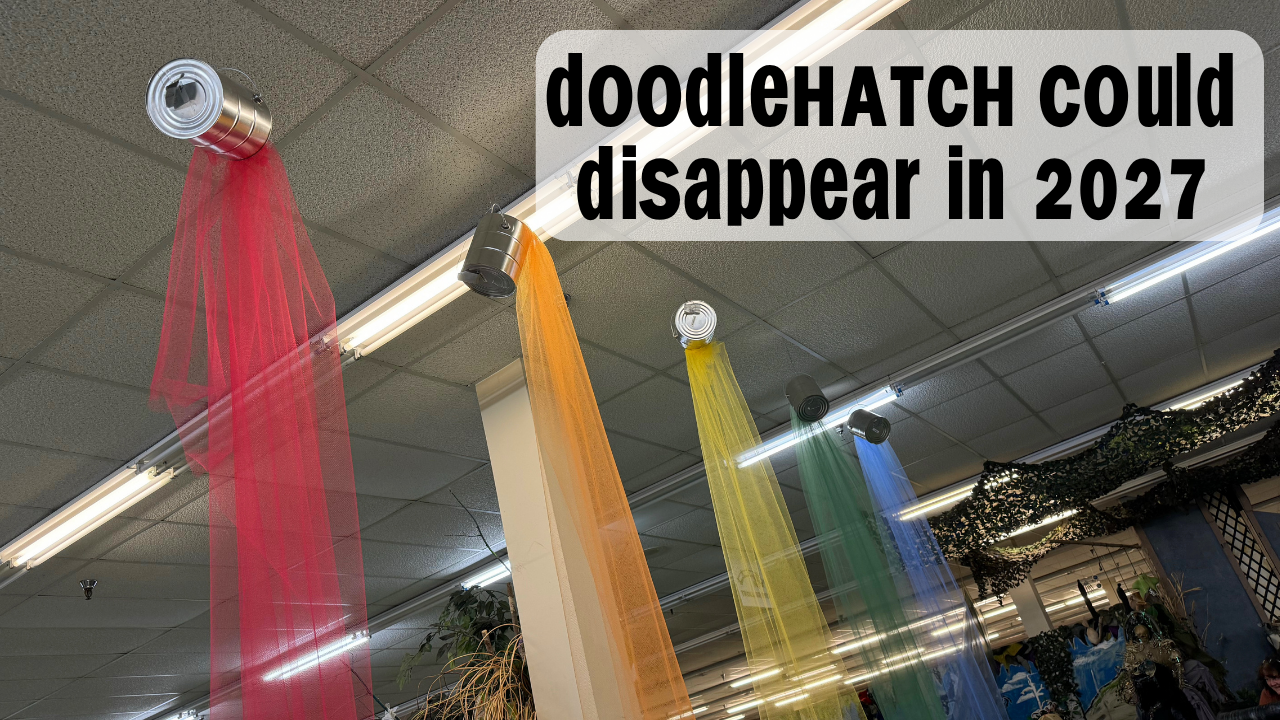
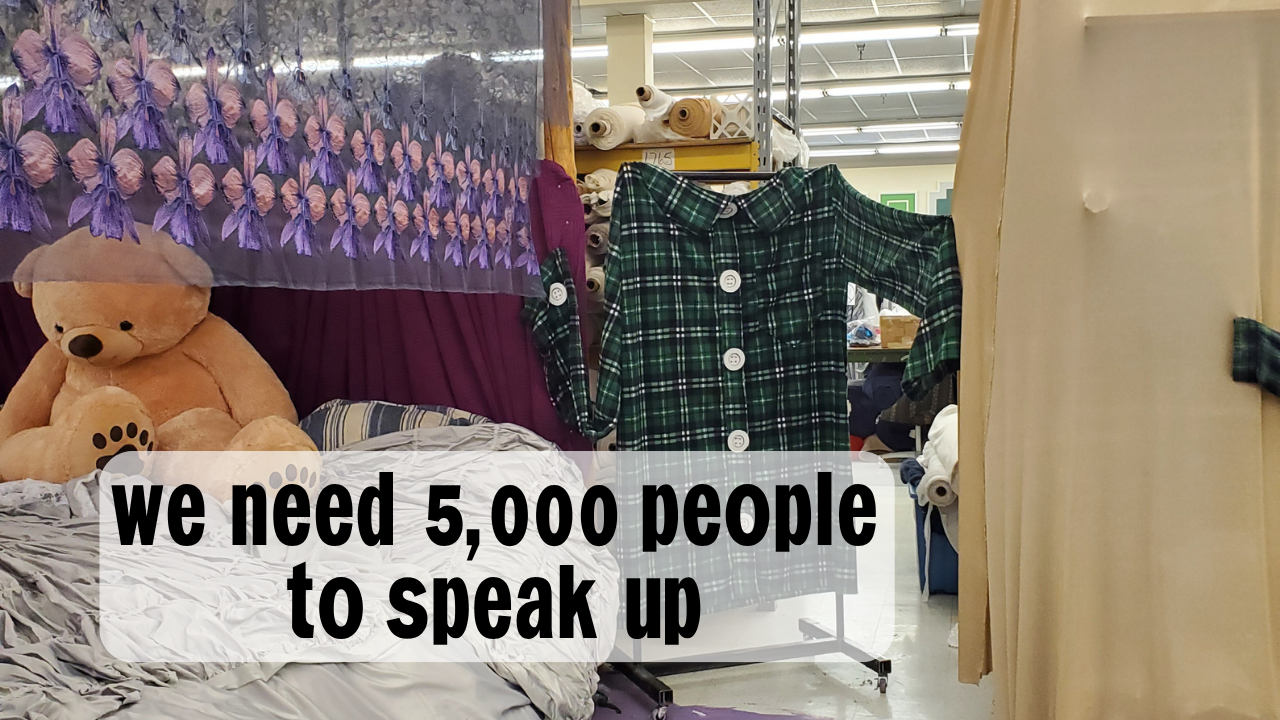
In Columbia, Maryland, there’s a former grocery store that has been transformed into a department store for mythical creatures, time travelers, and intergalactic tourists.

It’s called DoodleHATCH.

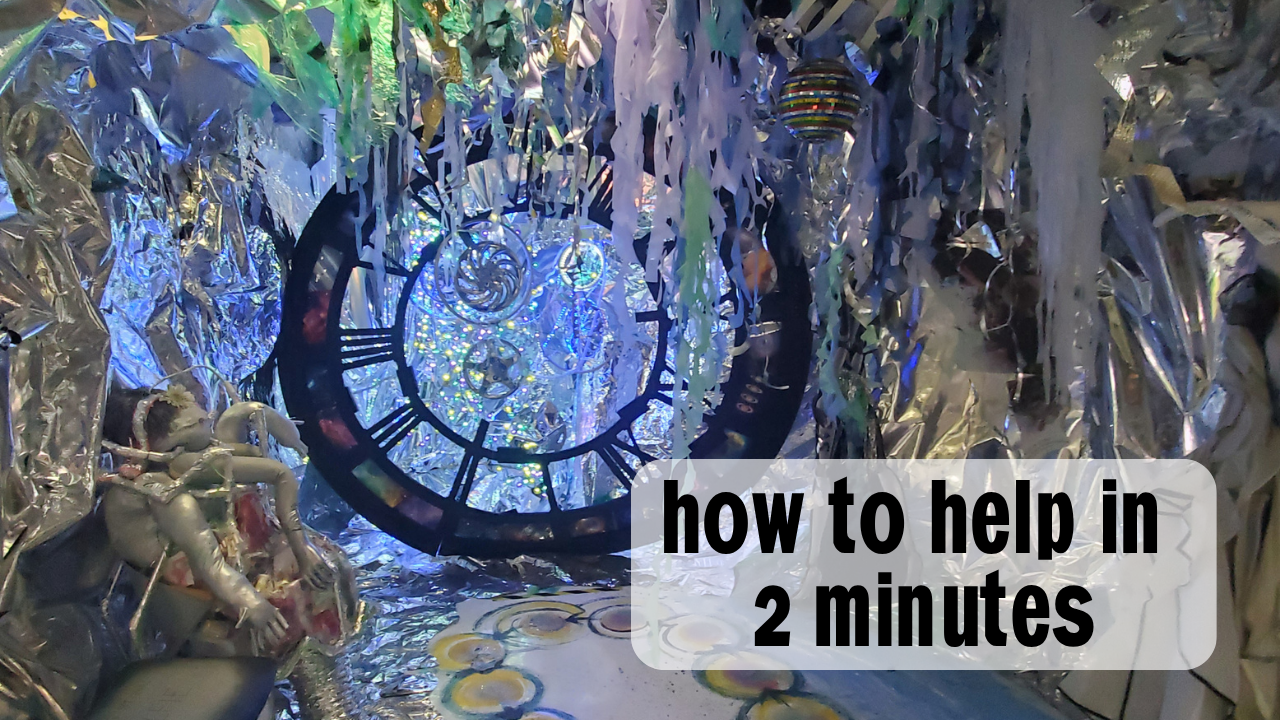
You can groom a unicorn, visit an intergalactic space station, climb onto a giant’s bed, meet guinea pigs, explore an artist’s studio, and discover approximately a million other things that somebody actually sat down and made.

It’s a nonprofit interactive art museum, a community project, an educational resource, and one of my favorite places I’ve ever discovered.

And it could be demolished as part of a proposed redevelopment of the Long Reach Village Center.

But there’s still an opportunity to help.

You don’t need to donate money. You don’t need to live in Maryland. And you don’t need to know anything about zoning laws.

You can start by writing an email.

🚨 Here's what's happening

Developer Columbia Concepts has proposed redeveloping the Long Reach Village Center in Columbia, Maryland.

The proposal would replace existing buildings with new housing, recreational facilities, and other development.

Unfortunately, that puts a whole collection of existing community resources at risk of being demolished, including:

  • DoodleHATCH Interactive Art Museum
  • Maryland Fashion Institute
  • A makerspace used for community education
  • Local restaurants, shops, and service businesses
  • Early childhood education and community programs
  • A 140-foot-long mural created by approximately 100 community members

This isn’t just about losing a fabulous museum. It’s about losing an entire collection of places that people have built, supported, and relied on.

And there’s another possibility!

🌈 Meet The REALM

Lee Andersen, the founder of DoodleHATCH, and her nonprofit ManneqART want to preserve the existing community resources and transform the village center into an arts and culture destination called The REALM.

Imagine a place where artists have studios, children have room to explore, students can learn creative skills, people can attend performances, and local businesses continue serving their neighbors.

There are plans for a performing arts space, more opportunities for artists, and a Witches Kitchen that might serve you a horrible-disgusting breakfast.

Which, personally, I think sounds promising.

The people behind DoodleHATCH are gathering support to oppose the developer’s zoning proposal and advocate for The REALM.

And they’d love your help.

💌 How to help in about two minutes

If you live in Howard County, Maryland

If you’re 18 or older, DoodleHATCH is asking eligible county residents to visit the museum and sign their petition in person.

📍DoodleHATCH Interactive Art Museum

8775 Cloudleap Court, Unit 101
Columbia, MD 21045

⏱️ Museum hours: Friday–Sunday, 10 AM–5 PM.

And while you’re there, I highly recommend exploring the museum. Bring someone who needs a reminder that being an adult doesn’t mean you have to stop enjoying ridiculous things.

If you don't live in Howard County

You can still help!

DoodleHATCH is collecting emails from people who oppose the proposed Columbia Concepts redevelopment and support preserving the existing arts and community resources through The REALM.

Send your email to: Lilou@DoodleHATCH.com

Suggested subject: Support The REALM | Oppose Columbia Concepts Zoning Proposal ZB 1132M

You can write your own message or use one of the templates below.

You don’t need to write an essay. A short, genuine message explaining what you support and why is enough to participate in this email campaign.

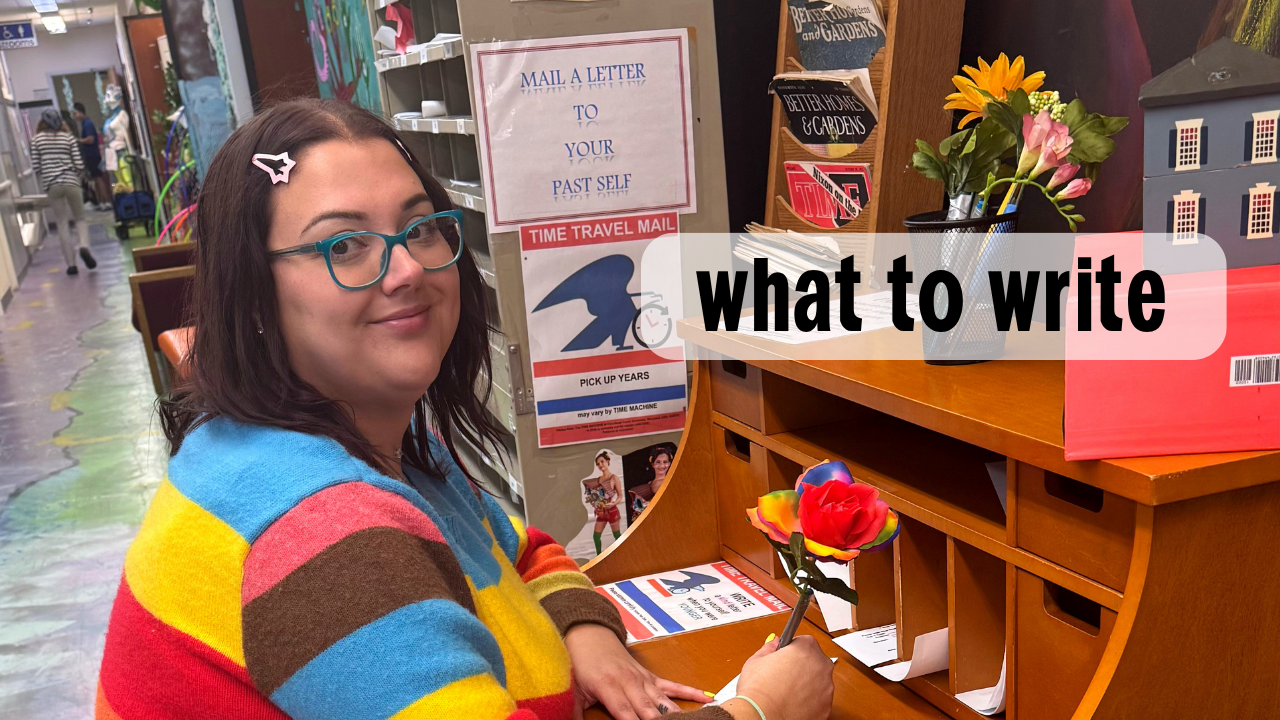
✍️ What should your email say?

To make your position clear, include these three things:

1. Say what you’re opposing.

State that you oppose the proposed Columbia Concepts redevelopment and zoning amendment for the Long Reach Village Center, case ZB 1132M.

2. Say what you’re supporting.

Express your support for preserving DoodleHATCH, the Maryland Fashion Institute, existing community resources, and the proposed arts and culture center called The REALM.

3. Explain why you care.

This is the part that makes your email yours.

Maybe you’ve visited DoodleHATCH. Maybe you’re a parent who wants more creative places for children. Maybe you’re an artist, an educator, or someone who thinks it’s important to protect the few spaces where people can explore and make things without needing to buy something.

Maybe you live across the country and just learned that there’s a department store for mythical creatures in Maryland, and you think the world would be a little less interesting without it.

That’s a perfectly good reason to care.

💌 Email templates you can copy

Option 1: Short, simple, and effective

Subject: Support The REALM | Oppose ZB 1132M

Hello,

I’m writing to express my opposition to the proposed Columbia Concepts zoning amendment and redevelopment of the Long Reach Village Center (ZB 1132M).

I support preserving DoodleHATCH, the Maryland Fashion Institute, and the existing community services and small businesses, as well as the proposal to create The REALM arts and culture center.

Creative and educational spaces like these provide valuable opportunities for families, artists, students, and the wider community. I believe they deserve to be protected.

Please include my email with the messages of support being collected for DoodleHATCH and The REALM.

Thank you,

[Your Name]
[Your City/State]

Option 2: For artists, creatives, and fellow merriment makers

Subject: Please Protect DoodleHATCH and Support The REALM

Hello,

I’m writing in opposition to Columbia Concepts’ proposed redevelopment and zoning amendment for the Long Reach Village Center (ZB 1132M), and in support of The REALM.

I believe communities need places where creativity, imagination, and play are actively encouraged.

DoodleHATCH is an extraordinary example of what can happen when artists and community members are given room to create something that doesn’t fit into an ordinary commercial space.

Places like this are rare. They encourage people of all ages to experiment, learn, explore, and connect with one another.

I support preserving DoodleHATCH, the Maryland Fashion Institute, the existing community resources, and the vision for The REALM.

Thank you for collecting these messages and advocating for the creative community.

[Your Name]
[Your City/State]

Option 3: For people who've visited DoodleHATCH

Subject: Please Save DoodleHATCH | Oppose ZB 1132M

Hello,

I’m writing to express my opposition to the proposed Columbia Concepts redevelopment and zoning amendment for the Long Reach Village Center (ZB 1132M), and my support for The REALM.

I’ve personally visited DoodleHATCH, and I want to share why I believe it’s worth preserving.

[Write two or three sentences about your experience. What did you see? Who did you bring? What surprised you? What made you want to return?]

DoodleHATCH is more than a collection of exhibits. It’s a place where creativity is something people can actively participate in, and I believe losing it would be a tremendous loss to the community.

I support preserving the museum, the Maryland Fashion Institute, and the other existing community resources through the proposed arts and culture center, The REALM.

Please include my email with the messages of support you’re collecting.

Thank you,

[Your Name]
[Your City/State]

A few tips before you hit send

DO:

  • Use your real name.

  • Include your city and state so organizers can understand where support is coming from.

  • Clearly identify the redevelopment proposal you’re opposing.

  • Specifically mention your support for The REALM.

  • Add a personal sentence or two if you can.

  • Be respectful, even if you’re frustrated.

  • Share this page with other people who might want to help.

DON’T:

  • Pretend to be a Howard County resident if you’re not.

  • Claim to have visited DoodleHATCH if you haven’t.

  • Make up experiences or information.

  • Send threatening, insulting, or harassing messages.

  • Assume your email is the same thing as signing the official petition.

  • Worry about making your message sound impressive. Clear and genuine is better than elaborate.

💌 The Save DoodleHATCH Email Machine

A few clicks, a little personality, and an email that helps support DoodleHATCH and The REALM. No account or signup required.

What's your connection to DoodleHATCH?
Why does protecting places like this matter to you?
✨ Your email preview
To: Lilou@DoodleHATCH.com
Subject:

Your information stays in your browser until you choose to copy or open the message. The email does not send automatically. Emails support DoodleHATCH's advocacy campaign; they are not the same as official petition signatures or zoning testimony. Please review the message before sending.

🐹 Wait. What exactly is DoodleHATCH?

I’m so glad you asked.

DoodleHATCH is an interactive art museum in Columbia, Maryland, created by artist, designer, and professional generator of wildly ambitious ideas, Lee Andersen.

The museum is designed as a pretend department store for mythological creatures, time travelers, and galactic tourists.

There are dozens of installations, and unlike most museums, you’re encouraged to touch things, explore, and participate.

There’s also an artist’s studio full of fabric and handmade garments, workshops, special events, birthday parties, free books, and opportunities for local artists to share their work.

The museum welcomes families and children, but adults are absolutely allowed to enjoy themselves, too.

And the woman behind it has spent decades bringing creativity into the community through fashion, festivals, education, and public art.

I discovered DoodleHATCH in 2020 and loved it so much that I started volunteering.

I’ve been back multiple times, and there are still things I haven’t seen.

That’s part of what makes it special. You can keep discovering things because people keep creating them.

You don't have to live near DoodleHATCH to care about it.

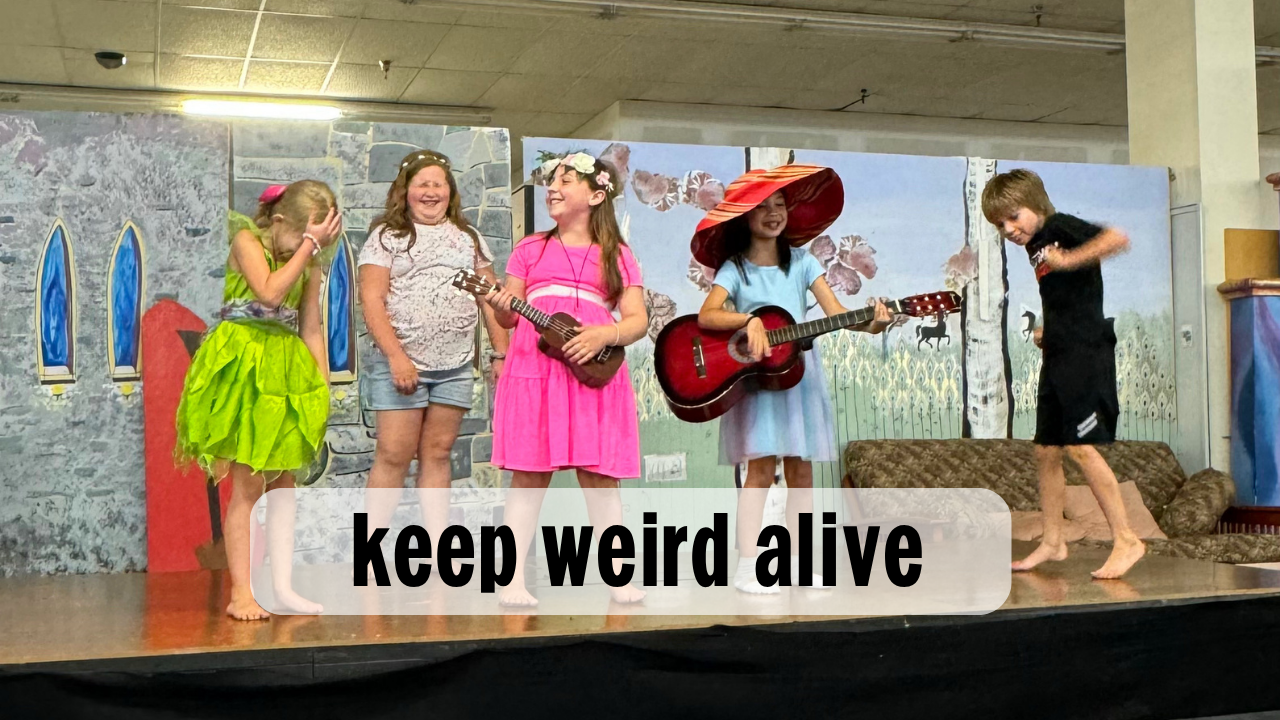
There are Merriment Makers everywhere.

People turning empty buildings into art spaces. People organizing parades. People teaching kids how to sew, paint, dance, or build things. People putting enormous amounts of time into projects that make their communities more interesting.

Sometimes they’re running nonprofits. Sometimes they’re working out of their garages. Sometimes they’re making something weird in a strip mall that you might drive past a hundred times without realizing what’s inside.

I hope you’ll help protect DoodleHATCH.

And I hope you’ll look around your own community, too. Visit the strange little museum. Go to the local art show. Find the person who makes giant puppets or organizes an absurd annual festival. Spend your money at the independent shop with the handmade things.

There are people everywhere creating reasons for us to be curious about being alive.

I’d like them to be able to keep doing that.

Help save DoodleHATCH. Help protect The REALM. Help keep the world interesting.

💌 Email: Lilou@DoodleHATCH.com

🌈 Visit: DoodleHATCH.com

🦄 Share: Uncustomary.org/Doodle