
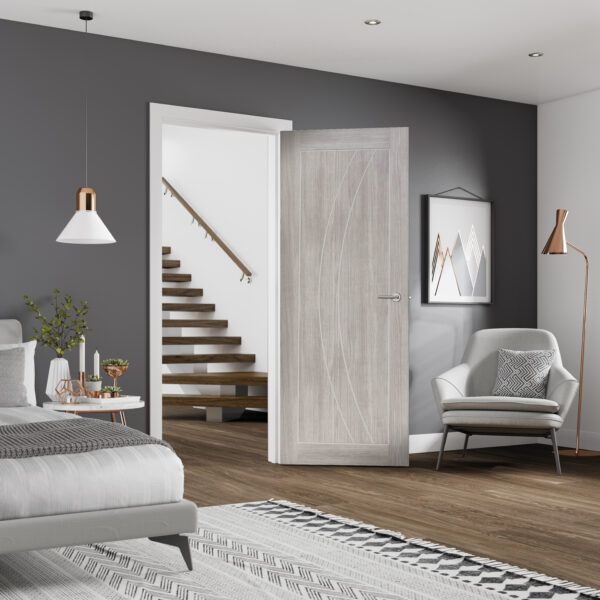
Oakwood Doors Guide To Choosing The Right Laminate Internal Doors

Selecting an internal door may be a simple task until you begin to compare glazing, sizes, finishes, fire rating, and core. A product image may feature a door that appears to be perfect, but is actually incompatible with the room or frame used. You should also take into consideration the amount of daily usage and the extent to which you want to maintain it.
Oakwood Doors provides an assortment of laminate internal doors for various rooms, interior designs, and practical needs. Laminate doors can provide a balance of appearance, durability, and easy maintenance.
Their factory-applied finishes are capable of producing a uniform appearance and lessening the necessity of painting or staining. Nevertheless, the size, finish, style, construction, and fire rating of the door should also be considered in order to make the right choice.
The first step to the right decision is to correlate the following features with your space and daily needs.
1. Assess Room Requirements and Door Use
Prior to comparing styles, consider the location where the door would be installed and how you would utilize it. Laminate internal doors can work well in different areas because their surfaces are durable and easy to maintain. Oakwood Doors offers laminate options for various room styles and requirements.
A bedroom door can require privacy and a finish that matches the decor. High-traffic areas can require a cleaning-friendly surface.
Doors in bathrooms must also be properly guarded at the edges against moisture. Take into account the daytime traffic, kids, pets, and overall wear. Another choice that you should make is solid or glazed designs depending on your needs regarding privacy and natural light.
2. Choose Laminate Door Finish and Color
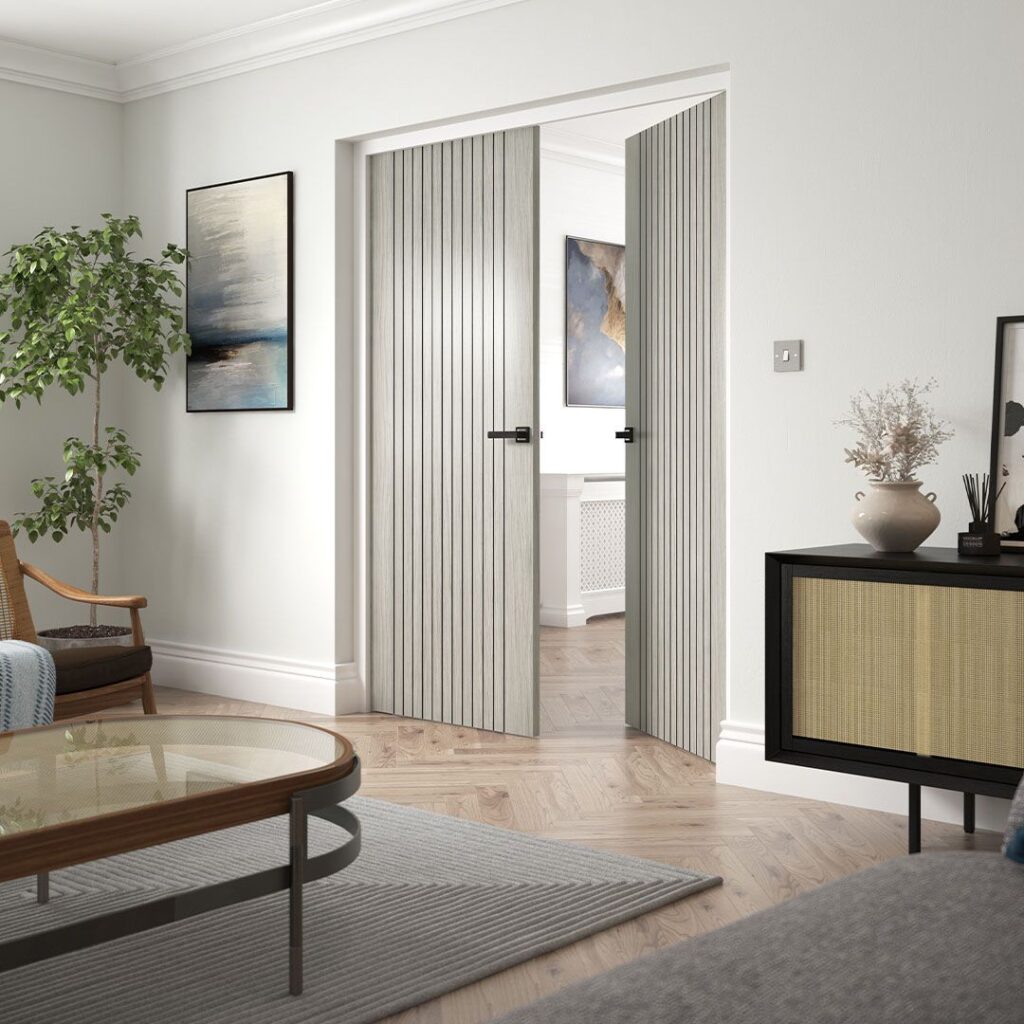
Once you understand the room requirements, consider the finish and color. Laminate internal doors are available in several options, so you can choose a design that works with your existing interior rather than treating the door as a separate feature.
White laminate can create a clean and bright appearance. It can also work with many different wall colors and furniture styles. Grey provides more variation, with light, medium, dark, and warmer grey options available. These shades can work particularly well in modern interiors.
Black laminate can create stronger contrast and suit contemporary or industrial spaces. If you prefer the appearance of timber, oak and walnut effects can provide a wood-inspired look without requiring the same type of ongoing treatment as untreated timber.
You should also consider the color of your flooring, skirting boards, furniture, and walls. A door that coordinates with these elements can create a more consistent appearance across the room.
3. Select The Right Door Style and Glazing
Color is only one part of the design. The panel layout, molding, and glazing can also affect how a laminate door looks. Oakwood Doors offers styles that can suit both modern and traditional interiors.
Solid doors can be a good choice when privacy matters. They work well in bedrooms, bathrooms, and other private areas. Glazed doors can allow more light to pass between rooms.
Clear glass can help create a more open feel between a hallway and living space. You can also choose more private glazing where needed. Simple panels can suit modern décor, while raised molding can add a more traditional touch.
4. Check Door Size, Thickness and Core Type
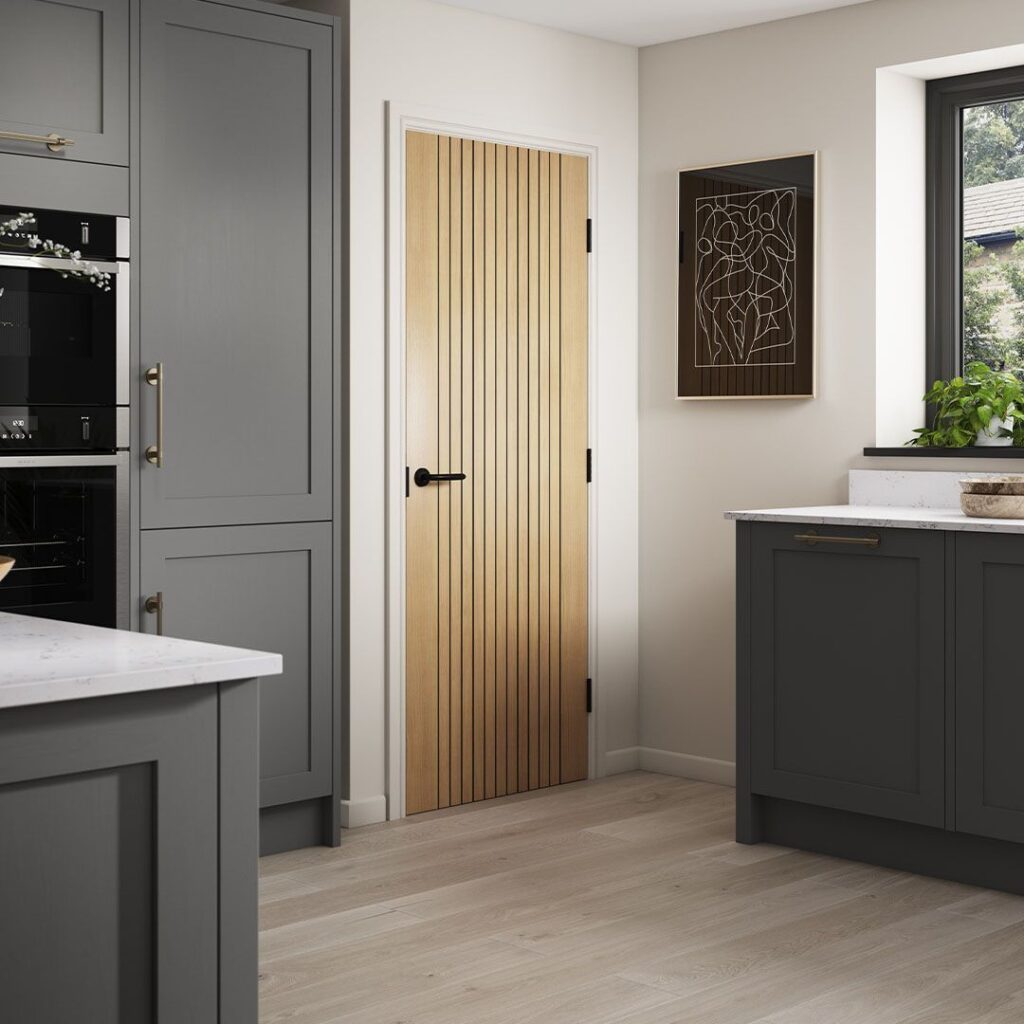
A door can look perfect but still be unsuitable if its dimensions do not match the existing opening. Therefore, take accurate measurements before ordering. Check the required width, height, and thickness, and compare these measurements with the available door specifications.
Laminate internal doors are available in different standard widths and heights. The range includes common widths such as 610mm, 686mm, 762mm, and 838mm, along with other metric options. Some products also have different thicknesses, so this should be checked alongside the frame and hardware requirements.
The core type also matters. Options include semi-solid and solid-core constructions. These can affect the weight and characteristics of the door, so you should consider the requirements of the installation rather than selecting a core type based only on appearance.
Also check the product’s trimming allowance before making changes. Not every door can be trimmed by the same amount. Excessive trimming can affect how the door fits or performs.
Accurate measurements can therefore prevent problems later in the installation process.
5. Consider Durability, Maintenance and Fire Rating
Think about how much maintenance you want your internal doors to require. Oakwood Doors offers laminate options with factory-applied finishes that usually do not need painting, staining, or oiling. This can help maintain a consistent look with less upkeep.
Routine cleaning is also simple. A soft, damp cloth can remove dust and everyday marks. Avoid abrasive cleaners that may damage the surface. You should also check if the room needs a fire-rated door.
Some laminate doors have an FD30 rating for fire resistance. However, not every laminate door is fire rated. Check the product specifications before ordering. Also, make sure the frame, hardware, glazing, and installation meet the required standards.
6. Match Laminate Doors with Existing Interior Design
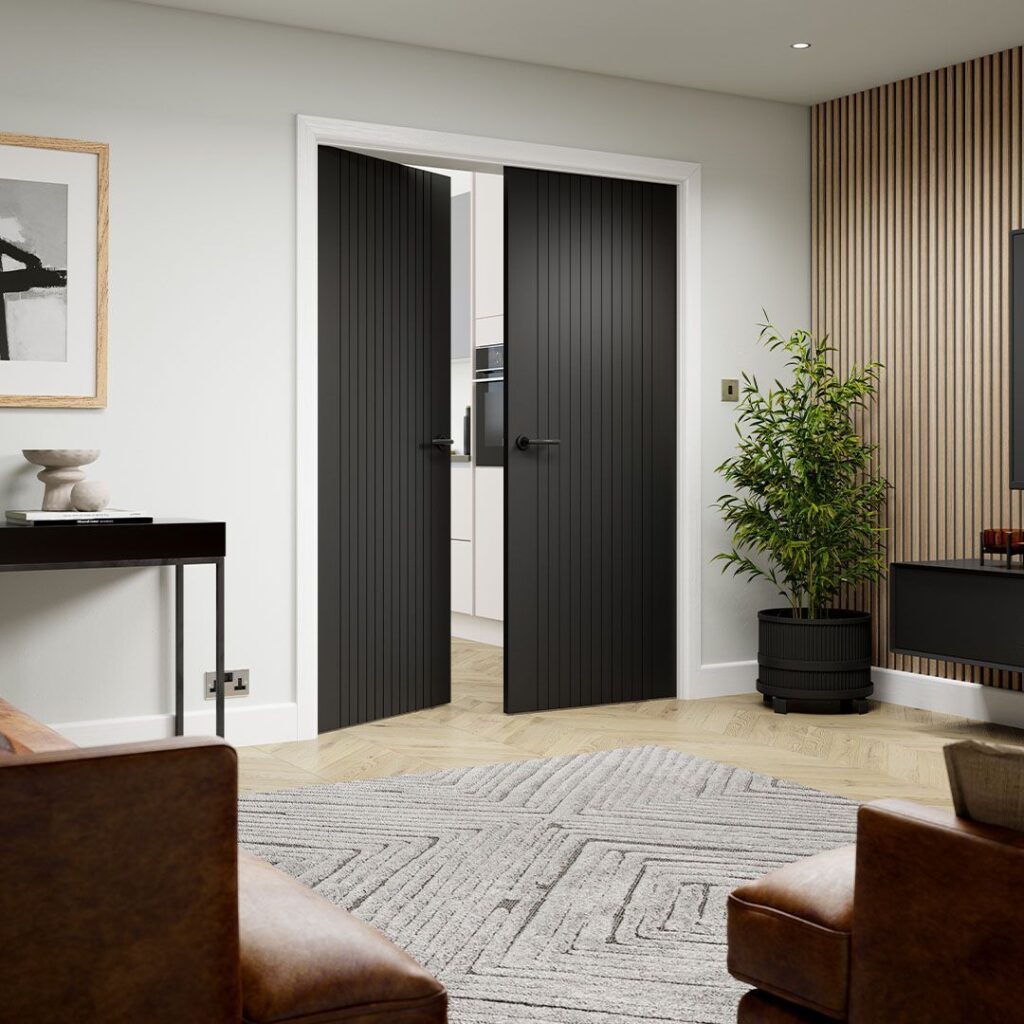
Finally, consider how the door will work with the rest of your interior. A successful choice should look appropriate when viewed alongside the room’s existing finishes.
Start by identifying the main colors already present. If your walls and furniture are light, a white or light-grey laminate door can maintain that brighter appearance. Darker interiors may benefit from black or deeper grey finishes that create stronger definition.
Wood-effect laminate can be useful when you want to introduce warmth without choosing an untreated timber door. Oak and walnut effects can complement wooden flooring, furniture, or other timber details.
You should also think about whether every door in the property needs to match. Using one consistent finish throughout can create a unified appearance. Alternatively, different styles can work when rooms have distinct purposes or design schemes.
Do not forget the hardware. Handles, hinges, locks, and latches contribute to the finished appearance. Matching these details with the door finish can help the overall design feel intentional.
Conclusion
Choosing the right laminate internal door involves more than selecting a color you like. Start with the room and consider how much use the door will receive. Then check the size, thickness, core type, glazing, and trimming requirements before comparing finishes.
Durability and maintenance should also influence your decision, particularly in busy areas. If fire resistance is required, check the specific FD30 specification rather than assuming every laminate door provides it.
Finally, consider how the door will work with your flooring, walls, furniture, and hardware. By assessing these factors together, you can select a laminate internal door that fits your space, practical needs, and interior style.