
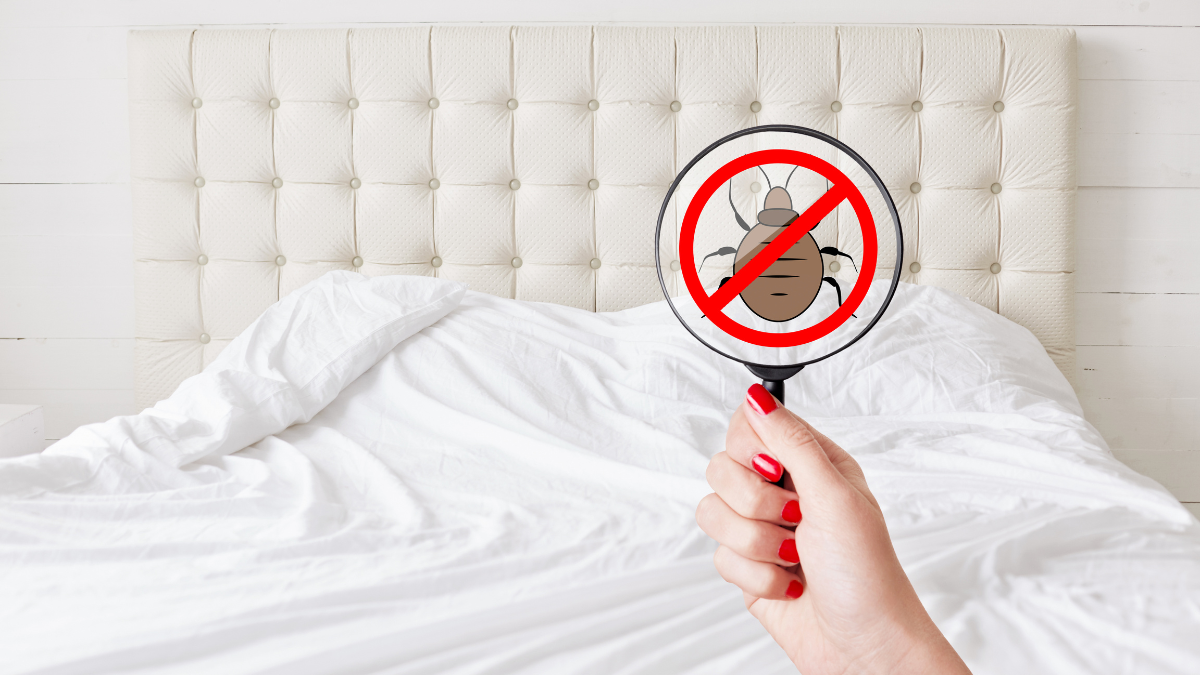
Moving creates an unusual period when nearly everything a household owns is packed, handled, transported, and unpacked within a short time. Furniture passes through hallways and vehicles, clothing moves into boxes or bags, and items that normally stay in one room may temporarily sit together. If pest activity exists at the old property, this movement creates opportunities for hidden insects to travel with possessions.
Bed Bugs are particularly relevant during a move because they can remain concealed in narrow spaces around furniture and personal belongings. Simply leaving an affected building does not separate the insects from items being transported. A careful moving plan should therefore focus on identifying questionable belongings and limiting unnecessary mixing before they enter the new residence.
The goal is not to treat every possession as contaminated. It is to use evidence, the history of the old property, and the construction of individual items to decide where closer attention belongs. Agile Pest Control may become involved when suspicious evidence needs professional identification before furniture and belongings are distributed throughout another home.
Start Planning Before Boxes Fill the Rooms
Packing immediately after suspected pest activity can make the situation harder to manage. Items from bedrooms, closets, storage areas, and common spaces may become mixed together without any record of where they were originally located. If evidence is later discovered, tracing the affected belongings becomes more difficult.
A more organized approach keeps possessions grouped according to their original rooms. Boxes should be labeled clearly, and belongings from areas with suspected activity should not be casually combined with items from rooms where no evidence has appeared. This does not confirm that any particular box contains pests, but it preserves useful information.
People who have already found Bed Bugs should avoid relying on the move itself as a solution. Changing addresses removes people from the original building, not insects concealed inside transported belongings. Decisions about affected items should be made before the moving truck becomes a place where everything is packed closely together.
Upholstered Furniture Requires Closer Attention
Sofas, upholstered chairs, mattresses, headboards, and similar pieces contain many concealed areas. Seams, folds, joints, fabric edges, undersides, and frame connections can be difficult to inspect quickly. Large furniture also tends to move directly from one living space into another, making it a sensible priority during preparation.
A clean-looking surface should not be treated as proof that the entire piece is clear. Inspection needs to consider less visible areas without unnecessarily dismantling furniture. Suspicious insects, dark spotting, shed material, or other unexplained evidence should be documented before the item is wrapped or moved.
An assessment from a provider such as Agile Pest Control may be useful when residents cannot determine what the evidence represents. Accurate identification matters before major decisions are made about furniture. Throwing away valuable items solely because of an unidentified mark may create expense without solving the actual problem.
Clothing and Linens Need an Organized Handling Plan
Clothing, blankets, curtains, and bedding are moved in large quantities during relocation. Loose piles and open bags make it easy for items from separate rooms to become mixed. Keeping belongings contained and clearly identified makes their movement easier to control.
Any cleaning or heat-related handling should follow the care requirements of the material and appropriate professional guidance. Household fabrics differ considerably, so a method suitable for one item may damage another. Random pesticide application to clothing or bedding is not an appropriate substitute for a properly selected pest response.
After items have been handled appropriately, placing them into clean containers prevents them from immediately mixing with unchecked possessions. This creates a simple separation between completed and pending items. It also makes unpacking at the new property more orderly.
Used Moving Materials Can Add Uncertainty
Cardboard boxes are convenient, but previously used boxes may have an unknown storage history. They could have spent time in garages, storage rooms, shared buildings, or other environments before being collected for the move. That history does not mean they contain pests, but it adds another variable when a household is already dealing with suspected activity.
Boxes should be examined before packing, especially around folds, seams, and damaged sections. Heavily worn materials that are difficult to inspect may not be useful for sensitive belongings. Clean containers can simplify organization where greater separation is needed.
Bed Bugs should not be blamed for every spot or insect found on packing materials. Many unrelated insects may appear around stored cardboard. Identification based on actual physical evidence is more useful than discarding possessions because an unfamiliar insect happened to be nearby.
Storage Units Change the Movement Chain
Some moves include a period when furniture and boxes remain in storage between properties. This adds another location to the route and may place possessions close to belongings from other environments. The way items are packed before storage becomes especially relevant because they may remain undisturbed for an extended period.
Residents should keep clearly labeled groups together rather than allowing containers from different rooms to become scattered throughout the unit. Furniture should not be unpacked merely to make it fit unless there is a practical reason. Preserving organization makes later inspection and unpacking easier.
If a household already has confirmed activity, Agile Pest Control may be consulted about pest-related concerns before belongings enter temporary storage. Storage itself should not be assumed to remove an infestation. Simply leaving possessions untouched for an arbitrary period is not a dependable treatment plan.
The Moving Vehicle Is an Important Transition Point
A moving truck or van temporarily places furniture, boxes, fabrics, and personal possessions in close proximity. If questionable items have not been separated beforehand, the vehicle becomes another place where their original locations are difficult to track.
Loading can follow the same organization used during packing. Clearly marked belongings from areas of concern can remain identifiable instead of disappearing among dozens of similar boxes. Residents should also avoid opening containers unnecessarily during transport.
Professional movers should be given relevant information when circumstances require it, particularly if handling procedures could affect the move. The purpose is practical coordination, not creating unnecessary alarm. A controlled process protects the organization established before loading begins.

Unpack in Stages Instead of Opening Everything at Once
The temptation after moving is to empty every box as quickly as possible. Staged unpacking provides more control when there has been a recent concern about Bed Bugs. Necessary belongings can be handled first while other sealed and labeled containers remain organized until they are ready to be addressed.
Bedrooms deserve particular care because beds, clothing, and upholstered furniture quickly become established there. Moving questionable items repeatedly between bedrooms makes later evidence harder to interpret. Keeping possessions associated with their intended rooms reduces unnecessary circulation through the new property.
Agile Pest Control may be involved if suspicious evidence appears during unpacking and requires identification. Finding something questionable does not justify moving all nearby furniture to another room. Documenting the location and limiting further movement preserves information that may assist an assessment.
Avoid Decisions That Accidentally Spread Questionable Items
Panic can create more movement than the original relocation. A resident who discovers suspicious evidence may carry bedding to another bedroom, move a chair into the hallway, or place furniture outside and later bring it back. Each action changes where belongings have been and complicates the history of the problem.
Items should not be discarded through shared areas without considering how they will be handled. Likewise, possessions should not be given away or sold when there is unresolved evidence suggesting they may be affected. Passing a questionable item to another household simply transfers the uncertainty elsewhere.
Agile Pest Control may provide pest-related assessment when professional identification is required, while decisions about disposal, cleaning, or property management should reflect the actual circumstances. The most useful response begins with confirming what has been found and avoiding unnecessary movement in the meantime.
Let the New Home Begin With Controlled Unpacking
Moving without carrying an existing pest problem forward depends heavily on organization. Keeping belongings associated with their original rooms, examining furniture before transport, managing fabrics carefully, and maintaining clear separation between checked and unchecked items make the process easier to follow.
No packing method can establish that every possession is free of hidden insects. The practical objective is to reduce uncontrolled movement and respond appropriately when real evidence appears. Fear-based disposal and random treatment create additional problems without necessarily identifying the source.
A new residence should not become the place where questionable belongings are first sorted out. Addressing concerns before loading, maintaining organization during transport, and unpacking in stages preserve useful information throughout the move. If suspicious evidence appears, limiting further movement until it is identified gives residents a clearer starting point for deciding what should happen next.