
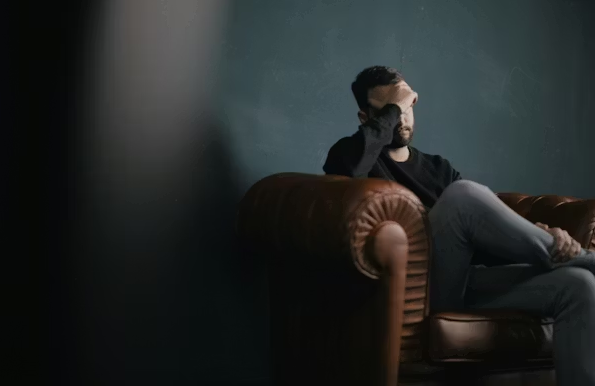
Some seasons are harder than others. Maybe you’re finishing uni and feeling untethered, or you’re working full-time for the first time and your body won’t stop running on stress. Maybe you just feel off and can’t pinpoint why. All of that is valid. You don’t need a crisis to deserve a calmer day.
This guide is a gentle starting point. It covers quick ways to settle your nervous system, where to find people who get it, how some people use plant-based aromas as small add-ons, and when structured care might be worth exploring. Take what helps and leave the rest.
A quick note: Nothing here is medical advice. If you’re in immediate danger, call 000. For 24/7 crisis support in Australia, contact Lifeline on 13 11 14.
Quick Ways to Steady Yourself Right Now
Check In with Your Body
Before you try to fix anything, just notice. Name three sensations you feel right now. Tight shoulders? Heavy eyelids? Cold hands? You don’t need to judge them. Take a small sip of water. Press your feet flat on the floor. This tiny pause can interrupt the autopilot stress loop and bring you back into the present moment.
Anchor with Breath and Senses
Try 4-4-4 breathing: breathe in for four counts, hold for four, then exhale for four. Repeat three or four rounds. If your mind wanders, that’s fine. Start again.
Another option is the 5-4-3-2-1 senses exercise. Name five things you can see, four you can touch, three you can hear, two you can smell, and one you can taste. Healthdirect Australia notes that paced breathing and grounding exercises can help reduce acute stress responses in the moment. They are short-term resets, not cures, but they can help you feel steadier when everything feels loud. A short walk or gentle stretch afterwards may extend that calm.
Sleep and Screens
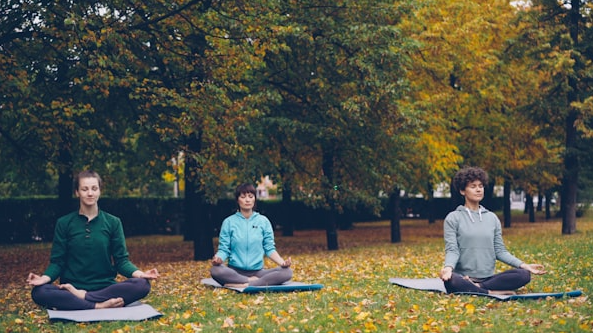
Dim your lights about an hour before bed and put your phone screen on its warmest setting. In the morning, try to get outside for a few minutes of natural light. The Sleep Health Foundation in Australia recommends reducing evening light exposure and seeking morning daylight to help regulate your sleep-wake cycle and support mood. Even ten minutes of morning sun while you drink your coffee counts.
People Who Help You Feel Less Alone
Your Circle
You don’t need a grand confession. One honest text to a friend can shift the weight. Try a small, specific ask: “Can you just listen for ten minutes? I don’t need advice, I just need to say this out loud.” Most people are glad to help when the task is clear.
Campus and Community
If you’re studying, your university may offer free counselling or wellbeing services. Outside campus, organisations like Headspace, the national youth mental health foundation, offer free or low-cost support for people aged 12 to 25 at centres across Australia. Beyond Blue also runs peer support programs that can help reduce isolation and build coping skills. Try at least two different options before deciding support is not for you. The first fit isn’t always the best fit. If creative outlets help you feel grounded, exploring self-care through art or community projects can sit alongside professional support.
Professional Support in Australia
A GP is a solid first step. In Australia, your doctor can create a Mental Health Treatment Plan, which gives you access to Medicare-subsidised sessions with a psychologist or another eligible mental health professional. Australian Department of Health guidance notes that your GP can provide referrals and help you understand what is covered. Telehealth appointments are widely available if getting to a clinic feels like too much right now. Ask the practice about gap fees upfront so costs don’t catch you off guard.
Gentle Plant-Based Add-Ons
What Terpenes Are
Terpenes are naturally occurring aromatic compounds found in many plants, fruits, and herbs. They are part of the reason lavender smells floral and citrus peel smells bright. A peer-reviewed overview in the journal Chemico-Biological Interactions describes terpenes as one of the largest and most diverse groups of plant-produced compounds. They are not medicines. If you’re curious about aromatic tonics from Australian hemp brands, you can shop terpenes online in Australia to compare product examples and usage notes. Individual responses to scent vary widely, so treat them as a sensory experience rather than a treatment.
How People Use Aromas in Routines
Some people add a few drops of a terpene-based product to a diffuser during a wind-down routine or before meditation. Others pair a particular scent with focused study time as a simple environmental cue. If you try this, keep a short journal noting which scent you used, when you used it, and how you felt. That way, you build your own picture of what feels pleasant and what doesn’t do much for you. Always check product labels, and if you’re taking medication, ask your GP or pharmacist about possible interactions.
Safety and Expectations
Start with the smallest amount the product suggests. Avoid use if you’re pregnant, breastfeeding, or managing a health condition unless a clinician says otherwise. These products are complements to a routine, not replacements for professional care.
When Alcohol Is Part of the Picture
Self-Check Questions
This isn’t about labelling yourself. It’s about honest curiosity. Ask: How often am I drinking? Is it affecting my sleep, my mood the next day, or my attendance at work or class? Have I done something while drinking that I later regretted? Do I reach for a drink specifically to numb a feeling? There are no pass-fail answers here. The point is to notice patterns, not judge them.

Getting an Assessment
If your answers concern you, talk to a GP or counsellor. What you share is confidential within standard legal limits. Bringing a trusted friend or family member to the appointment is completely fine if that feels easier. An honest conversation with a professional can help you understand where you sit and what, if anything, would help.
What Structured Care Can Include
According to the Australian Institute of Health and Welfare, common elements of alcohol use treatment include supervised detox, inpatient or residential programs, outpatient sessions, family involvement, and continuing aftercare. The right combination depends on your situation. Useful questions to ask a provider include: What does a typical day in the program look like? How is family involved? What aftercare is available once the program ends? If you’re looking near Melbourne for structured care, review alcohol rehabilitation programs for young adults to see how one provider describes these service types and to draft questions for a first call.
If you want a wider frame before making calls, reading about holistic addiction care can give you language for the emotional, social, and practical supports that sometimes sit around structured programs.
Make It Stick with Tiny Habits
Your 7-Day Experiment
Pick just two small actions from this article. Maybe it’s 4-4-4 breathing before bed and one honest text to a friend this week. Write them on a sticky note or use a simple grid tracker with seven boxes for each action. Check them off daily. The goal isn’t perfection. It’s noticing what happens when you try.

Weekly Review
At the end of the week, spend five minutes asking: What helped? What felt forced? What do I want to tweak? Celebrate the effort, not the streak. If you managed three days out of seven, that’s three more days than zero. Adjust and keep going. Building a personal creative practice alongside these habits can also help you process what you’re feeling in a low-pressure way.
Frequently Asked Questions
How do I tell a friend I’m struggling without oversharing?
Start small. You might say, “I’ve been having a rough time and could use someone to listen for a few minutes.” You don’t need to share every detail. Give your friend a clear, small ask, such as listening without offering solutions, so they know how to help.
What’s the difference between a GP, psychologist, and psychiatrist in Australia?
A GP is your general doctor and often the first step. They can create a Mental Health Treatment Plan and refer you onward. A psychologist provides talk-based therapy and doesn’t prescribe medication. A psychiatrist is a medical doctor who specialises in mental health and can prescribe medication if needed. Your GP can help you figure out which option fits.
Are there risks to trying aromatic plant products?
Yes, there can be. Some people experience skin irritation, headaches, or allergic reactions. Products can also interact with certain medications. Always start with a small amount, read the label carefully, and check with a pharmacist or doctor if you have existing health conditions or take medication.
How can I support myself while waiting for a first appointment?
Use the grounding techniques in this article, such as 4-4-4 breathing and the 5-4-3-2-1 senses exercise. Keep a basic routine for sleep, movement, and meals. Reach out to free services like Headspace or Beyond Blue for support in the meantime. Waiting is hard, but you can still take small steps while you wait.
Conclusion
You don’t have to overhaul your life today. Pick one thing from this page, such as a breathing exercise, a text to a friend, or a GP appointment, and try it before the week is out. Feeling steadier is built from small, honest steps. You deserve support, and asking for it is a strong place to start.