
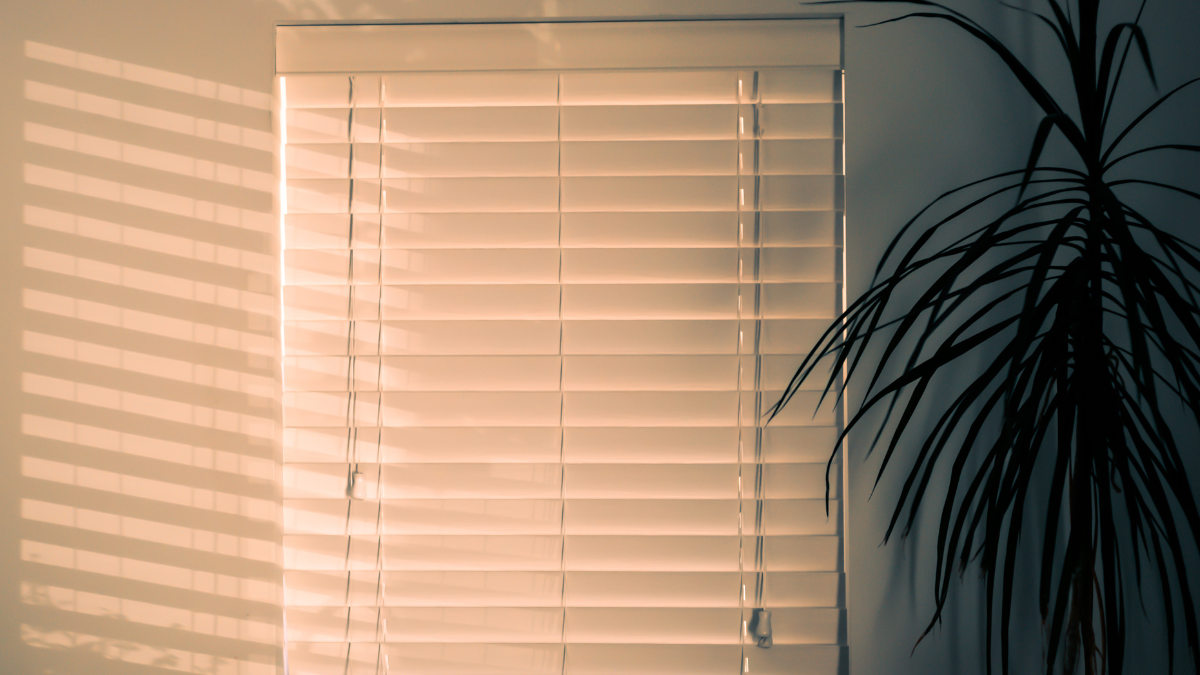
Interior styles change over time, but window coverings usually remain in place far longer than small decorative accessories. A choice that coordinates perfectly with a current trend may feel limiting after furniture, wall colors, or artwork change. Homeowners can avoid that problem by treating window coverings as part of the room’s architecture rather than as temporary decoration.
The most adaptable approach begins with proportion, material, color, and the existing character of the home. Shutters can create stronger architectural definition, while Blinds can introduce a more streamlined layer with adjustable coverage. Neither option belongs exclusively to one decorating style, so the surrounding room should guide the decision.
AAA Blind & Shutter Factory can be considered when homeowners are comparing configurations that need to work with both present furnishings and future design changes. Instead of selecting a covering because it matches one decorative trend, consider how it relates to permanent features such as trim, flooring, cabinetry, and doors. Those elements usually provide a more dependable design reference.
Separate Lasting Interior Features From Short-Term Trends
A room often contains two different categories of design elements. Flooring, built-in cabinetry, doors, trim, and major architectural features may remain unchanged for years, while paint colors, rugs, cushions, and accessories are easier to replace. Window coverings generally make more sense when they relate to the first group.
This does not mean homeowners should avoid personality. Texture, finish, and color can still contribute character without depending on a highly specific trend. The objective is to create a foundation that can accommodate future decorative changes.
Before selecting a style, identify which features are likely to remain in the room. Their lines and proportions can provide useful guidance. A covering that responds to those elements is less likely to look disconnected when smaller furnishings eventually change.
Give Traditional Rooms Structure Without Excessive Ornament
Traditional interiors often contain substantial furniture, detailed trim, warm materials, and recognizable architectural features. Window coverings can support that character without adding another heavily decorative layer. Too many competing details may make the room feel visually crowded rather than established.
Shutters can work particularly well where homeowners want the windows to read as architectural features. Their frames and repeated lines can relate naturally to molding, paneled doors, built-in shelving, or other structured elements. The finish should still coordinate with the room rather than automatically copying every piece of trim.
Restraint matters in traditional spaces. If wallpaper, furniture, rugs, and artwork already contain considerable pattern or texture, quieter window finishes may create necessary balance. A room does not need every element to communicate the same style equally strongly.
Keep Contemporary Rooms Visually Controlled
Contemporary interiors often rely on clean lines, deliberate spacing, and a limited number of prominent materials. Window coverings in these rooms should usually respect the architecture rather than interrupting it with unnecessary detail. Mounting position and visible hardware can therefore matter almost as much as color.
Blinds can provide adjustable coverage while maintaining a clear geometric appearance. Slat proportions, finish, and alignment should relate comfortably to nearby windows and furniture. Strong contrast may create a focal point, while quieter tones can allow the window to blend into the wall.
AAA Blind & Shutter Factory may be included during comparisons when homeowners want to evaluate how different configurations affect the room’s overall visual weight. Samples should be considered beside actual finishes whenever possible. Showroom lighting alone may not reveal how a material behaves in the home’s natural light.
Work With Transitional Interiors Through Balanced Details
Transitional rooms combine traditional and contemporary influences rather than committing completely to either direction. They may include classic furniture with simpler lighting, traditional trim with modern artwork, or warm materials alongside clean architectural lines. Window coverings can help connect these contrasting features.
Repeat Selected Details Instead of Everything
Choose a few characteristics worth repeating across the room. A finish might relate to existing trim, while the covering’s clean geometry connects with more contemporary furniture. This selective coordination creates continuity without making the interior appear overly matched.
Avoid treating transitional design as a requirement to place equal amounts of old and new everywhere. Some windows can remain visually quiet while furniture or architecture carries more personality. Balance is usually more convincing when it develops naturally across the complete room.
Use Neutral Finishes Without Making the Room Feel Flat
Neutral window coverings are often selected for their flexibility, but neutral does not have to mean visually featureless. Differences in undertone, texture, sheen, and material can influence how a covering relates to surrounding surfaces. A warm neutral may behave very differently beside cool gray walls than beside natural wood.
AAA Blind & Shutter Factory can be considered when comparing samples against existing trim, flooring, or cabinetry. Looking at materials during different parts of the day can reveal undertones that are less obvious under artificial lighting. This step is especially useful when several neutral finishes appear nearly identical at first.
Homeowners should also think about contrast. A covering that matches the wall closely can create a quieter effect, while a slightly deeper or lighter tone can define the opening. Both approaches can remain adaptable if the relationship with permanent room elements is considered carefully.
Let Natural Materials Influence Relaxed Interior Styles
Casual, coastal-inspired, rustic, and nature-focused interiors often use visible wood grain, woven textures, stone, linen, and other materials with an organic character. Window coverings do not need to imitate every natural surface in the room. Too much repetition can make the design feel themed.
Instead, decide whether the window should add texture or provide a calmer background. If flooring and furniture already contain strong grain and variation, a simpler finish may create balance. In a quieter room, the window can carry slightly more material character.
Color relationships are often more useful than exact matching. Coordinating warm, cool, or muted undertones can connect different materials without making them identical. This gives the interior greater flexibility if individual furniture pieces change later.
Consider Mid-Century and Retro Influences Carefully
Rooms inspired by earlier design periods can be distinctive without becoming literal recreations. Strong furniture silhouettes, characteristic colors, and recognizable materials may already establish the desired period. Window coverings can support that direction without turning into another obvious historical reference.
Shutters or other structured coverings should be evaluated according to the actual architecture rather than selected simply because they appear traditional or modern. Window size, trim, ceiling height, and furniture placement remain important. A well-proportioned covering can coexist with period-inspired furniture when its details are controlled.
Avoid relying on one fashionable color to connect everything. Upholstery and accessories provide easier places to use highly specific trend colors. Window finishes generally benefit from a longer visual lifespan.
Coordinate Different Rooms Without Copying Them
A home does not need one identical window covering in every room to feel cohesive. Bedrooms, living areas, kitchens, and offices may have different practical requirements and decorative styles. Repeating selected characteristics can provide enough connection.
Blinds in one room might share a finish family with another type of covering elsewhere. Similar mounting lines or related neutral tones can also create continuity. The goal is to make transitions between rooms feel considered without ignoring each space’s individual needs.
AAA Blind & Shutter Factory can be included when homeowners are planning several rooms and want to compare how different products relate visually. Looking at the home as a sequence of connected spaces can reveal where consistency matters most. Highly visible adjoining rooms generally need more coordination than areas separated by hallways or closed doors.
Avoid Choosing a Covering Around One Piece of Furniture
Matching a window covering directly to a sofa, rug, or accent chair can seem logical, but individual furniture pieces may eventually be replaced. A highly specific match can then become difficult to work around. Permanent architectural features usually provide a more stable reference.
Consider the complete palette instead. Wood tones, wall colors, flooring, metals, and major furnishings can establish a range rather than a single matching target. The covering can sit comfortably within that range without duplicating any one object.
This approach also gives homeowners more freedom to redecorate. New upholstery, artwork, or accessories can change the personality of the room while the windows continue to feel appropriate. Adaptability becomes part of the original design decision.
Build a Window Style That Can Evolve With the Home
Window coverings are less likely to feel dated when their design responds to architecture, proportion, and lasting materials rather than a short-lived decorative trend. Homeowners can still use distinctive finishes and textures, but those choices should have a clear relationship with the complete interior. Thoughtful restraint often creates more flexibility than exact matching.
AAA Blind & Shutter Factory can be considered when comparing options intended to remain visually compatible through future decorating changes. Examining samples beside permanent surfaces and considering multiple rooms together can make differences in color, scale, and visual weight easier to understand. Practical operation should remain part of the decision alongside appearance.
A successful interior does not depend on every feature belonging to one narrowly defined style. Traditional, contemporary, transitional, and relaxed spaces can all benefit from window coverings chosen with their surroundings in mind. When permanent architecture provides the foundation, the rest of the room can evolve without making the windows feel left behind.