
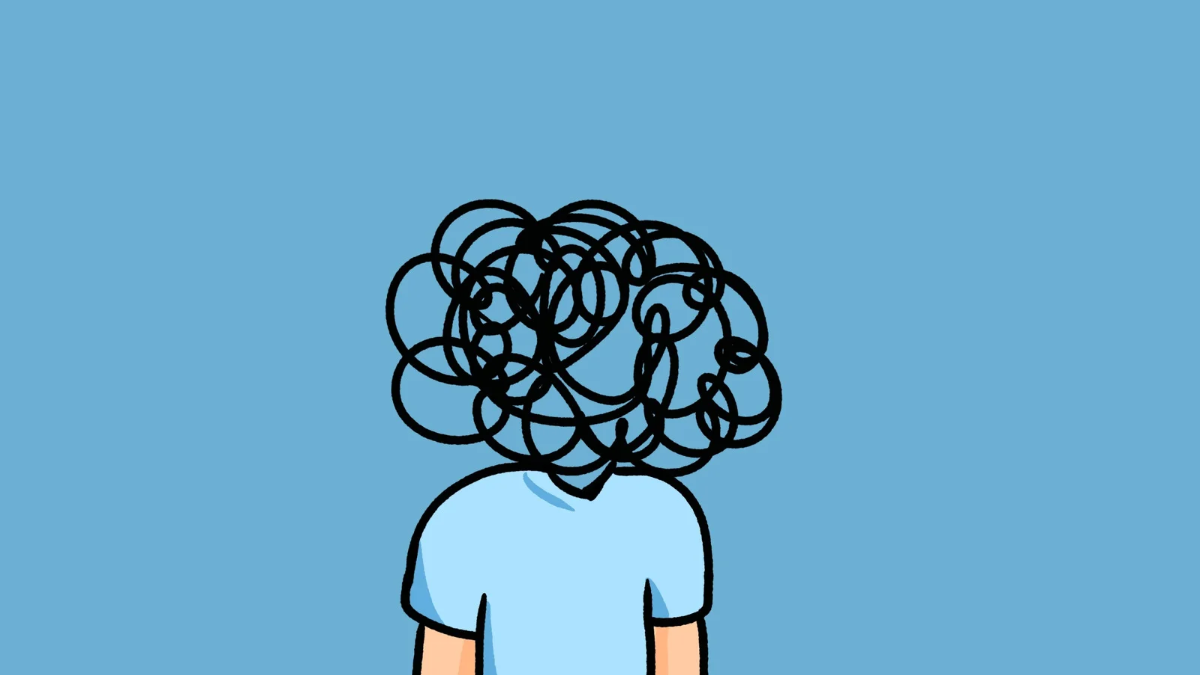
Author: Rego Park Counseling
Stress is part of life. A deadline, a sick parent, or a tight month can leave anyone tense, short on sleep, and hard to be around. That reaction is normal, and it usually eases once the pressure does.
Sometimes it does not ease; the worry stays after the deadline passes, or a low mood settles in for weeks. In 2024, over 23% of U.S. adults had a diagnosed mental health condition in the past year, yet only about half of them received any treatment [1]. Here is how you can tell the difference between daily stress and more severe issues.
Stress, Anxiety, and Depression Are Not the Same
Stress is usually a response to something outside you, such as a big exam or an argument with a friend. It tends to fade once the situation is resolved [2].
Anxiety is your body’s reaction to stress, and it can continue even when there is no current threat. Occasional anxiety is normal. When it does not go away, gets in the way of daily life, or leads you to avoid things, it may point to an anxiety disorder [2]. Unlike everyday stress, an anxiety disorder is a medical condition, not just a reaction to a hard week.
Depression is also a medical condition that involves consistently low mood or loss of interest for at least two weeks, along with difficulties in handling your day-to-day activities [3]. Long-term stress may lead to both anxiety disorder or depression [2].
Two Questions to Ask Yourself
The National Institute of Mental Health (NIMH) suggests looking at two things: the length of time symptoms have been occurring and how damaging they are.
If you have been feeling sad or worried for less than 2 weeks and can still look after yourself and others, self-care might be sufficient. Regular physical activity, sufficient sleep, and time with people you trust are good starting points.
If symptoms last longer, consider seeking professional help. The signs include feeling hopeless or worthless, losing interest in things you normally enjoy, and having trouble completing everyday tasks [4].
Warning Signs to Watch For
These signs suggest that stress may have become something else [2][3]:
- Worry or tension that seems always present or that continues after the stressful situation has ended
- Trouble falling asleep, waking too early, or sleeping much more than usual
- Difficulty concentrating, remembering details, or making simple decisions
- Skipping plans, avoiding calls, or pulling away from family and friends
- Losing interest in hobbies and activities you used to enjoy
- Drinking or using other substances more often to relax, sleep, or get through the day
- Feelings of hopelessness or worthlessness, or thoughts of death or suicide
That latter sign calls for action right away. Anyone can call or text 988 to reach the 988 Suicide and Crisis Lifeline for 24-hour, confidential support. In a life-threatening emergency, call 911.
When Alcohol or Other Substances Become a Way to Cope
Many people have a drink to unwind, so it is easy to miss when drinking turns into a coping strategy. Alcohol is often used to manage symptoms of anxiety and other mental health conditions, even though it can make those problems worse over time. Seeking short-term relief may bring along heavy drinking and repeated withdrawal, which increase both anxiety and the alcohol problem [5].
If you need a drink or a pill to sleep, calm down, or face certain situations, mention it to a professional. Many outpatient programs treat mental health and substance use together.
Why People Wait to Get Help
71% of adults who needed mental health care but did not get it believed they should handle it alone. Many also cited cost or not knowing where to go as a barrier [1].
Needing help is not a weakness. Common treatments include therapy and medication [4]. If cost is a concern, call the number on your insurance card or the clinic and ask what is covered before ruling treatment out.
What to Expect at Your First Counseling Session
The first session is primarily a conversation. The counselor will ask what brought you to counseling, how long you have had symptoms, how you are sleeping and eating, if you drink alcohol or take drugs, and what you would like to change. There is no right or wrong in how you start the conversation. The counselor will help you define your goals and next steps.
Write down your questions and concerns before the appointment, talk honestly and in detail about your symptoms (including when they started), and bring a trusted friend or family member if that helps [6].
If what you thought was manageable stress has started to impact your daily functioning, programs that offer anxiety counseling or depression treatment could help. Ask a few practical questions before you start. Does the clinic accept your insurance? Does it treat substance use as well as mental health? Can some sessions take place online?
How Online Therapy Can Lower the Barrier
Time is a real obstacle. Nearly half of adults with an unmet need for mental health care said they did not have enough time for treatment [1]. Video sessions remove the commute and make it easier to fit therapy around work and family.
Online therapy is already common. In 2024, about one in three adults with a mental health condition received treatment by telehealth [1]. Research supports it as well: a meta-analysis of randomized trials found video-based therapy roughly comparable to in-person therapy for reducing symptoms of depression [7].
Online therapy for anxiety can also be beneficial for people with mobility issues or privacy concerns. Some clinics require an initial visit in person and then switch to the video format, and many allow a combination of the two. You just need a private space and a stable connection.
Conclusion
Stress is a normal part of life. If it goes on for weeks, disrupts your sleep or concentration, pulls you away from other people, or leads you to alcohol or other substances, it’s time to talk to a professional. A first appointment is not a commitment to years of therapy. It’s an opportunity to find out what’s going on and what you can do.
Sources
[1] Substance Abuse and Mental Health Services Administration. 2025. Key Substance Use and Mental Health Indicators in the United States: Results From the 2024 National Survey on Drug Use and Health. NSDUH Series, No. H-60.
[2] National Institute of Mental Health. 2020. I’m So Stressed Out! Fact Sheet. NIH Publication, No. 20-MH-8125.
[3] National Institute of Mental Health. 2024. Depression. NIH Publication, No. 24-MH-8079.
[4] National Institute of Mental Health. 2025. My Mental Health: Do I Need Help? NIMH Health Publications.
[5] National Institute on Alcohol Abuse and Alcoholism. 2025. Mental Health Issues: Alcohol Use Disorder and Common Co-Occurring Conditions. Healthcare Professional’s Core Resource on Alcohol.
[6] National Institute of Mental Health. 2022. Tips for Talking With a Health Care Provider About Your Mental Health. NIH Publication, No. 22-MH-8094.
[7] Giovanetti et al. 2022. Teletherapy Versus In-Person Psychotherapy for Depression: A Meta-Analysis of Randomized Controlled Trials. Telemedicine and e-Health, 28(8), 1077–1089.