HVAC Sizing: Why Bigger Units Can Leave Your Home Uncomfortable

by | Oct 14, 2026 | How To | 0 comments

I once watched a homeowner pay about 1,800 dollars to rip out a three year old air conditioner. Nothing was broken. The unit was simply too big for the house, and no one caught it before the install day. The compressor cycled on and off like a porch light on a windy night, the bedrooms never lost their humidity, and the electric bill climbed every summer. Sizing is the part of your install that decides whether the next fifteen years feel effortless or annoying.

Here’s the promise, and it’s a simple one. By the end of this piece you’ll know why bigger isn’t better, how a real load calculation works, and the exact questions to ask before anyone rolls a truck into your driveway. You’ll also know why the wrong crew costs you more than the right one.

Quick math first, because it reframes everything. Contractors are taught a rough rule of thumb: one ton of cooling capacity for every 400 to 600 square feet. That’s where “get a three ton unit, you’ve got about 2,000 square feet” comes from. The rule ignores your windows, your insulation, your attic, and the direction your house faces. A whole house worth of readings, run through software, tells the real story. If you want that done properly by someone who’s been crawling through Arkansas attics for decades, that’s how you find an hvac installation contractor worth trusting with the job.

The rule of thumb also ignores the summer air you’re living in. A system that’s slightly oversized runs for shorter bursts, which means it never runs long enough to pull moisture out of the air. You get cold clammy rooms instead of dry comfortable ones. That’s the humidity problem most homeowners blame on “the AC being weird,” when it’s really a sizing problem from day one.

What Oversizing Actually Costs You

Let me give you the honest accounting, because this is where I stop being polite about it. An oversized system shortens its own life, raises your monthly bill, and makes the house less comfortable at the same time. That’s three losses on one purchase. I’d take a correctly sized unit with a lower SEER rating over an oversized premium system any day. Long run times are the friend of comfort.

Here’s the quiet cost. Every time the compressor kicks on, it draws a spike of current far above what it uses while running. Short cycling means dozens of extra startups a day. Over a season, that adds up in wear on the compressor and the blower, the two parts that cost the most to replace. A properly matched system runs longer, starts less, and settles into an easy rhythm. The U.S. Department of Energy keeps solid guidance on equipment selection and efficiency ratings through its Energy Saver resources, and their message is consistent: match the equipment to the load, not to the sticker.

Now the other direction. Undersize the unit and it never catches up on the hottest afternoons. It runs nonstop, which is its own kind of damage, just a slower one. So the target isn’t “as much capacity as you can afford.” It’s the number the calculation spits out.

How a Real Load Calculation Works

You may have heard the term Manual J. That’s the industry standard method for figuring out how much heating and cooling a specific house actually needs. It’s not a guess and it’s not a quote based on square footage. It’s a set of measurements and inputs run through software. The standards behind it come from the building science world; you’ll see them referenced by the American Society of Heating, Refrigerating and Air-Conditioning Engineers, which is the body the trade leans on for these methods.

A real calculation accounts for:

  • Square footage and ceiling height of each room, not the whole house averaged
  • Window count, size, and which direction they face
  • Insulation levels in the walls and attic, plus any air sealing already done
  • Number of occupants and heat given off by appliances
  • Local climate data for your specific city, not a regional average

Four to six of those inputs can swing the answer by a full ton in either direction. That’s why two contractors can quote two different systems for the same house and both sound confident. Only one ran the numbers.

There’s a matching step too, and people miss it. Once the load is known, the ductwork has to be able to move that much air. A perfectly sized unit choked by undersized ducts performs like an undersized unit. Ask whether ducts get measured or just eyeballed. You want measured.

Questions to Ask Before Anyone Quotes a System

Here’s the practical part, and I’d genuinely use this list myself.

  1. Will you run a Manual J calculation? If the answer is no, or “we go by square footage,” thank them and move on.
  2. Can I see the output? You don’t need to understand every line. You want to see that it exists and that it used your address.
  3. What tonnage came out of the calculation? Write the number down. Then check whether the quoted equipment matches it.
  4. Have you checked the ducts and the return air path? This is where hidden capacity losses live.
  5. What’s the air sealing and insulation situation? Sometimes a small duct fix beats a bigger unit, and a good contractor will say so.

That last one matters more than people expect. Sealing leaks and topping up attic insulation reduces the load, which can mean a smaller, cheaper system does the same job. The National Institute of Standards and Technology does building performance research in this space, and the underlying physics is boringly reliable: less heat coming in means less equipment needed to push it back out. Some homeowners hear “smaller unit” as a downgrade. It’s the opposite. It’s the right box for the job, and it pays you back monthly.

The Install Crew Matters as Much as the Spec Sheet

Here’s my stance after watching a lot of installs. The equipment brand is the least interesting variable in the whole project. A name brand system installed with sloppy connections, wrong charge, and a bypassed filter will underperform a mid-tier system installed carefully. The craftsmanship is the product.

Concretely, I’d ask to see three things on install day:

  • The line set and connections before the panels go back on, so you can see clean work and no kinks
  • A reading of the refrigerant charge once the system has run and stabilized
  • A walkthrough of the thermostat settings and the filter size you’ll need going forward

None of that is exotic. All of it gets skipped when a crew is rushing to the next job. You’re not being difficult by asking. You’re protecting a purchase that’s supposed to last well over a decade.

There’s one more realistic scenario worth naming. Say your system is twelve years old, the summer bills are climbing, and a room over the garage never gets cool. The instinct is to replace the unit with a bigger one. The better first move is a load calculation plus a duct evaluation. Sometimes the answer is a smaller unit plus a ducted fix, and sometimes it’s a ductless system for that one room. A contractor who only ever sells full replacements isn’t doing you a favor.

What Good Sizing Sets You Up For

Get this part right, and the rest gets easier. Your system runs longer, gentler cycles, which pull humidity down and keep every room closer to the same temperature. Your equipment wears more slowly, so it lasts closer to its rated life instead of limping toward year ten. Your energy use tracks the actual load instead of fighting it. None of it depends on secret technology or a premium brand. It depends on someone measuring your house before they sell you a box. That’s the whole thing, and it’s why I’d always pick patient measurement over fast enthusiasm.

So here’s your next step. Before you sign anything, ask for the Manual J output. Not a summary, the output. If a contractor can produce it, walk the ducts, and explain the tonnage in plain language, you’ve found someone worth keeping on speed dial for the next fifteen years.
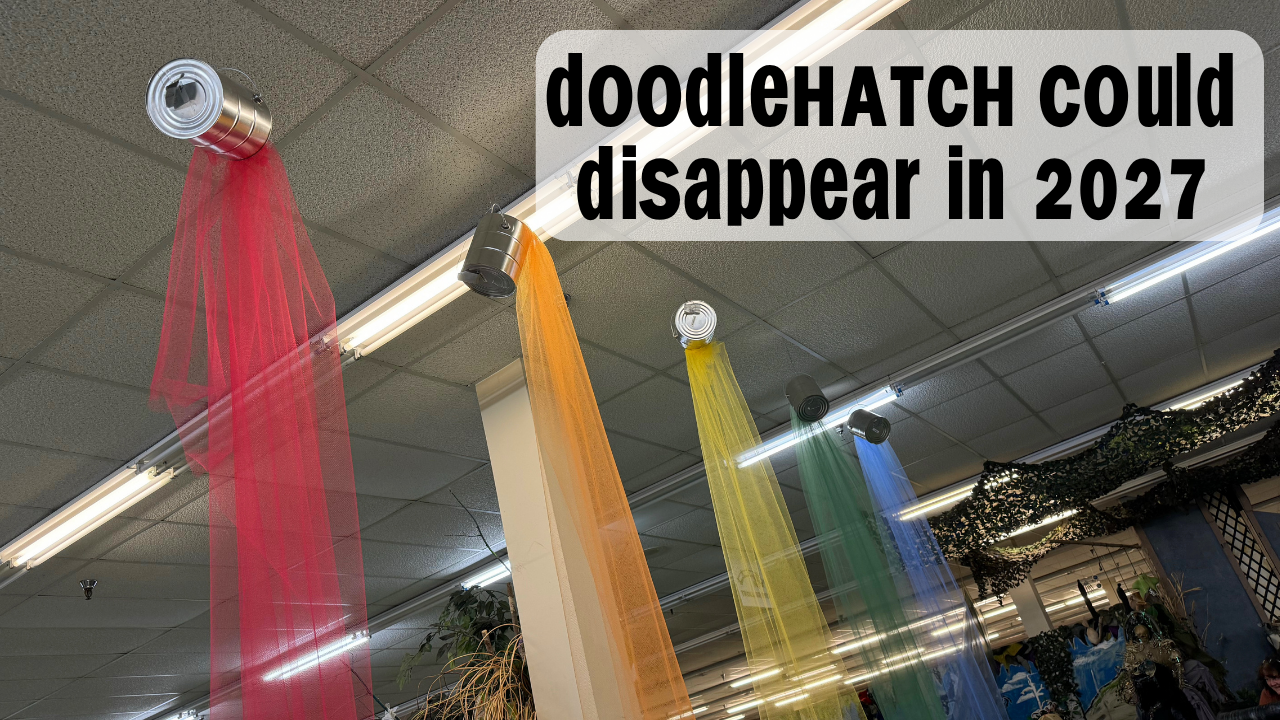
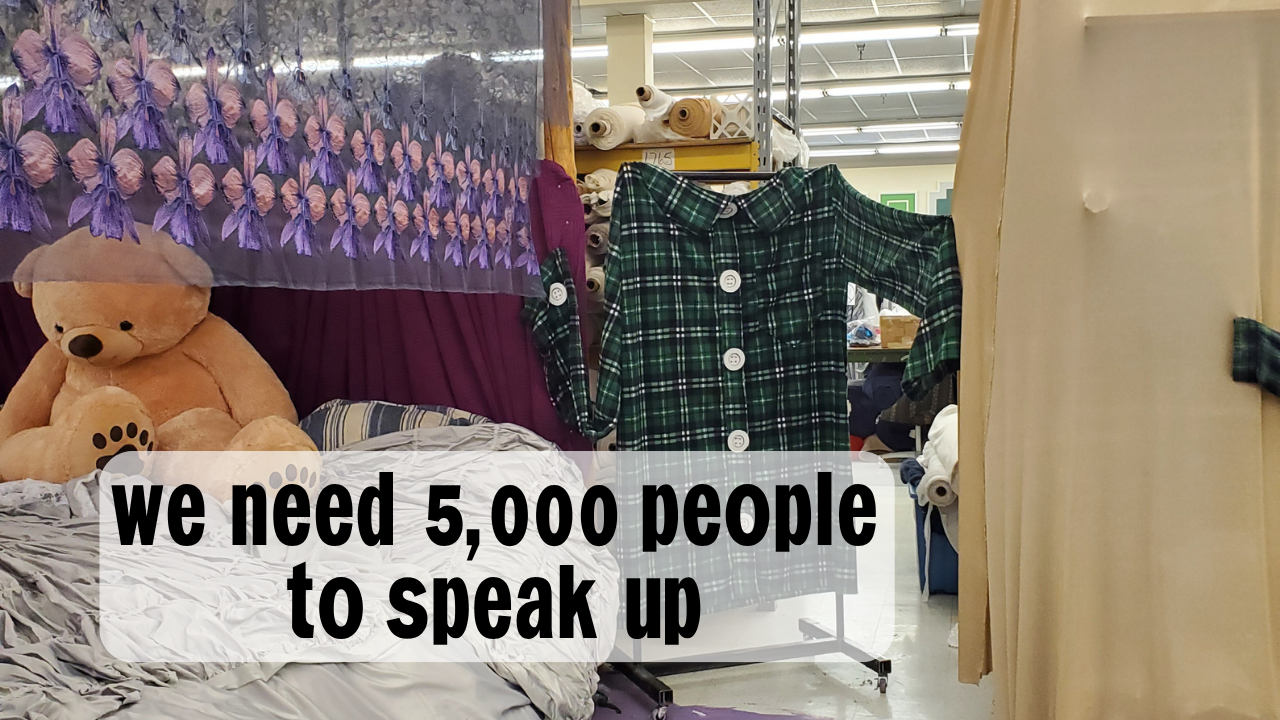
In Columbia, Maryland, there’s a former grocery store that has been transformed into a department store for mythical creatures, time travelers, and intergalactic tourists.

It’s called DoodleHATCH.

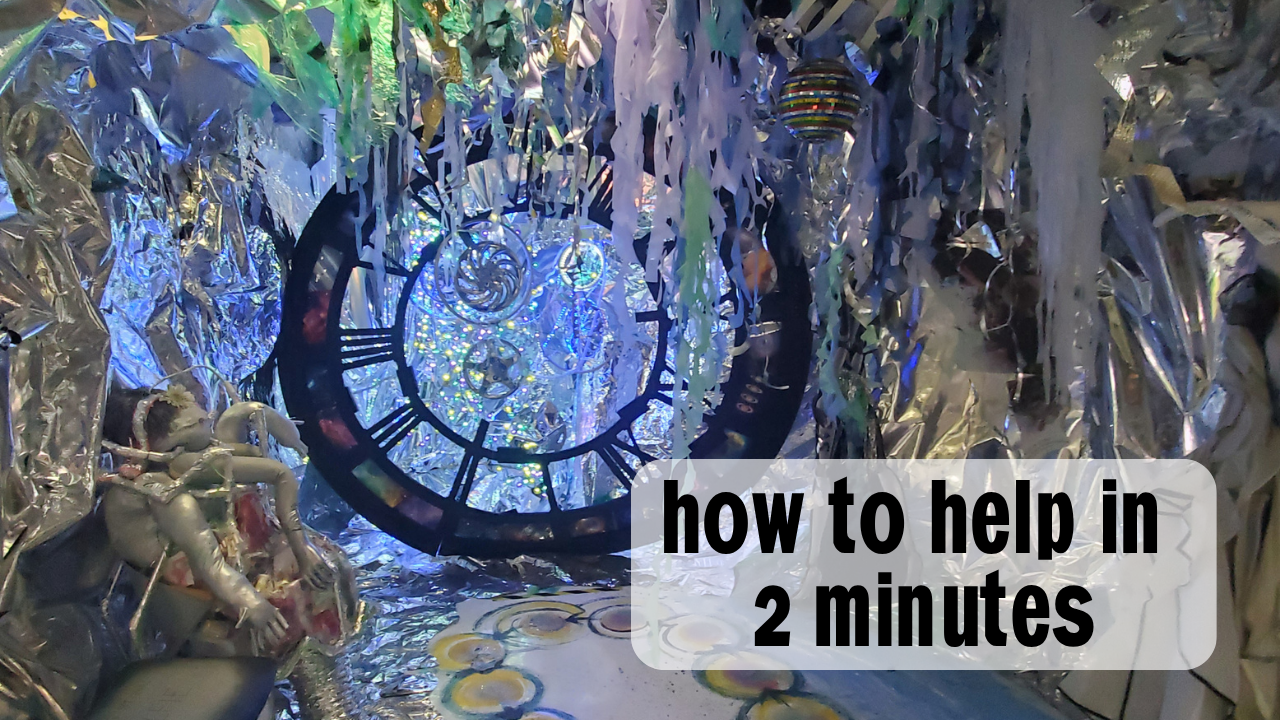
You can groom a unicorn, visit an intergalactic space station, climb onto a giant’s bed, meet guinea pigs, explore an artist’s studio, and discover approximately a million other things that somebody actually sat down and made.

It’s a nonprofit interactive art museum, a community project, an educational resource, and one of my favorite places I’ve ever discovered.

And it could be demolished as part of a proposed redevelopment of the Long Reach Village Center.

But there’s still an opportunity to help.

You don’t need to donate money. You don’t need to live in Maryland. And you don’t need to know anything about zoning laws.

You can start by writing an email.

🚨 Here's what's happening

Developer Columbia Concepts has proposed redeveloping the Long Reach Village Center in Columbia, Maryland.

The proposal would replace existing buildings with new housing, recreational facilities, and other development.

Unfortunately, that puts a whole collection of existing community resources at risk of being demolished, including:

  • DoodleHATCH Interactive Art Museum
  • Maryland Fashion Institute
  • A makerspace used for community education
  • Local restaurants, shops, and service businesses
  • Early childhood education and community programs
  • A 140-foot-long mural created by approximately 100 community members

This isn’t just about losing a fabulous museum. It’s about losing an entire collection of places that people have built, supported, and relied on.

And there’s another possibility!

🌈 Meet The REALM

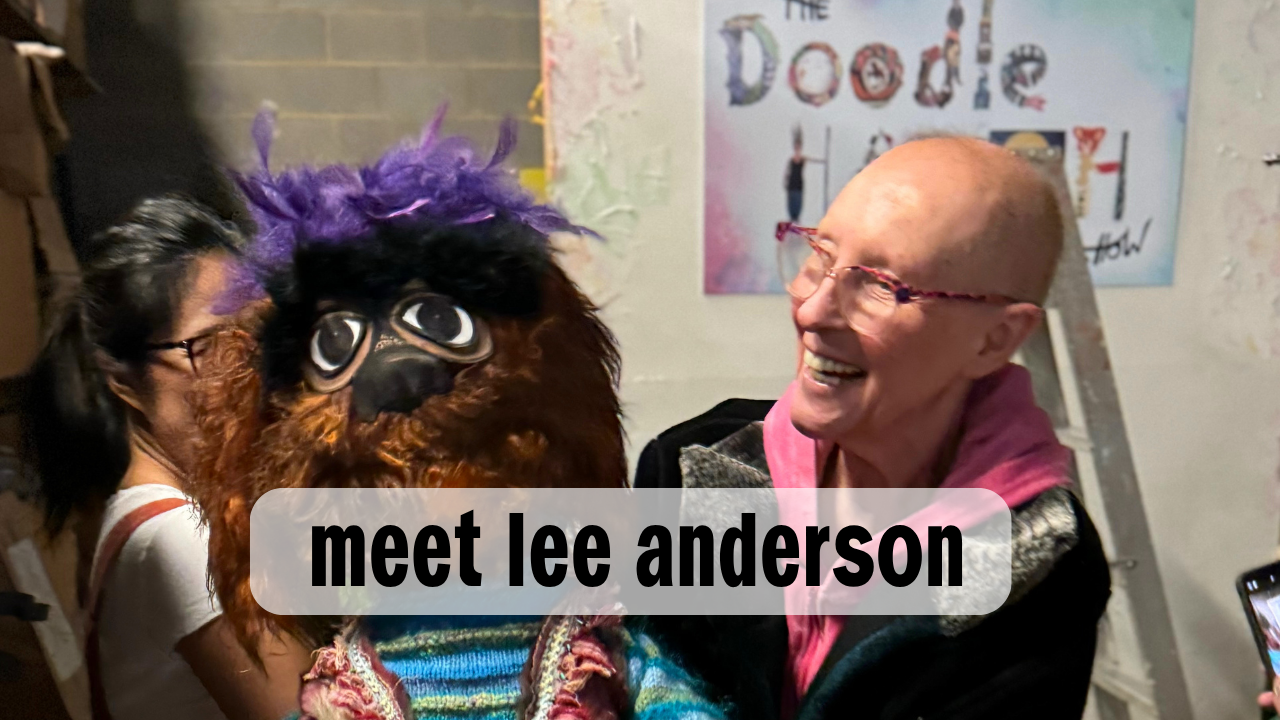
Lee Andersen, the founder of DoodleHATCH, and her nonprofit ManneqART want to preserve the existing community resources and transform the village center into an arts and culture destination called The REALM.

Imagine a place where artists have studios, children have room to explore, students can learn creative skills, people can attend performances, and local businesses continue serving their neighbors.

There are plans for a performing arts space, more opportunities for artists, and a Witches Kitchen that might serve you a horrible-disgusting breakfast.

Which, personally, I think sounds promising.

The people behind DoodleHATCH are gathering support to oppose the developer’s zoning proposal and advocate for The REALM.

And they’d love your help.

💌 How to help in about two minutes

If you live in Howard County, Maryland

If you’re 18 or older, DoodleHATCH is asking eligible county residents to visit the museum and sign their petition in person.

📍DoodleHATCH Interactive Art Museum

8775 Cloudleap Court, Unit 101
Columbia, MD 21045

⏱️ Museum hours: Friday–Sunday, 10 AM–5 PM.

And while you’re there, I highly recommend exploring the museum. Bring someone who needs a reminder that being an adult doesn’t mean you have to stop enjoying ridiculous things.

If you don't live in Howard County

You can still help!

DoodleHATCH is collecting emails from people who oppose the proposed Columbia Concepts redevelopment and support preserving the existing arts and community resources through The REALM.

Send your email to: Lilou@DoodleHATCH.com

Suggested subject: Support The REALM | Oppose Columbia Concepts Zoning Proposal ZB 1132M

You can write your own message or use one of the templates below.

You don’t need to write an essay. A short, genuine message explaining what you support and why is enough to participate in this email campaign.

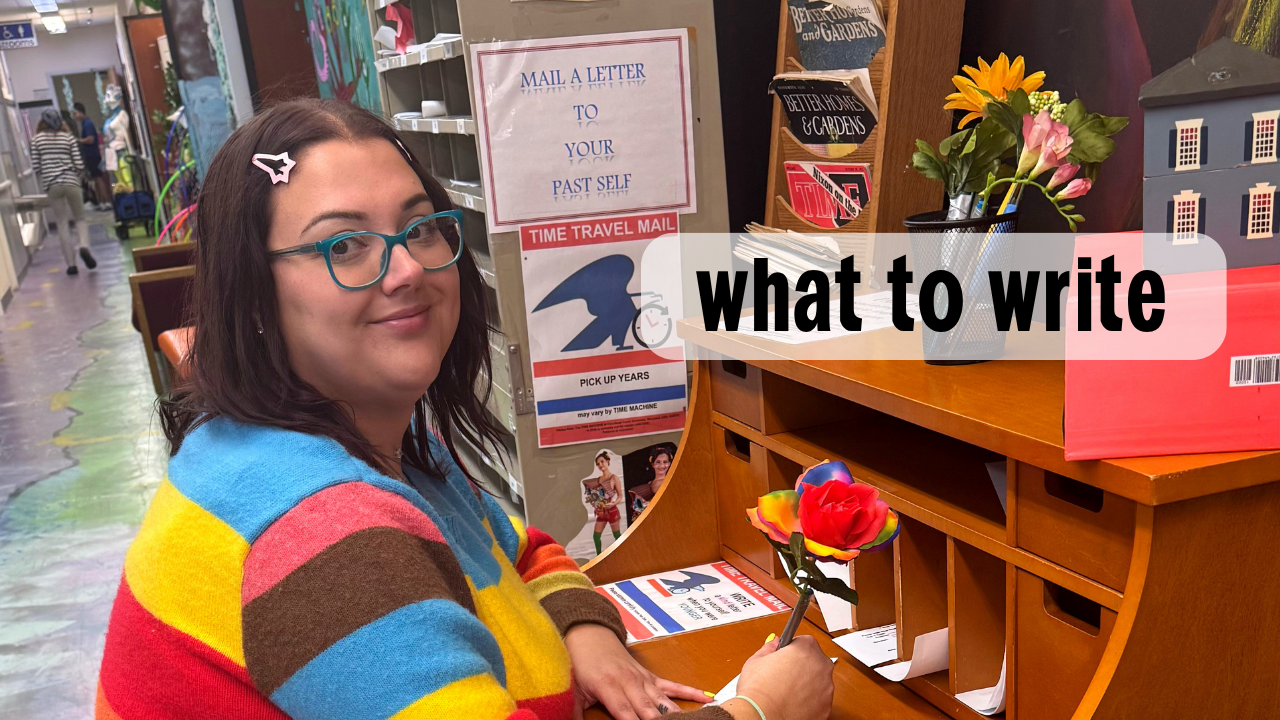
✍️ What should your email say?

To make your position clear, include these three things:

1. Say what you’re opposing.

State that you oppose the proposed Columbia Concepts redevelopment and zoning amendment for the Long Reach Village Center, case ZB 1132M.

2. Say what you’re supporting.

Express your support for preserving DoodleHATCH, the Maryland Fashion Institute, existing community resources, and the proposed arts and culture center called The REALM.

3. Explain why you care.

This is the part that makes your email yours.

Maybe you’ve visited DoodleHATCH. Maybe you’re a parent who wants more creative places for children. Maybe you’re an artist, an educator, or someone who thinks it’s important to protect the few spaces where people can explore and make things without needing to buy something.

Maybe you live across the country and just learned that there’s a department store for mythical creatures in Maryland, and you think the world would be a little less interesting without it.

That’s a perfectly good reason to care.

💌 Email templates you can copy

Option 1: Short, simple, and effective

Subject: Support The REALM | Oppose ZB 1132M

Hello,

I’m writing to express my opposition to the proposed Columbia Concepts zoning amendment and redevelopment of the Long Reach Village Center (ZB 1132M).

I support preserving DoodleHATCH, the Maryland Fashion Institute, and the existing community services and small businesses, as well as the proposal to create The REALM arts and culture center.

Creative and educational spaces like these provide valuable opportunities for families, artists, students, and the wider community. I believe they deserve to be protected.

Please include my email with the messages of support being collected for DoodleHATCH and The REALM.

Thank you,

[Your Name]
[Your City/State]

Option 2: For artists, creatives, and fellow merriment makers

Subject: Please Protect DoodleHATCH and Support The REALM

Hello,

I’m writing in opposition to Columbia Concepts’ proposed redevelopment and zoning amendment for the Long Reach Village Center (ZB 1132M), and in support of The REALM.

I believe communities need places where creativity, imagination, and play are actively encouraged.

DoodleHATCH is an extraordinary example of what can happen when artists and community members are given room to create something that doesn’t fit into an ordinary commercial space.

Places like this are rare. They encourage people of all ages to experiment, learn, explore, and connect with one another.

I support preserving DoodleHATCH, the Maryland Fashion Institute, the existing community resources, and the vision for The REALM.

Thank you for collecting these messages and advocating for the creative community.

[Your Name]
[Your City/State]

Option 3: For people who've visited DoodleHATCH

Subject: Please Save DoodleHATCH | Oppose ZB 1132M

Hello,

I’m writing to express my opposition to the proposed Columbia Concepts redevelopment and zoning amendment for the Long Reach Village Center (ZB 1132M), and my support for The REALM.

I’ve personally visited DoodleHATCH, and I want to share why I believe it’s worth preserving.

[Write two or three sentences about your experience. What did you see? Who did you bring? What surprised you? What made you want to return?]

DoodleHATCH is more than a collection of exhibits. It’s a place where creativity is something people can actively participate in, and I believe losing it would be a tremendous loss to the community.

I support preserving the museum, the Maryland Fashion Institute, and the other existing community resources through the proposed arts and culture center, The REALM.

Please include my email with the messages of support you’re collecting.

Thank you,

[Your Name]
[Your City/State]

A few tips before you hit send

DO:

  • Use your real name.

  • Include your city and state so organizers can understand where support is coming from.

  • Clearly identify the redevelopment proposal you’re opposing.

  • Specifically mention your support for The REALM.

  • Add a personal sentence or two if you can.

  • Be respectful, even if you’re frustrated.

  • Share this page with other people who might want to help.

DON’T:

  • Pretend to be a Howard County resident if you’re not.

  • Claim to have visited DoodleHATCH if you haven’t.

  • Make up experiences or information.

  • Send threatening, insulting, or harassing messages.

  • Assume your email is the same thing as signing the official petition.

  • Worry about making your message sound impressive. Clear and genuine is better than elaborate.

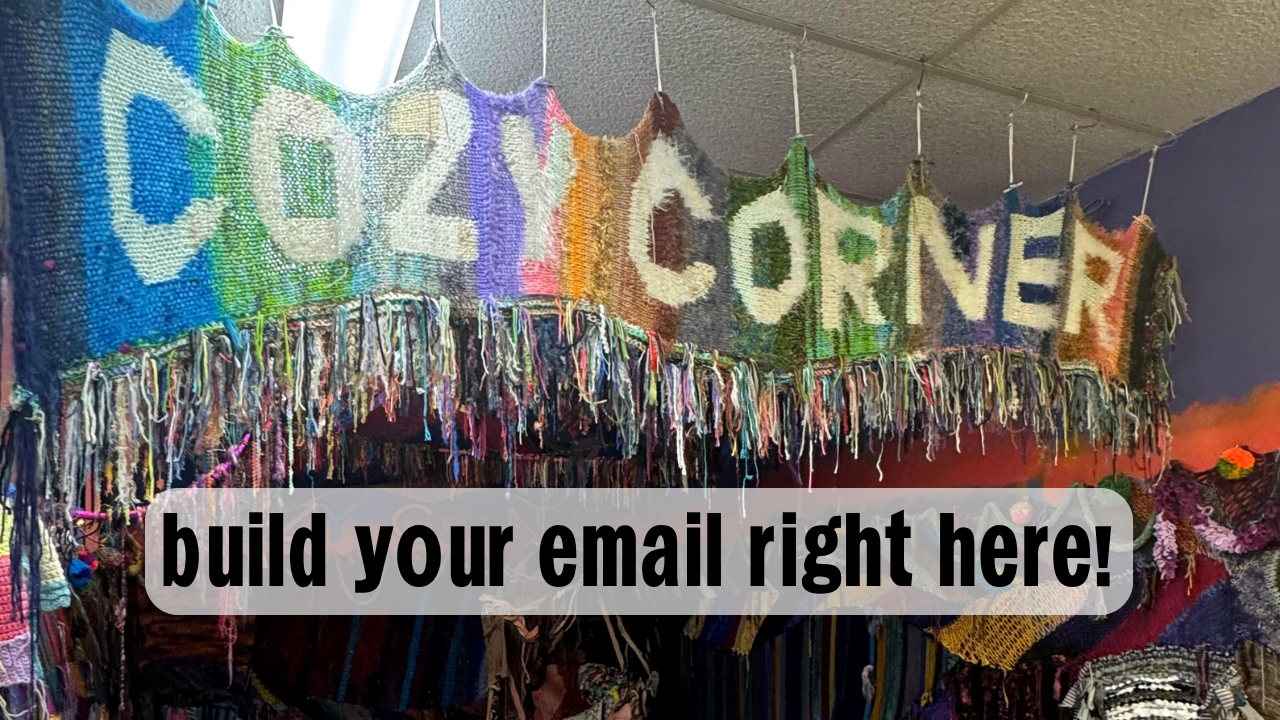
💌 The Save DoodleHATCH Email Machine

A few clicks, a little personality, and an email that helps support DoodleHATCH and The REALM. No account or signup required.

What's your connection to DoodleHATCH?
Why does protecting places like this matter to you?
✨ Your email preview
To: Lilou@DoodleHATCH.com
Subject:

Your information stays in your browser until you choose to copy or open the message. The email does not send automatically. Emails support DoodleHATCH's advocacy campaign; they are not the same as official petition signatures or zoning testimony. Please review the message before sending.

🐹 Wait. What exactly is DoodleHATCH?

I’m so glad you asked.

DoodleHATCH is an interactive art museum in Columbia, Maryland, created by artist, designer, and professional generator of wildly ambitious ideas, Lee Andersen.

The museum is designed as a pretend department store for mythological creatures, time travelers, and galactic tourists.

There are dozens of installations, and unlike most museums, you’re encouraged to touch things, explore, and participate.

There’s also an artist’s studio full of fabric and handmade garments, workshops, special events, birthday parties, free books, and opportunities for local artists to share their work.

The museum welcomes families and children, but adults are absolutely allowed to enjoy themselves, too.

And the woman behind it has spent decades bringing creativity into the community through fashion, festivals, education, and public art.

I discovered DoodleHATCH in 2020 and loved it so much that I started volunteering.

I’ve been back multiple times, and there are still things I haven’t seen.

That’s part of what makes it special. You can keep discovering things because people keep creating them.

You don't have to live near DoodleHATCH to care about it.

There are Merriment Makers everywhere.

People turning empty buildings into art spaces. People organizing parades. People teaching kids how to sew, paint, dance, or build things. People putting enormous amounts of time into projects that make their communities more interesting.

Sometimes they’re running nonprofits. Sometimes they’re working out of their garages. Sometimes they’re making something weird in a strip mall that you might drive past a hundred times without realizing what’s inside.

I hope you’ll help protect DoodleHATCH.

And I hope you’ll look around your own community, too. Visit the strange little museum. Go to the local art show. Find the person who makes giant puppets or organizes an absurd annual festival. Spend your money at the independent shop with the handmade things.

There are people everywhere creating reasons for us to be curious about being alive.

I’d like them to be able to keep doing that.

Help save DoodleHATCH. Help protect The REALM. Help keep the world interesting.

💌 Email: Lilou@DoodleHATCH.com

🌈 Visit: DoodleHATCH.com

🦄 Share: Uncustomary.org/Doodle