
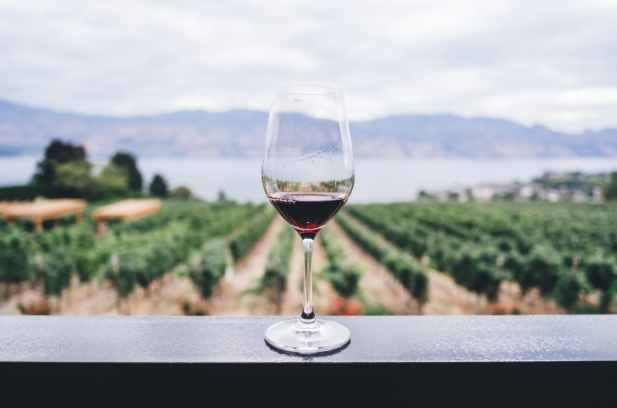
Wine appreciation has always been about more than taste alone. The ritual involves aroma, texture, temperature, and the deliberate act of paying attention. Yet one element often gets overlooked: serving temperature. A wine chiller isn’t just a convenience—it’s a tool that can fundamentally change how you experience wine, particularly if you’re moving toward a more mindful approach to drinking.
Temperature affects everything from how a wine’s tannins feel on your palate to whether its fruit notes come through clearly or fade into the background. A good wine chiller ensures that whether you’re pouring a Burgundy or a Sauvignon Blanc, the wine arrives at the glass in its ideal state. This article explores how wine preservation has evolved, why temperature matters so much, the types of chillers available today, and how these tools fit into a lifestyle that values intention over consumption.
How Wine Preservation Has Changed Over Time
Humans have been storing wine for millennia. Ancient civilizations buried amphorae underground or kept them in caves where temperatures stayed cool and stable. These methods worked, but they were imprecise and limited by geography. Over centuries, wine storage evolved from cellars to icehouses to the first electric refrigerators, each innovation offering better control over the conditions that keep wine drinkable.
Modern wine chillers represent the latest step in this progression. They provide precise temperature regulation, something that was impossible even a few decades ago. Unlike a standard refrigerator, which is too cold for most wines and prone to vibration, a dedicated wine chiller maintains the narrow temperature range that preserves a wine’s character. According to Wine Spectator’s storage guidelines, maintaining consistent temperature is one of the most critical factors in preserving wine quality over time.
The shift from passive storage to active temperature management reflects a broader change in how people think about wine. It’s no longer just about keeping a bottle from spoiling—it’s about optimizing the experience every time you open one.
Why Temperature Shapes What You Taste
Serve a Pinot Noir too warm, and the alcohol dominates. Serve a Chardonnay too cold, and you lose the nuance that makes it interesting. Temperature doesn’t just affect comfort—it changes the wine’s chemical behavior in your glass and on your palate.
Volatile compounds that carry aroma evaporate more readily at warmer temperatures, which is why reds benefit from being slightly below room temperature rather than at it. Whites and rosés, on the other hand, need cooler serving temperatures to maintain their crispness and prevent the alcohol from overwhelming more delicate flavors. Sparkling wines require even lower temperatures to preserve their effervescence and balance.
Wine chillers make it possible to hit these targets consistently. They eliminate guesswork and ensure that each bottle is served in a way that honors the winemaker’s intent. Research on optimal wine serving temperatures shows that even small deviations—just a few degrees—can significantly alter a wine’s flavor profile and aromatic expression.
Types of Wine Chillers and What They’re Best For
Not all wine chillers are built the same way, and choosing the right one depends on how and where you drink wine. Here’s a breakdown of the most common types:
- Single-Bottle Coolers: Designed to chill one bottle at a time, these are ideal for dinners or small gatherings. They’re compact, easy to use, and keep a bottle at the right temperature throughout a meal.
- Portable Coolers: Built for mobility, these chillers are insulated and lightweight, making them perfect for picnics, beach trips, or outdoor concerts. They maintain temperature without electricity, relying on insulation and sometimes gel packs.
- White Wine Chillers: Specifically calibrated for the lower temperatures that whites, rosés, and sparkling wines require. They’re often smaller and faster-acting than models designed for reds.
- Insulated Coolers: These use advanced insulation materials to maintain a stable temperature over extended periods. They’re useful for transport or for keeping wine ready to serve without constant refrigeration.
Each type serves a different need. If you’re hosting a dinner party, a single-bottle cooler on the table keeps wine accessible and properly chilled. If you’re heading to a park or a friend’s backyard, a portable option ensures your wine stays drinkable no matter the weather. The key is matching the tool to the context.
The Science of Serving Temperature
Wine is a complex mixture of water, alcohol, acids, sugars, tannins, and hundreds of aromatic compounds. Each of these components behaves differently at different temperatures, which is why serving temperature has such a pronounced effect on what you perceive when you drink.
Alcohol, for instance, becomes more volatile as temperature rises, which is why warm wine can taste harsh or “hot.” Tannins, the compounds that give red wine its structure and astringency, feel softer and more integrated at slightly warmer temperatures. Acidity, which provides brightness and balance, becomes more pronounced when wine is cooler.
Wine chillers allow you to dial in these variables with precision. Reds are typically best between 55°F and 65°F, whites between 45°F and 55°F, and sparkling wines around 40°F to 50°F. Hitting these ranges consistently transforms the drinking experience, bringing out the qualities that make each wine distinct.
What Wine Chillers Bring to the Table
Using a wine chiller offers several tangible benefits that go beyond simple convenience:
- Preserves Quality: By maintaining the right temperature, chillers prevent premature aging and flavor degradation. This is especially important for wines you plan to keep for more than a few days after opening.
- Enhances Flavor: Proper temperature unlocks a wine’s full aromatic and flavor potential. You taste more complexity, better balance, and a cleaner finish.
- Encourages Mindfulness: Taking the time to chill a wine properly slows down the drinking process. It introduces a deliberate pause, a moment to consider what you’re about to drink and why. This aligns with a broader shift toward mindful consumption—drinking less, but drinking better.
Mindful drinking isn’t about abstinence or restriction. It’s about presence and intention. A wine chiller supports that by making the act of serving wine a more considered ritual. You’re not just grabbing a bottle from the fridge and hoping for the best—you’re setting the stage for a better experience.
Choosing the Right Wine Chiller for Your Needs
Selecting a wine chiller comes down to a few practical considerations:
- Space: If you live in a small apartment, a compact single-bottle cooler makes more sense than a bulky countertop unit. If you have room, a larger insulated cooler can handle multiple bottles and longer events.
- Portability: Do you drink wine mostly at home, or do you take it on the go? Portable chillers are designed for travel and outdoor use, while stationary models offer more capacity and precision.
- Wine Type: If you drink mostly whites and sparkling wines, a chiller optimized for lower temperatures will serve you better. If you prefer reds, look for a model with a slightly higher temperature range.
- Insulation Quality: Better insulation means longer temperature retention, which is crucial if you’re using the chiller away from a power source or over an extended period.
The right choice depends on your habits and priorities. Think about where and how you drink wine most often, and choose a chiller that fits seamlessly into that routine.
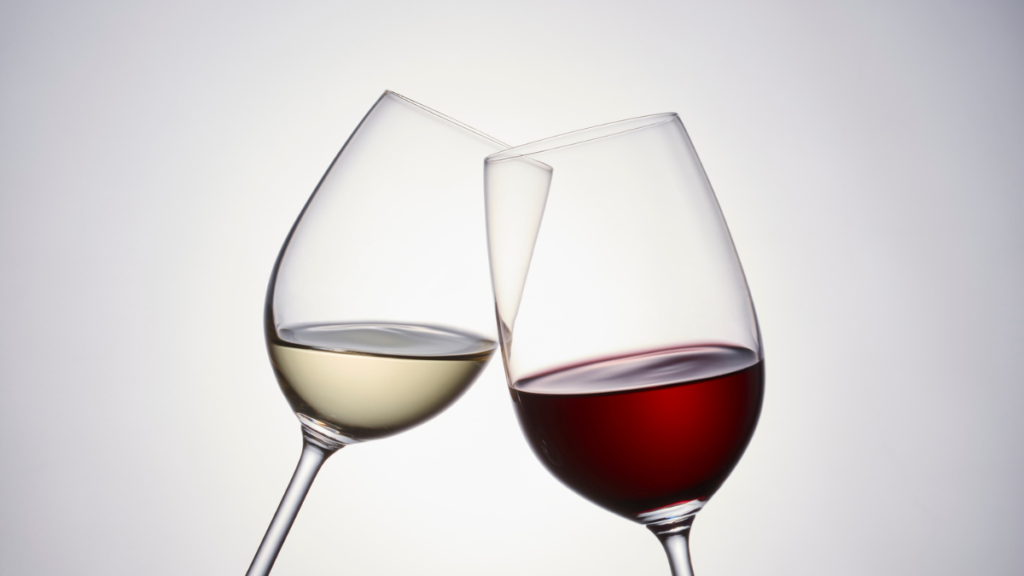
Wine Chillers and the Practice of Mindful Drinking
Mindful drinking is about shifting focus from quantity to quality, from habit to intention. It’s a practice that asks you to slow down, pay attention, and make deliberate choices about what and how you consume.
Wine chillers support this practice in subtle but meaningful ways:
- They Improve the Experience: When wine is served at the right temperature, it tastes better. That simple fact makes each glass more satisfying, which naturally encourages you to drink more slowly and savor what’s in front of you.
- They Introduce Ritual: The act of chilling a wine properly adds a layer of intentionality to the process. It’s a small ritual that signals a transition from the busyness of the day to a moment of enjoyment and presence.
Mindful drinking does not require rigid rules or complete abstinence—it centers on making choices that align with personal values and overall well-being. A wine chiller can be one practical tool that supports that experience by helping maintain ideal serving temperatures without disrupting the moment. Companies such as Vinglacé have developed portable chilling solutions that combine temperature control with sleek, travel-friendly design, making it easier to enjoy wine thoughtfully in a variety of settings. Comparable brands like Corkcicle and YETI also offer insulated beverage accessories designed to preserve temperature and improve the overall drinking experience.Ultimately, the goal is to drink in a way that feels good—not just in the moment, but the next day and over the long term. A wine chiller won’t solve everything, but it can make the experience of drinking wine more intentional, more enjoyable, and more aligned with a lifestyle that values quality over excess.